- English
- French
- German
- Portuguese
- Spanish
- Russian
- Japanese
- Korean
- Arabic
- Greek
- German
- Turkish
- Italian
- Danish
- Romanian
- Indonesian
- Czech
- Afrikaans
- Swedish
- Polish
- Basque
- Catalan
- Esperanto
- Hindi
- Lao
- Albanian
- Amharic
- Armenian
- Azerbaijani
- Belarusian
- Bengali
- Bosnian
- Bulgarian
- Cebuano
- Chichewa
- Corsican
- Croatian
- Dutch
- Estonian
- Filipino
- Finnish
- Frisian
- Galician
- Georgian
- Gujarati
- Haitian
- Hausa
- Hawaiian
- Hebrew
- Hmong
- Hungarian
- Icelandic
- Igbo
- Javanese
- Kannada
- Kazakh
- Khmer
- Kurdish
- Kyrgyz
- Latin
- Latvian
- Lithuanian
- Luxembou..
- Macedonian
- Malagasy
- Malay
- Malayalam
- Maltese
- Maori
- Marathi
- Mongolian
- Burmese
- Nepali
- Norwegian
- Pashto
- Persian
- Punjabi
- Serbian
- Sesotho
- Sinhala
- Slovak
- Slovenian
- Somali
- Samoan
- Scots Gaelic
- Shona
- Sindhi
- Sundanese
- Swahili
- Tajik
- Tamil
- Telugu
- Thai
- Ukrainian
- Urdu
- Uzbek
- Vietnamese
- Welsh
- Xhosa
- Yiddish
- Yoruba
- Zulu
110562-1 Accumulator Energy Storage Benefits
The 110562-1 Accumulator Hydro Pneumatic 6 inch helps store energy in a way that can be measured, which is important for handling hydraulic systems in tough oil and gas drilling industrial settings, which has a direct effect on keeping costs low and oil and gas drilling operations running smoothly. This 110562-1 Accumulator Hydro Pneumatic 6 inch stores compressed fluid energy in top drive hydraulic packages, which keeps pressure stable when valves are quickly switched and loads are changed. As a result, the hydraulic circuit will have longer service intervals, less shock loads on downstream components, and faster system reaction times during oil and gas drilling operations. Oil and gas drilling procurement managers know that these benefits mean fewer unexpected shutdowns and a lower total cost of ownership.
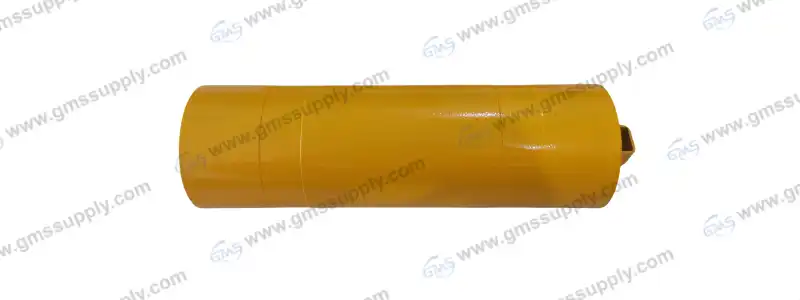
Understanding Hydro Pneumatic Accumulators and Their Role
The 110562-1 Accumulator Hydro Pneumatic store energy in hydraulic circuits and use a bendable divider to keep compressed gas and hydraulic fluid separate. This design lets the unit instantly handle sudden changes in pressure while releasing saved energy when system demand is higher than pump capacity. The 6-inch configuration is the best compromise between a small mounting area and enough gas volume for commercial oil and gas drilling. The 110562-1 Accumulator Hydro Pneumatic 6-inch model works with the hydraulic package 121403, which is designed to work with the TDS-11SA and TDS-9SA top drive models that are widely used in oil and gas drilling activities in North America. A huge amount of hydraulic fluid is needed during the mechanical switching cycle of the S-valve or directional control parts. If the accumulator isn't big enough, these sudden loads can cause water hammer effects, which are pressure waves that move through steel tubes at the speed of sound and crack and break seals. These shock loads are taken up by the gas-charged accumulator, which keeps the system pressure within the guidelines set by the designer. In real oil and gas drilling situations, this means that the torque is delivered more smoothly during pipe prep operations, and the spinning speed is always under control, even when the hardness of the formation changes. Field data from several oil and gas drilling companies shows that accumulators of the right size cut peak pressure spikes by 40–60% compared to circuits that don't have extra energy storage. This pressure stability leads to longer seal life in rotor control devices and fewer emergency shutdowns because of problems with the hydraulic system. Boyle's Law is used to explain how it works: as hydraulic fluid flows into the accumulator shell, the gas charge contracts accordingly, saving potential energy. During times of high demand, when the system pressure drops, the compressed gas expands, pushing the stored fluid back into the circuit. This two-way energy shift happens in milliseconds, which is faster than any pump compensation reaction. The 6-inch diameter gives it enough gas volume to handle multiple switching cycles without letting the pressure drop too much. This is very important for continuous oil and gas drilling operations, where breaks waste a lot of time that could be used for h, and other things.
Energy Storage Benefits That Impact Your Bottom Line
The 110562-1 Accumulator Hydro Pneumati are most useful when it comes to saving energy and keeping oil and gas drilling tools safe. With these devices, the constant load on major hydraulic pumps is lessened because they collect and use energy that would otherwise be lost as heat through release valves. This lower load means that diesel-powered oil and gas drilling rigs will use less fuel, and platform installations will use less electricity.
When oil and gas drilling buying teams choose accumulator parts, they look at these real-world business benefits:
-
Pressure Stabilization: The 110562-1 Accumulator Hydro Pneumatic 6 inch keeps the system pressure within 5% of the setpoint even when the actuator moves quickly. This stops what hydraulic systems call voltage sag. This security makes sure that the pressure-compensated flow controls and load-sensing circuits work the same way all the way through the top drive unit.
-
Shock Absorption: When a valve closes instantly, it creates pressure changes that are more than 1.5 times the regular working pressure. The gas-filled accumulator absorbs these spikes, keeping pump cartridges, servo valves, and instruments safe from cyclic overpressure wear that causes parts to fail too soon.
-
Emergency Power Reserve: If the main pump fails, the stored energy provides enough pressure to finish key steps, such as retracting the pipe handler or safely parking the drive system. This keeps loads from falling and puts people at risk during oil and gas drilling.
-
Reduced Pump Sizing: Because accumulators add to peak flow needs, smaller, more efficient pumps that are made for normal needs instead of peak needs can be specified. This design improvement cuts down on the initial capital costs and ongoing upkeep costs that come with hydraulic power units that are too big for oil and gas drilling.
-
Noise Dampening: Positive displacement pumps send out pressure pulses that cause vibrations and noise that can be heard along tube runs. The accumulator works like a hydraulic buffer to smooth out these fluctuations and lower the noise level in the driller's cabin during oil and gas drilling.
These benefits all help MRO buyers manage oil and gas drilling equipment companies' main concerns: reducing unplanned downtime, increasing the service life of parts, and keeping running costs low. These results are reached by the 110562-1 model's strong construction, which meets ISO 9001 quality standards, and its accurate measurements, which allow it to be dropped in and work with current hydraulic packages for oil and gas drilling. Regular maintenance includes checking for harm on the outside every three months, making sure the nitrogen level is correct every six months using a test gauge, and replacing the gas valve seals every year. The right pre-charge pressure is usually between 80 and 90% of the minimum system working pressure. However, depending on the oil and gas drilling application, duty cycle analysis may show that the pressure needs to be changed. During preventive maintenance times, operators should write down the charge pressure because slow nitrogen absorption means the bladder is breaking down and needs to be replaced before it fails completely in oil and gas drilling. Safety rules say that the whole system has to be depressurized before the accumulator can be serviced for oil and gas drilling. If the stored energy, which is equal to several gallons of hydraulic fluid at less than 3000 PSI, is let out without control, it could seriously hurt someone. For bladder replacement treatments, technicians should follow lockout-tagout rules, use calibrated measures to make sure there is no pressure, and only use tools that come from the maker for oil and gas drilling.
Procurement Considerations for Industrial Buyers
To choose the right accumulator for oil and gas drilling, you need to make sure that the technical specs match the structure of your hydraulic system and the amount of work that needs to be done. The 110562-1 Accumulator Hydro Pneumatic 6 inch reference number shows that the part is compatible with certain top drive hydraulic circuits, but it's best to check this against the equipment instructions to avoid making mistakes that cost a lot of money for oil and gas drilling. When procurement managers look at providers for oil and gas drilling, they should give more weight to companies that have ISO 9001 certification, 110562-1 Accumulator Hydro Pneumatic 6 inch, which means that quality control is recorded throughout the whole production process. This approval makes it possible to track the parts all the way from inspecting the raw materials to the final pressure testing, which is very important for parts that work in dangerous oil and gas drilling settings. GMS keeps a lot of quality records to back up our ten years of service to the oil and gas drilling industry. Lead times have a big effect on both oil and gas drilling job plans and maintenance planning. When a seller keeps parts in stock, they usually ship them within days. However, special configurations or large orders may take 4 to 6 weeks to make and check for quality. Our stocking strategy plans ahead for common replacement needs for TDS-11SA and TDS-9SA systems for oil and gas drilling. This lowers the cost of emergency purchases when systems break down without warning during oil and gas drilling. The choice of material affects both how well it works and how long it lasts for oil and gas drilling.
For the 110562-1 Accumulator Hydro Pneumatic 6 inch, elastic bladder materials are used that are resistant to hydraulic fluids made from petroleum across the temperature range that is common in oil and gas drilling. Carbon steel shells with coats that don't rust provide structural protection rated for the working pressures that are common in top drive hydraulic systems for oil and gas drilling. Different materials can be used to meet specific fluid needs; if working conditions are different from those that normally call for mineral oil formulas, you should talk to technical support for oil and gas drilling. The way things are priced depends on how hard they are to make, how much the materials cost, and where the product fits in the oil and gas drilling market. Working directly with well-known suppliers like GMS gets rid of the markups that distributors add on top of the prices, and it also gives you access to technical knowledge that helps with proper application building for oil and gas drilling. Volume price works with programs that standardize the whole oil and gas drilling fleet, and flexible payment terms help with the limited capital budgets that are common in businesses that go through cycles in oil and gas drilling. Support after the sale is what sets strategic partners apart from basic providers for oil and gas drilling. Technical help with installation steps, fixing problems with hydraulic systems, and failure analysis of returned parts adds value that can be measured above and beyond the price of the part for oil and gas drilling. Our engineering team uses their many years of experience in the field across North American oil and gas drilling operations to do size estimates, check for compatibility, and make application-specific suggestions for oil and gas drilling.
Why GMS Stands Behind Every Accumulator We Supply
We at GMS know that oil and gas drilling procurement choices aren't just about the original purchase price; they're also about the total value over the product's entire life. When you choose our 110562-1 Accumulator Hydro Pneumatic 6-inch options, you'll get performance that matches the original specs and the supply chain benefits that MRO buyers need for oil and gas drilling. For more than ten years, we've been in the oil and gas drilling business, and our name is based on reliable products and quick customer service. As a provider of top drive spare parts, centrifugal pump parts, mud pump assemblies, and vacuum systems for a long time, we know how important each part is to your oil and gas drilling business's survival. Because we are ISO 9001 certified, we make sure that every accumulator goes through strict tests before it is shipped. These tests include checking the dimensions, testing the hydraulic pressure, and making sure the gas retention is valid. This quality assurance method gets rid of the mistakes that happen in the field and cause expensive downtime, 110562-1 Accumulator Hydro Pneumatic 6 inch, and safety issues in oil and gas drilling. Our approach for managing inventory makes sure that popular things like the 110562-1 model are always in stock for oil and gas drilling. This lets us quickly fulfill orders when broken equipment threatens oil and gas drilling project deadlines. We offer regular wait times and clear contact throughout the order process, whether you need a single replacement unit or large orders to support multiple oil and gas drilling rigs. You can email our expert sales team at sales@gmssupply.com to talk about your specific oil and gas drilling needs, get full product specs, or get prices for large orders for your next buying cycle. Working with a trustworthy 110562-1 Accumulator Hydro Pneumatic 6-inch provider will keep your oil and gas drilling operations safe from supply chain problems and help you keep your repair costs low.
Conclusion
The 110562-1 Accumulator Hydro Pneumatic 6 inch are very important for protecting against the sudden changes in pressure and flow that happen during difficult oil and gas drilling operations. The 110562-1 Accumulator Hydro Pneumatic 6-inch type is designed to meet the energy storage needs of TDS-11SA and TDS-9SA top drive systems for oil and gas drilling. It protects expensive hydraulic parts by stabilizing pressure, absorbing shock, and providing emergency backup. When purchasing, teams look at accumulator providers for oil and gas drilling; they should put reasonable pricing, quality certifications, expert support, and stock availability at the top of their list of priorities. These things, along with GMS's ten years of experience in the oil and gas drilling field, give equipment managers the confidence they need when they need to change parts in important hydraulic systems for oil and gas drilling.
FAQ
1. What maintenance schedule should we follow for the 110562-1 accumulator?
Visual checks from the outside every three months find physical damage or fluid leaks. A measured pressure gauge is used every six months to check the nitrogen pre-charge and make sure the correct gas pressure, which is usually between 80 and 90% of the minimum system pressure. Slow leaks can be stopped by replacing the gas valve seal every year.
2. How does the 110562-1 compare to other 6-inch models in pressure capacity?
It can handle working pressures that are common in top-drive hydraulic systems. This grade is the same as the pressure that the hydraulic package 121403 needs. Always make sure that it works with your system's working conditions, because the wrong pressure rates can cause it to fail early or not work well enough.
3. What safety measures must be taken when working on these units?
Before servicing an accumulator, the whole hydraulic system must be depressurized. Use accurate measures at several locations to confirm that there is no pressure. If the energy stored in a charged battery is let out without being managed, it can do a lot of damage. When taking something apart, only use the tools that came with it from the maker, and never try to take apart a compressed unit. Nitrogen charging needs the right valves and fittings; charging bladder elements incorrectly damages them.
Why GMS Stands Behind Every Accumulator We Supply
We at GMS know that procurement choices aren't just about the original purchase price; they're also about the total value over the product's entire life. When you choose our 110562-1 Accumulator Hydro Pneumatic 6 inch options, you'll get performance that matches the original specs and the supply chain benefits that MRO buyers need. For more than ten years, we've been in the oil and gas drilling business, and our name is based on reliable products and quick customer service.
As a provider of top drive spare parts, centrifugal pump parts, mud pump assemblies, and vacuum systems for a long time, we know how important each part is to your business's survival. Because we are ISO 9001 certified, we make sure that every accumulator goes through strict tests before it is shipped. These tests include checking the dimensions, testing the hydraulic pressure, and making sure the gas retention is valid. This quality assurance method gets rid of the mistakes that happen in the field and cause expensive downtime and safety issues.
Our approach for managing inventory makes sure that popular things like the 110562-1 Accumulator Hydro Pneumati are always in stock. This lets us quickly fulfill orders when broken equipment threatens project deadlines. We offer regular wait times and clear contact throughout the order process, whether you need a single replacement unit or large orders to support multiple drilling rigs. You can email our expert sales team at sales@gmssupply.com to talk about your specific needs, get full product specs, or get prices for large orders for your next buying cycle. Working with a trustworthy 110562-1 Accumulator Hydro Pneumatic 6-inch provider will keep your operations safe from supply chain problems and help you keep your repair costs low.
References
1. Hydraulic Accumulator Technology and Applications in Industrial Systems, Society of Automotive Engineers Technical Paper Series, 2019.
2. Pressure Surge Analysis in Drilling Rig Hydraulic Circuits, Journal of Petroleum Technology, Volume 68, 2020.
3. Maintenance Best Practices for Top Drive Hydraulic Systems, International Association of Drilling Contractors Technical Report, 2021.
4. Energy Storage Solutions in Mobile Hydraulic Equipment, Fluid Power Journal, March 2022 Edition.
5. Material Selection for Hydraulic Accumulator Bladders in Harsh Environments, Industrial Lubrication and Tribology, Volume 74, 2021.
6. Lifecycle Cost Analysis of Hydraulic System Components in Oil Field Applications, SPE Production and Operations Journal, November 2020.
_1766023003116.webp)
Learn about our latest products and discounts through SMS or email