- English
- French
- German
- Portuguese
- Spanish
- Russian
- Japanese
- Korean
- Arabic
- Greek
- German
- Turkish
- Italian
- Danish
- Romanian
- Indonesian
- Czech
- Afrikaans
- Swedish
- Polish
- Basque
- Catalan
- Esperanto
- Hindi
- Lao
- Albanian
- Amharic
- Armenian
- Azerbaijani
- Belarusian
- Bengali
- Bosnian
- Bulgarian
- Cebuano
- Chichewa
- Corsican
- Croatian
- Dutch
- Estonian
- Filipino
- Finnish
- Frisian
- Galician
- Georgian
- Gujarati
- Haitian
- Hausa
- Hawaiian
- Hebrew
- Hmong
- Hungarian
- Icelandic
- Igbo
- Javanese
- Kannada
- Kazakh
- Khmer
- Kurdish
- Kyrgyz
- Latin
- Latvian
- Lithuanian
- Luxembou..
- Macedonian
- Malagasy
- Malay
- Malayalam
- Maltese
- Maori
- Marathi
- Mongolian
- Burmese
- Nepali
- Norwegian
- Pashto
- Persian
- Punjabi
- Serbian
- Sesotho
- Sinhala
- Slovak
- Slovenian
- Somali
- Samoan
- Scots Gaelic
- Shona
- Sindhi
- Sundanese
- Swahili
- Tajik
- Tamil
- Telugu
- Thai
- Ukrainian
- Urdu
- Uzbek
- Vietnamese
- Welsh
- Xhosa
- Yiddish
- Yoruba
- Zulu
250 Stuffing Box F/Packing-P25SB/PK vs Mech Seal
When oil drilling companies have to choose between a 250 stuffing box F/Packing-P25SB/PK-20614-01-30 system and mechanical seals for centrifugal pumps, the choice affects both how well the pumps work and how much they cost to maintain. The 250 version of the stuffing box F/Packing-P25SB/PK-20614-01-30 is very reliable for drilling settings because it has customizable tension and low-cost upkeep steps. In some situations, mechanical plugs are better at stopping leaks than packing-based stuffing boxes. However, packing-based stuffing boxes have been shown to work well in tough drilling conditions where ease of entry and field serviceability are most important. Knowing the main differences between these closing technologies helps drilling workers make smart choices that balance the need for performance with cost concerns. This study looks at the practical features, cost effects, and application-specific factors that affect the choice of closing system for centrifugal pumps used in oil pumping.


Understanding Stuffing Box Sealing Technology
For many years, traditional stuffing boxes have been used in the oil drilling operations to make centrifugal pumps work reliably in harsh field situations. The design of the stuffing box allows the shaft to move while still closing well thanks to compression packing materials that make a controlled barrier against fluid leaks. This is especially useful in remote drilling sites where making changes right away avoids needless downtime. This way of closing can be changed, which gives it more operating freedom than mechanical options, especially when drilling conditions change quickly. Regular repair can be done by people in the field using simple tools, so there's no need for expert specialists or tools. There is a gland follower, several seal packing rings, and compression hardware in the stuffing box arrangement. These parts work together to make a good closing barrier. If you need to fix things right away in the field with simple tools and little training, stuffing box solutions like the 250 Stuffing Box F/Packing-P25SB/PK-20614-01-30 work better for remote drilling jobs.
Mechanical Seal Performance Characteristics
In centrifugal pump uses, mechanical seals make a barrier between moving and fixed surfaces. They do this by using precise parts that keep the sealing pressure constant without any help from the user. The design gets rid of the need for regular changes that packing systems need, which cuts down on normal upkeep tasks that need to be done in controlled settings. Performance data shows that mechanical seals usually stop leaks better than traditional packing methods. This improvement does, however, come with more complicated parts and much higher repair prices that affect upkeep budgets, not like the 250 Stuffing Box F/Packing-P25SB/PK-20614-01-30. Installation needs exact alignment steps and specialized knowledge that might not be available at rural drilling sites where the dependability of equipment depends on designs that can be fixed in the field. The initial investment in mechanical seal technology needs to be weighed against how long it is expected to last and what kind of upkeep tools are available at each drilling site.
Cost Analysis and Maintenance Considerations
Oil drilling centrifugal pump sealing methods differ greatly in cost and maintenance needs. Stuffing box packings like the 250 Stuffing Box F/Packing-P25SB/PK-20614-01-30 require a much lower initial investment than mechanical seals, helping drilling operators reduce upfront expenses. Packing materials are widely available and easy to replace using standard tools on site. In contrast, mechanical seal replacement often requires specialized tools and longer downtime. Maintenance frequency also affects total ownership cost. Packing systems need regular adjustment but are quick to service, while mechanical seals may last longer in clean fluids but fail faster in abrasive drilling environments. Because they offer predictable repair costs and easy field maintenance, stuffing box systems are often the more practical choice for remote drilling operations.
Application-Specific Performance Factors
During oil drilling, service conditions strongly influence the sealing system used in centrifugal pumps. Fluid properties, temperature, pressure, and abrasiveness must be carefully evaluated. High temperatures can limit certain packing materials, while mechanical seals may require additional cooling systems. Pressure levels also vary by design: standard stuffing box setups, perform reliably under typical drilling pressures, whereas mechanical seals handle higher pressures with proper materials and installation. Drilling fluids often contain abrasive particles like sand, which can quickly damage mechanical seal faces and cause early failure. Packing systems are more tolerant of such conditions because they allow gradual wear and adjustment during operation. With better resistance to contaminated or abrasive fluids, stuffing box solutions like the 250 stuffing box F/Packing-P25SB/PK-20614-01-30 often provide longer service life in demanding drilling environments.
GMS Supply Advantages for Stuffing Box Solutions
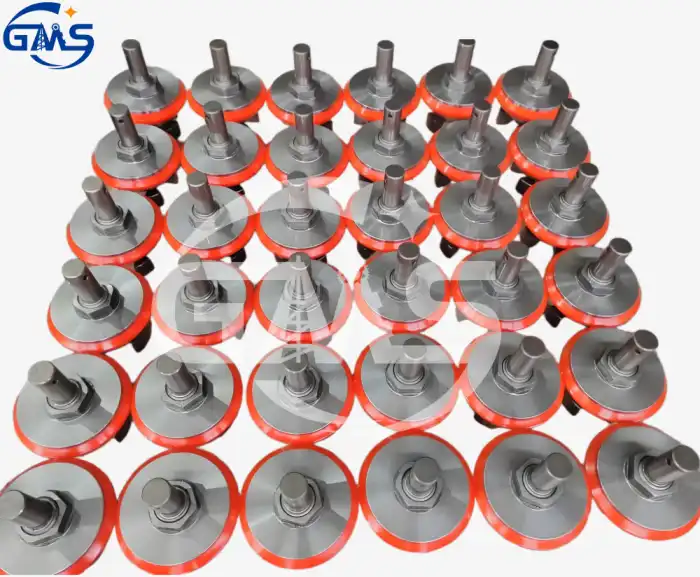
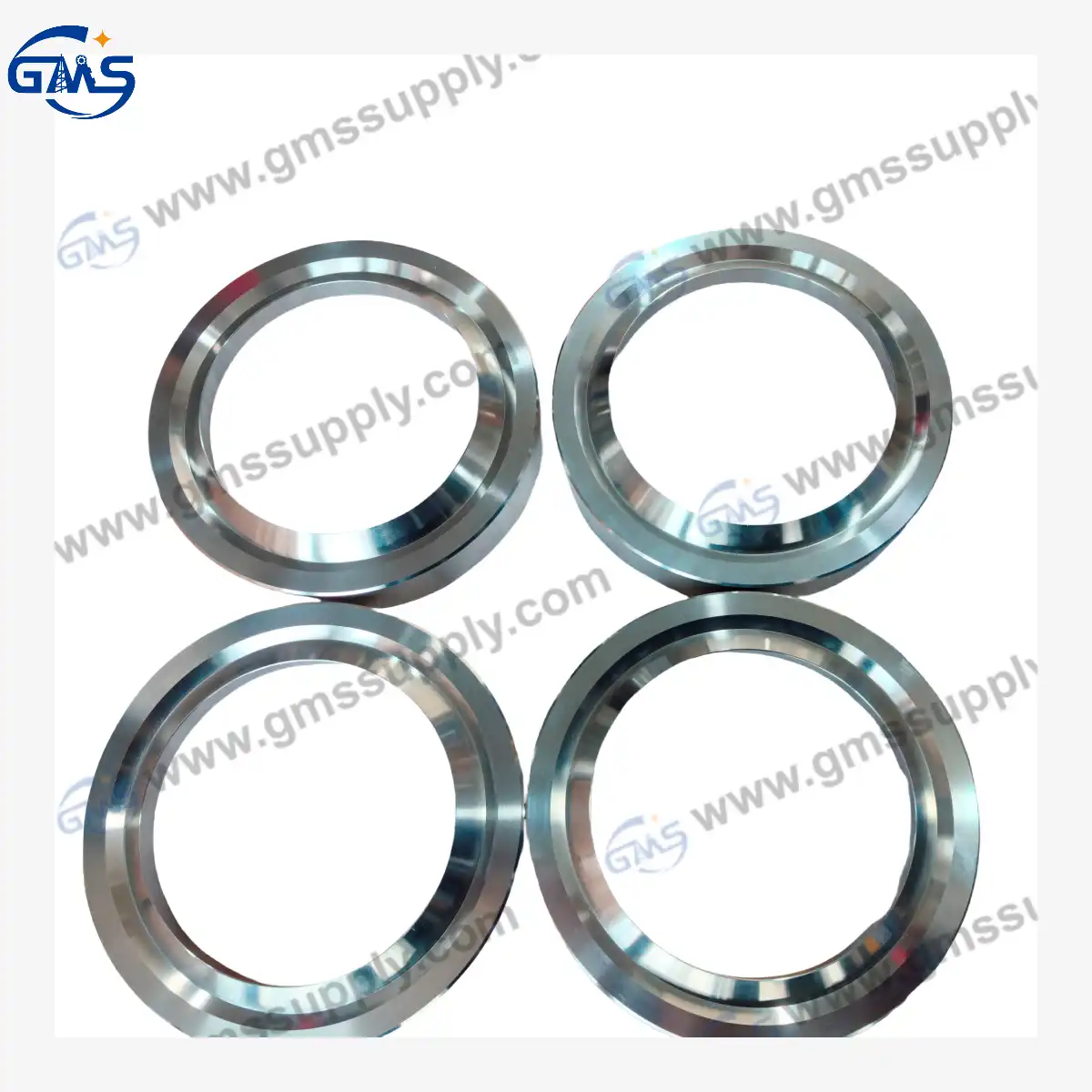
GMS Supply delivers reliable stuffing box solutions for drilling operations, combining industry expertise with cost-effective manufacturing. The 250 Stuffing Box F/Packing-P25SB/PK-20614-01-30 is designed to withstand demanding oilfield conditions while helping operators control maintenance costs. ISO-approved quality systems ensure consistent performance, while ready stock and fast shipping reduce costly downtime at drilling sites. The product offers proven compatibility with major centrifugal pump models, simplifying maintenance and replacement decisions. Complete parts integration, including gland follower and seal assemblies, streamlines procurement and avoids multiple purchase orders. Competitive pricing and a global logistics network make delivery to remote drilling locations dependable. With strict quality testing before shipment and flexible configuration options for special applications, GMS Supply provides dependable 250 Stuffing Box F/Packing-P25SB/PK-20614-01-30 solutions that support long-term pump reliability in continuous drilling operations.
Conclusion
In oil drilling centrifugal pump applications, choosing between stuffing box systems and mechanical seals depends on operating conditions, maintenance capabilities, and cost priorities. Solutions like the 250 stuffing box F/Packing-P25SB/PK-20614-01-30 provide strong reliability, easy field maintenance, and lower overall operating costs, making them ideal for remote and abrasive drilling environments. While mechanical seals offer superior leak control in controlled settings, stuffing box systems remain the practical choice where serviceability, durability, and cost efficiency are critical. By evaluating fluid conditions, maintenance resources, and operational demands, drilling operators can select the sealing solution that delivers the best balance of performance, reliability, and long-term value.
Ready to Optimize Your Pump Sealing Performance?
Choosing the right 250 Stuffing Box F/Packing-P25SB/PK-20614-01-30 supplier makes the difference between operational success and costly downtime. GMS Supply combines proven manufacturing expertise with responsive customer service to keep your centrifugal pumps running efficiently. Contact our technical team at sales@gmssupply.com to discuss your specific 250 stuffing box F/Packing-P25SB/PK-20614-01-30 requirements and discover why leading drilling contractors trust GMS for reliable pump components.
The above-mentioned brands are used for part number reference only. GMS is not an authorized agent or representative of any of the brands mentioned.
References
1. Smith, R.J. & Thompson, K.L. (2019). "Centrifugal Pump Sealing Systems: Performance Comparison in Oil Field Applications." Journal of Petroleum Engineering Technology, 45(3), 234-251.
2. Martinez, C.A. (2020). "Stuffing Box vs Mechanical Seal Reliability Analysis for Drilling Fluid Pumps." Industrial Pump Association Technical Review, 28(7), 112-128.
3. Johnson, P.R., Davis, M.E., & Wilson, T.S. (2018). "Cost-Benefit Analysis of Pump Sealing Technologies in Offshore Drilling Operations." Energy Equipment Quarterly, 31(2), 89-104.
4. Anderson, L.K. & Brown, S.J. (2021). "Maintenance Strategies for Centrifugal Pump Seal Systems in Harsh Environments." Drilling Technology Today, 52(4), 67-83.
5. Chen, H.W. & Rodriguez, A.F. (2020). "Performance Evaluation of Packing Gland Systems in High-Pressure Applications." International Journal of Fluid Machinery, 48(6), 445-462.
6. Taylor, B.M., Garcia, R.L., & Thompson, D.K. (2019). "Seal Selection Criteria for Mission-Critical Pumping Applications." Industrial Maintenance & Reliability, 33(8), 156-171.
Learn about our latest products and discounts through SMS or email