- English
- French
- German
- Portuguese
- Spanish
- Russian
- Japanese
- Korean
- Arabic
- Greek
- German
- Turkish
- Italian
- Danish
- Romanian
- Indonesian
- Czech
- Afrikaans
- Swedish
- Polish
- Basque
- Catalan
- Esperanto
- Hindi
- Lao
- Albanian
- Amharic
- Armenian
- Azerbaijani
- Belarusian
- Bengali
- Bosnian
- Bulgarian
- Cebuano
- Chichewa
- Corsican
- Croatian
- Dutch
- Estonian
- Filipino
- Finnish
- Frisian
- Galician
- Georgian
- Gujarati
- Haitian
- Hausa
- Hawaiian
- Hebrew
- Hmong
- Hungarian
- Icelandic
- Igbo
- Javanese
- Kannada
- Kazakh
- Khmer
- Kurdish
- Kyrgyz
- Latin
- Latvian
- Lithuanian
- Luxembou..
- Macedonian
- Malagasy
- Malay
- Malayalam
- Maltese
- Maori
- Marathi
- Mongolian
- Burmese
- Nepali
- Norwegian
- Pashto
- Persian
- Punjabi
- Serbian
- Sesotho
- Sinhala
- Slovak
- Slovenian
- Somali
- Samoan
- Scots Gaelic
- Shona
- Sindhi
- Sundanese
- Swahili
- Tajik
- Tamil
- Telugu
- Thai
- Ukrainian
- Urdu
- Uzbek
- Vietnamese
- Welsh
- Xhosa
- Yiddish
- Yoruba
- Zulu
30118959 Shield Bearing Guide: Features and Applications
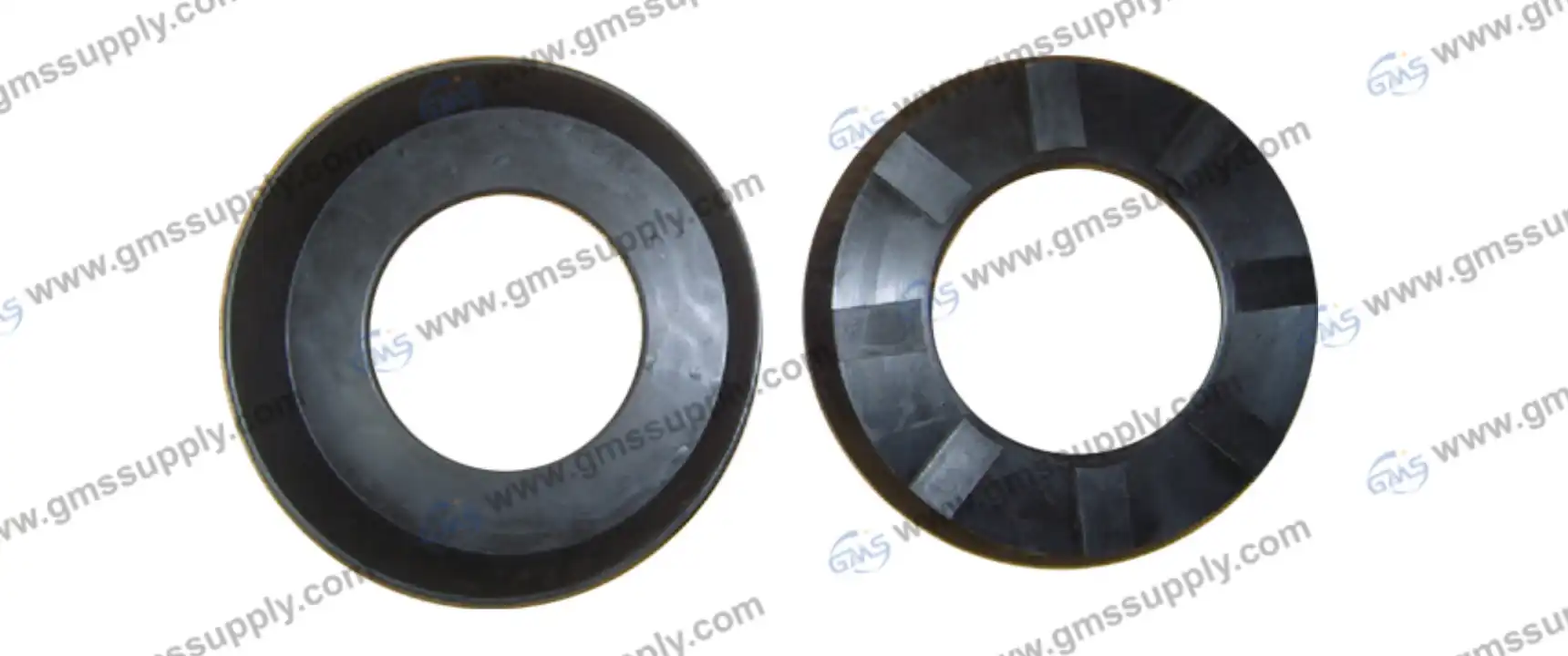
The 30118959 Shield Bearing stands out as an important part when sourcing managers in the oil and gas drilling business look for solid parts to keep top drive systems running. This special bearing shield was made to work with NOV Varco TDS-11SA top drive systems. It lowers friction and supports both axial and rotational loads in rough, high-pressure drilling conditions. Industrial buyers can make confident purchases that protect operating stability and keep upkeep costs low by learning about the product's features, how it's used, and where to get it.

Understanding Shield Bearings in Top Drive Systems
Shield bearings are a type of rolling element bearing that are designed to balance efficiency and safety. Shield bearings use metal covers to protect against outside contaminants while still letting some air flow through. This is different from fully sealed bearings, which keep oil in forever. This design works especially well in drills, where the equipment has to deal with a lot of pressure and temperature changes.
As part of the TDS-11 top drive system, the 30118959 Shield Bearing handles mechanical stress during rotary drilling tasks. It is made up of parts made of hardened steel that were carefully cut to very tight tolerances to make sure they fit correctly with fitting surfaces. The shield shape keeps drilling mud, metal shavings, and rough dust from getting into the bearing track, but it still keeps enough oil in the bearing. This barrier keeps things safe for longer between services and cuts down on the number of unplanned repair visits.
Choosing the right material is very important for how well a bearing works. Heat treatments are used on high-grade metal steels to make the surface harder and make them less likely to wear down over time. The shield itself usually has a clearance-fit design instead of a contact seal. This reduces friction losses while still providing strong protection against contamination. This technical balance makes it possible for the bearing to work well under the constant spinning loads that are common in drills.
Design Features That Matter to Procurement Teams
When looking at bearing specs, a number of technical factors have a direct effect on how reliable they are and how much they cost to own. In the real world, drilling can be hard, but the 30118959 Shield Bearing has features that make it easier to do.
The load ability is the most important thing to think about. This bearing can handle both rotational forces caused by torque transfer and axial thrust loads that happen when the weight on the bit is adjusted. These forces are spread out over many contact points by the internal structure. This keeps stress from building up in one place, which could cause early wear or catastrophic failure.
Dimensional accuracy makes sure that the parts of the top drive unit fit together correctly. ISO standards for manufacturing limits make sure that the bearing fits correctly in its case and matches up properly with the shaft sides. Misalignment problems caused by a bad fit can speed up wear patterns and lower the efficiency of drills.
Corrosion protection makes parts last longer in harsh settings. Treatments on the surface and the makeup of the material help it stand up to rust and chemical attack from drilling fluids. This longevity is very important for drilling sites that are out at sea, where the salty air makes environmental problems worse.
The shield design itself is interesting. The 30118959 Shield Bearing has a space between the shield and the inner ring that lets oil flow while stopping bigger dirt bits. This semi-open design keeps things cleaner than fully open bearings while avoiding the friction problems that come with contact seals.
Critical Applications in Oil and Gas Drilling Operations
Advanced drilling technology like the TDS-11SA top drive system is used all over the world for both onshore and offshore activities. The 30118959 Shield Bearing is an important part of this system and does a number of important jobs that directly affect drilling performance measures.
During rotary drilling, the bearing supports the mechanical loads that are sent through the drive train while the shaft keeps turning at high speeds. Dynamic loading conditions are made when the power demand changes, like when digging through different types of rock. Because the bearing can handle these changes without breaking down, costly downtime is avoided, and drilling work is kept up.
When the weight on the bit is changed, radial pushing forces are created that the bearing has to take in. As the drilling teams change the downward force to get the best entry rates, the bearing provides stable axial support that keeps the system aligned. This steadiness is very important for directional drilling, where accurate wellbore tracking depends on having precise control over the angle of the drill string.
Another important role is managing vibrations. A lot of mechanical vibration is caused by drilling, including vibrations from the bit interacting with the rock and motor imbalance. The structure and positioning arrangement of the bearing help to dampen these movements, which protects the sensitive parts and instruments inside the top drive unit.
Extreme temperatures make it hard for bearings to work well in both Arctic and desert digging conditions. The 30118959 Shield Bearing keeps its shape and material properties even at very low and very high temperatures. This means that it works the same way whether it's below zero or at high temperatures caused by friction and outdoor heat.
Procurement and Supply Chain Considerations
Finding important parts like shield bearings needs careful planning that strikes a balance between quick supply and long-term source dependability. When making buying plans, industrial buyers need to think about a few important things.
Managing lead time has a direct effect on planning operations. Drilling delays that cost managers tens of thousands of dollars every day can be avoided by having the parts they need on hand when they're needed. The 30118959 Shield Bearing (P/N: 11S00093) is always in stock at GMS, and we can send it in as little as two weeks. This makes it possible for maintenance planners to book proactive repairs during planned maintenance times instead of having to wait until something breaks down out of the blue.
Standards for quality guarantee give buyers trust. Getting ISO 9001 approval shows that you handle quality in a planned way throughout the whole manufacturing process. This approval shows that the limits for production, the rules for inspections, and the ways of keeping records are up to foreign standards. When getting parts for safety-critical systems like top drive systems, you have to make sure the quality is checked.
Drop-in replacement is possible because of technical similarity. NOV Varco TDS-11SA systems can use the 30118959 Shield Bearing because it meets their size and performance needs. Buyers don't have to deal with the technical risks and approval costs that come with fitting non-standard parts to their equipment.
Total lifespan costs are part of cost systems, not just the unit price. The price of the item is important, but buyers get more value by looking at the cost per working hour. A bearing that costs a little more at first but lasts longer and needs less care often gives better economic performance. We work with buying teams to understand these bigger cost factors and show value through data on dependability and customer references.
As global transportation continues to face problems, supply chain robustness has become more important. One point of failure can be avoided by building relationships with multiple qualified providers and keeping smart product gaps. Together with our distribution partners and the ability to make things in China, we can keep up with deliveries even when traffic is interrupted.
Installation and Maintenance Best Practices
Proper installation techniques maximize bearing performance and prevent premature failure. Even high-quality components underperform when installation procedures introduce contamination or misalignment.
Pre-installation inspection should verify that bearing surfaces remain clean and undamaged. Any nicks, burrs, or contamination on bearing raceways or shields will accelerate wear once the component enters service. Visual examination under adequate lighting catches potential issues before assembly.
Handling practices protect precision surfaces. Bearings should remain in the original packaging until installation to prevent contamination exposure. Technicians should wear clean gloves and avoid touching bearing surfaces directly. Dropping or striking bearings can create subsurface damage that manifests as premature failure after installation.
Mounting procedures must prevent distortion or uneven loading. Using proper tools designed for bearing installation distributes assembly forces correctly. Applying force directly to shields or rolling elements can cause permanent damage. Following the equipment manufacturer's torque specifications when tightening retaining hardware ensures proper preload without overconstraint.
Lubrication management extends bearing service life significantly. While shield bearings come pre-lubricated, verifying adequate lubricant presence before installation prevents dry-start conditions. Operating conditions may require supplemental lubrication according to maintenance schedules. Using lubricants compatible with bearing materials and drilling environment conditions maintains optimal performance.
Routine monitoring detects developing issues before they escalate. Vibration analysis during regular maintenance intervals can identify bearing degradation patterns. Temperature monitoring using infrared thermography spots abnormal heat generation, indicating insufficient lubrication or bearing damage. Implementing condition-based maintenance programs optimizes component replacement timing.
Environmental factors influence maintenance frequency. Operations in particularly dusty or contaminated environments (e.g., 30118959 Shield Bearing) may require more frequent inspection intervals. Understanding how specific drilling conditions affect component wear rates allows maintenance teams to tailor service schedules appropriately.
Conclusion
The 30118959 Shield Bearing delivers essential performance for top drive drilling systems operating in demanding oil and gas environments. Its specialized design balances contamination protection with low-friction operation, supporting both radial and axial loads throughout extended service cycles. Procurement teams benefit from understanding how design features translate to operational reliability, enabling informed sourcing decisions that protect uptime. Strategic supplier relationships with quality-certified manufacturers ensure component availability and technical support when operations demand it. Proper installation and maintenance practices maximize the return on component investment while minimizing unplanned downtime.
FAQ
1. What distinguishes shield bearings from sealed bearing designs?
Shield bearings employ metal shields with small clearances that block most contaminants while allowing some air exchange. Sealed bearings use contact or non-contact seals that completely enclose lubricant. Shield designs typically generate less friction and operate at higher speeds but require more attention to environmental contamination levels. The 30118959 Shield Bearing's design suits top drive applications where rotational efficiency matters and regular maintenance protocols manage environmental exposure.
2. How do I verify bearing quality when evaluating suppliers?
Request documentation of quality certifications like ISO 9001, which demonstrates systematic manufacturing controls. Ask for material certifications showing steel grades and heat treatment specifications. Dimensional inspection reports verify manufacturing precision. References from customers operating similar equipment provide real-world performance validation. Quality suppliers willingly provide this documentation and technical support during the procurement evaluation process.
3. What cost advantages come with establishing long-term supplier relationships?
Beyond potential volume pricing, established relationships enable better inventory planning and priority allocation during supply constraints. Technical support improves as suppliers understand your specific applications. Streamlined ordering processes reduce procurement administrative costs. Predictable lead times support more efficient maintenance scheduling, reducing expediting expenses and operational disruptions.
Partner With GMS for Your Shield Bearing Supply Needs
GMS brings over a decade of specialized experience as a shield-bearing supplier serving the oil and gas drilling industry. Our ISO 9001 certified manufacturing ensures that the 30118959 Shield Bearing (P/N: 11S00093) meets rigorous quality standards required for TDS-11SA top drive systems. We understand that drilling operations cannot afford component failures or supply delays, which drives our commitment to maintaining ready inventory and delivering within two-week timelines. Our technical team provides application support to help you specify the right components and optimize maintenance strategies. Competitive pricing combined with reliable performance gives procurement teams the value equation they need to justify sourcing decisions. Contact our team at sales@gmssupply.com to discuss your specific bearing requirements, request detailed technical specifications, or obtain quotations for current and upcoming projects. We stand ready to support your operations with the responsive service and quality components that keep drilling programs on schedule.
References
1. American Petroleum Institute. (2021). Recommended Practices for Top Drive Systems in Drilling Operations. API Publishing Services.
2. Harris, T.A. & Kotzalas, M.N. (2020). Advanced Concepts of Bearing Technology: Rolling Bearing Analysis (6th ed.). CRC Press.
3. ISO Technical Committee 4. (2019). ISO 15:2017 - Rolling Bearings - Radial Bearings - Boundary Dimensions. International Organization for Standardization.
4. Machinery Lubrication Magazine. (2022). Bearing Lubrication in Harsh Drilling Environments: Best Practices for Extended Service Life. Noria Corporation.
5. National Oilwell Varco. (2020). TDS-11SA Top Drive System Technical Manual and Maintenance Guidelines. NOV Technical Publications.
6. Society of Tribologists and Lubrication Engineers. (2023). Shield Bearing Design and Application in High-Load Industrial Systems. STLE Educational Resources.
Learn about our latest products and discounts through SMS or email