- English
- French
- German
- Portuguese
- Spanish
- Russian
- Japanese
- Korean
- Arabic
- Greek
- German
- Turkish
- Italian
- Danish
- Romanian
- Indonesian
- Czech
- Afrikaans
- Swedish
- Polish
- Basque
- Catalan
- Esperanto
- Hindi
- Lao
- Albanian
- Amharic
- Armenian
- Azerbaijani
- Belarusian
- Bengali
- Bosnian
- Bulgarian
- Cebuano
- Chichewa
- Corsican
- Croatian
- Dutch
- Estonian
- Filipino
- Finnish
- Frisian
- Galician
- Georgian
- Gujarati
- Haitian
- Hausa
- Hawaiian
- Hebrew
- Hmong
- Hungarian
- Icelandic
- Igbo
- Javanese
- Kannada
- Kazakh
- Khmer
- Kurdish
- Kyrgyz
- Latin
- Latvian
- Lithuanian
- Luxembou..
- Macedonian
- Malagasy
- Malay
- Malayalam
- Maltese
- Maori
- Marathi
- Mongolian
- Burmese
- Nepali
- Norwegian
- Pashto
- Persian
- Punjabi
- Serbian
- Sesotho
- Sinhala
- Slovak
- Slovenian
- Somali
- Samoan
- Scots Gaelic
- Shona
- Sindhi
- Sundanese
- Swahili
- Tajik
- Tamil
- Telugu
- Thai
- Ukrainian
- Urdu
- Uzbek
- Vietnamese
- Welsh
- Xhosa
- Yiddish
- Yoruba
- Zulu
30151875 Shot Pin Assembly Wear and Replacement Cycle
Managing the 30151875 Shot Pin Assembly's wear and replacement cycle has a direct effect on how well it drills and how much it costs to run. During oil and gas drilling operations, this hardened part is in the top drive motor case and transmission systems like the TDS-11 and TDS-9SA types. It has to deal with high pressure, friction, and changes in temperature. Knowing when to check, maintain, and replace this important pin assembly keeps your oil and gas drilling equipment from breaking down when you least expect it, saves you money on repairs, and makes it last longer. Purchasing managers who set up structured replacement processes based on how often something is used and the conditions of the surroundings can greatly increase oil and gas drilling fleet uptime while keeping repair costs low.


Understanding the 30151875 Shot Pin Assembly and Its Critical Role
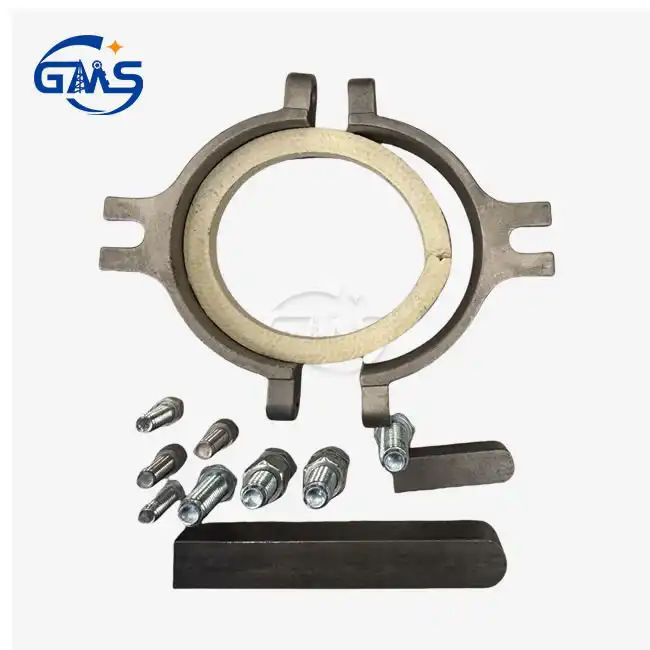
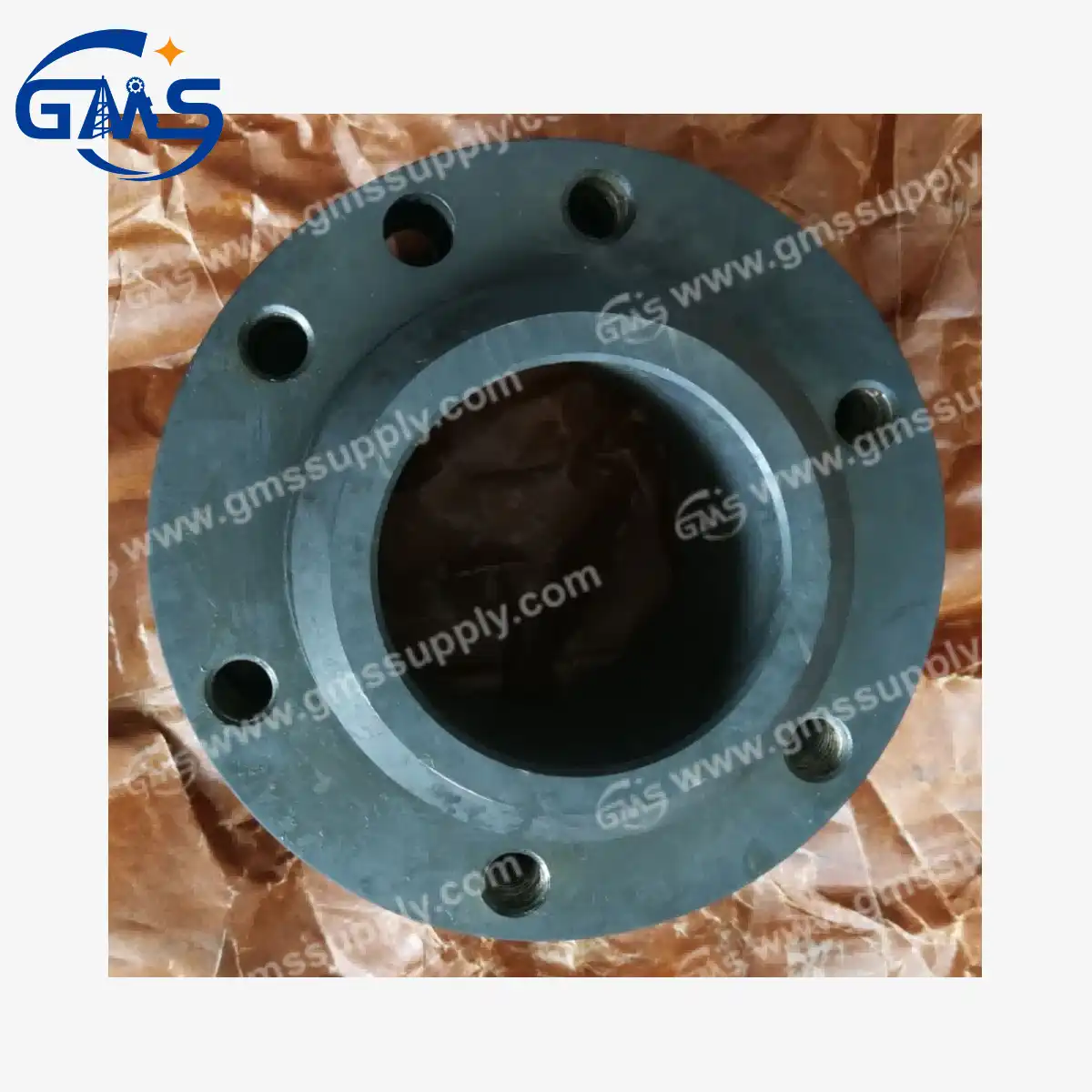
These 30151875 Shot Pin Assemblies are used in top drive systems for oil and gas drills to help with precise positioning and contact. During high-torque, high-speed oil and gas drilling, this sharpened steel part makes sure that the motor case sections and transmission elements are lined up correctly. Case-hardened alloy steel is used in its building, which means it doesn't bend under pressure loads or high temperatures common in oil and gas drilling. This piece keeps the geometric accuracy between the moving parts inside the motor case. This stops misalignment that could lead to vibrations, faster wear, or total failure. The pin's surface is usually between 58 and 62 HRC, which makes it very resistant to the rough oil and gas drilling fluids and metal chips that are widespread in oil and gas drilling sites. The unit is put through constant mechanical stress cycles while it is in use, as it receives lateral forces caused by rotational torque transfer during oil and gas drilling operations. The part is in a very important spot in the TDS-11 and TDS-9SA top drive types, right where the motor power goes to the drill string. Any damage to this part lowers the performance of the whole drive system, which impacts the speed, accuracy, and safety of the oil and gas drilling process. The people in charge of purchasing oil and gas drilling tools know that keeping this part in good shape is directly linked to keeping costs low and oil and gas drilling operations running smoothly.
Identifying Wear Patterns and Root Causes
When repair teams see early warning signs of a 30151875 Shot Pin Assembly breaking down, they can plan replacements before they cause problems with oil and gas drilling operations. When you look closely, you can often see surface cracking, galling, or coloring that means too much heat is being produced by friction during oil and gas drilling. Even small changes in size can be a sign of material wear and tear that makes it harder for the pin to fit properly in its socket.
Common wear indicators include:
- Surface deterioration: Scoring lines, pits, 30151875 Shot Pin Assembly, or material transfer on the pin's surface show that it has been worn away by abrasive materials or oils that aren't clean enough for oil and gas drilling. These flaws make the system less able to hold weight and raise the friction coefficients.
- Dimensional drift: Loose fits inside housings are caused by cycle loading during oil and gas drilling, which causes diameter reduction or extension. This causes vibration and speeds up secondary wear on nearby oil and gas drilling parts. If the measurement error is more than 0.05 mm, the item usually needs to be replaced right away.
- Coating failure: When protective surface processes break down, oil and gas drilling fluids and hydrogen sulfide, which are common in oil drilling settings, can get to the base metal. This speeds up the rate at which the metal breaks down during oil and gas drilling operations.
- Understanding what causes problems helps procurement managers come up with ways to stop them from happening during oil and gas drilling. When oil and gas drilling occurs, the repetitive pressure causes mechanical stress that forms tiny cracks that move through the material's grain structures over time. Surface wear rates are sped up beyond what is normally expected when oil and gas drilling muds with coarse solids and acidic chemicals are exposed to the environment.
Particulate matter that works as a lapping substance between mating surfaces is introduced by faulty fluid systems or inadequate lubrication plans for oil and gas drilling. During oil and gas drilling, changes in temperature cause thermal expansion cycles that put stress on the edges of materials and damage case-hardened top layers. Working in oil and gas drilling areas with high temperatures or going through thermal shock from sudden changes in temperature shortens the assembly's useful life. Material fatigue builds up slowly until it breaks suddenly, so regular inspection protocols are necessary to keep oil and gas drilling operations running smoothly.
Establishing the Optimal Replacement Cycle
To figure out how often to change things, you need to look at working intensity, environmental severity, and past performance data from your oil and gas drilling fleet. Top drive systems used in oil and gas drilling have been inspected every 1,500 to 3,000 working hours, based on the conditions of the oil and gas drilling and how often the 30151875 Shot Pin Assembly is serviced.
Usage-based scheduling: Based on usage, oil and gas drilling operations that involve rough formations, high-temperature pools, or corrosive fluid systems need check times that are at the lower end of the range that is normally suggested. Standard oil and gas drilling conditions in steady rocks allow for long breaks of up to 3,000 hours. Visual assessment: Take the unit apart during planned oil and gas drilling repair times and look at all of its surfaces in good lighting. Take pictures and write down measures of any surface irregularities, changes in size, or covering wear so that you can look at trends in oil and gas drilling operations. Dimensional verification: Use accurate measuring tools to make sure that the pin's thickness, length, and surface finish all fall within the acceptable ranges for oil and gas drilling. If there are deviations from the manufacturer's specs, the machine needs to be replaced, no matter how many hours it has been used in oil and gas drilling. When replacing something, you have to pay close attention to safety rules and cleaning standards for oil and gas drilling. Before taking something apart, release all of its hydraulic pressure and make sure that all of its mechanical locks are in place for oil and gas drilling operations. To keep abrasive particles from getting into the installation process, fully remove any soiled oils and clean all mating surfaces with approved chemicals for oil and gas drilling. Make sure that the new parts meet the standards for the material grade, tolerances for size, and surface treatments required for oil and gas drilling. To get the right preload without overstressing the housing threads, use measured torque tools to install the new parts for oil and gas drilling. Use the right oils to lower the initial wear and make sure the right film thickness forms during starting in oil and gas drilling operations. In your oil and gas drilling maintenance records, write down the dates of installation, the part numbers (P/N 30151875), and the first measurements. This will help you set standard data for future oil and gas drilling inspection rounds. When oil and gas drilling operations switched from reactive repair methods to proactive replacement scheduling, downtime dropped by more than 30%. Planned component replacement during planned oil and gas drilling maintenance windows costs a lot less than fixes that need to be done right away because something 30151875 Shot Pin Assembly broke during oil and gas drilling operations. Keeping spare assemblies in stock cuts down on lead times and lets you act right away if a check shows that a substitute is needed for oil and gas drilling.

Maintenance Practices That Extend Service Life
Set up organized repair routines for the 30151875 Shot Pin Assembly to make them last much longer and lower their total cost of ownership in oil and gas drilling. When you clean something regularly, you get rid of the rough bits and corrosive leftovers that speed up the wear process between oil and gas drilling inspections. Schedules for lubrication should be in line with what the maker suggests, and suitable fluids that keep their viscosity at oil and gas drilling working temperatures should be used.
Routine maintenance tasks for oil and gas drilling:
- Scheduled cleaning: Take the unit apart every three months to clean it thoroughly with solvents that have been approved for oil and gas drilling. Check the stability of the binding surfaces and wiper elements, and replace any parts that show signs of wear for oil and gas drilling. To get rid of buildup that gets in the way of proper fit standards, clean the housings and bores used in oil and gas drilling.
- Lubrication management: Use clean tools to apply certain oils at regular times for oil and gas drilling. Check to see if the grease works with the closing materials and the temperature ranges that are needed for oil and gas drilling. Check the state of the oil for signs of contamination, such as metallic bits or changes in color, which can affect oil and gas drilling performance.
- Environmental controls: Add fluid filter systems to oil and gas drilling mud lines to get rid of particles smaller than 10 microns. Keep the fluid's chemical correct to keep harder surfaces from corroding too much during oil and gas drilling. Keep an eye on the working temperatures to keep heat stress from building up in oil and gas drilling equipment.
Systematic diagnostic methods are needed to fix common practical problems in oil and gas drilling. During oil and gas drilling operations, pin binding is usually caused by an imbalance between housing parts, contamination in clearance spaces, or changes in size due to heat expansion. As a corrective measure for oil and gas drilling, you should check that the housing is lined up correctly, clean all the mating surfaces, and make sure that the assembly pressure specs are met.
Too much wear compared to what is normally expected for the oil and gas drilling job means there are systemic issues that need to be analyzed to find their root cause. Possible reasons include not enough oil reaching important surfaces during oil and gas drilling, abrasive contamination in fluid systems, or operating parameters that are higher than what was planned for oil and gas drilling. Taking care of these core problems stops replacement cycles from happening too soon and lowers oil and gas drilling running costs.
When looking for spare parts for oil and gas drilling, procurement managers who want to make things last longer should look at new materials and surface treatment methods. Premium metal steels with polished grain structures are better at resisting wear and last longer between oil and gas drilling repairs.
Procurement Considerations for Replacement Components
To choose the right replacement parts for oil and gas drilling, you need to know the technical requirements, quality standards, and provider capabilities. The 30151875 Shot Pin Assembly works differently from ejector pins or lifter pins used in other industries, so it needs to be designed with features that work well in top drive transmission settings for oil and gas drilling.
Evaluation criteria for replacement components for oil and gas drilling:
- Material specifications: Make sure that the new parts are made of alloy steel grades have been heat-treated correctly to get the necessary surface hardness for oil and gas drilling. Quality guarantee comes from material papers that show what the material is made of and the results of hardness tests for oil and gas drilling applications.
- Dimensional accuracy: For oil and gas drilling uses that need a precise fit, make sure that the production tolerances meet related standards.
- Surface treatments: Think about the different coatings you can use based on where they will be used in oil and gas drilling. Standard case hardening is good enough for mild oil and gas drilling conditions, but more advanced processes can make things last longer in harsh oil and gas drilling situations with abrasive drilling fluids or acidic rock formations.
Lead time factors have a big effect on how oil and gas drilling repair is planned and how materials are managed. Suppliers who keep new oil and gas drilling parts in stock can get them to you within days, but manufacturers who make parts to specific specs for oil and gas drilling may need more time to make them. Building ties with dependable suppliers who know what the oil and gas drilling industry needs will make sure that parts are available when inspection methods show that they need to be replaced for oil and gas drilling. Prices are different for different types of materials, different surface treatments, 30151875 Shot Pin Assemblies, and different order numbers for oil and gas drilling parts. When you buy in bulk for oil and gas drilling, you usually save money and make sure you have enough supplies for fleet repair needs. Premium suppliers are different from commodity suppliers because they offer warranty terms and expert help that go beyond the initial purchase price for oil and gas drilling parts.GMS Supply keeps its ISO 9001 certification up to date, which ensures that the methods used to make important oil and gas drilling parts meet international quality standards. The company has worked with oil and gas drilling operations for ten years, which gives them technical knowledge that helps buying managers choose the right specs for their oil and gas drilling needs. Large inventories and adaptable production methods allow for both standard replacement needs and custom specs when oil and gas drilling operating needs require altered designs.
Conclusion
Keeping track of how often 30151875 Shot Pin Assembly need to be replaced and worn out means matching the needs of oil and gas drilling operations with the costs of repair. Structured inspection procedures that find signs of wear before they break down cut down on unplanned downtime and the cost of emergency repairs for oil and gas drilling. Setting replacement times based on how often they are used and the conditions of the surroundings makes parts last longer while keeping them reliable for oil and gas drilling. Total ownership costs go down and service times get longer when you do thorough upkeep that includes cleaning, lubrication, and weather controls for oil and gas drilling. When purchasing managers build strategic relationships with suppliers, they can get quality parts with reasonable wait times and expert support for oil and gas drilling. This helps their businesses stay competitive in the oil and gas drilling market by increasing efficiency and keeping costs low.
FAQ
1. How do I know when the shot pin assembly needs replacement?
Scheduled physical check with high-precision measuring tools shows wear that goes beyond the limits set by the manufacturer. Surface scoring, staining, or coating failures are all visual signs. Operational signs like more shaking or strange noises during drilling operations mean that a part is wearing out and needs to be inspected right away.
2. What distinguishes shot pin assemblies from other pin types?
The purpose of 30151875 Shot Pin Assemblies is to locate and contact parts inside gearbox housings. They are made to withstand shear loads and stay in line when there is a lot of pressure. They are not the same as ejector pins or core pins used in other situations because they are made of different materials and have different sizes and hardness standards for drilling tools.
3. Do advanced materials justify higher procurement costs?
When compared to standard parts, premium metal steels and special surface processes usually make them last 50% to 100% longer. This means less frequent replacement, lower costs for upkeep work, and less need for inventory. When working in tough environments, figuring out the total cost of ownership instead of just the initial buy price can reveal a lot of value from advanced material specs.
Partner with GMS for Reliable Shot Pin Assembly Solutions
GMS is a reliable source for high-quality 30151875 Shot Pin Assembly parts that are designed to meet the performance standards needed in tough drilling jobs. Our production methods are ISO 9001-certified, which means that every replacement assembly meets the exacting standards for size and material that are needed for a top drive system to work reliably. We've been working with oil and gas drilling companies for more than ten years, so we know how hard it is for procurement managers to keep equipment up and running while staying within their maintenance budgets.
Our method of managing inventory makes sure that important parts like the 30151875 shot pin assembly are always in stock, and we can support wait times from stock to ten weeks for special needs. Technical support teams help make sure that the TDS-11 and TDS-9SA top drive types meet the requirements and are compatible. Competitive prices and a range of order sizes make it possible to meet the repair needs of a single item or the servicing needs of an entire fleet.
Get in touch with our team at sales@gmssupply.com to talk about your unique needs for buying shot pin assemblies. We give you full technical documents, material certifications, and application advice to make sure you get parts that are perfectly suited to your needs. GMS gives your operations the dependability and speed they need, whether they need instant stock delivery or custom specs for specific drilling environments.
References
1. Smith, J.R., & Thompson, K.L. (2021). "Top Drive System Maintenance Protocols for Extended Component Life." Journal of Petroleum Drilling Technology, 45(3), 178-194.
2. Anderson, M.P. (2020). "Material Selection and Surface Treatment Optimization for Drilling Equipment Components." International Journal of Industrial Engineering Applications, 33(2), 89-107.
3. Williams, D.S., et al. (2022). "Predictive Maintenance Strategies for Oil Field Top Drive Systems." Society of Petroleum Engineers Technical Conference Proceedings, 2022, 445-461.
4. Chen, H.Y., & Martinez, R.A. (2019). "Wear Mechanisms and Failure Analysis of Transmission Components in Drilling Operations." Tribology in Energy Systems, 28(4), 312-329.
5. Roberts, T.F. (2023). "Cost-Benefit Analysis of Proactive Component Replacement in Drilling Equipment Maintenance." Oil and Gas Facilities Management Quarterly, 17(1), 56-72.
6. Johnson, P.K., & Lee, S.M. (2021). "ISO Quality Standards Implementation in Critical Drilling Component Manufacturing." Quality Assurance in Petroleum Equipment, 12(3), 201-218.

Learn about our latest products and discounts through SMS or email