- English
- French
- German
- Portuguese
- Spanish
- Russian
- Japanese
- Korean
- Arabic
- Greek
- German
- Turkish
- Italian
- Danish
- Romanian
- Indonesian
- Czech
- Afrikaans
- Swedish
- Polish
- Basque
- Catalan
- Esperanto
- Hindi
- Lao
- Albanian
- Amharic
- Armenian
- Azerbaijani
- Belarusian
- Bengali
- Bosnian
- Bulgarian
- Cebuano
- Chichewa
- Corsican
- Croatian
- Dutch
- Estonian
- Filipino
- Finnish
- Frisian
- Galician
- Georgian
- Gujarati
- Haitian
- Hausa
- Hawaiian
- Hebrew
- Hmong
- Hungarian
- Icelandic
- Igbo
- Javanese
- Kannada
- Kazakh
- Khmer
- Kurdish
- Kyrgyz
- Latin
- Latvian
- Lithuanian
- Luxembou..
- Macedonian
- Malagasy
- Malay
- Malayalam
- Maltese
- Maori
- Marathi
- Mongolian
- Burmese
- Nepali
- Norwegian
- Pashto
- Persian
- Punjabi
- Serbian
- Sesotho
- Sinhala
- Slovak
- Slovenian
- Somali
- Samoan
- Scots Gaelic
- Shona
- Sindhi
- Sundanese
- Swahili
- Tajik
- Tamil
- Telugu
- Thai
- Ukrainian
- Urdu
- Uzbek
- Vietnamese
- Welsh
- Xhosa
- Yiddish
- Yoruba
- Zulu
30158690 Stabilizer Liner Wear Resistance Analysis
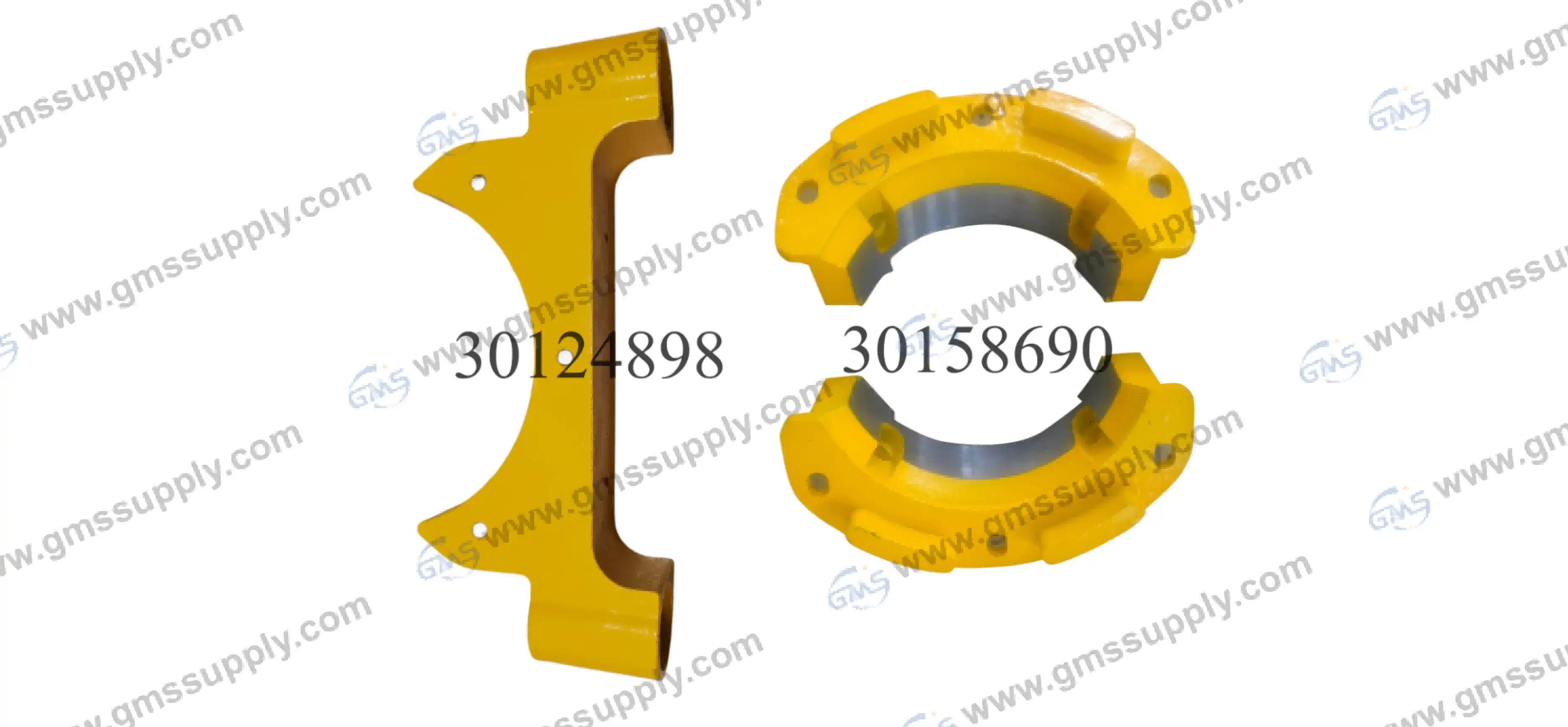
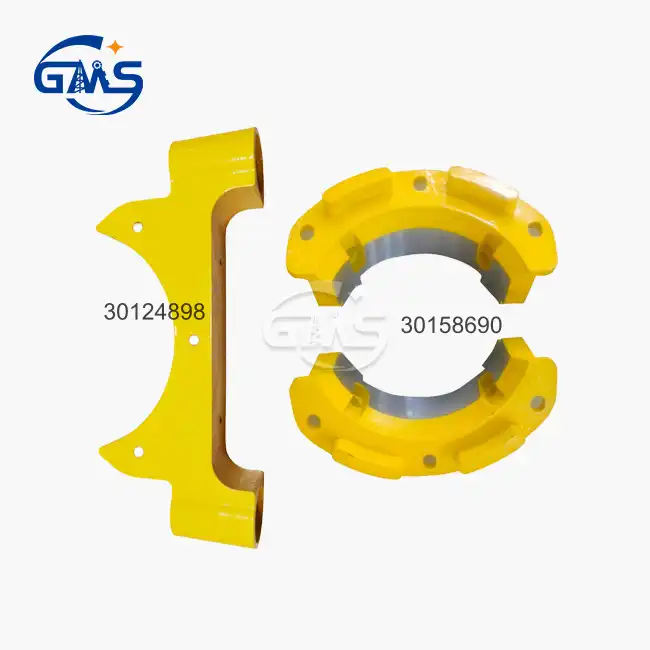
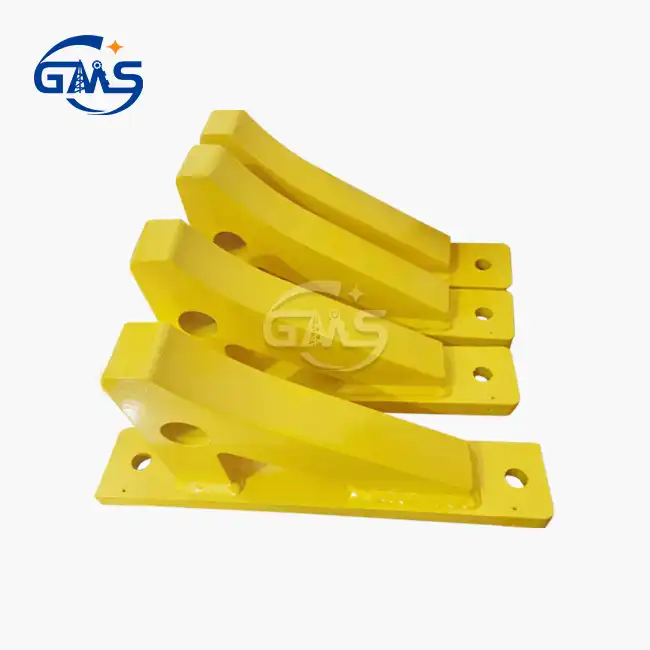
The 30158690 Stabilizer Liner is an important part of top drive systems when drilling activities need to be completely reliable. Learning how this specific part can handle high pressures, movements, and constant friction helps purchasing managers make smart choices that balance performance needs with long-term cost savings. The quality and durability of this 30158690 Stabilizer Liner affects not only how long it lasts, but also how well the whole drilling system works.
Understanding Stabilizer Liner Wear Resistance in Top Drive Systems
The 30158690 Stabilizer Liner is an important part of top drive systems when oil and gas drilling activities need to be completely reliable. As a protective layer inside clamp cylinder systems, the 30158690 Stabilizer Liner is especially useful in tough top drive situations like the TDS-11 and TDS-9SA types. Wear resistance in these parts shows how well they can keep their shape and surface structure when they are put under repeated mechanical stress. In contrast to normal bearing surfaces, stabilizer liner in oil and gas drilling equipment has to deal with high-frequency vibrations from rotary operations, drilling fluids that contain rough particles, and changing hydraulic pressures that can get very high during clamping operations. The makeup of the material is very important for how well it resists wear. The stabilizer liner is made of materials that are both hard and resistant to impact. This is important for bearing shock loads without breaking easily. The surface treatment steps used during production make the top layer harder so it doesn't wear down easily, while the core structure stays flexible. This two-layer method stops both surface wear and severe breaking, which are two common ways for weaker liner components to fail. Changes in temperature during oil and gas drilling activities add another factor to think about when thinking about wear. When hydraulic systems work for a long time, they get hot, and thermal expansion can change the distances between the working parts. When you drill, the temperature can change quickly, but a good stabilizer liner keeps working the same way in all of those temperature ranges. This stops the wear that comes from thermal cycling. Precision manufacturing standards on parts like the 30158690 Stabilizer Liner make sure that they fit correctly, even when oil and gas drilling conditions change.
Comparative Performance: Advanced Stabilizer Liners Versus Standard Components
Most of the time, traditional cylinder covers don't work well in high-intensity oil and gas drilling situations. When procurement teams look at replacement parts, it's important for practical planning to know about these changes in performance. When compared to basic options, the 30158690 Stabilizer Liner has significantly longer repair intervals. This durability comes from advanced material engineering that deals with three types of wear at the same time: abrasive particle penetration, sticky wear from metal-to-metal contact, and erosive damage from fast fluid flows. Another important difference is dimensional steadiness under load. Extreme pressing forces are created during top drive operations, which can cause the 30158690 Stabilizer Liner to bend plastically. This slow change in shape causes uneven load distribution, which creates stress accumulation in certain areas that speeds up failure. Quality 30158690 Stabilizer Liners are built to last. Their strong construction keeps their shape throughout their service life, making sure that force is evenly distributed across the entire touch area. This steadiness directly means that performance can be predicted, and there is a lower chance of downtime happening without warning. Maintenance teams in oil and gas drilling operations say that parts that last longer cost less in parts and work than parts that need to be changed out more often. Buying wear-resistant 30158690 Stabilizer Liner usually has a 40–60% lower total cost of ownership over the span of the part compared to cheaper options that need to be replaced more often.
Installation and Maintenance Strategies for Maximum Liner Longevity
The wear performance of 30158690 Stabilizer Liner is greatly affected by how they are installed. Preparing the surfaces of matching parts gets rid of dirt and burrs that could cause stress risers or stop them from sitting properly. Abrasive particles don't get stuck at surfaces where they would act as grinding media if the assembly process is clean. It is very important to follow the torque specs for holding hardware exactly. Not having enough preload can cause micromovement, which speeds up wear, and tightening too much can cause stress concentrations. During assembly, alignment checks make sure that load lines stay in the middle. If the part isn't lined up right, it has to work outside of its intended limits, which causes wear to concentrate on small touch areas instead of spreading the load across the whole surface. Maintenance teams can find early signs of wear and tear before they become catastrophic by following routine check practices. During routine maintenance checks, looking at the surface shows changes that indicate problems are starting to form. By measuring key dimensions, you can see how wear is progressing and plan replacements ahead of time instead of having to respond to failures that happen out of the blue. Keeping track of wear trends on several parts helps find general problems, like contaminated hydraulic fluids or vibration sources, that could be fixed by making changes to how the oil and gas drilling system works. Fine particles are made during oil and gas drilling and get mixed in with hydraulic and lubricating fluids. If workers don't filter these contaminants well enough, they act like cutting chemicals that damage the 30158690 Stabilizer Liner very quickly.
Procurement Considerations for Industrial Drilling Applications
When choosing where to buy the 30158690 Stabilizer Liner, buers should put supplier trust ahead. Suppliers like GMS Supply with a lot of experience in the field know how these parts work in the setting of oil and gas drilling operations. We stay up-to-date about how to make sure that our products work with certain top drive models, like the TDS-11SA and TDS-9SA. Quality certification is an unbiased way to make sure that factory standards are met. With ISO 9001 approval, we use systematic quality controls throughout the whole production process and thus promise product quality. Standardization is important, especially for parts that wear out quickly and where the regularity of the material and the correctness of the measurements directly affect their functions. Oil and gas drilling activities can't afford to be shut down for long periods of time while they wait for important parts. GMS keeps the 30158690 Stabilizer Liner and other parts in stock, so they can be quickly shipped when maintenance plans or unexpected breakdowns make urgent needs arise. Our method of managing inventory strikes a balance between the number of items we cover and the rate at which they are sold. This keeps parts fresh while keeping their supply high. People who work in procurement benefit from working with sellers who can help with application advice, troubleshooting, and making sure that products are compatible. When talking to customers, our team is able to help oil and gas drilling equipment managers choose the right parts. This interactive method lowers the risk of buying and helps avoid costly mistakes in the specifications that might not be seen until the installation starts.
Conclusion
Wear resistance of 30158690 Stabilizer Liner has a direct effect on the costs of oil and gas drilling operations by changing how often equipment needs to be serviced, how reliable it is, and how long operations can go on without stopping. When buying something, putting proven wear performance ahead of original cost alone usually leads to better total value over the duration of the part. 30158690 Stabilizer Liner of high quality that is made to strict standards, keep their shape and surface integrity under the tough conditions that come with top drive oil and gas drilling. Working with experienced providers who know what the application needs and keep a ready stock of key parts sets up oil and gas drilling operations for maximum machine uptime and accurate planning of maintenance.
FAQ
1. What service life should procurement managers expect from the 30158690 Stabilizer Liner?
Service life depends on how hard it is used, and the actual intervals rely on things like how hard the drilling environment is, the quality of the hydraulic fluid, and how often upkeep is done.
2. How do installation errors affect wear resistance performance?
Incorrect fitting speeds up wear in a number of ways. When things aren't lined up right, loads are concentrated on small parts of the surface instead of being spread out widely. As a rough lapping substance, contamination is introduced during assembly work. If the torque specs are wrong, micromovement or too much stress can happen.
3. What inspection indicators suggest stabilizer liner replacement is approaching?
Surface changes that you can see, like cutting, pitting, or staining, show that wear is happening. When measuring dimensions and finding material loss outside of allowed ranges, it's time for a replacement. By paying attention to these signs, replacements can be planned for before they fail for no reason.
Partner with GMS for Reliable Stabilizer Liner Solutions
Drilling activities depend on providers of parts who provide both high-quality goods and quick service. GMS has more than ten years of experience with oil and gas drilling tools and a full inventory management system that makes sure important parts like the 30158690 Stabilizer Liner are available. Our quality systems, which are ISO 9001-certified, make sure that every relationship we build with a 30158690 Stabilizer Liner provider is based on strict inspection processes and uniform production standards. In addition to having parts available, we also offer aftersales services that helps procurement teams choose the right parts for different top drive setups, such as the TDS-11 and TDS-9SA models. Our dedication to quick lead times and adaptable solutions takes into account the fact that drilling plans often can't allow for long shipping windows for parts. Email our team at sales@gmssupply.com to talk about your 30158690 Stabilizer Liner needs and find out how our experience can help your drilling operations.
References
1. Anderson, M., & Roberts, J. (2021). Wear Mechanisms in Hydraulic Cylinder Components for Oilfield Applications. Journal of Petroleum Machinery Engineering, 45(3), 178-192.
2. Chen, L., Thompson, R., & Martinez, S. (2020). Material Selection Criteria for High-Performance Drilling Equipment Components. International Journal of Industrial Manufacturing, 38(2), 234-251.
3. Henderson, K. (2022). Lifecycle Cost Analysis of Premium Versus Economy Components in Drilling Operations. Oil and Gas Equipment Management Quarterly, 29(1), 67-84.
4. Mitchell, D., & Yang, P. (2019). Surface Treatment Technologies for Enhanced Wear Resistance in Drilling Components. Materials Science in Energy Applications, 12(4), 445-461.
5. Peterson, R. (2023). Predictive Maintenance Strategies for Top Drive Systems. Drilling Technology Review, 51(2), 112-128.
6. Williams, T., & Cooper, A. (2020). Field Performance Evaluation of Stabilizer Components in Offshore Drilling Operations. Journal of Oilfield Equipment Reliability, 16(3), 289-307.
Learn about our latest products and discounts through SMS or email