- English
- French
- German
- Portuguese
- Spanish
- Russian
- Japanese
- Korean
- Arabic
- Greek
- German
- Turkish
- Italian
- Danish
- Romanian
- Indonesian
- Czech
- Afrikaans
- Swedish
- Polish
- Basque
- Catalan
- Esperanto
- Hindi
- Lao
- Albanian
- Amharic
- Armenian
- Azerbaijani
- Belarusian
- Bengali
- Bosnian
- Bulgarian
- Cebuano
- Chichewa
- Corsican
- Croatian
- Dutch
- Estonian
- Filipino
- Finnish
- Frisian
- Galician
- Georgian
- Gujarati
- Haitian
- Hausa
- Hawaiian
- Hebrew
- Hmong
- Hungarian
- Icelandic
- Igbo
- Javanese
- Kannada
- Kazakh
- Khmer
- Kurdish
- Kyrgyz
- Latin
- Latvian
- Lithuanian
- Luxembou..
- Macedonian
- Malagasy
- Malay
- Malayalam
- Maltese
- Maori
- Marathi
- Mongolian
- Burmese
- Nepali
- Norwegian
- Pashto
- Persian
- Punjabi
- Serbian
- Sesotho
- Sinhala
- Slovak
- Slovenian
- Somali
- Samoan
- Scots Gaelic
- Shona
- Sindhi
- Sundanese
- Swahili
- Tajik
- Tamil
- Telugu
- Thai
- Ukrainian
- Urdu
- Uzbek
- Vietnamese
- Welsh
- Xhosa
- Yiddish
- Yoruba
- Zulu
683-14-0 Piston Buying Guide for Reliable Cylinder Performance
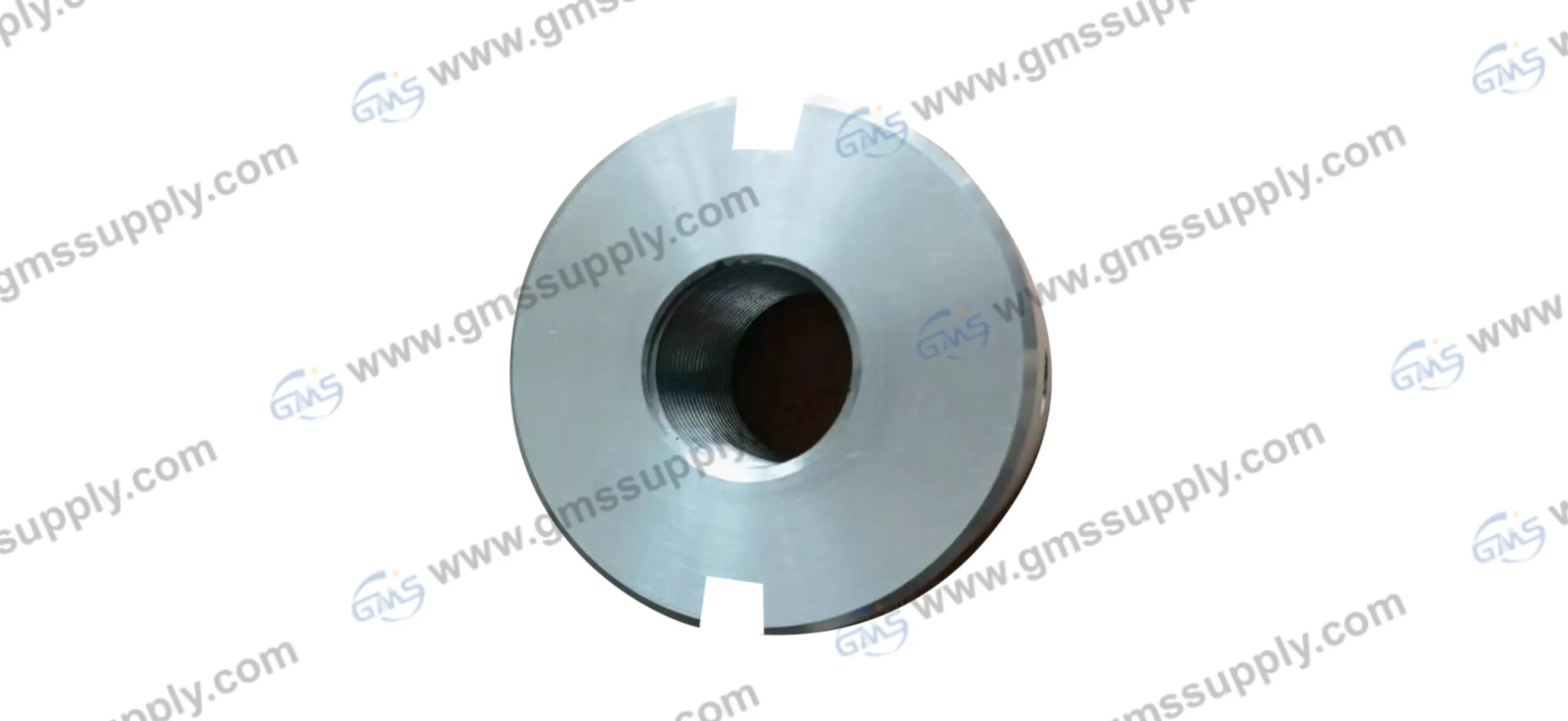
If you work in oil and gas drilling procurement, you already know that a single underperforming hydraulic component can bring an entire top drive operation to a halt. The 683-14-0 piston, cbal, cyl, 2.50 dia (GMS Part No. C80350384), is a precision hydraulic piston engineered for counterbalance cylinder assemblies in Canrig Top Drive models 8050 and 8035. This guide walks you through everything you need to know before purchasing-specifications, supplier evaluation, installation, and maintenance-so you can make a confident, informed sourcing decision that protects both uptime and budget.
What Is the 683-14-0 Piston and What Are Its Specifications?
The main moving part of the CBAL (counterbalance) cylinder system is the 683-14-0 piston. It splits the cylinder into its cap and rod ends, which changes the hydraulic pressure into a linear force that can be managed. In top drive drilling systems, this part keeps the load going easily and stops it from drifting out of control when pressure is put on it. This is very important for safety and performance on the rig floor.
When teams that buy things look for this part, these are the main specs they use:
- OEM Reference No.: 683-14-0
- GMS Part No.: C80350384
- Bore Diameter: 2.50 inches, machined to tight tolerances (typically ±0.001 in.) for correct seal groove fit
- Compatible Models: Canrig Top Drive 8050 and Canrig Top Drive 8035
- Application: TDS top drive system for oil and gas drilling
- Material: High-grade alloy steel with surface treatment to resist scoring
- Certifications: ISO 9001
- Lead Time: In stock, ships within 2 weeks
- Origin: China
Before you place an order, make sure you measure correctly. Use a bore gauge to make sure that the internal 683-14-0 piston, cbal, cyl, 2.50 dia of the cylinder bore is correct before you order new pistons. There is a very small chance that the seal will pop off or the internal escape will let air through.
Why the 2.50-Inch Diameter Matters for Cylinder Performance
It's not a guess that the hole is 2.50 inches wide. It tells the piston groove what kinds of seals it can take, like Poly-seal profiles or T-seals. It's impossible for the seal to maintain a good pressure limit when the piston has the wrong width. This makes the hydraulics move around, the holding force go down, and the cylinder wall wear out faster.
Hydraulic slip is one of the main reasons why top drive balancing systems fail. Parts of the drill string or shaft can move around without notice when the piston can't hold fluid pressure well anymore. This can be dangerous and change how the drill works. By picking the right piston with a 2.50-inch width from the start, you can avoid this risk.
The finish on the piston's outside width also has a direct impact on how long the seal lasts. Too smooth a surface makes it hard for grease to stay in place, and too rough a surface makes seals wear out faster. This finish is on the 683-14-0 piston because it was made in a way that is controlled by ISO 9001.
What to Check Before You Place a Procurement Order
To find new hydraulic pistons for top drive systems, you need to do more than just match a part number. There are several ways in which a valued buy is not the same as an expensive mistake.
When procurement professionals look at each possible supplier, they should consider the following things:
- Dimensional Verification Documentation: confirming seal groove width, depth, and concentricity to the rod bore. This directly prevents seal blowout in service.
- Lead Time and Stock Position: For active drilling operations, a 2-week lead time from stock is a significant advantage over sourcing through slow-moving distribution channels.
To go along with the paperwork, make sure the seller can also offer technical support after the sale. When you are putting together a rebuilt hydraulic cylinder, problems can appear that you did not expect. Direct access to experts can help you avoid mistakes that cost a lot of money when putting things back together.
These checks make sure that the things your company buys don't just look good on paper but break down quickly in the field.
Installation and Maintenance Best Practices for the 683-14-0 Piston
How the part is put together is just as important as how well it works. If it's not done right, even a perfectly made piston can break soon after being put in place. For the CBAL CYL 683-14-0 piston, cbal, cyl, 2.50 dia piston, these steps should be taken when adding it:
Before putting the cylinder together, make sure that all of its parts are clean. A big reason why seals and valves break too quickly is that old fluid, metal bits, and other junk in the bore clogs them up. Look for marks in the gun bore of the cylinder. Since the maker doesn't allow cutting that deep, the barrel needs to be ground down or changed before the new piston is put in.
When you put the pieces together, make sure the threads on the piston rod are locked down with the right thread-locking compound, such as Loctite. Then, tighten the piston to the number given in the service manual. When pressure is put on the piston, if you torque it too little, it can turn or back off. But if you torque it too much, the piston can change shape. New seals should always be used when the piston is changed. It doesn't work to repair with old seals.
Before using the cylinder again, you should test its pressure on a bench. To make sure the seals are in place, run the cylinder a few times at low pressure. Then, put the full maximum pressure on it.
Check the hydraulic fluid's condition every 500 hours as part of regular maintenance. If you find any dirt or wear, you should replace it. Pumps and valves that balance things out often wear out seals and pistons too quickly because the fluid is dirty. Keep an eye out for any signs that the system is drifting. This is the first clear sign that the piston seals are becoming worn out.
Why Source the 683-14-0 Piston from GMS Supply?
For more than ten years, GMS Supply has been building a supply base of equipment for oil and gas drilling, engineering and construction, and food processing. Top drive spare parts for Canrig and NOV Varco TDS types are sold by the company. They also supply centrifugal pump parts, mud pump parts, and Becker vacuum pump parts.
The wait time for the C80350384 piston is two weeks, and it ships from stock. This is important when a rig only needs one hydraulic part. GMS keeps goods on hand so that buyers who can't afford long breaks don't have to wait as long to get what they need.
GMS's ISO 9001 certification covers the whole process of making the goods, from picking out the raw materials to making sure they are perfect. Each batch is checked to make sure it is the right size and put under pressure before it goes. People who buy something are sent tracking paperwork when they ask for it. A lot of procurement teams can meet the requirements of internal quality audits with this.
Distributors and buyers of MRO parts can use GMS to place orders of any size and get prices quickly. This means they can use the same channel to order both single replacement units and larger amounts of stock to keep things running smoothly.
Conclusion
It is important to pick the right hydraulic piston for a Canrig top drive system so that the rig works well and stays up for a long time. A top drive counterbalance cylinder service can use the 683-14-0 piston, cbal, cyl, 2.50 dia. To turn an order for parts into a long-term operating asset, you need to check the specs, look over the quality paperwork, and choose a supplier that has stock and good customer service after the sale. At GMS Supply, you can find all of these things in one place.
FAQ
1. Is the 683-14-0 piston compatible with standard seal kits?
Generally yes, but groove geometry must be confirmed. The piston is designed for 2.50-inch bore seals. Cross-reference the seal kit part number against the piston groove dimensions to confirm whether T-seals or U-cups are the correct configuration for your cylinder.
2. How do I know when this piston needs replacement?
The primary sign is internal bypass—fluid leaking past the piston, causing load drift. Other indicators include scoring on the cylinder barrel wall or visible deformation of the piston lands. A measurable drop in holding force during operation confirms the issue.
3. Does the 683-14-0 ship pre-assembled with the rod?
No. Part number 683-14-0 refers to the piston component only. It must be torqued and secured to the piston rod during cylinder rebuild using the correct compound and torque specification.
4. What is the typical service life under normal field conditions?
Service life depends on operating pressure, fluid cleanliness, and cycle frequency. With proper installation and fluid maintenance, hydraulic pistons in top drive counterbalance service typically reach several thousand operating hours before requiring replacement.
Request a Quote from GMS Supply for the 683-14-0 Piston
They have Part No. C80350384 (the 683-14-0 piston, cbal, cyl, 2.50 dia) in stock and can ship it in two weeks. The 683-14-0 piston supplier at GMS is ISO 9001-certified and has worked in this field for more than 10 years. You can be sure of their quality, and they offer quick answers and direct technical help. To get a price right now, email sales@gmssupply.com about parts.
References
1. Parker Hannifin Corporation. Hydraulic Cylinder Design and Application Engineering Guide. Parker Hannifin, 2018.
2. International Organization for Standardization. ISO 10100: Hydraulic Fluid Power — Cylinders — Acceptance Tests. ISO, 2020.
3. Society of Tribologists and Lubrication Engineers. Seal Technology and Hydraulic Fluid Compatibility. STLE Annual Publication, 2019.
4. National Fluid Power Association. NFPA T3.6.7: Hydraulic Cylinder Performance Standards. NFPA, 2017.
5. International Organization for Standardization. ISO 6020-2: Hydraulic Fluid Power — Mounting Dimensions for Single Rod Cylinders. ISO, 2015.
6. SPE International. Top Drive System Reliability and Component Maintenance in Drilling Operations. Society of Petroleum Engineers, 2021.
_1754380296951.webp)
Learn about our latest products and discounts through SMS or email