- English
- French
- German
- Portuguese
- Spanish
- Russian
- Japanese
- Korean
- Arabic
- Greek
- German
- Turkish
- Italian
- Danish
- Romanian
- Indonesian
- Czech
- Afrikaans
- Swedish
- Polish
- Basque
- Catalan
- Esperanto
- Hindi
- Lao
- Albanian
- Amharic
- Armenian
- Azerbaijani
- Belarusian
- Bengali
- Bosnian
- Bulgarian
- Cebuano
- Chichewa
- Corsican
- Croatian
- Dutch
- Estonian
- Filipino
- Finnish
- Frisian
- Galician
- Georgian
- Gujarati
- Haitian
- Hausa
- Hawaiian
- Hebrew
- Hmong
- Hungarian
- Icelandic
- Igbo
- Javanese
- Kannada
- Kazakh
- Khmer
- Kurdish
- Kyrgyz
- Latin
- Latvian
- Lithuanian
- Luxembou..
- Macedonian
- Malagasy
- Malay
- Malayalam
- Maltese
- Maori
- Marathi
- Mongolian
- Burmese
- Nepali
- Norwegian
- Pashto
- Persian
- Punjabi
- Serbian
- Sesotho
- Sinhala
- Slovak
- Slovenian
- Somali
- Samoan
- Scots Gaelic
- Shona
- Sindhi
- Sundanese
- Swahili
- Tajik
- Tamil
- Telugu
- Thai
- Ukrainian
- Urdu
- Uzbek
- Vietnamese
- Welsh
- Xhosa
- Yiddish
- Yoruba
- Zulu
Best Uses of 56625-1.5-03 Cable in Harsh Environments
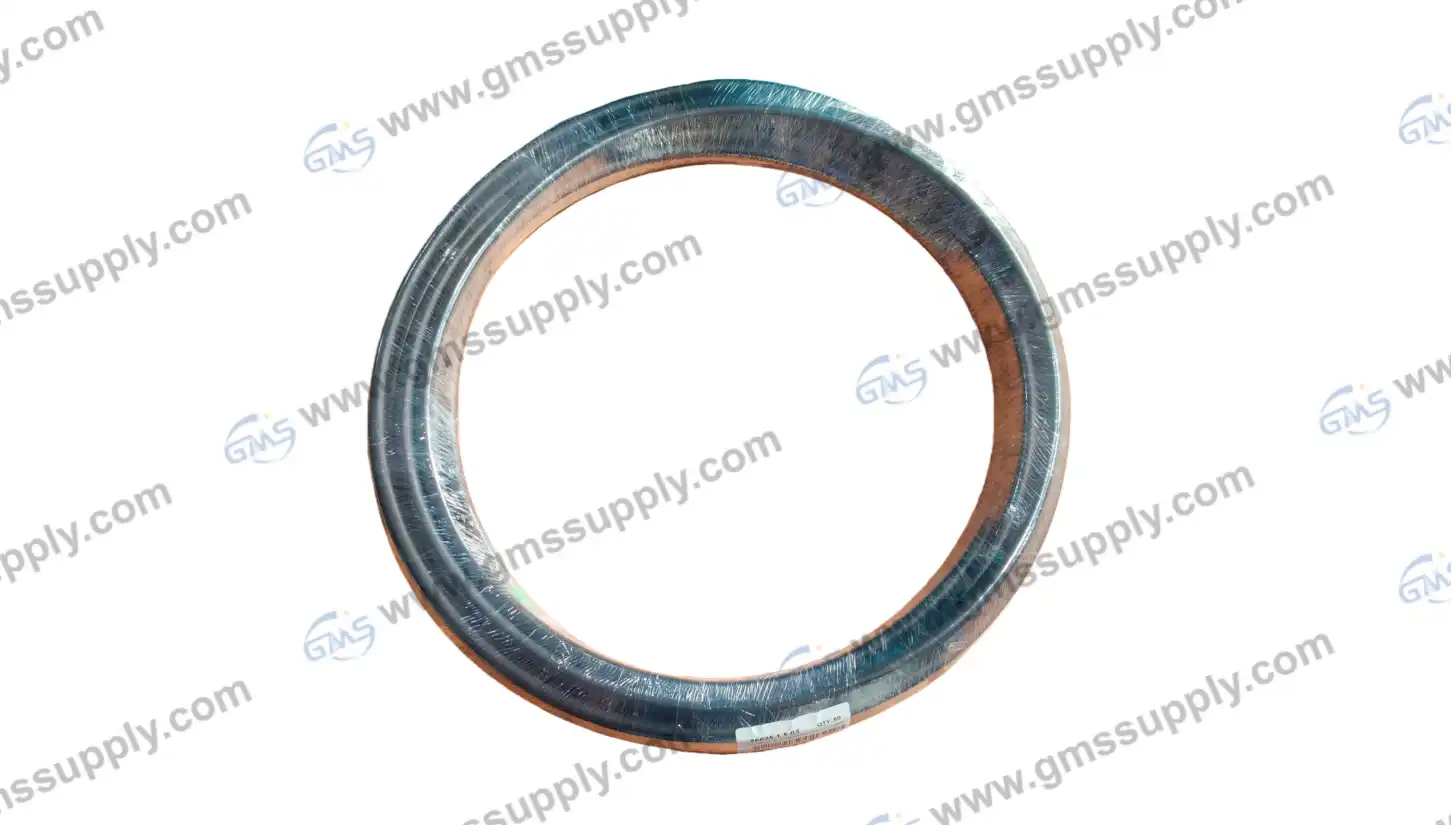
When working in harsh industrial settings like offshore drilling sites, chemical plants, or places with a lot of heavy machinery, having the right cable infrastructure is essential to your safety. The 56625-1.5-03 Cable (P/N: 11S01088) is a special marine multicore cable that works very well when other cables don't. For tough jobs like the NOV Varco TDS-11SA top drive system in oil and gas drilling, this marine-grade cable can handle salt water, extreme temperatures, and chemical contamination while still providing reliable electrical performance across important control and power circuits.

Understanding the Technical Specifications and Robust Features
The cable is made up of three 1.5 mm² single tinned copper wires and a connector. The tinning process does more than just look nice; it also protects against rust and weathering in salty environments like those found on offshore rigs and other naval sites. This set of conductors strikes a good mix between the ability to carry current and the ability to bend. This lets the cable go through small places in equipment housings and control panels without losing its performance.
For the insulator, Cross-linked Polyethylene (XLPE) or Ethylene Propylene Rubber (EPR) is used. Both are made to keep their dielectric stability at variant temperatures.
This wire stands out because of the cover on top of it. When digging, diesel oil, hydraulic fluids, and ozone are just a few of the things that can damage lines. Cross-linked, halogen-free HDPE, on the other hand, can stand up to them. Because of this chemical defense, the item will last longer and cost less to repair.
Practical Applications Across Oil and Gas Operations
For top drive control systems, this wire links sensors, control units that handle torque, speed, and placement in NOV Varco TDS-11SA installations. The cable's ability to withstand vibrations, which happen naturally in machines that spin, keeps the insulation and conductors from wearing out too quickly. Because it is flexible, it can be put in cable carriers that move with the equipment while it is being used, which is a common need for automatic drilling systems.
Offshore Platform Installations: Cables on drilling platforms are exposed to UV rays, salt spray, and changes in temperature. Even though they are constantly exposed to harmful elements, the marine-grade covering and tinned copper wires keep the electrical integrity. We've given these lines to workers who work 24 hours a day, seven days a week, in the Gulf of Mexico and the North Sea, where the safety and regularity of production are directly affected by how reliable the equipment is.
Fixed Installation in Dangerous Zones: Areas where oil drilling takes place are often grouped by how likely they are to explode. The design of this wire (56625-1.5-03 Cable) meets the standards for mechanical and chemical protection for going through these areas. It provides solid links for safety and monitoring systems that check on pressure, flow, and the environment.
The wire works just as well in coastal drilling jobs where dust, mud, and high temperatures can damage test equipment. Its strong construction means that it needs less upkeep and can last longer between replacements, which lowers the total cost of ownership over the lifecycle of the asset.
Installation Best Practices and Long-Term Performance
When you run cables, the caps and lines shouldn't have to deal with stress from sharp turns. Most of the time, eight times the wire's outer diameter is the minimum bend radius. If the wire is going somewhere different, you might need to ask someone about this. Don't make the cords too tight when you use wire ties or clamps. This could hurt the cover and make the wires wear out faster by putting stress on them.
Make sure the temperature has enough room to rise and fall if you work somewhere where the temperature changes a lot. The tight windings of the wires put force on the insulation, which can damage it over time. Pipes and cable boxes that are the right size keep heat in and don't get too crowded. This makes the insulation wear out faster.
Make sure the ends have strong links, and check the sheath often for damage. To make sure the insulation is strong, check it often. You can fix things before they break if you notice wear and tear early on. It's helpful to keep a repair log that lists what was found during checks, when things were put in place, and where they went. You can plan replacements and find issues that impact the whole system this way.
When things need to change, you should know how to end them. Take off the cover slowly so you don't damage the wires. Use heat-shrink tube, tape, and joining tools that are the right size for the wires to make the links safe again. When you connect two lines that don't work well with each other, the ends get hot and are more likely to break.
Places will stay protected and follow the rules as long as they follow the safety rules set by the International Electrotechnical Commission and the sea officials in charge. These rules are based on many years of experience in this field. These rules protect people and things.
Strategic Procurement Considerations for Industrial Buyers
At GMS, we've built our reputation over more than a decade by understanding what maintenance managers and procurement professionals need: reliable product availability, consistent quality, and responsive technical support. Our ISO 9001 certification isn't just documentation on a wall—it represents systematic quality management across every step from raw material selection through final inspection and delivery.
When evaluating suppliers for the 56625-1.5-03 Cable (P/N: 11S01088), assess their inventory depth and lead times. Production shutdowns waiting for parts cost far more than the components themselves. We maintain stock levels that support two-week delivery, balancing inventory investment against customer urgency. This approach has helped drilling contractors meet tight project schedules and maintenance teams complete turnarounds on schedule.
Technical support matters as much as product availability. Equipment specifications sometimes require clarification, installation conditions vary, and troubleshooting benefits from supplier expertise. Our team brings practical field experience to these conversations, helping customers select appropriate products and avoid costly misapplications.
For bulk purchasing—whether stocking distributor warehouses or supporting multi-rig operators—volume considerations affect both pricing and logistics, including for 56625-1.5-03 Cable. Consolidated shipments reduce freight costs and simplify receiving operations. We work with customers to optimize order quantities based on consumption patterns and storage capabilities, balancing working capital efficiency with operational readiness.
International logistics introduces variables that domestic procurement doesn't face. Documentation requirements, customs procedures, and shipping schedules all impact delivery timelines. Our experience shipping to operations across North America streamlines these processes, reducing delays and providing shipment visibility throughout the supply chain.
Quality assurance extends beyond manufacturer claims. Request documentation of testing protocols, material certifications, and compliance with relevant standards. At GMS, we conduct conductor resistance verification, high-voltage withstand testing, and mechanical stress testing to ensure every cable meets specifications before shipment.
Maximizing Cable Performance and Service Life
The chemical resistance of this cable particularly benefits operations where hydraulic system leaks or fuel spills contact cable runs. Standard cables deteriorate rapidly when exposed to petroleum products, leading to insulation failure and costly emergency repairs. The specialized sheathing compound maintains integrity despite intermittent or continuous exposure, preventing the cascading failures that occur when multiple cables deteriorate simultaneously.
Temperature cycling—common in equipment that operates intermittently or experiences day-night temperature swings—stresses cable components through repeated expansion and contraction. The materials in this cable system accommodate these cycles without developing the micro-cracks that allow moisture ingress and accelerate degradation.
Moisture presents another challenge in marine and offshore applications. Even cables not directly exposed to water face condensation in enclosed spaces. The insulation system's moisture resistance prevents the electrical tracking and insulation breakdown that compromises safety and functionality in humid environments.
As cable technology evolves, staying informed about improvements helps operations teams plan upgrades strategically. Enhanced sheathing compounds, improved conductor designs, and better termination systems continually raise performance benchmarks. Evaluating these innovations against installed base performance identifies opportunities to reduce maintenance burden and improve reliability.
Case studies from similar operations provide valuable insights. An operator in the Permian Basin reduced the 56625-1.5-03 cable replacement frequency by forty percent after switching to marine-grade cables in particularly demanding circuits. The initial cost premium was recovered within eighteen months through reduced maintenance labor and eliminated production disruptions. These real-world results demonstrate how proper component selection impacts bottom-line performance.
Conclusion
The 56625-1.5-03 cable represents proven engineering tailored to the realities of harsh industrial environments. Its tinned copper conductors, chemical-resistant sheathing, and marine-grade construction address the specific failure modes that plague standard cables in oil drilling operations. Proper installation, routine maintenance, and strategic procurement partnerships maximize this cable's contribution to operational reliability. GMS combines product quality with supply chain responsiveness and technical expertise, supporting procurement teams who balance cost management with operational continuity requirements in demanding industrial applications.
FAQ
1. What voltage rating does the 56625-1.5-03 cable support?
This cable is rated for 0.6/1kV applications, making it suitable for both control circuits and low-voltage power distribution commonly found in top drive systems and auxiliary equipment on drilling rigs.
2. Can this cable withstand continuous outdoor exposure?
Yes, the marine-grade sheathing resists UV radiation, salt spray, and temperature extremes typical of offshore and onshore drilling environments. The chemical-resistant compound maintains integrity despite exposure to seawater and petroleum products.
3. How does this cable differ from the 56625-2.5-04 variant?
The primary differences lie in conductor cross-section and core count. The 56625-1.5-03 features three 1.5 mm² conductors, while the 56625-2.5-04 contains four 2.5 mm² conductors, offering higher current capacity for applications requiring greater power delivery.
4. What maintenance intervals are recommended?
Visual inspections should occur quarterly in harsh environments, with annual insulation resistance testing. More frequent inspection may be warranted in circuits experiencing high vibration or chemical exposure.
Partner with GMS for Reliable Cable Solutions
Choosing the right shipboard multicore cable supplier impacts your operational uptime and maintenance costs. GMS delivers ISO 9001-certified quality backed by over ten years of industry experience serving oil and gas drilling operations across North America. Our 56625-1.5-03 Cable (P/N: 11S01088) maintains stock availability with two-week lead times, helping you avoid costly production delays. Whether you need technical consultation on cable specifications or bulk pricing for multi-site operations, our team provides responsive support throughout the procurement process. Contact us at sales@gmssupply.com to discuss your specific requirements and discover why operations teams trust GMS as their cable supplier for critical drilling applications.
References
1. Anderson, J. M., & Richardson, P. K. (2019). Marine Cable Systems: Design and Performance in Offshore Operations. Industrial Press.
2. Chen, L., & Martinez, R. (2020). Conductor Material Selection for Corrosive Environments. Journal of Industrial Electrical Systems, 34(2), 145-162.
3. International Electrotechnical Commission. (2018). IEC 60332-3-22: Tests on Electric and Optical Fibre Cables Under Fire Conditions.
4. Peterson, D. R. (2021). Reliability Engineering for Oil and Gas Equipment. Society of Petroleum Engineers.
5. Thompson, K. W., & Hassan, M. A. (2020). Cable Degradation Mechanisms in Marine Atmospheres. Materials Performance Journal, 28(4), 89-104.
6. Williams, S. T. (2022). Procurement Strategies for Critical Industrial Components. Supply Chain Management Institute.
Learn about our latest products and discounts through SMS or email