- English
- French
- German
- Portuguese
- Spanish
- Russian
- Japanese
- Korean
- Arabic
- Greek
- German
- Turkish
- Italian
- Danish
- Romanian
- Indonesian
- Czech
- Afrikaans
- Swedish
- Polish
- Basque
- Catalan
- Esperanto
- Hindi
- Lao
- Albanian
- Amharic
- Armenian
- Azerbaijani
- Belarusian
- Bengali
- Bosnian
- Bulgarian
- Cebuano
- Chichewa
- Corsican
- Croatian
- Dutch
- Estonian
- Filipino
- Finnish
- Frisian
- Galician
- Georgian
- Gujarati
- Haitian
- Hausa
- Hawaiian
- Hebrew
- Hmong
- Hungarian
- Icelandic
- Igbo
- Javanese
- Kannada
- Kazakh
- Khmer
- Kurdish
- Kyrgyz
- Latin
- Latvian
- Lithuanian
- Luxembou..
- Macedonian
- Malagasy
- Malay
- Malayalam
- Maltese
- Maori
- Marathi
- Mongolian
- Burmese
- Nepali
- Norwegian
- Pashto
- Persian
- Punjabi
- Serbian
- Sesotho
- Sinhala
- Slovak
- Slovenian
- Somali
- Samoan
- Scots Gaelic
- Shona
- Sindhi
- Sundanese
- Swahili
- Tajik
- Tamil
- Telugu
- Thai
- Ukrainian
- Urdu
- Uzbek
- Vietnamese
- Welsh
- Xhosa
- Yiddish
- Yoruba
- Zulu
Deflector assembly for 250 Centrifugal Pump (P/N 22210-1A 641116108/ P/N P25SRW)Installation Tips
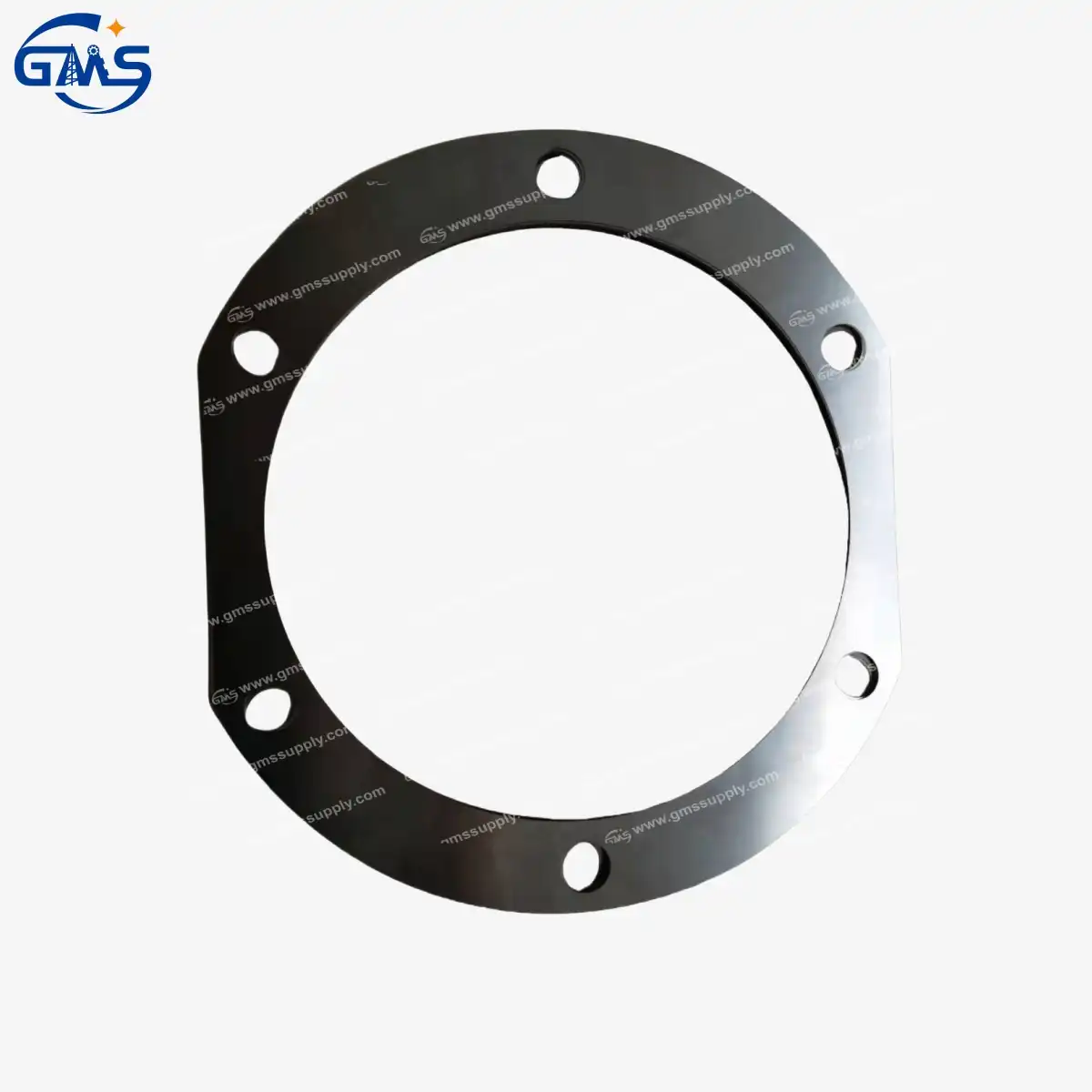
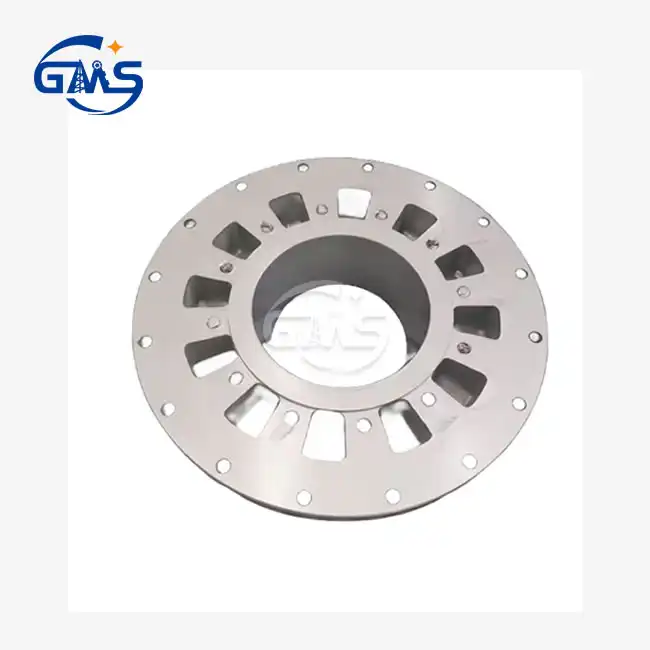
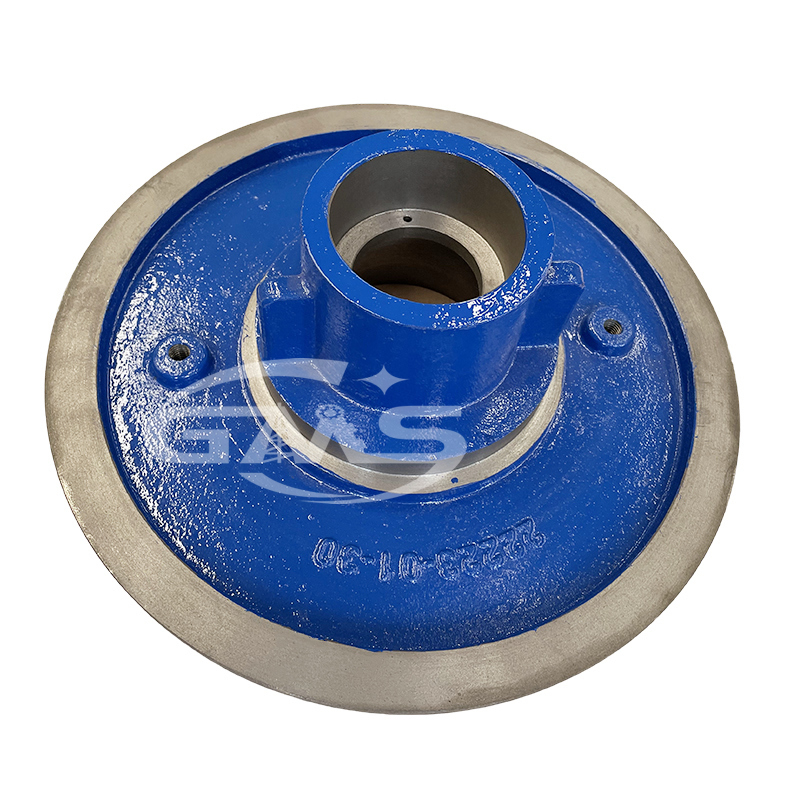
Installing a deflector assembly correctly on your 250 centrifugal pump is essential for protecting critical components and ensuring long-term operational reliability. The deflector assembly for 250 centrifugal pump—specifically the 22210-1A model (P/N 22210-1A)—serves as a vital barrier that prevents abrasive fluids and contaminants from reaching the bearing housing. This protective component creates a dynamic seal between the mechanical seal face and the power end, deflecting drilling mud, slurries, and other harsh substances away from sensitive bearings and oil seals. Proper installation techniques can significantly reduce unplanned downtime, extend Mean Time Between Failures (MTBF), and lower your maintenance costs in demanding industrial applications.

Understanding the Deflector Assembly in 250 Centrifugal Pumps
In centrifugal pump systems, the Deflector assembly for the 250 Centrifugal Pump protects the motor. This is especially true for models like the Mission Magnum I, XP, and MCM 250 series that have 2.5-inch shafts. When procurement managers and expert teams need to find new parts, knowing how this part works helps them make smart choices.
In oil drills, mechanical seals often wear out or develop small leaks. In these cases, the Deflector assembly for the 250 Centrifugal Pump serves as an extra line of defense. The shaft can spin at up to 3,500 RPM, and centrifugal force pushes contaminated fluids out of the bearing cavity and away from it. Solid particles from drilling fluids can move into the bearing housing if this barrier isn't there. This can speed up wear, score the shaft, and cause catastrophic failure.
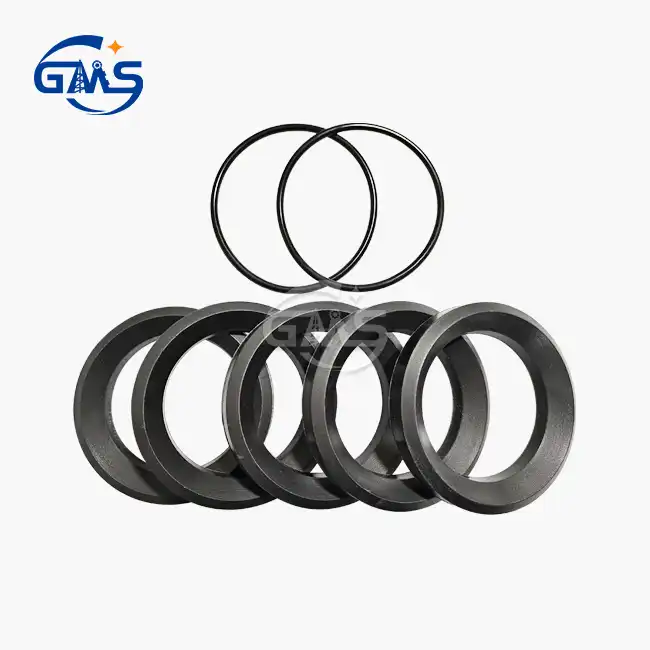
The 22210-1A Deflector assembly for the 250 Centrifugal Pump is not the same in shape or function as other pump parts like diffusers or impellers. Diffusers control the speed and pressure of the fluid, while the deflector's only job is to keep contaminants from getting in. Because of this, choosing the right material is very important. For normal uses, the part usually has Nitrile Butadiene Rubber (NBR), and for environments above 200°F, it has Viton (FKM). The precisely molded design makes sure that there is an interference fit that keeps the part in contact with the rotating shaft and stops it from slipping while it's in use.
The people in charge of buying things should know that this seemingly easy part has a direct effect on the life of the bearings, the performance of the seals, and the general reliability of the pump. Because the Deflector assembly for the 250 Centrifugal Pump keeps the power end clean, you'll need fewer emergency fixes, less inventory of parts, and more consistent maintenance plans for your whole fleet.
Installation Tips for Deflector Assembly on 250 Centrifugal Pumps
To place the Deflector assembly for the 250 Centrifugal Pump correctly, you need to pay close attention to every step of the way. We've put together a list of tried-and-true methods that maintenance teams can use to get the best results and avoid common mistakes that hurt pump performance.
Before you start installing anything, you should carefully look over both the new Deflector assembly for the 250 Centrifugal Pump and the surface of the pump shaft. Check the shaft for any surface flaws, such as scoring, cracking, or scoring, that might stop the seal from working properly. Check the Deflector assembly for the 250 Centrifugal Pump for flaws in the shaping, such as cracks or uneven materials. Even small flaws can cause the pump to break down too soon after it's been used again. Using a lint-free cloth and the right fluid, clean the shaft well to get rid of any drilling mud, rust, or old oil that is still on it.
Getting the orientation right is one of the most important parts of installation. Place the Material: Composite so that the lip-shaped side is facing the impeller and seal box. With this setup, the part can use centrifugal force to catch and send any seal leakage away from the bearing area. If you put the Deflector assembly for a 250 Centrifugal Pump in the wrong way, it stops protecting you and can even send dirt straight into the bearing shaft.
When installing the interference fit, you need to be very careful. We suggest using warm water (never more than 150°F) to slightly warm the Deflector assembly for the 250 Centrifugal Pump. This will briefly make the rubber expand, which will make it easier to slide onto the shaft. You could also put a thin layer of a suitable oil on the shaft's surface. Just be careful not to use petroleum-based products, as they can damage NBR materials. Instead of hitting or pushing the Deflector assembly for the 250 Centrifugal Pump into place, slide it into place by applying steady, even pressure.
Carefully check the final seating arrangement. The Deflector assembly for the 250 Centrifugal Pump should fit perfectly against the shaft's marked shoulder, with no holes or other issues. Any cocking or tilting is a sign of bad fitting, which will lead to uneven wear patterns and early failure of parts. After fitting, turn the shaft by hand to make sure the Deflector assembly for the 250 Centrifugal Pump can spin easily without getting stuck or rubbing against other parts.
Some common installation mistakes are using an old Deflector assembly for 250 Centrifugal Pumps again (because the interference fit loosens when they are removed, making reuse unreliable), lubricating the shaft too much (which can make the Deflector assembly for 250 Centrifugal Pump slip during use), and not checking that the material is compatible with the fluid chemistry and operating temperatures. Each of these mistakes can shorten the life of a part by at least 50%, which can cause it to fail unexpectedly during important operations.
Troubleshooting and Maintenance of Deflector Assemblies
By spotting early warning signs of Deflector assembly wear for the 250 Centrifugal Pump, maintenance teams can plan replacements ahead of time instead of having to wait for emergencies. We've found the most important signs that tell you when your Deflector assembly for a 250 Centrifugal Pump needs work.
If you can see oil leaking around the shaft near the bearing housing, it's likely that the Deflector assembly for the 250 Centrifugal Pump has failed. When the protected Deflector assembly for the 250 Centrifugal Pump stops working right, contaminated fluids get around the part and into the bearing hole, pushing the lubricant outward. Also, finding drilling mud or other process fluids inside the bearing case during regular checks proves that the Deflector assembly for the 250 Centrifugal Pump is no longer able to close.
A physical checkup during planned repair tells you a lot about the state of the Deflector assembly for the 250 Centrifugal Pump. Check for cracks in the rubber, a hardened surface, or a loss of elasticity. These are all signs of chemical or thermal damage. It is important that the Deflector assembly for the 250 Centrifugal Pump keeps its flexibility and spring-back properties. No matter what the service hours are, the material needs to be replaced if it feels weak or has cracks that can be seen.
If the pump's power end makes noises or vibrations that don't make sense, it could mean that the Deflector assembly for the 250 Centrifugal Pump has stopped rotating with the shaft and is now rotating on its own. This movement causes friction, which makes heat and lets dirt and other things into the bearing area. Take care of these signs right away to keep more expensive parts like bearings and shaft systems from getting damaged.
The maintenance steps you follow should match the overall service schedule for your pump. When you change a mechanical seal or do power-end maintenance, you should check the Deflector assembly for the 250 Centrifugal Pump. It is standard practice in the industry to replace the Deflector assembly for a 250 Centrifugal Pump every time the seal is changed. This is because the part wears down during installation and removal and from being exposed to rough fluids while it is working. Trying to use the Deflector assembly for 250 Centrifugal Pumps more than once lowers the efficiency of the system and often causes seals and bearings to fail early.
Keeping track of the condition of the Deflector assembly for the 250 Centrifugal Pump (P/N 22210-1A 641116108) during maintenance tasks helps find patterns in things like fluid chemistry, operating temperatures, or the quality of the shaft surface. This information lets you keep making your repair procedures better and can show you when it's time to switch to higher-performance materials like Viton for really tough jobs.
Selecting the Right Deflector Assembly for Your 250 Centrifugal Pump
Strategically choosing which parts to use has a direct effect on operational costs, maintenance intervals, and the dependability of the pump system. Knowing about important things to think about when buying something helps you balance your short-term income with the total cost of ownership over time.
Material fit is the most important factor in the decision process. Standard NBR Deflector assembly for 250 Centrifugal Pump options work well for most oil drilling tasks because they are very resistant to oil-based muds and water-based drilling fluids up to 180°F. Viton (FKM) Deflector assemblies for 250 Centrifugal Pumps are needed, tho, for tasks that involve high temperatures, harsh chemicals, or steam cleaning protocols. Viton parts are more expensive at first, but they last longer and don't break down early, which would mean unplanned downtime and expensive replacements.
Precision in measurements makes sure that things fit and work right. The 22210-1A Deflector assembly for the 250 Centrifugal Pump has tightly controlled inner diameter limits of +/- 0.005 inches. This keeps the interference fit that is needed for the 2.5-inch shaft to turn reliably. Parts made with looser standards might look fine at first, but they will slip while they're being used, which will lower their safety and could damage the shaft surface.
Quality certificates guarantee that the products are made consistently and that the materials are genuine. With ISO 9001 certification, you can be sure that the company follows strict process controls, material verification methods, and dimensional checking procedures. This approval lowers the chance of getting low-quality parts that look good but break early because they were made with bad materials or mistakes.
When planning maintenance, supply chain issues are very important. Suppliers with short lead times and enough inventory help you keep parts out of storage as little as possible while still making sure they are available when you need them. Standard Deflector assembly for 250 Centrifugal Pumps can be delivered in two weeks, which lets you buy only what you need without worrying about running out of stock, which could slow down important maintenance tasks.
The total cost of ownership should be included in cost research, not just the unit price. If a Deflector assembly for a 250 Centrifugal Pump costs 15% less but breaks after 60% of its expected service life, it actually costs more in the long run because of the extra work, downtime, and possible damage to bearings and seals. Reliable parts from well-known industrial sources usually offer better value, even if they cost a little more at first.
Enhancing Pump Performance Through Optimal Deflector Assembly Installation
Precision installation techniques have a direct effect on how well your pumps work, how long their parts last, and how much it costs to run all of your equipment. The link between correctly installing the Deflector assembly for the 250 Centrifugal Pump and the general performance of the system goes beyond just keeping contaminants out.
When the Deflector assembly for the 250 Centrifugal Pump stays in the right place and fits together as planned, the environment is cleaner, and the mechanical parts are less likely to be exposed to abrasive particles. This safety makes seals last 40 to 60 percent longer in normal oil drilling situations, which directly lowers the number of repair visits and parts needed. Cost savings from longer seal life often more than cover the cost of the Deflector assembly for 250 Centrifugal Pump (P/N P25SRW) ten times over.
Another important efficiency benefit is that it protects the bearings. Most oil drilling uses high-quality precision bearings that are made to last for thousands of hours of use. But even small amounts of drilling fluid pollution shorten the life of bearings by a lot—sometimes to less than 20% of what was planned. The Deflector assembly for the 250 Centrifugal Pump keeps the bearing box clean, which protects these pricey parts and stops shaft damage that happens when failed bearings let metal-on-metal contact happen.
Before putting the pump back into service, post-installation verification makes sure that all of the parts work properly. By hand, turn the shaft a few times, making sure it moves smoothly and without any locking or resistance. Any imperfection points to misalignment or bad seating that needs to be fixed. Before adding abrasive process fluids, some maintenance teams do a short test run with clean water to make sure the seals and Deflector assembly for 250 Centrifugal Pumps work properly.
Strategies for ongoing tracking help find problems as they arise, before they become major problems. During regular checks of the pump, look for signs of fluid buildup near the bearing housing, strange heat production at the power end, or changes in how the pump moves. These early warning signs often show that the Deflector assembly for the 250 Centrifugal Pump is wearing out before they break down in an emergency, giving you time to plan a replacement.
Conclusion
It's a small effort to properly install and maintain the Deflector assembly for 250 Centrifugal Pump, but it pays off big time in the form of longer component life, less downtime, and lower running costs. This guide explains techniques and things to think about that will help procurement managers and maintenance teams make pumps more reliable in tough industrial settings. By choosing high-quality parts from reputable sellers, installing them according to tried-and-true methods, and checking up on them on time, you can build a basis for operating excellence that has a direct effect on your bottom line and your ability to compete in the market.
FAQ
1. How frequently should I replace the deflector assembly on my 250 centrifugal pump?
When you do upkeep on the mechanical seals or fixes on the power end, you need to replace the Deflector assembly for a 250 Centrifugal Pump. The interference fit comes free when the part is taken off, so it can't be used again. In oil drilling, it is standard practice to replace the Deflector assembly for a 250 Centrifugal Pump every time the seals are changed, which can be anywhere from 500 to 2,000 hours of operation, based on how rough the fluid is and the conditions of the job.
2. Can I use standard NBR deflectors in high-temperature applications?
In normal drilling fluid conditions, the NBR Deflector assembly for 250 Centrifugal Pumps works consistently up to 180°F. Viton (FKM) Deflector assemblies for 250 Centrifugal Pumps are needed in situations where temperatures are higher than 200°F or where chemicals that are aggressive are present. When normal materials are used above their temperature range, they thicken, crack, and break quickly, which makes them less effective at protecting bearings.
3. What signs indicate my deflector assembly needs immediate replacement?
Signal Deflector assembly for 250 Centrifugal Pump failure can be seen when oil leaks around the shaft near the bearing housing, drilling mud is found inside the bearing cavity, or rubber cracks and hardens. Weird shaking or heat buildup at the power end of the pump could also be signs of Deflector assembly for 250 Centrifugal Pump problems that need to be fixed right away to avoid damage to other parts.
Partnering with GMS for Your Deflector Assembly Supply Needs
We understand how hard it is for buying managers to find important pump parts. We at GMS have built our reputation on providing reliable Deflector assemblies for 250 Centrifugal Pump kits that work just as well as name-brand parts but are more affordable and available faster. Our 22210-1A Deflector assembly for the 250 Centrifugal Pump protects your equipment and comes with ISO 9001 certification to make sure that the quality is the same in every batch.
After ten years of working with oil drilling companies, we know what maintenance teams and buying workers care about most. You need parts that are easy to install, work reliably, and show up when they say they will. We keep a large stock of commonly ordered Deflector assemblies for 250 Centrifugal Pumps, which means that standard orders can be delivered in two weeks or less. This responsiveness keeps you from keeping too much safety stock, which ties up working capital, while still making sure that parts are available when repair plans call for them.
We pay close attention to technical compatibility. The 22210-1A Deflector assembly for the 250 Centrifugal Pump is designed to fit Mission Magnum I, XP, and MCM 250 series centrifugal pumps with 2.5-inch shafts. It can be easily replaced, which makes it easier to buy and set up. Our parts have to meet strict requirements for their sizes and materials, which means they work reliably in production, drilling, and well service.
Quality control is an important part of every step of our production process. Coordinate Measuring Machine (CMM) verification checks the accuracy of the dimensions, and material testing checks the makeup and performance traits of the elastomer. For our Deflector assembly for 250 Centrifugal Pumps to keep closing throughout their service life, we use ASTM D471-recommended oil aging tests to model long-term contact with drilling fluids. This all-around method to quality lowers the chance that you'll get broken parts that break early.
Besides making sure the quality of the products we sell, our team also offers quick support that keeps your projects on track. When people ask us about choosing the right material, making sure it will work with other things, or how to install the Deflector assembly for a 250 Centrifugal Pump, we quickly give them advice based on our years of experience in the field. This easy access to technology helps your maintenance teams avoid mistakes that cost a lot of money and get fixes done quickly.
Get in touch with us right away to talk about your centrifugal pump component needs. Our team is ready to help your business, whether you need standard Deflector assembly for 250 Centrifugal Pump parts right away or special solutions made just for your needs. Send us an email at sales@gmssupply.com to find out how working with an experienced Deflector assembly for 250 Centrifugal Pump supplier can help your maintenance work go more smoothly and lower your total cost of ownership.
References
1. Karassik, Igor J., et al. Pump Handbook, Fourth Edition. McGraw-Hill Education, 2008.
2. Brennan, Charles E. Fundamentals of Multiphase Flow. Cambridge University Press, 2005.
3. Bloch, Heinz P. Pump User's Handbook: Life Extension, Fourth Edition. Fairmont Press, 2011.
4. American Petroleum Institute. API Standard 610: Centrifugal Pumps for Petroleum, Petrochemical and Natural Gas Industries, Eleventh Edition. API Publishing Services, 2010.
5. Gülich, Johann Friedrich. Centrifugal Pumps, Third Edition. Springer-Verlag Berlin Heidelberg, 2014.
6. Hydraulic Institute. Pump Standards: Application, Installation, and Operation. Hydraulic Institute Engineering Data Books, 2015.
Learn about our latest products and discounts through SMS or email