- English
- French
- German
- Portuguese
- Spanish
- Russian
- Japanese
- Korean
- Arabic
- Greek
- German
- Turkish
- Italian
- Danish
- Romanian
- Indonesian
- Czech
- Afrikaans
- Swedish
- Polish
- Basque
- Catalan
- Esperanto
- Hindi
- Lao
- Albanian
- Amharic
- Armenian
- Azerbaijani
- Belarusian
- Bengali
- Bosnian
- Bulgarian
- Cebuano
- Chichewa
- Corsican
- Croatian
- Dutch
- Estonian
- Filipino
- Finnish
- Frisian
- Galician
- Georgian
- Gujarati
- Haitian
- Hausa
- Hawaiian
- Hebrew
- Hmong
- Hungarian
- Icelandic
- Igbo
- Javanese
- Kannada
- Kazakh
- Khmer
- Kurdish
- Kyrgyz
- Latin
- Latvian
- Lithuanian
- Luxembou..
- Macedonian
- Malagasy
- Malay
- Malayalam
- Maltese
- Maori
- Marathi
- Mongolian
- Burmese
- Nepali
- Norwegian
- Pashto
- Persian
- Punjabi
- Serbian
- Sesotho
- Sinhala
- Slovak
- Slovenian
- Somali
- Samoan
- Scots Gaelic
- Shona
- Sindhi
- Sundanese
- Swahili
- Tajik
- Tamil
- Telugu
- Thai
- Ukrainian
- Urdu
- Uzbek
- Vietnamese
- Welsh
- Xhosa
- Yiddish
- Yoruba
- Zulu
DT12642 Cylinder Link Tilt: Function and Maintenance Tips
The DT12642 Cylinder Link Tilt is a special kind of hydraulic part that is used in top drive systems. It allows controlled tipping operations and returns to a neutral position automatically. This cylinder linkage works directly with Canrig TDS cylinder kits in models like the Canrig 8035, 8050, and 6027, so it stays stable even during the rough oil and gas drilling processes. Knowing how it works and what kind of care it needs can help procurement managers cut down on unplanned downtime and increase the life of equipment in tough drilling settings where dependability has a direct effect on the project's cost.
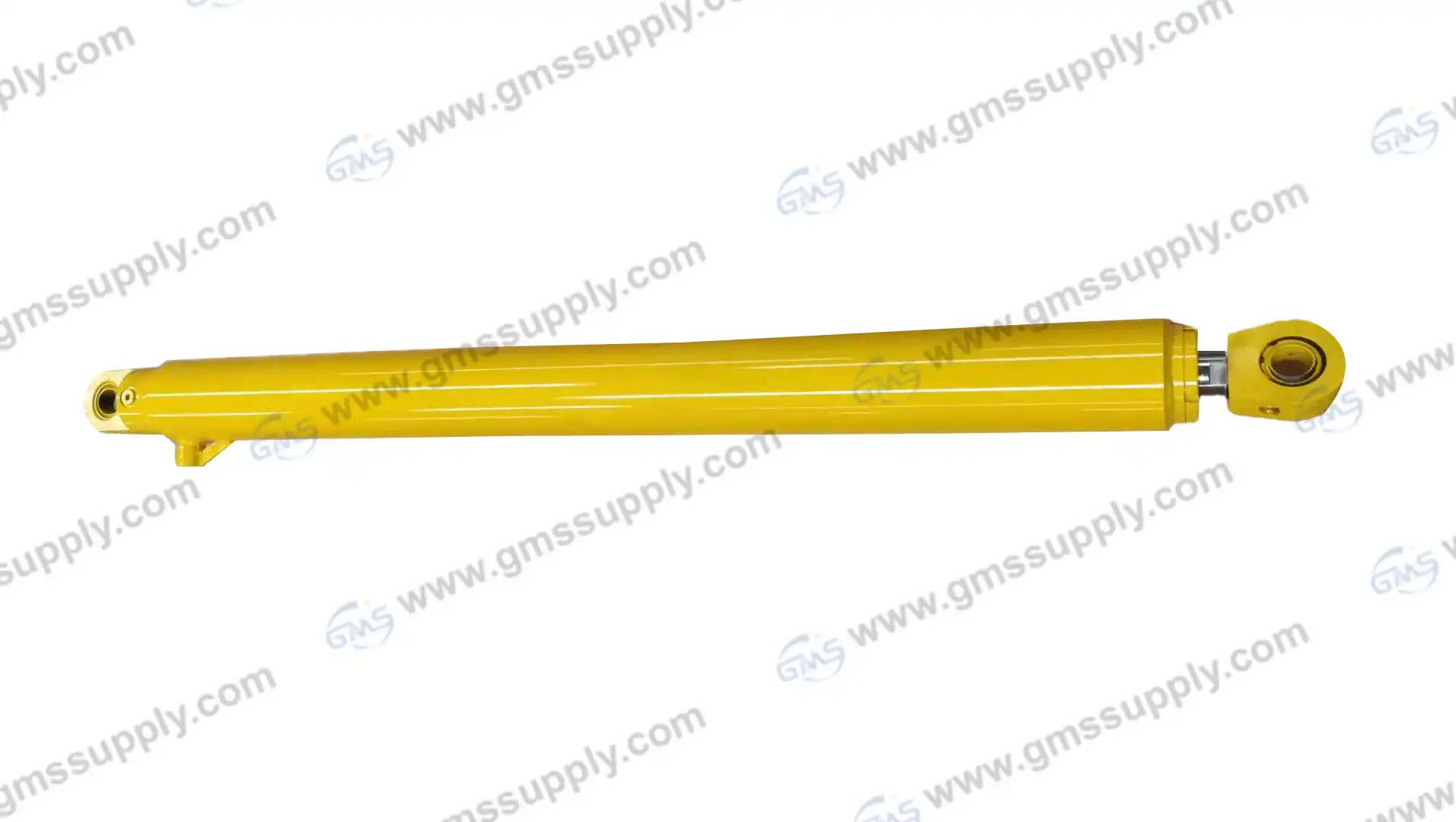
Understanding the Function of the DT12642 Cylinder Link Tilt
The DT12642 cylinder link tilt is a key part of the connection between the top drive units' hydraulic motion systems and their mechanical placement needs. This part turns hydraulic pressure into precise mechanical movement when drilling workers need to change pipe angles or make up for wellbore deviation. There are internal seals and piston assemblies in the cylinder body that react to changes in pressure. This lets you control the tilt angles while keeping the load-bearing capacity when drilling loads change.
The ability for this part to self-center makes it stand out in current drilling operations. Once the hydraulic pressure is released, the linkage instantly returns to its neutral position thanks to built-in spring systems and balanced design. This technology cuts down on the work that operators have to do and gets rid of placement mistakes that could affect the accuracy of drilling. When top drive systems are combined, they make a single control platform where tilt changes work with rotary speed, torque output, and hook load tracking.
The choice of materials is a key part of making sure that efficiency is reliable. The cylinder body is usually made of high-grade steel that has been heated in a certain way to make it hard enough to prevent wear from repeated movement. Precision cutting to tight standards is done on the internal surfaces, which ensures that the piston moves smoothly and stops hydraulic fluid from bypassing. Seal materials have to be able to handle temperature changes that happen all the time, from cold starts below zero to high working temperatures caused by drilling that never stops.
Pressure regulation, flow control, and pollution filtering are all built into the Canrig TDS cylinder DT12642's hydraulic circuit design. Pressure sensors keep an eye on the system's parameters in real time and sound a warning if numbers change too much to be safe. Flow control valves change the speed of actuation, which stops rapid movements that could damage parts that are linked or make the drilling string less stable. Filtration systems get rid of particles that would speed up the wear and tear on seals and valves.
Common Issues and Troubleshooting of DT12642 Cylinder Link Tilt
The most common problem that affects the function of a cylinder link tilt is a hydraulic leak. External leaks usually happen when the seals around rod entry points break down. This shows up as obvious fluid leaking or puddles forming under the unit. It's harder to find internal leaks, but they show up when the system responds slowly or doesn't move fully because fluid is pushing through worn plugs. Both problems happen because the seal material breaks down because it doesn't work with hydraulic fluids, the temperature changes, or drilling mud gets inside and contaminates it.
When the joint can't move freely, even though there is enough hydraulic pressure, this is called mechanical binding. Root reasons include fixing bolts that aren't lined up right, debris building up in the pivot points, or rust building up on the bearing surfaces. This makes the machine make strange noises and use more electricity because the pumps have to work harder to beat the resistance. A close look at chrome-plated rods often shows scoring marks or uneven wear patterns that show alignment problems.
Uneven pressure causes the cylinder to tilt in an unpredictable way, causing it to expand or contract. Some possible causes are pressure release valves that don't work right, air getting stuck in hydraulic lines, or a drop in pump output. Technicians should check the system pressure with accurate gauges at several test places and compare the numbers to the manufacturer's instructions. In hydraulic fluid, air bubbles show up as milky spots and make the fluid respond in a squishy way.
Over thousands of working cycles, parts wear out slowly, which can finally cause structural cracks in cylinder bodies or linkage arms. High-cycle wear usually happens where there is a lot of stress, like at mounting lugs, threaded joints, and geometric changes. Ultrasonic inspection or magnetic particle examination are two non-destructive testing methods that can find cracks below the surface before they cause a major failure. Environmental factors speed up the wear and tear process, especially in marine settings where saltwater rust damages surface finishes.
Essential Maintenance Tips for Prolonging DT12642 Cylinder Link Tilt Life
Setting up a regular checking plan that works with the drilling schedule is the first step to making sure that the cylinder link tilt works properly. We suggest visual checks every 250 hours of use, focused on the outside areas to look for signs of fluid seepage, mechanical damage, or corrosion. During these checks, maintenance workers should clean any drilling mud that has built up on the surfaces that are visible and make sure that the protection boots that cover the rod extensions are still in place. When inspection results are written down, they become historical records that show how trends are changing before they become failures.
Managing lubrication reduces friction at pivot points and bearing surfaces, which makes parts last longer. The Canrig TDS cylinder DT12642 design usually has grease joints at places of contact that need to be re-oiled every so often. Most of the time, high-performance lithium-complex greases with extreme pressure additives work well. However, for operations that take place in cold weather, low-temperature formulas that keep the pumpable below freezing may be needed. As bad as not lubricating enough is, both can cause seals to break or protected dust covers to move, so techs should stick to the amounts given instead of pumping until they meet resistance.
The state of hydraulic fluid has a direct effect on how long seals last and how well valves work. Following the ISO 4406 guidelines for keeping fluids clean stops the movement of rough particles that speed up wear. Filtration, viscosity breakdown, and chemical loss can be found before they affect the system's performance by taking regular fluid samples and analyzing them in a lab. Filter elements need to be replaced at regular intervals that are set by measuring the pressure drop across filter housings, not just at random times. This keeps the filtering capacity at a good level.
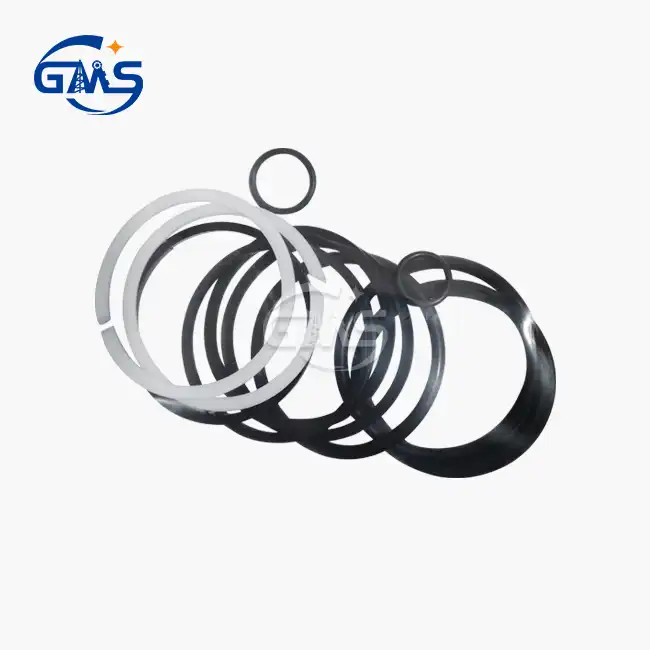
Replacing seals is an important part of maintenance that needs to be done correctly for the service to last as long as it was designed to. When installing seals, workers must make sure that there are no sharp points that could cut elastomeric materials and that directional seals are installed in the right way. Before putting the parts together, lubricating the seals with clean hydraulic fluid cuts down on installation friction and stops harm from dry-starting during the first pressurization. The way new seals are stored is very important. Exposure to ozone, ultraviolet light, or extreme temperatures breaks down elastomeric materials even before they are installed.
Performance Optimization: Enhancing DT12642 Cylinder Link Tilt Efficiency
The hydraulic system adjustment makes sure that the cylinder link tilt works within its design limits. This increases efficiency and keeps parts from being overstressed. Specification sheets must be compared to pressure settings, and relief valve changes must be made with precise test tools instead of by trial and error. Flow rates to the cylinder should match the needs of the actuator. Too much flow causes moves to happen too quickly and hydraulic shock, while not enough flow slows down work. Integrating proportional valves that change flow based on real-time position feedback is helpful for modern drilling operations.
Monitoring technologies give practical information that can't be gathered by looking at things by hand. Pressure sensors put in cylinder ports measure the actuator force as it moves through the stroke. This shows how resistance changes due to contamination or wear. Position monitors make sure that the whole stroke is executed and can tell when the machine stops too soon, which means there are problems inside. Temperature tracking shows when there is too much heat production due to internal leaks or not enough fluid cooling. Data logging systems keep track of these factors, which lets you look at trends that tell you when maintenance needs to be done before they affect drilling activities.
The DT12642 cylinder link tilt is part of a combined top drive system, and the way the different parts work together affects how well the system works as a whole. Instead of just looking at the cylinder when looking for performance problems, techs should look at the whole hydraulic system. Pressure drops in supply lines that aren't big enough limit the amount of power that can be used. When hydraulic lines get old, they delaminate inside, which stops the flow. Wear on the pumps lowers their volumetric efficiency, which makes all of the motors' cycle times longer. Fixing these underlying problems often leads to better performance than making changes at the component level.
For businesses that are having trouble with their current equipment, upgrading to cylinder designs from the current age can improve performance. Newer versions have better seal geometries that make servicing times longer and make them less likely to get contaminated. Better surface treatments on rod joints make them less likely to rust and cause friction. Inertial loads are lessened by lighter materials without lowering their strength. When buying, teams are thinking about upgrades; they shouldn't just look at the initial purchase price. They should also look at the total cost of ownership, which includes things like less upkeep and more uptime.
Procurement and Support: Buying and Servicing the DT12642 Cylinder Link Tilt
When looking for the DT12642 cylinder link tilt (P/N: DT12642), it's important to pay attention to quality standards and compatibility requirements that make sure it works well with current top drive systems. For Canrig 8035, 8050, and 6027 types, this part must still fit properly, which means that its dimensions and performance must match the original design parameters. At GMS, we keep these parts in stock so that we can support both regular maintenance and repairs that need to be done right away.
Quality guarantee separates trustworthy sellers from those who offer options that aren't up to par. Our manufacturing methods follow the rules set by ISO 9001 certification, with quality control checks built in at key points in the production cycle. Material verification testing shows that the alloy's makeup meets the standards for its mechanical properties. To make sure that tolerances are met, dimension checking using coordinate measuring tools is done. Before being shipped, hydraulic performance testing under artificial load conditions shows that the system can work. These quality controls make sure that the parts that come to your facility will work well and consistently, just the way your drilling operations need them to.
We've been in this business for over ten years and have learned that procurement managers need more than just low prices. They also need providers who understand the urgency of the job and the technical needs. Our team stays up-to-date on the latest technical information for top drive system apps. They can help you choose the right Canrig TDS cylinder parts, ask questions about compatibility, and fix problems. When there are questions about the specifications, we work directly with your maintenance teams to make sure they understand. This way, we don't ship wrong parts that cause fixes to be held up. We want to be a partner in the supply chain, not just a provider for transactions, and this consultative method shows that.
Operators who are in charge of multiple rigs or who are planning long drilling efforts can benefit from bulk buying. We set up inventory deals with procurement teams that balance the costs of keeping things in stock with the risks of having to buy things quickly in an emergency. Keeping wear parts like seal kits and linkage pins in stock, along with major parts like whole cylinder systems, makes it easy to get all the extra parts you need. These agreements are good for business because they protect operations and offer flexible payment terms and bulk prices.
Conclusion
The DT12642 Cylinder Link Tilt is an important part of top drive systems because it allows exact positioning control and keeps the ability to automatically return to neutral. Maintenance that includes regular checks, the right kind of lubrication, and replacing seals at the right time can increase the life of a machine and keep it from breaking down during important drilling stages. Understanding common problems like hydraulic leaks, mechanical locking, and uneven pressure lets repair teams come up with good ways to fix them. Using system calibration and tracking tools to improve performance makes operations as efficient as possible. When you buy from suppliers with a lot of knowledge, high-quality standards, expert help, and quick service, you can be sure that your choices will support long-term operational reliability.
FAQ
Q1: What makes the DT12642 cylinder link tilt compatible with multiple Canrig models?
The DT12642 keeps the same fitting measurements and hydraulic port layouts as the Canrig 8035, 8050, and 6027 top drive systems. This way of designing lets one part work with multiple platform types, which makes managing goods easier and makes buying things less complicated. Compatibility includes hydraulic pressure levels and stroke length specs, making sure that the parts work together correctly, even if the models are different.
Q2: How do I identify when seal replacement becomes necessary?
The most visible sign is hydraulic fluid leaks, but slower movement and less tilt range can also be caused by wear on the internal seals. Maintenance teams should keep an eye on cycle times and compare them to measurements taken at the start of the project. If the hydraulic pump needs to run for longer to do the same amount of work, this could mean that there is an internal leak that needs to be fixed. Unexpected breakdowns during operations can be avoided by replacing parts at intervals suggested by the maker.
Q3: Can environmental conditions affect cylinder link tilt performance?
Operating conditions have a big effect on how long parts last. Even with protective layers, saltwater exposure offshore speeds up rusting. Extreme cold changes the thickness of hydraulic fluid and the flexibility of seals. When temperatures are high, seal materials and thin hydraulic fluids break down, which makes greasing less effective. Adding gritty bits to drilling mud makes wear happen faster. Choosing the right products and taking steps to protect the environment can make something last longer in tough circumstances.
Partner with GMS for Reliable Canrig TDS Cylinder Components
Quality cylinder link tilt components keep drilling operations going smoothly, which cuts down on costly repairs and downtime. As a DT12642 Cylinder Link Tilt provider, GMS has more than ten years of experience providing parts that meet the original performance requirements and are also priced competitively. Our ISO 9001-certified production methods make sure that the quality of every unit we make meets the high standards needed for oil and gas drilling. Your repair plans stay on track because you don't have to wait long for parts, as you have a lot of inventory and short lead times. Contact our expert team at sales@gmssupply.com to talk about your unique needs. We offer detailed specs, compatibility checks, and application support to help procurement workers make smart choices about where to buy things. Our options are flexible enough to fit your business's needs, whether you need a single quick replacement or a full plan for your bulk inventory.
References
1. Smith, J.R. (2021). Hydraulic Systems in Modern Drilling Operations: Design and Maintenance Practices. Petroleum Engineering Publications.
2. Anderson, K.L. & Martinez, P. (2020). Top Drive Technology: Component Selection and Lifecycle Management. Oilfield Equipment Journal, Vol. 34, pp. 112-145.
3. Thompson, R.W. (2022). Predictive Maintenance Strategies for Drilling Equipment Hydraulic Systems. Industrial Maintenance Review, Issue 8.
4. Chen, H. & Davidson, M. (2023). Material Selection for Extreme Environment Drilling Components. Journal of Petroleum Technology, Vol. 75, No. 3.
5. Wilson, D.A. (2021). Quality Assurance in Industrial Component Manufacturing: ISO 9001 Implementation Guide. Manufacturing Standards Press.
6. Rodriguez, E.F. (2022). Troubleshooting Hydraulic Actuators in Oilfield Applications: A Practical Handbook. Drilling Systems Technical Publications.
Learn about our latest products and discounts through SMS or email