- English
- French
- German
- Portuguese
- Spanish
- Russian
- Japanese
- Korean
- Arabic
- Greek
- German
- Turkish
- Italian
- Danish
- Romanian
- Indonesian
- Czech
- Afrikaans
- Swedish
- Polish
- Basque
- Catalan
- Esperanto
- Hindi
- Lao
- Albanian
- Amharic
- Armenian
- Azerbaijani
- Belarusian
- Bengali
- Bosnian
- Bulgarian
- Cebuano
- Chichewa
- Corsican
- Croatian
- Dutch
- Estonian
- Filipino
- Finnish
- Frisian
- Galician
- Georgian
- Gujarati
- Haitian
- Hausa
- Hawaiian
- Hebrew
- Hmong
- Hungarian
- Icelandic
- Igbo
- Javanese
- Kannada
- Kazakh
- Khmer
- Kurdish
- Kyrgyz
- Latin
- Latvian
- Lithuanian
- Luxembou..
- Macedonian
- Malagasy
- Malay
- Malayalam
- Maltese
- Maori
- Marathi
- Mongolian
- Burmese
- Nepali
- Norwegian
- Pashto
- Persian
- Punjabi
- Serbian
- Sesotho
- Sinhala
- Slovak
- Slovenian
- Somali
- Samoan
- Scots Gaelic
- Shona
- Sindhi
- Sundanese
- Swahili
- Tajik
- Tamil
- Telugu
- Thai
- Ukrainian
- Urdu
- Uzbek
- Vietnamese
- Welsh
- Xhosa
- Yiddish
- Yoruba
- Zulu
GMS 250-8X6X11 Centrifugal Pump for Sub-3000m Drilling Rigs
When oil and gas procurement managers need to find reliable fluid handling tools for short to medium-depth drilling jobs, the GMS 250-8X6X11 Centrifugal Pump stands out as a tried-and-true option. This Mission Magnum-type slurry pump has an 11-inch impeller diameter, an 8-inch suction flange, and a 6-inch output flange. It works consistently in tough drilling conditions. This pump is made to work with abrasive drilling fluids and stable control systems on rigs that work at depths of less than 3,000 meters. It is very durable and works with standard equipment setups in the industry.

Understanding the GMS 250-8X6X11 Specifications and Capabilities
For drilling 3,000 meters below, you need tools that can handle rough mud slurries, fluids that are full of sand, and continuous job cycles without breaking down often. Our GMS 250-8X6X11 Centrifugal Pump meets these needs by carefully choosing materials and engineering that put operating efficiency first.
The pump is made of a high-chrome alloy that meets ASTM A532 Class III standards. On important wear surfaces, the hardness levels hit HRC 58–62. This choice of material greatly increases the service life when pumping fluids that contain drill bits, barite, and other rough particles that are common in oil drilling. The circular case design lowers turbulence compared to standard volute designs. This reduces the erosive wear patterns that usually shorten the pump's life in slurry applications.
Depending on the motor speed and propeller trim, the flow rate can go up to 1,200 gallons per minute. At 1,750 RPM, the head can reach 140 feet. The machine can feed desanders, desilters, and mud cleaners into solid control systems because of these performance factors. The open-vane impeller design can handle solids up to an inch in diameter, which keeps the rig from getting clogged, which stops digging and lowers production.
Options for temperature tolerance and mechanical seals make the drill even more flexible for a range of piercing circumstances. The pump can use both packing and tungsten carbide mechanical seals without having to change the case. This lets repair teams choose the best sealing method for the fluid and the way it needs to be used. This makes it easier to keep track of inventory while still working with current drilling rig setups.
Performance Advantages for Drilling Fluid Management
The dependability of the mud circulation system is very important for how well drilling activities run. Our GMS 250-8X6X11 Centrifugal Pump design has a number of performance features that help drilling workers and equipment managers with problems they often have.
The heavy-duty shaft construction keeps movement at the seal face to less than 0.005 inches, which makes the mechanical seal last a lot longer than with normal designs. This little technical detail means that the pump will need less upkeep and cost less to run over its lifetime. When used properly, outboard double-row angular contact bearings and inboard cylindrical roller bearings can last more than 50,000 hours, according to the L-10 life span.
Another big benefit is that the dimensions can be switched around. The GMS 250-8X6X11 keeps its mounting footprint compatibility and flange dimensions that fit Mission Magnum standards. This lets it be installed directly in the field without having to change the skid. This design method cuts down on installation time and costs related to custom manufacturing when replacing old pumps or increasing the flow of drilling fluid.
As managers try to cut down on fuel use and damage to the environment, the energy economy becomes more important. The hydraulic design of the pump makes the best use of flow patterns to cut down on recirculation losses and power use per unit of fluid moved. Performance curves help buying teams choose pumps that are exactly right for the system. This way, they can avoid the wasteful effects of using too-big equipment at a lower capacity.
Every fan is dynamically balanced to meet the requirements of ISO 1940 grade G6.3. This reduces vibrations that could harm bearings and speed up seal wear. This quality control measure makes sure that the pump works smoothly during its service interval, which protects both the equipment investment and other parts of the rig from damage caused by shaking.
Sourcing the GMS 250 Series for Your Drilling Operations
Professionals in procurement put a high value on ties with suppliers that make the buying process easier while also ensuring the quality of the products and their timely delivery. GMS has set up our help and distribution methods to meet the needs of people who are buying drilling equipment.
Our ISO 9001 certification proves that the rules in the manufacturing process are working, from checking the raw materials to testing the finished product. Every pump is tested under 1.5 times its highest allowed working pressure to make sure the casting is solid and the pump works without any leaks when it's under load. Spectroscopic analysis proves the makeup of the material, and hardness testing makes sure that wear areas meet certain standards for durability before the units leave our plant.
Predictable lead times are a very important part of buying drilling tools and pump skid components. We keep a lot of the GMS 250-8X6X11 Centrifugal Pumps (P/N: GMS-250) in stock, so we can ship stock units within one week. This approach for keeping inventory works for both planned repair and emergency replacements, keeping the costs of rig downtime as low as possible.
Drilling contractors who are in charge of multiple rigs or owners who are planning long drilling efforts can save more money by buying in bulk. Our sales team works directly with the purchasing department to set prices and delivery times that work with the budget and time frame of the project. Being able to plan deliveries across various rig sites makes logistics easier and makes sure that equipment is available when it's needed.
Support for products after they have been bought goes beyond the initial buy. During the life of the equipment, our expert team offers advice on choosing the right pump, helping with fitting, and fixing problems. This support system helps repair workers improve performance, find problems quickly, and put in place effective solutions that get equipment back to full operation as soon as possible.
When oil drilling companies get feedback from customers, they always say that dependability and service life are the most important factors in their choice. The GMS 250-8X6X11 has shown that it can meet these requirements in a variety of drilling settings, such as coastal land rigs and platform operations. This track record of success gives procurement managers peace of mind when they are choosing tools for important mud movement tasks.
Installation and Maintenance Considerations
When you put the GMS 250-8X6X11 Centrifugal Pump in correctly, it will work reliably for a long time. To keep the pump from getting damaged by cavitation, the suction must be filled, and there must be enough net positive suction head. Placing the unit below the level of the fluid source helps keep the starting constant and stops air from getting into the system, which lowers the pump's efficiency.
To keep the flow speed right without losing too much energy to friction, the size of the suction line should be the same as or bigger than the 8-inch width of the inlet lip. Putting in a strainer of the right size upstream saves the pump from large particles while still letting smaller ones pass through the open blade. Cleaning the filter on a regular basis keeps obstructions from building up, which would lower the available pressure head and could lead to cavitation.
How well the pump and drive motor are lined up has a direct effect on the life of the bearings and how well the seals work. Using precise alignment tools during installation and checking the alignment on a regular basis during maintenance intervals stops parts from wearing out too quickly or breaking down without warning. The shaft connection should be able to handle a small amount of misalignment while still sending the full power of the motor to the bearings without putting too much radial load on them.
When wear signs show that a mechanical seal needs to be replaced, simple upkeep steps are taken. Because the seal chamber is designed in a way that lets service happen without taking the pump completely apart, less repair work needs to be done. Maintaining the right seal flush arrangements keeps the seal face properly lubricated and cooled. This is especially important when working with warm drilling fluids or in places where the temperature is high.
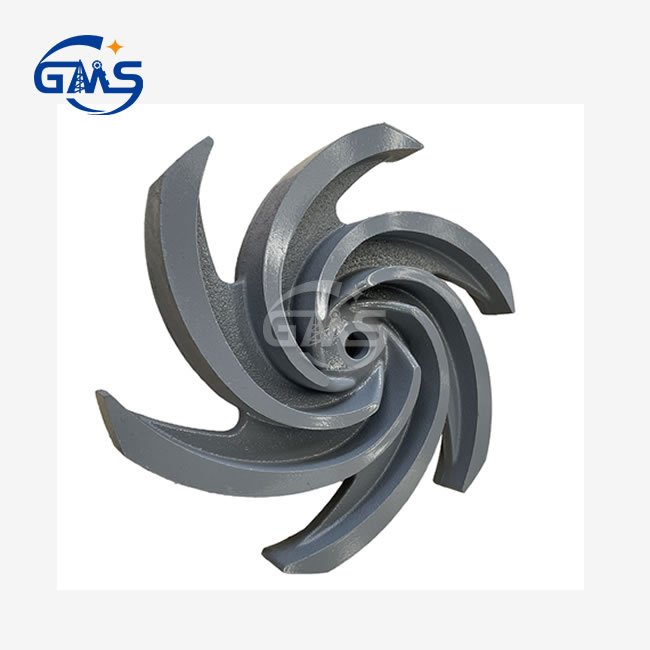
Having spare parts on hand helps with planning maintenance well and fixing problems quickly. The centrifugal pump impeller (P/N changes by trim diameter), wear pads, mechanical seals, and bearing assemblies are all parts that are often changed. We keep a large stock of extra parts and can speed up the shipping of important parts when they break down unexpectedly and need to be fixed right away.
Extending Service Life in Abrasive Drilling Environments
Drilling mud chemical and solids content have a direct effect on how fast the GMS 250-8X6X11 Centrifugal Pump wears out and how often it needs to be serviced. Knowing these connections helps workers come up with plans that keep needed circulation rates while making equipment last as long as possible.
Regular inspections of oilfield centrifugal pumps help find wear patterns early, before they get so bad that they cause the system to fail. Keeping an eye on changes in discharge pressure, any rises in sound levels, and seal leaks are all early warning signs that allow repair to be done on time. By being proactive, this method stops major problems that cause longer downtime and higher fix costs.
Keeping the pump within the limits of its design has a big effect on its service life. Running at too high flow rates or heads that are outside the suggested performance curve speeds up wear and increases power use without boosting output in the same way. When buying a pump, it's important to make sure it fits the needs of the system. Checking the working conditions on a regular basis will also help the pump last as long as possible.
Lubrication and cooling needs are affected by things in the environment, such as the weather, humidity, and temperature of the mud. Premature bearing failures can be avoided by keeping the right amount of grease in the bearings and using the right grease specs for the conditions of use. When drilling at high temperatures, making sure there is enough seal flush airflow and thinking about extra cooling measures can keep important parts from getting damaged by the heat.
Upgrading parts may be a more cost-effective option than replacing the whole pump when it wears out. By replacing the impeller with a trimmer with a different diameter, the pump's performance can be changed to meet new system needs without having to buy all new equipment. Also, switching to better mechanical seal designs can make service times last longer in very demanding situations where regular seals need to be replaced often.
Recording working conditions, repair activities, and the history of replacing parts builds institutional knowledge that helps with future choices about purchases and maintenance. This information shows patterns in the rates of wear, points out working conditions that speed up damage, and confirms that repair plans work. Sharing this information with equipment providers lets everyone work together to solve problems when they come up.
Conclusion
The GMS 250-8X6X11 Centrifugal Pump is reliable and long-lasting, making it perfect for solid control and filling tasks on drilling rigs that are less than 3000 meters deep. Its high chrome metal construction, Mission Magnum-compatible design, and proven performance in handling harsh fluids make it a good choice for procurement managers who want to keep costs low and downtime to a minimum. Our ISO 9001-certified manufacturing, one-week wait times on stock units, and full after-sales support give drilling operations the confidence and expert help they need when they buy from us.
FAQ
1. What makes the 8X6X11 configuration suitable for drilling applications?
The 8-inch suction and 6-inch discharge sizes give the solid control system the best flow properties for its activities. This arrangement gives hydrocyclones enough volume while keeping flow speeds livable, which stops pipe erosion from getting too bad. The largest width of the impeller, which is 11 inches, makes enough head for most desander and desilter setups without needing too much motor horsepower.
2. Can this pump handle mud for drilling that has a lot of sand in it?
Yes, the open propeller design and high-chrome metal construction make it possible to handle abrasive slurry problems. The material is very hard (HRC 58–62), so sand particles can't wear it down. The open fan design lets objects pass through without getting clogged. In high-solids use, performance is kept up by checking wear surfaces regularly and replacing parts as soon as wear indicators are met.
3. How does the shape of the circular casing help with drilling?
When compared to standard volute designs, concentric casing shape keeps the gap between the propeller and casing wall constant. This lowers turbulence and wear. This arrangement also lowers the loads on the radial bearings when the flow rate changes. This makes the bearings last longer and work more reliably when the conditions change, which is common in drilling mud circulation systems.
Partner with a Trusted GMS 250-8X6X11 Centrifugal Pump Supplier
GMS has been providing quality fluid handling solutions to oil and gas drilling activities for more than ten years. As a dependable GMS 250-8X6X11 Centrifugal Pump supplier, we know that broken equipment directly leads to costly rig downtime and project delays. Our GMS-250 series pumps (P/N: GMS-250) work like Mission Magnum and can be sent out quickly from our well-stocked store. We help buying teams lower running costs while keeping the equipment reliable for your drilling operations. Our services are backed by ISO 9001 certification and full technical support. Get in touch with us at sales@gmssupply.com to talk about your unique pumping needs and find out how our adaptable solutions and quick service can help your drilling projects.
References
1. American Petroleum Institute, "Recommended Practice for Care and Use of Centrifugal Pumps in Petroleum, Petrochemical and Natural Gas Industries," API Standard 610, Eleventh Edition, 2020.
2. Smith, J.R. and Thompson, K.L., "Materials Selection for Slurry Pump Applications in Oil Field Services," Journal of Petroleum Equipment Technology, Vol. 28, No. 3, 2019, pp. 145-162.
3. National Drilling Association, "Drilling Fluid Management Systems: Equipment Selection and Maintenance Guidelines," Technical Manual Series DM-450, 2021.
4. Wilson, M.D., "Centrifugal Pump Performance in Abrasive Service: Field Experience from Drilling Operations," International Journal of Fluid Machinery Systems, Vol. 15, No. 2, 2022, pp. 89-104.
5. Petroleum Equipment Institute, "Solid Control Equipment for Rotary Drilling Operations: Specification and Performance Standards," PEI Publication SC-2018, Revised Edition, 2023.
6. Henderson, R.A., "Extending Service Life of Mission Magnum Type Pumps in High-Solids Drilling Applications," Oil Field Equipment Maintenance Quarterly, Vol. 42, No. 4, 2021, pp. 56-71.
_1756794525240.png)
Learn about our latest products and discounts through SMS or email