- English
- French
- German
- Portuguese
- Spanish
- Russian
- Japanese
- Korean
- Arabic
- Greek
- German
- Turkish
- Italian
- Danish
- Romanian
- Indonesian
- Czech
- Afrikaans
- Swedish
- Polish
- Basque
- Catalan
- Esperanto
- Hindi
- Lao
- Albanian
- Amharic
- Armenian
- Azerbaijani
- Belarusian
- Bengali
- Bosnian
- Bulgarian
- Cebuano
- Chichewa
- Corsican
- Croatian
- Dutch
- Estonian
- Filipino
- Finnish
- Frisian
- Galician
- Georgian
- Gujarati
- Haitian
- Hausa
- Hawaiian
- Hebrew
- Hmong
- Hungarian
- Icelandic
- Igbo
- Javanese
- Kannada
- Kazakh
- Khmer
- Kurdish
- Kyrgyz
- Latin
- Latvian
- Lithuanian
- Luxembou..
- Macedonian
- Malagasy
- Malay
- Malayalam
- Maltese
- Maori
- Marathi
- Mongolian
- Burmese
- Nepali
- Norwegian
- Pashto
- Persian
- Punjabi
- Serbian
- Sesotho
- Sinhala
- Slovak
- Slovenian
- Somali
- Samoan
- Scots Gaelic
- Shona
- Sindhi
- Sundanese
- Swahili
- Tajik
- Tamil
- Telugu
- Thai
- Ukrainian
- Urdu
- Uzbek
- Vietnamese
- Welsh
- Xhosa
- Yiddish
- Yoruba
- Zulu
H10055 Counterbalance Valve vs Load Holding Valves
When selecting hydraulic valves for drilling operations, understanding the differences between H10055 Counterbalance Valve and load holding valves becomes crucial for equipment reliability. The H10055 Counterbalance Valve excels in maintaining pressure balance during dynamic operations, while load holding valves focus primarily on static load support. Both serve essential roles in hydraulic systems, yet their operational characteristics and applications differ significantly in oil and gas drilling environments.
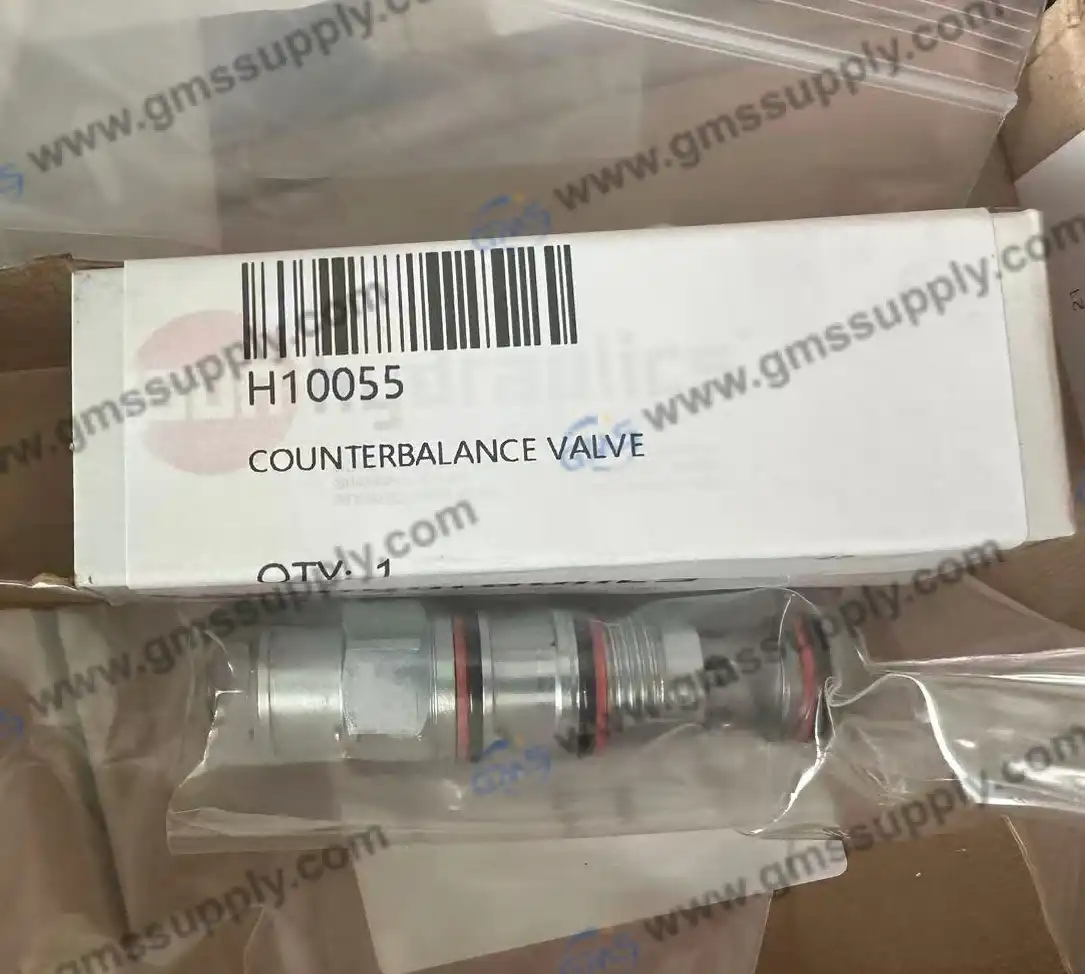
Understanding H10055 Counterbalance Valve Technology
The H10055 Counterbalance Valve is planned for requesting mechanical applications, advertising key highlights like weight stipend, stream direction, security integration, and stack detecting. It keeps up steady weight over changing loads, controls water powered liquid amid stack moves, and anticipates uncontrolled stack drops with pilot-operated instruments. The valve's stack detecting capability consequently alters to framework requests. Testing appears it accomplishes weight soundness inside ±2% amid stack cycles, which is basic for beat drive operations where reliable execution is key to boring effectiveness. For energetic stack control with weight stipend, balance valves outflank inactive holding solutions.
Application Scenarios in Oil & Gas Operations
Different drilling scenarios demand valves tailored to operational and safety needs. Canrig TDS top drive systems (8050, 8035, 6027AC) benefit from H10055 Counterbalance Valve, which provide continuous pressure adjustment and rapid dynamic response during active drilling. Pipe handling equipment, such as racking systems, favors load holding valves where secure, static positioning is critical. In top drive drilling operations, counterbalance valves manage complex pressure fluctuations, while holding valves ensure equipment stability during maintenance. For BOP systems, counterbalance technology delivers the fast response necessary in emergency situations. Overall, for active drilling operations requiring precise control and rapid pressure management, counterbalance valve systems offer superior responsiveness, reliability, and operational safety compared to standard holding valves.
GMS H10055 Counterbalance Valve Advantages
GMS provides comprehensive H10055 Counterbalance Valve solutions tailored for demanding oil and gas applications. Our ISO 9001 certified manufacturing ensures consistent quality, while precise compatibility with Canrig Top Drive models 8050, 8035, and 6027AC guarantees seamless integration. With stocked inventory enabling two-week delivery, operators minimize downtime, and competitive pricing delivers cost-effective performance. Over a decade of industry experience supports proper valve selection, and rigorous testing verifies pressure stability, flow control accuracy, and durability under harsh conditions. Premium materials resist corrosion and wear. Custom configurations and a global shipping network further ensure reliable, adaptable solutions for critical drilling operations.
Maintenance and Operational Considerations
Proper maintenance is essential for ensuring valve performance and longevity. H10055 Counterbalance Valves require hydraulic fluid inspection every 500 operating hours, spool checks during scheduled maintenance, and quarterly pilot system calibration, with seal replacement guided by performance monitoring. While these valves demand more frequent attention, proper care extends their service life significantly in demanding systems. In contrast, Stack Holding Valves have simpler maintenance needs, including annual seal inspections, bi-annual pressure testing, and basic cleaning, but they may require replacement more often. Overall, Stack Holding Valves suit low-maintenance applications, whereas Counterbalance Valves provide superior durability and reliability in high-demand hydraulic systems.
Conclusion
Selecting between H10055 Counterbalance Valve and load holding valve technology depends entirely on your operational requirements. Counterbalance valves excel in dynamic applications requiring precise pressure control and rapid response, while load holding valves serve static applications effectively. Understanding these fundamental differences ensures optimal valve selection for your specific drilling operations, ultimately improving equipment reliability and operational efficiency.
Partner with GMS for Your H10055 Counterbalance Valve Requirements
GMS stands ready as your trusted H10055 Counterbalance Valve manufacturer, delivering superior hydraulic solutions for critical drilling operations. Our extensive inventory, combined with ISO 9001 certification and proven industry expertise, ensures you receive reliable valve assemblies that meet demanding operational requirements. Contact our technical team at sales@gmssupply.com to discuss your specific application needs and discover how our H10055 Counterbalance Valve technology enhances your drilling efficiency.
References
1. Hydraulic Valve Design and Applications in Industrial Systems, Society of Petroleum Engineers Technical Manual, 2023
2. Counterbalance Valve Performance Standards for Drilling Equipment, American Petroleum Institute Guidelines, 2022
3. Load Holding Technology in Oil and Gas Operations, International Association of Drilling Contractors Technical Review, 2023
4. Hydraulic System Safety in Top Drive Applications, Journal of Petroleum Technology, Volume 75, Issue 8, 2023
5. Valve Selection Criteria for Drilling Equipment, Oil and Gas Equipment Manufacturers Association, 2022
6. Pressure Control Systems in Modern Drilling Operations, SPE Drilling and Completion Engineering Journal, 2023
_1756970934044.webp)
Learn about our latest products and discounts through SMS or email