- English
- French
- German
- Portuguese
- Spanish
- Russian
- Japanese
- Korean
- Arabic
- Greek
- German
- Turkish
- Italian
- Danish
- Romanian
- Indonesian
- Czech
- Afrikaans
- Swedish
- Polish
- Basque
- Catalan
- Esperanto
- Hindi
- Lao
- Albanian
- Amharic
- Armenian
- Azerbaijani
- Belarusian
- Bengali
- Bosnian
- Bulgarian
- Cebuano
- Chichewa
- Corsican
- Croatian
- Dutch
- Estonian
- Filipino
- Finnish
- Frisian
- Galician
- Georgian
- Gujarati
- Haitian
- Hausa
- Hawaiian
- Hebrew
- Hmong
- Hungarian
- Icelandic
- Igbo
- Javanese
- Kannada
- Kazakh
- Khmer
- Kurdish
- Kyrgyz
- Latin
- Latvian
- Lithuanian
- Luxembou..
- Macedonian
- Malagasy
- Malay
- Malayalam
- Maltese
- Maori
- Marathi
- Mongolian
- Burmese
- Nepali
- Norwegian
- Pashto
- Persian
- Punjabi
- Serbian
- Sesotho
- Sinhala
- Slovak
- Slovenian
- Somali
- Samoan
- Scots Gaelic
- Shona
- Sindhi
- Sundanese
- Swahili
- Tajik
- Tamil
- Telugu
- Thai
- Ukrainian
- Urdu
- Uzbek
- Vietnamese
- Welsh
- Xhosa
- Yiddish
- Yoruba
- Zulu
H10059 Hydraulic Valve: Performance Optimization Tips
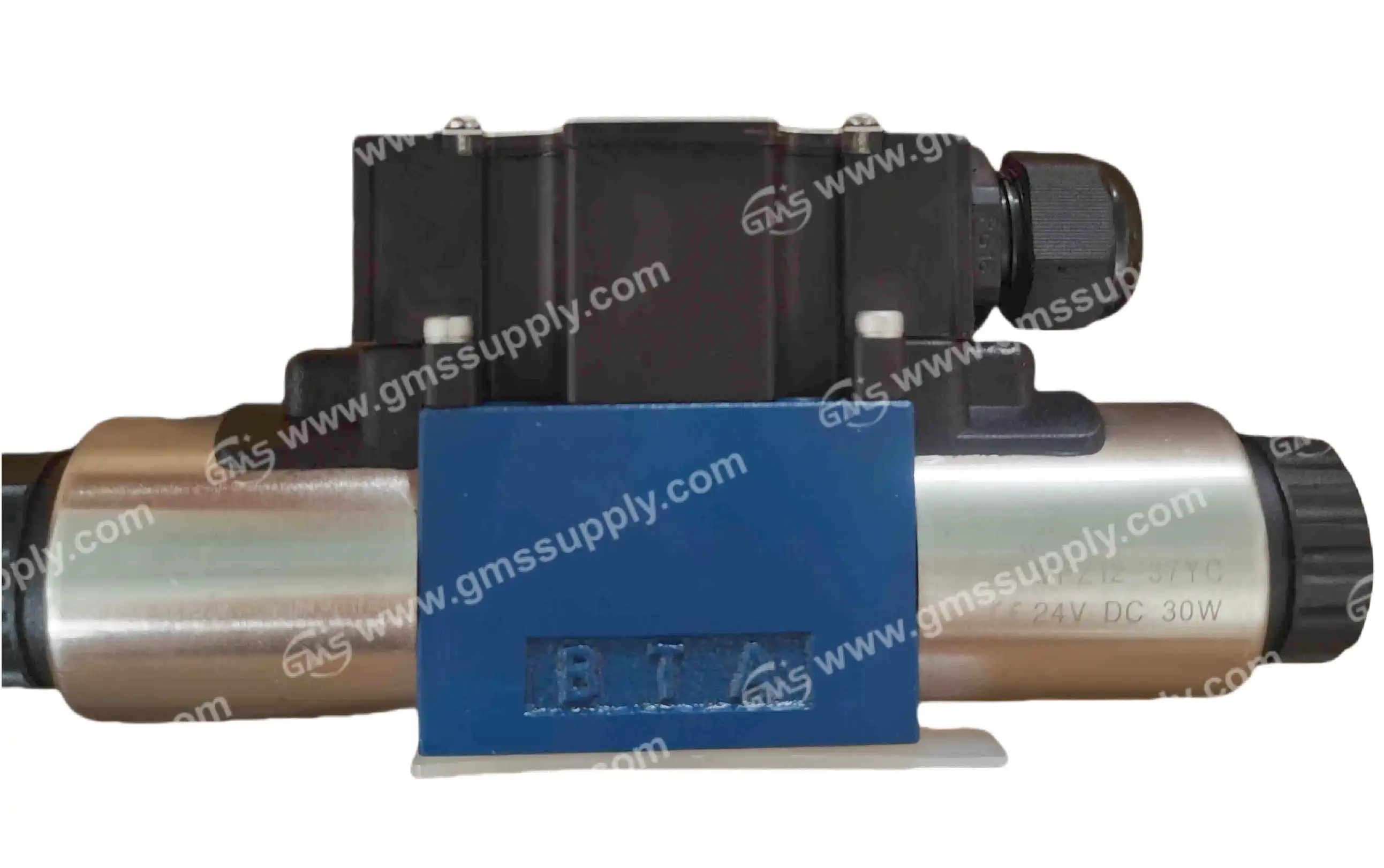
To get the most out of the hydraulic valve H10059, you must first understand what it does as a part of top drive systems used in oil and gas drills. This valve is made to work with Canrig Top Drive types 8050, 8035, and 6027AC. It precisely controls the flow of hydraulic fluid to various devices. For performance optimization to work, it's important to do things like install things correctly, do regular upkeep, make smart buying choices, and use advanced tracking technologies. By fixing common operating problems like seal wear and reaction times and making sure they work with your drilling equipment, you can greatly increase the service life of your valves and keep drilling without having to pay for costly downtime.
Assessing Current Performance and Identifying Bottlenecks in H10059 Hydraulic Valves
Any effort to improve the directional hydraulic valve H10059 must start with a study of how it works in real drilling situations. This valve works in top-drive systems where hydraulic pressure controls important functions. Even small mistakes can lead to big problems with operations.
The most basic way to measure valve health is to look at how consistent the pressure number is. The hydraulic valve H10059 can control the flow of hydraulic fluid between four ports by moving the cartridge between three different settings. When changes in pressure go beyond what is reasonable, it's hard for the valve to keep the actuator in the right place. Drilling businesses say that keeping an eye on the stability of the pressure while moving pipes around shows early signs of internal wear before a major failure happens. How quickly your top drive system reacts to operational orders is directly related to its flow capacity. How smoothly your drilling equipment's spinning changes go or how slowly they go, depends on how well the valve can quickly shift hydraulic oil. Valve state can be measured by checking flow rates at different operating stages, from standby to full rotational speed. Flow capacity that has been reduced usually means that there is contamination inside the valve body or old covers that let fluid flow around inside the valve. Response time decline shows up as delayed movement of the actuator after the control input. When a precise time is needed for drilling, a valve that takes a few milliseconds longer than expected to switch places can affect the quality of the pipe thread engagement. Changes in temperature in marine settings make this problem worse because changes in hydraulic fluid viscosity affect how fast the valve spool moves.
The most common thing that limits efficiency is a worn-out seal. The hydraulic valve H10059 has special seals that are made for high-pressure hydraulic settings. However, drilling fluid particles speed up the wear patterns. External leaks can be seen at the links between the manifolds, but when an internal seal fails, pressure is lost without any clear external signs. The procurement team should keep track of how often seals are replaced across their fleet to look for trends that could point to fluid leak problems that need to be fixed across the whole system. When dirt builds up in valve holes, it makes it harder for the wheel to move smoothly. Particulate matter is naturally created during drilling operations and can get into hydraulic lines even with filter systems in place. Even tiny particles scratching the finely ground valve spool surface make contact spots that make switching less accurate. Following the ISO 4406 cleanliness standards for regular fluid samples can help you figure out when contamination levels are getting close to dangerous levels. Electrical problems with the solenoids affect the 24V DC system that moves the valves. Uneven voltage, water getting into solenoid housings, or coil wear from heat cycle can make valve switching unreliable. During operation, diagnostic tests should check the voltage at the solenoid terminals and measure the resistance to figure out what's wrong with problems that happen from time to time.
Pressure testing the valve under load provides the most accurate performance assessment. Check if pressure ratings are being maintained by attaching precision pressure gauges to each port and rotating the valve through all three settings. A large pressure decrease across any port setup indicates an internal leak that needs repair or replacement. For flow analysis, calibrated flow meters enable you to compare real flow capacity to reported flow capacity. This test identifies partial blockages or internal wear patterns that restrict fluid flow. Because they may detect wear and tear before valve failures, drilling service firms that do flow tests every three months reduce unexpected valve failures by 40%. Thermal imaging detects valve body friction or fluid turbulence spikes during operation. Usually, anomalous heat generation precedes machine failure. This provides you time to design a replacement instead of an emergency repair during critical digging.
Proven Optimization Principles and Techniques for H10059 Hydraulic Valve
To get the most out of the hydraulic valve H10059 performance, you need to pay close attention to fitting standards, upkeep guidelines, and troubleshooting methods that fix problems before they become major equipment failures.
The valve will only work within its designed limits if it is mounted in the right way. The configuration valve (P/N C80350127) needs to be placed so that the port alignments fit the hydraulic schematic requirements for your Canrig top drive type. When things aren't lined up right, they put extra stress on connection points and can cause vibrations that speed up wear. The torque requirements for attaching bolts should be followed exactly as written by the maker. If the bolts are too tight, they can bend the valve body, but if they are not tight enough, they can move when the machine shakes. Preparing the hydraulic line before connecting it stops pollution from getting into the system. Leak-free operation is guaranteed by flushing lines well and using the right thread seals that are compatible with hydraulic fluids based on petroleum. Teflon tape shouldn't be used on hydraulic joints; instead, hydraulic thread sealants are made to do a better job of closing without the risk of particle exposure. For the 24V solenoid to work properly, the electrical connections need to be made with the right wire size and in a way that keeps the connectors dry. Connections in offshore fishing sites are exposed to salt spray and water, so marine-grade connectors are needed for long-term reliability. Check the polarity when you first put it. If the polarity is backwards, the valve won't work, and the solenoid coils could get damaged.
Inspection times should be based on how busy the drilling business is, not just on the calendar. Visual reviews should be done once a month on rigs that get a lot of use to check for external leaks, connection security, and the integrity of the solenoid housing. For equipment that isn't used very often, inspections can be done every three months without affecting its effectiveness. Valve life is directly affected by how well hydraulic fluid is maintained. Abrasive wear inside the valve can be avoided by keeping the fluid clean through proper filtration and regular fluid analysis. Filtration systems work best when filters are changed based on differential pressure readings instead of set times. When drilling in places with a lot of particles, the filters may need to be serviced more often. Unexpected breakdowns can be avoided by replacing seals at regular intervals. Even though seal life changes depending on how they are used, setting baseline replacement schedules based on working hours makes maintenance planning more reliable. Keeping track of when the seals on your valves were replaced helps you find units that are wearing out faster, which could mean there are problems further up the line.
When valves don't consistently change positions, carefully ruling out possible reasons keeps the wrong diagnosis from happening. Make sure that the voltage from the power supply hits the solenoid when it is loaded. A voltage drop in the supply wires can cause the motor to stop and start. Compare the solenoid's resistance to the specs. If it's not the same, it means the coil is damaged, and the solenoid needs to be replaced. Fluid viscosity or contamination problems are often the cause of slow valve reaction. When it's very cold, changes in viscosity cause valves to slow down until the fluid warms up. This problem can be avoided by using hydraulic fluids with the right viscosity index for your working climate. If the temperature is right, contamination probably stops the spool from moving, which means the valve needs to be taken apart and cleaned or replaced. If there is pressure loss across the valve while it is working, it means that the internal seal has failed. When the pressure at the opening is right, but the pressure at the exit is much lower, this is called internal leakage. In this case, the valve needs to be replaced because fixing the internal seal is usually not worth the money, as it takes a lot of work, and there is a chance that the repair won't be complete.
Procurement Considerations for H10059 Hydraulic Valves
When making strategic buying choices for the hydraulic valve H10059, you have to weigh current cost concerns against long-term operating reliability. This is why choosing the right supplier and purchasing method is so important to the success of a drilling operation.
Getting ISO 9001 approval is a good way to make sure that the manufacturing process follows the rules for quality control. GMS keeps its ISO 9001 certification, which makes sure that the hydraulic valve H10059 replacement units are always checked for quality during production. This approval is important when looking for different parts because it shows that the quality is checked on a regular basis instead of changing from batch to batch. Suppliers who understand application-specific needs are different from general hydraulic parts sellers because they have experience with top drive system components. Valve stocking depth is important for suppliers of drilling equipment parts because they know how important they are to the working of top drive systems. GMS has been specializing in oil and gas drilling equipment parts for ten years, which shows that they have the specific knowledge needed to help drilling activities run smoothly. Product compatibility testing makes sure that new valves meet the requirements. The three-position, four-way design of the hydraulic valve H10059 with a 24V DC solenoid must exactly match the part that was taken out. Cross-referencing part numbers—both OEM reference H10059 and GMS part number C80350127—shows that they work with Canrig Top Drive types 8050, 8035, and 6027AC.
When you buy a lot of extra parts for your whole fleet at once, you save money and make sure that parts are available when you need them right away. Companies that use more than one drilling rig can save money by buying in bulk and taking advantage of big discounts. You can save money and get things quickly by negotiating stock deals with suppliers that keep supplies for your business. Thinking about lead times has a big effect on business planning. When suppliers keep parts in stock, as GMS does, drilling equipment doesn't have to be taken out of service for long periods of time while waiting for parts. When planning repair shutdowns, it's best to check that parts are available before setting up work hours to avoid costly delays. Coverage under warranties and return policies guards against broken parts. Figuring out the real risk of a purchase is easier when you know the details of the guarantee, like whether it covers service costs or just replacement parts. Suppliers who are sure of the quality of their goods give warranties that are fair and reflect the standards of production.
Support services after the sale are what set sellers who work with you to achieve business success apart from vendors who just sell parts. When drilling activities need to change parts right away, responsive communication is important. Suppliers that respond quickly to questions and can ship quickly help keep operations running smoothly. Building ties before an emergency happens makes it easier to work together when time is of the essence. Documentation and technical tools help support teams get the most out of the performance of each part. Suppliers who offer fitting help, upkeep tips, and help with fixing problems allow drilling companies to get the most out of valve service life. Having access to technical knowledge enhances the maintenance skills of an organization, especially for those that don't have their own hydraulic system experts.
Conclusion
To get the most out of the hydraulic valve H10059, you need to know a lot about technology, buy things strategically, and do regular repairs. Because the valve is such an important part of the Canrig top drive system, it needs to be installed correctly, checked regularly for damage, and replaced before it stops digging. By learning about common speed problems like seal degradation and contamination, you can take specific steps to stop them from happening. Strategic supply ties with ISO 9001-certified companies like GMS make sure that parts are of good quality and can be found when they're required. Maintenance goes from being reactive to being proactive when continuous improvement methods like performance benchmarking, predictive monitoring tools, and cross-functional teamwork are used. These methods work together to make valves last longer, cut down on unplanned downtime, and support drilling operations that are efficient and regularly meet production goals.
FAQ
Q1: What causes the H10059 hydraulic valve to fail prematurely?
Most of the time, premature failure of the hydraulic valve H10059 is caused by contaminated hydraulic fluid, poor filtering, or seal decay due to chemical mismatch. When there is contamination, rough particles get into the precision valve spool and score it, making leaking routes and binding points. Using hydraulic fluids that don't work with valve seal materials speeds up the breakdown of chemicals. Electrical problems, especially changes in voltage or moisture in the 24V solenoid housing, can also make it not work. Most early failures can be avoided by checking the fluids regularly, keeping the filters in good shape, and keeping the electrical connections safe from the environment.
Q2: Can the H10059 valve be used in top drive models beyond Canrig 8050, 8035, and 6027AC?
The hydraulic valve H10059 is designed to work with Canrig Top Drive types 8050, 8035, and 6027AC. It has the right installation options and hydraulic specs for these systems. If you use this valve in other top drive brands or types, it might not work right, which could affect safety and performance. Before switching valves between different types of equipment, you should always make sure they are fully compatible, including the mounting pattern, port size, pressure levels, and electrical specs. Check the technical paperwork or get in touch with providers like GMS to make sure they are compatible.
Q3: How often should H10059 hydraulic valves be replaced in high-utilization drilling operations?
Replacement times are not set in stone; they depend on how the machine is being used. Condition-based monitoring, which keeps track of pressure stability, flow capacity, and reaction times, gives more accurate replacement dates than calendars. Recording patterns in valve performance across your fleet helps you set repair rules that are specific to each operation, which lowers costs and improves reliability.
Partner with GMS for Reliable Hydraulic Valve H10059 Supply
Drilling companies can't afford for tools to break down, which stops work and raises prices. GMS provides the hydraulic valve H10059 in a quality that meets the needs of Canrig Top Drive systems. Our ISO 9001 certification makes sure that our production standards are always the same, and our ten years of experience specializing in oil and gas drilling parts means that we know what your practical needs are. We keep a lot of stock on hand so that we can send stock with a four-week lead time, so that you don't have to wait a long time for important parts. Our expert support team helps with installation, fixing problems, and making sure that upkeep is done correctly. They offer support after the sale as well. GMS has high-quality products, quick service, and low prices for providers. They can help you change a valve in a situation or build an inventory for your whole fleet. You can reach our team at sales@gmssupply.com or visit gmssupply.com to talk about your unique needs and start working with a partner that will help your drilling business succeed.
References
1. Johnson, M.R. (2021). Hydraulic Control Systems in Modern Drilling Operations: Design and Optimization. Petroleum Engineering Press.
2. Chen, L. & Anderson, K. (2020). "Predictive Maintenance Strategies for Hydraulic Components in Top Drive Systems," Journal of Drilling Engineering, Vol. 45, No. 3, pp. 287-304.
3. International Organization for Standardization (2019). ISO 4406:1999 Hydraulic Fluid Power – Fluids – Method for Coding the Level of Contamination by Solid Particles. ISO Standards Catalogue.
4. Williams, T.E. (2022). Procurement Best Practices for Oil and Gas Equipment: A Strategic Approach. Energy Industry Publications.
5. Robertson, D. & Martinez, S. (2020). "Failure Mode Analysis of Directional Control Valves in Offshore Drilling Equipment," Offshore Technology Conference Proceedings, Houston, TX, pp. 1024-1039.
6. National Fluid Power Association (2021). Hydraulic Component Maintenance and Troubleshooting Guide, 4th Edition. NFPA Technical Publications.
Learn about our latest products and discounts through SMS or email