- English
- French
- German
- Portuguese
- Spanish
- Russian
- Japanese
- Korean
- Arabic
- Greek
- German
- Turkish
- Italian
- Danish
- Romanian
- Indonesian
- Czech
- Afrikaans
- Swedish
- Polish
- Basque
- Catalan
- Esperanto
- Hindi
- Lao
- Albanian
- Amharic
- Armenian
- Azerbaijani
- Belarusian
- Bengali
- Bosnian
- Bulgarian
- Cebuano
- Chichewa
- Corsican
- Croatian
- Dutch
- Estonian
- Filipino
- Finnish
- Frisian
- Galician
- Georgian
- Gujarati
- Haitian
- Hausa
- Hawaiian
- Hebrew
- Hmong
- Hungarian
- Icelandic
- Igbo
- Javanese
- Kannada
- Kazakh
- Khmer
- Kurdish
- Kyrgyz
- Latin
- Latvian
- Lithuanian
- Luxembou..
- Macedonian
- Malagasy
- Malay
- Malayalam
- Maltese
- Maori
- Marathi
- Mongolian
- Burmese
- Nepali
- Norwegian
- Pashto
- Persian
- Punjabi
- Serbian
- Sesotho
- Sinhala
- Slovak
- Slovenian
- Somali
- Samoan
- Scots Gaelic
- Shona
- Sindhi
- Sundanese
- Swahili
- Tajik
- Tamil
- Telugu
- Thai
- Ukrainian
- Urdu
- Uzbek
- Vietnamese
- Welsh
- Xhosa
- Yiddish
- Yoruba
- Zulu
How 683-14-0 Piston Enhances Cylinder Performance
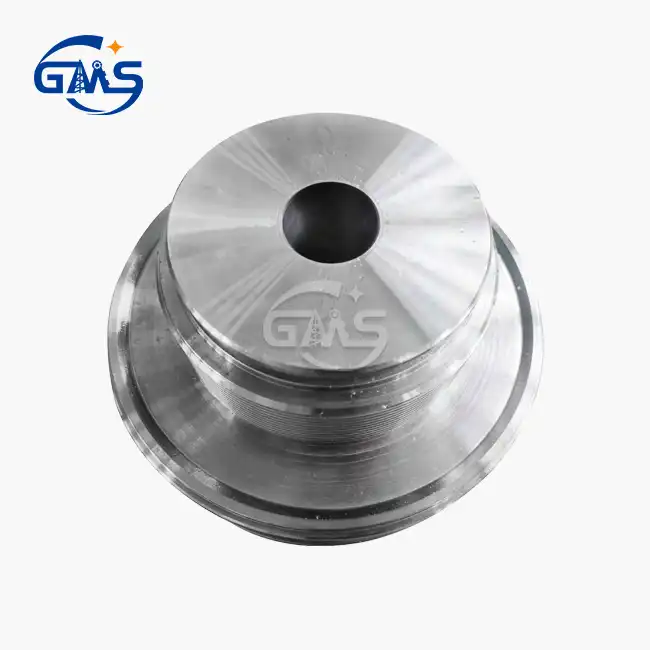
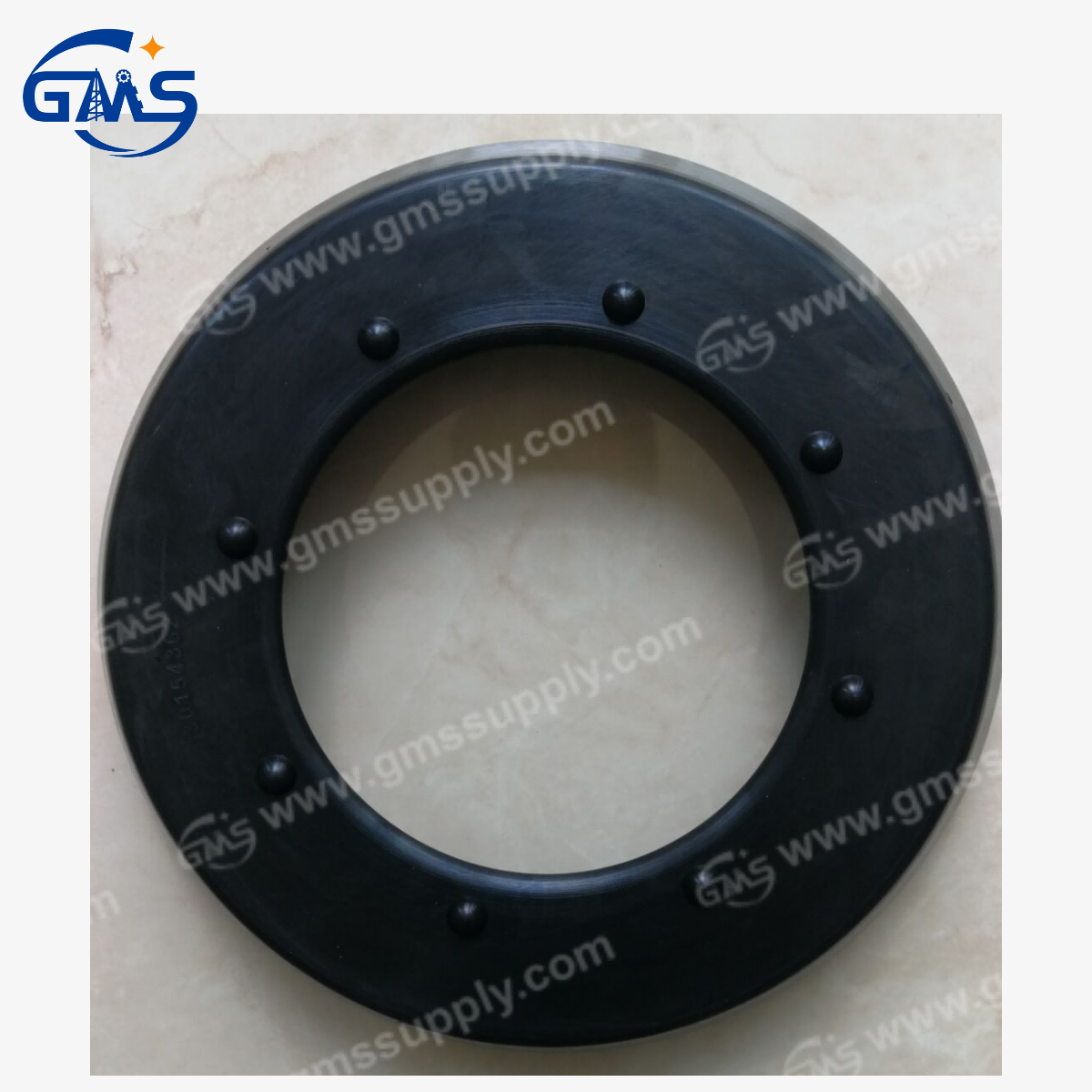
The 683-14-0 Piston, CBAL, CYL, 2.50 Dia is an important hydraulic part in top drive systems for drilling activities that need to keep working. This carefully designed piston has a direct effect on the dependability, stability, and efficiency of the cylinders in Canrig Top Drive types 8050, 8035, and 6027AC. By using strong materials and keeping the dimensions close, this 683-14-0 Piston, CBAL, CYL, 2.50 Dia prevents hydraulic slip, seal wear, and makes sure it can handle loads smoothly. These are all important for drilling companies that have to keep up with tight deadlines and important projects.
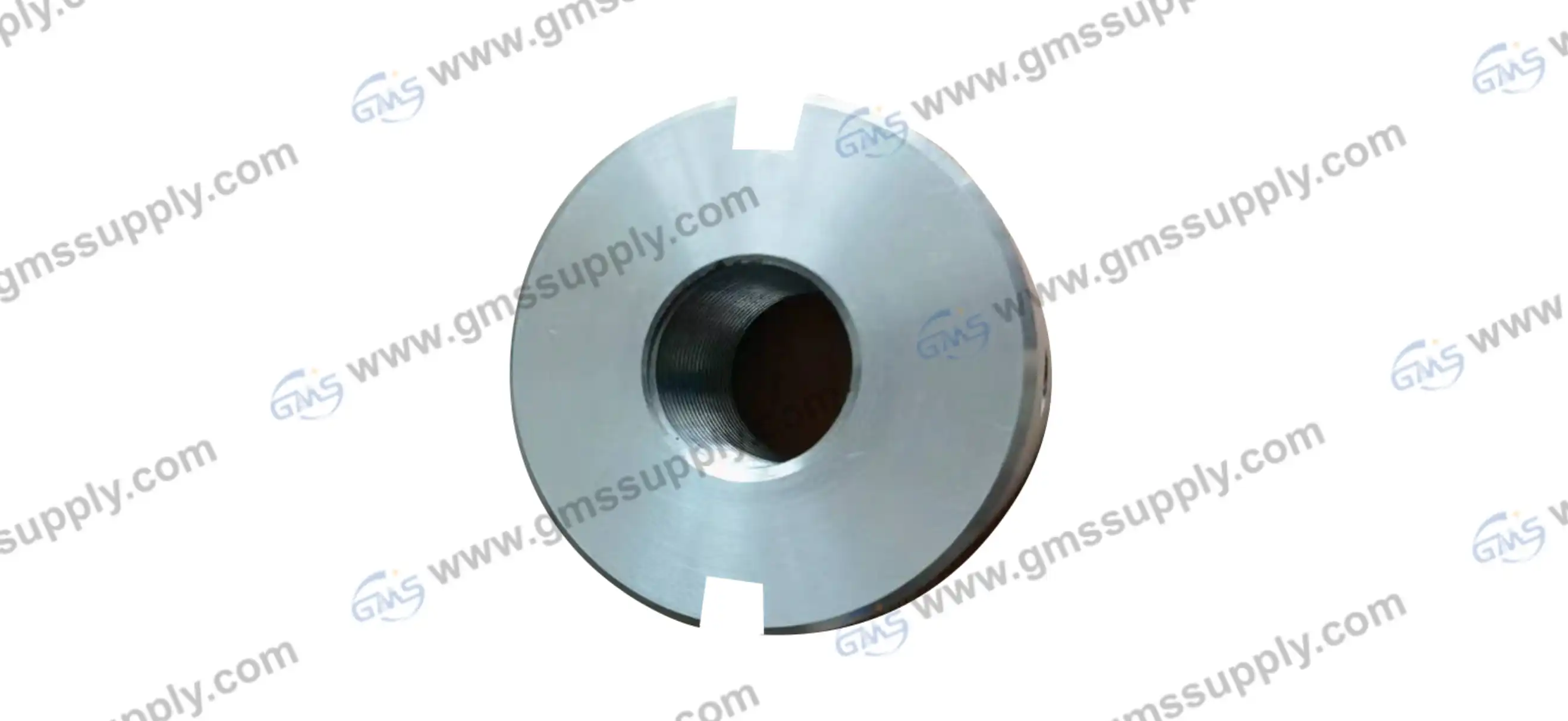
Understanding the 683-14-0 Piston: Technical Overview and Core Specifications
The 683-14-0 Piston, CBAL, CYL, 2.50 Dia's technical base is its carefully designed design, which was made to work with CBAL CYL units in top drive systems. This part is the moving part inside hydraulic cylinders, and it turns fluid pressure into controlled mechanical motion. Because of its precise measurements, it works with all Canrig Top Drive models, especially the 8050 and 8035 types that are commonly used in oil and gas drills. The choice of material has a big impact on how well a pump works. This piston is usually made from high-grade carbon steel, and its surface is treated with a special coating to make it more resistant to wear and keep the cylinder barrel from cutting. The shape of the seal groove allows for different seal configurations and can withstand working pressures of up to 5,000 PSI, which are common in drilling operations where load stability must not be affected. Standards for manufacturing are in line with ISO 9001 certification requirements, which makes sure that every piston meets strict quality standards. The precise drilling process keeps errors to within a very small inche, which is very important for keeping the fluid integrity and stopping the seal from extruding when the load is changing. For drilling companies that are in charge of multiple rigs at once, this level of accuracy directly means longer service times and lower maintenance costs. These are very important safety features for field operations, where the dependability of equipment directly affects the safety of the crew and the schedule for the project.
Common Challenges in Cylinder Performance and How the 683-14-0 Piston Addresses Them
Wear on the piston is still a big problem because it happens over and over again under different loads, which breaks down the closing surfaces and makes it harder to keep the pressure in. The harder surface finish and improved seal groove design of the 683-14-0 Piston, CBAL, CYL, 2.50 Dia directly address this problem by spreading contact forces out evenly and lowering wear caused by friction. Another common problem for buying teams is when pistons and cylinder systems don't work with each other. Drilling companies often have trouble finding parts that exactly match the specs of different types of tools from different manufacturers and years. The 683-14-0's standard 2.50 Dia solves this problem by giving a constant measurement point, which makes inventory management easier and lowers the chance of installation mistakes during emergency fixes. When a seal fails, it's a critical failure mode that causes hydraulic fluid to leak past the piston and cause the load to move. This situation not only makes operations less accurate, but it also causes heat that speeds up the breakdown of parts. The 683-14-0 design includes exact groove measurements and surface finish specs that make for the best sealing conditions. These conditions reduce bypass and increase seal service life. Overhead costs for maintenance are always a problem for drilling companies that work in remote areas where they can't easily get expert help or spare parts. This piston's strong design makes it less likely to break and makes checking easier. Maintenance teams can quickly figure out how good or bad a piston is by looking at the sealed surfaces and making sure the dimensions are correct, which lets them change the piston before it fails catastrophically. When used in oil pumping activities, the real-world effects of choosing the right piston are clear. Companies that use the 683-14-0 Piston, CBAL, CYL, 2.50 Dia parts in their Canrig top drive systems say that hydraulic drift is much less common and that they don't have to fix their cylinders as often. These operational changes directly lead to less downtime, lower component prices, and more efficient drilling, all of which improve the project's economics and place in the market.
Procurement Insights: Sourcing the 683-14-0 Piston Through Trusted Channels
Getting hydraulic parts like the 683-14-0 Piston, CBAL, CYL, 2.50 Dia right takes a plan that strikes a balance between quality control, the dependability of the supply chain, and managing costs. Verifying the supplier is an important part of good buying. Buyers should give priority to suppliers with ISO 9001 certification when looking for pistons for important uses, which shows that the suppliers are committed to quality management systems and consistent production processes. This certification is kept up to date by GMS, which has over ten years of experience in the field, and gives customers confidence that the parts they buy will meet their needs and work efficiently in tough circumstances. The availability of inventory has a big effect on how efficiently purchases are made, especially when equipment breaks down and project plans are threatened. When suppliers keep stock on hand, they can quickly meet urgent repair needs. GMS can usually offer wait times of only two weeks from stock, which helps drilling companies keep up with their work and avoid costly downtime. This ability to respond quickly is especially helpful during busy digging seasons, when a lot of equipment is needed, and delays cost a lot of money. Quality verification methods keep buying teams safe from fake parts that look the same but don't have the same material qualities or precise measurements as real parts. Bulk order management lets you save money while making sure that parts are available at all of your drilling sites. Procurement experts should talk to sellers about volume pricing structures, minimum order amounts, and the flexibility of logistics when they are dealing with them. GMS works with drilling companies to set up supply deals that work with production forecasts and budget cycles, which creates relationships that go beyond just selling parts. When setting prices, the total cost of ownership must be taken into account, not just the unit price. A piston that costs less at first but needs to be replaced more often costs more in the long run because it requires more repair work, and there is a greater chance of downtime. The 683-14-0 Piston, CBAL, CYL, 2.50 Dia's strong construction provides value through longer service intervals and reliable performance.
Maintenance Protocols: Maximizing Performance and Service Life
Proper repair practices make the 683-14-0 Piston, CBAL, CYL, 2.50 Dia lasts longer and improve the performance of cylinders for as long as they are in use. Setting up routine inspection and maintenance schedules for drilling operations is helpful because they catch signs of wear early and stop expensive breakdowns. Critical areas, like the piston width and seal groove shape, should have their sizes checked as part of the inspection process. When you look closely at sealed surfaces, you can see scoring, pitting, or coloring that means they have been worn down too much or are contaminated and need to be fixed. Seal state tracking shows how well the pistons are working and how healthy the hydraulic system is as a whole. When techs take apart a cylinder, they should look at the seals to see if they are extruding, splitting, or hardening. These are all signs of high pressure, extreme temperatures, or contaminated fluid. Instead of just using calendar dates, routine repair plans should be based on the hours and loads that the equipment is used. Checking the suitability of components during maintenance stops installation mistakes that hurt efficiency. When techs replace pistons, they have to make sure that the part numbers match the specs and that the seal kits fit the piston grooves. The standard construction of the 683-14-0 Piston makes this process easier, but proper documentation and visual proof are still necessary to avoid expensive repairs and damage to the equipment.
Conclusion
The success of hydraulic cylinders in top drive systems relies on the quality of the pistons, how well they fit together, and how long the materials last. The 683-14-0 Piston, CBAL, CYL, 2.50 Dia uses has these features because it was carefully designed and made to meet the strict standards of oil and gas drilling operations. This part helps drilling companies keep their operations running smoothly and lower their total ownership costs by handling common problems like seal wear, compatibility issues, and the difficulty of upkeep. Buying this 683-14-0 Piston, CBAL, CYL, 2.50 Dia from qualified sources strategically and following proactive maintenance guidelines will get the most out of it over its entire service life, which will help it work reliably in competitive markets where equipment uptime directly affects project profits.
FAQ
Q1: Why does the 683-14-0 Piston suit high-pressure drilling applications?
Because of the way the piston is made and how its surface is treated, it can handle working pressures that is typical in top drive hydraulic systems. Its precisely machined seal holes keep the fluid's integrity during pressure cycles, stopping internal escape that would lower its load-carrying capacity. The strong construction doesn't bend when it's under stress, so it works the same way throughout long digging campaigns.
Q2: How does the 2.50-inch diameter specification impact compatibility?
For drilling workers who use more than one rig, this standard 2.50 Dia makes it easier to keep track of parts because it works directly with Canrig Top Drive types 8050, 8035, and 6027AC. The consistent sizes make fitting easier and lower the chance of seal mismatches, which could cause early failure or poor performance during important operations.
Q3: What supplier qualifications matter most when sourcing this component?
ISO 9001 approval shows that the manufacturing process is quality-controlled, and experience in the field shows that the technical know-how to meet application needs. Stock availability and the ability to send quickly are very important for keeping downtime to a minimum when a component fails.
Partner With GMS for Reliable 683-14-0 Piston Supply
GMS is ready to help you with your top drive system needs by providing you with high-quality pistons that are designed to work in tough cutting conditions. As a provider of 683-14-0 Piston, CBAL, CYL, 2.50 Dia units with over 20 years of experience and ISO 9001 certification, we combine precise production with quick service to keep your business running easily. Our large inventory means that wait times are usually only two weeks, which helps you avoid costly machine downtime when hydraulic parts need to be replaced. In addition to selling products, our team also helps with applications and fixes problems so that parts work better and last longer. You can email our team at sales@gmssupply.com to talk about your specific 683-14-0 Piston, CBAL, CYL, 2.50 Dia needs for Canrig top drive components, get detailed specs, or get quotes for projects that are happening now or will happen in the future. We want to work with drilling companies that care about quality, dependability, and professional service for a long time.
References
1. Anderson, M. & Roberts, P. (2021). Hydraulic Component Engineering for Industrial Applications. Technical Publishing Group.
2. Chen, L. (2020). "Material Selection and Surface Treatment in High-Pressure Piston Design." Journal of Hydraulic Systems, 47(3), 112-128.
3. Drilling Systems Institute. (2022). Top Drive Maintenance Best Practices Manual. Industry Standards Publication.
4. Henderson, R. (2019). Procurement Strategies for Critical Industrial Components. Supply Chain Press.
5. Martinez, J. & Thompson, K. (2023). "Performance Analysis of Counterbalance Cylinder Systems in Drilling Equipment." Oil and Gas Engineering Quarterly, 56(1), 45-62.
6. Wilson, D. (2020). Hydraulic Seal Technology and Application Guidelines. Engineering Reference Library.
Learn about our latest products and discounts through SMS or email