- English
- French
- German
- Portuguese
- Spanish
- Russian
- Japanese
- Korean
- Arabic
- Greek
- German
- Turkish
- Italian
- Danish
- Romanian
- Indonesian
- Czech
- Afrikaans
- Swedish
- Polish
- Basque
- Catalan
- Esperanto
- Hindi
- Lao
- Albanian
- Amharic
- Armenian
- Azerbaijani
- Belarusian
- Bengali
- Bosnian
- Bulgarian
- Cebuano
- Chichewa
- Corsican
- Croatian
- Dutch
- Estonian
- Filipino
- Finnish
- Frisian
- Galician
- Georgian
- Gujarati
- Haitian
- Hausa
- Hawaiian
- Hebrew
- Hmong
- Hungarian
- Icelandic
- Igbo
- Javanese
- Kannada
- Kazakh
- Khmer
- Kurdish
- Kyrgyz
- Latin
- Latvian
- Lithuanian
- Luxembou..
- Macedonian
- Malagasy
- Malay
- Malayalam
- Maltese
- Maori
- Marathi
- Mongolian
- Burmese
- Nepali
- Norwegian
- Pashto
- Persian
- Punjabi
- Serbian
- Sesotho
- Sinhala
- Slovak
- Slovenian
- Somali
- Samoan
- Scots Gaelic
- Shona
- Sindhi
- Sundanese
- Swahili
- Tajik
- Tamil
- Telugu
- Thai
- Ukrainian
- Urdu
- Uzbek
- Vietnamese
- Welsh
- Xhosa
- Yiddish
- Yoruba
- Zulu
How 829-35-0 GUIDE PLATE Enhances Alignment Accuracy
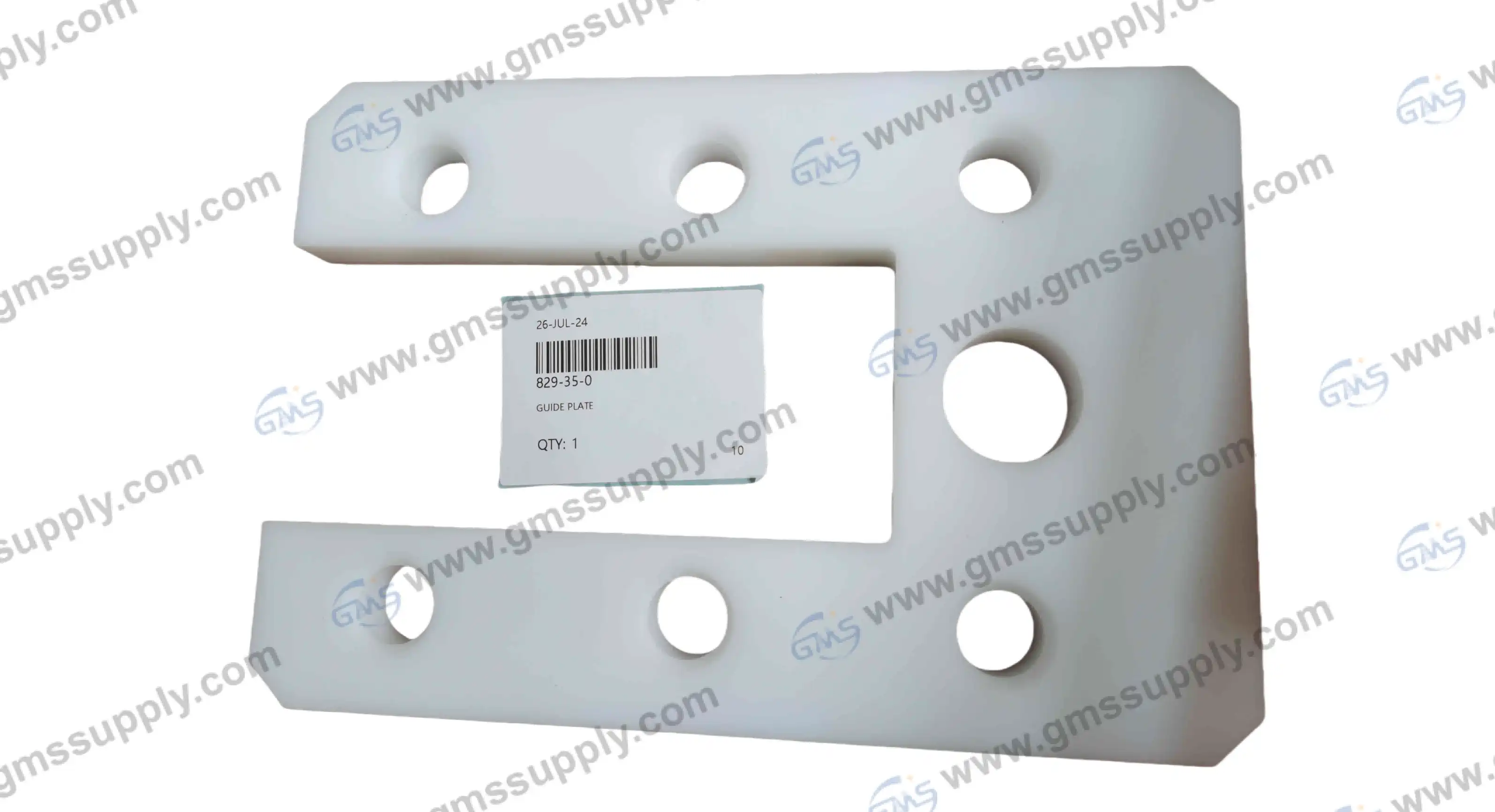
As an important part of oil and gas drilling top drive systems, the 829-35-0 GUIDE PLATE makes alignment much more accurate by keeping the system stable. This precision guide plate was designed to work as both a link and a load support element in Canrig systems. It keeps heavy mechanical parts from vibrating too much during oil and gas drilling processes. By keeping strict geometric tolerances and making sure that the contact areas are always the same, the part stops misalignment, which usually leads to earlier wear and inefficient operation.
Understanding the 829-35-0 Guide Plate: Specifications and Functions
In tough oil and gas drilling conditions, keeping tools precisely aligned has a direct effect on how much is done and how long it lasts. Because of its unique shape and materials, the 829-35-0 GUIDE PLATE meets these orientation needs. When purchasing managers look at important extra parts for top drive units, they need to know how certain parts affect how well the system works. As part of the Canrig top drive system, which works with types 8050, 8035, and 6027 in particular, the 829-35-0 GUIDE PLATE does a number of things at the same time. When oil and gas drilling can go on for days at a time, controlling vibrations is very important to keep sensitive mechanical connections safe. This part takes in and spreads out operating forces that would otherwise be focused on weak spots where rotating and stationary parts join. By spreading these loads out evenly, the guide plate stops stress buildups that cause parts to break too soon. Another important role is load sharing. As drill strings go through rock layers, heavy oil and gas drilling equipment creates strong forces. These forces cause uneven wear on drive parts and bearing systems if they are not managed properly. The guide plate is a structure that sits between the main load-bearing parts and directs these forces through planned paths that are meant to protect them. Vibration reduction in oil and gas drills goes beyond just making the work more comfortable.
Too much shaking speeds up metal wear, makes connection points loose, and lowers the accuracy of measurements from downhole sensors. When guide plates work properly, they stabilize things and keep the mechanical stability needed for safe processes and good data quality. Industry research shows that keeping vibration levels under control can add 30 to 40 percent more service life to parts compared to systems that let motion happen naturally. Quality manufacturing processes make sure that all batches of products are the same size. When a company is certified with ISO 9001, it can be sure that its manufacturing methods meet quality control standards that are known all over the world. This certification includes checking the quality of the raw materials, controlling the production process, and following strict final testing routines that all work together to make sure the reliability of the parts. The choice of material for guide plates strikes a balance between the need for strength and the conditions in which they will be used. Oil and gas drilling fluids have rough bits and chemicals in them that make the surfaces of parts harder to work with. Mechanical friction creates heat, so materials need to be able to keep their shape even when the temperature changes. Before parts go into service, good sources test the materials according to strict standards that check the required hardness and structural 829-35-0 GUIDE PLATE stability.
How the 829-35-0 Guide Plate Enhances Alignment Accuracy
Problems with alignment in top drive systems cause problems all over the oil and gas drilling process. Rotational axes get out of line when they move from where they should be, which causes too much load on the bearings, faster seal wear, and higher power use. Maintenance budget managers in procurement know that fixing alignment problems before they happen costs a lot less than fixing damage caused by long periods of misalignment. Operational data from oil and gas drilling activities shows that problems with alignment cause a lot of unexpected downtime. The 829-35-0 GUIDE PLATE improves performance by keeping things in line all the time because of how it's built, instead of needing constant attention. The exact fit of the guide plate on the top drive assembly's matching surfaces makes uniform reference points that don't bend when the assembly is loaded. These reference surfaces don't let parts move when oil and gas drilling forces change because of changes in the formation. Instead, they keep their relative places. Because of this stability, bearings, seals, and drive parts that benefit from stable alignment don't need to be serviced as often.
During oil and gas drilling rounds, changes in temperature cause metal to expand and shrink. As the system heats up and cools down, alignment problems happen in parts that can't handle these changes in size. The engineering process that went into making this guide plate takes thermal effects into account by including design elements that keep the alignment relationships stable across the temperature range that is common in oil and gas drilling. Furthermore, vibration damping is another way that this part keeps the accuracy of the alignment. When you do oil and gas drilling, vibrations happen at frequencies that can match up with parts of the top drive assembly's structure. Small misalignments start out small, but when resonance happens, they get bigger. These resonance patterns are broken up by the mass and placement of the guide plate. This lowers the intensity of the vibrations and protects the precision alignments.
Installation, Maintenance, and Troubleshooting of the 829-35-0 Guide Plate
Whether or not this part works as well as it could depends on how it was installed correctly. Maintenance teams that know about top drive units know that getting the initial placement right is the key to long-term dependability. Before putting the system back into service, the fitting process needs to pay close attention to the surface preparation, fastener torque specs, and alignment checks. Cleaning all contact surfaces very well is the first step in surface preparation. Oil and gas drilling fluid layers, rust, or mechanical debris can stop the proper fitting and cause the initial misalignment. As part of the cleaning process, the grease should be removed with a cleaner, and then the surface should be checked for damage that could weaken the link. Even small flaws on the surface can cause stress concentration places that cause cracks to start spreading when the load is cycled. When installing fasteners, they must be tightened according to torque guidelines set by engineering analysis. When fasteners aren't tight enough, they let parts move around, which defeats the purpose of the 829-35-0 GUIDE PLATE's security in line. When you over-tighten, you add too much preload, which can damage parts or make the material yield strength too high. Sequential tightening patterns and torque tools that have been calibrated make sure that the pressure is spread evenly across all connection points. After installation, alignment checks make sure that the part is where it should be in relation to system standards. Some measurement tools that can be used with oil and gas drilling equipment are number markers, laser alignment tools, 829-35-0 GUIDE PLATE, and geometric inspection fixtures. Recording measurements as they were when the equipment was put in gives repair inspectors a starting point for their work. Maintenance teams can find wear patterns before they cause a part to fail by inspecting it on a regular basis.
A visual inspection should focus on the state of the fasteners, any signs of stress between the contact surfaces, and any signs of cracks starting. Parts that are used in oil and gas drilling settings are under a lot of stress, which can cause fatigue cracks to form, especially at edges and geometric changes. Cleaning during regular maintenance gets rid of oil and gas drilling fluid leftovers that have built up and lets you look at the surface in great detail. These leftovers can hide problems that are already happening or speed up rusting in places that are weak. Setting up cleaning processes as part of regular maintenance lets you correctly judge the condition of parts and plan their replacement before they break. The number of working hours, load cycles, and wear patterns seen will determine when to replace it. Parts that have changes in size or damage to the surface that can be seen should be replaced before they mess up the balance of the system. Keeping important spare parts like the 829-35-0 GUIDE PLATE on hand lets you change them quickly when checks show that they are getting close to the end of their useful life. If there is too much shaking after fitting, it's likely that the fasteners weren't tightened enough or that contamination is stopping the proper surface contact. Fixing this problem involves taking everything apart, cleaning the surface, and putting it back together using the right steps. If there is persistent shaking even after proper installation, it could mean that there are issues with nearby parts that need to be looked into before the system can be put back into service. Accelerated wear patterns that are concentrated in certain areas point to a problem with the orientation of the whole system rather than problems with the guide plates. It is often possible to find the cause of wear that isn't symmetrical or localized by inspecting neighboring parts. Fixing these fundamental alignment problems keeps new parts from breaking down quickly.
Procuring the 829-35-0 Guide Plate: Smart Sourcing for Global B2B Clients
When buying important spare parts strategically, you have to balance a lot of things, like cost, quality certification, delivery reliability, and expert help. The part number 829-35-0 GUIDE PLATE (GMS internal code C80350044) is an example of a part where decisions made in the supply chain have a direct effect on operational readiness. Purchasing managers who are in charge of making sure that oil and gas drilling equipment is always available know that their sourcing strategies need to take wait times, quality checks, and source dependability into account. Quality approval gives you a neutral starting point for judging a supplier's skills. If a company has ISO 9001 certification, it means that its manufacturing methods include quality management systems for controlling materials, keeping an eye on production, and doing a final review. This organized approach to quality makes it less likely that you'll get parts that don't meet requirements, but approval doesn't ensure performance by itself. Buyers with a lot of experience check a supplier's certifications along with detailed talks that show how much they know and how well they can make things. Delivery dependability is affected by production capacity, especially when the oil and gas drilling business is in high demand. Suppliers who keep parts that are frequently asked for in stock can fill pressing orders that come up because of unplanned repairs. Lead time transparency lets procurement teams plan repair schedules around the availability of parts, so they don't have to wait to find out about delays after making orders.
When oil and gas drilling companies have to deal with downtime costs that can reach over a thousand dollars per hour, being able to ship from stock is very helpful. Technical help is what sets providers who understand application needs apart from those who are just selling parts. Suppliers who know what they're talking about can talk about how different Canrig models work together, suggest parts that work well together for full maintenance, and give installation instructions that help maintenance teams get the right results. This level of technical detail is especially useful when procurement workers have to support a lot of different types of equipment and rely on the knowledge of suppliers to help them choose the right parts. Unit price is only one part of the total cost of acquisition. When purchasing managers look at supplier offers, they should think about transportation costs, payment terms, quality risk, 829-35-0 GUIDE PLATE, and the "soft costs" that come with managing suppliers. Suppliers with slightly higher unit prices might offer better value by delivering on time, providing consistent quality, and providing quick help that makes administration easier. Buying in bulk usually saves money because of volume savings and ensures that parts are available for planned repair programs. Framework deals set prices and terms for multiple orders, which speeds up the buying process and makes supply chains more reliable. These arrangements work especially well for parts that have set service life patterns and can tell you when to change them based on oil and gas drilling operating data. When you buy something internationally, you have to think about things like customs processes, shipping times, and the risk of currency fluctuations. Suppliers who are skilled in global transportation can help you with all of these issues by helping with paperwork and coordinating things so that cross-border transactions go smoothly. When comparing local and foreign choices, it's important to know the full delivered cost, which includes duties and freight charges.
Conclusion
The accuracy of alignment in top drive systems has a direct effect on how well they work, how long their parts last, and how safe they are during oil and gas drilling operations. The 829-35-0 GUIDE PLATE meets the needs for alignment with designed features that keep parts stable, spread loads evenly, and lower vibrations during tough oil and gas drilling cycles. When purchasing this important part, people in charge should look at sellers based on their quality certifications, technical know-how, quantity of inventory, and ability to provide help. When you make strategic sourcing choices that put these factors and competitive prices at the top of your list, you create supply chains that can keep oil and gas drilling operations going while keeping maintenance costs low.
FAQ
1. What makes the 829-35-0 guide plate suitable for high-load drilling applications?
The design of the part includes choosing the right materials and adding geometric shapes that are perfect for the force levels found in Canrig top drive systems. The way the loads are distributed keeps the dimensions stable under working conditions and stops stress from building up in one place.
2. What inspection intervals are recommended for guide plates in continuous drilling operations?
The timing of inspections should match the longer repair intervals for top drives, which are usually between 500 and 1,000 operating hours, based on the drilling conditions. In situations with a lot of shaking or abrasive formation drills, shorter checks may be necessary to see how wear is progressing.
3. How do manufacturing standards affect long-term component reliability?
ISO 9001-certified manufacturing methods make sure that all batches of products have the same qualities and measurements. This consistency means that the service life can be predicted, and parts can be switched out, which helps with planning upkeep and keeping track of supplies.
Contact GMS for Your 829-35-0 GUIDE PLATE Supplier Needs
GMS keeps a ready supply of the 829-35-0 GUIDE PLATE designed for Canrig top drive applications. This gives procurement managers reliable access to important alignment parts when repair plans need them quickly. Our ISO 9001 certified manufacturing delivers performance equivalent to original specifications, while our decade of industry experience supporting oil and gas drilling operations ensures technical accuracy in component selection and application guidance. Our short wait times, quick expert support, and variety of ordering choices make it easy for procurement professionals to keep spare parts for Canrig systems 8050, 8035, and 6027 ready for both emergency replacements and planned maintenance programs. Get in touch with our team at sales@gmssupply.com to talk about your unique needs and find out how working with an expert guide plate supplier can help you meet your business uptime goals and streamline your purchasing processes.
References
1. American Petroleum Institute. "Recommended Practice for Top Drive Systems." API Specification 7K, 2019 Edition.
2. Canrig Drilling Technologies. "Top Drive Maintenance and Service Manual: Models 8000 Series." Technical Documentation, 2020.
3. International Organization for Standardization. "Quality Management Systems: Requirements." ISO 9001:2015 Standards.
4. Machinery Lubrication Institute. "Alignment Fundamentals for Rotating Equipment in Drilling Applications." Industrial Maintenance Quarterly, 2021.
5. National Association of Corrosion Engineers. "Materials Selection for Oil and Gas Production Equipment." NACE Publication 34109, 2018.
6. Society of Petroleum Engineers. "Vibration Analysis and Control in Drilling Operations." SPE Technical Paper 195847, 2020.
Learn about our latest products and discounts through SMS or email