- English
- French
- German
- Portuguese
- Spanish
- Russian
- Japanese
- Korean
- Arabic
- Greek
- German
- Turkish
- Italian
- Danish
- Romanian
- Indonesian
- Czech
- Afrikaans
- Swedish
- Polish
- Basque
- Catalan
- Esperanto
- Hindi
- Lao
- Albanian
- Amharic
- Armenian
- Azerbaijani
- Belarusian
- Bengali
- Bosnian
- Bulgarian
- Cebuano
- Chichewa
- Corsican
- Croatian
- Dutch
- Estonian
- Filipino
- Finnish
- Frisian
- Galician
- Georgian
- Gujarati
- Haitian
- Hausa
- Hawaiian
- Hebrew
- Hmong
- Hungarian
- Icelandic
- Igbo
- Javanese
- Kannada
- Kazakh
- Khmer
- Kurdish
- Kyrgyz
- Latin
- Latvian
- Lithuanian
- Luxembou..
- Macedonian
- Malagasy
- Malay
- Malayalam
- Maltese
- Maori
- Marathi
- Mongolian
- Burmese
- Nepali
- Norwegian
- Pashto
- Persian
- Punjabi
- Serbian
- Sesotho
- Sinhala
- Slovak
- Slovenian
- Somali
- Samoan
- Scots Gaelic
- Shona
- Sindhi
- Sundanese
- Swahili
- Tajik
- Tamil
- Telugu
- Thai
- Ukrainian
- Urdu
- Uzbek
- Vietnamese
- Welsh
- Xhosa
- Yiddish
- Yoruba
- Zulu
How Stainless Steel Shaft Sleeve 20943-21 Protects Pump Shafts in Oilfields
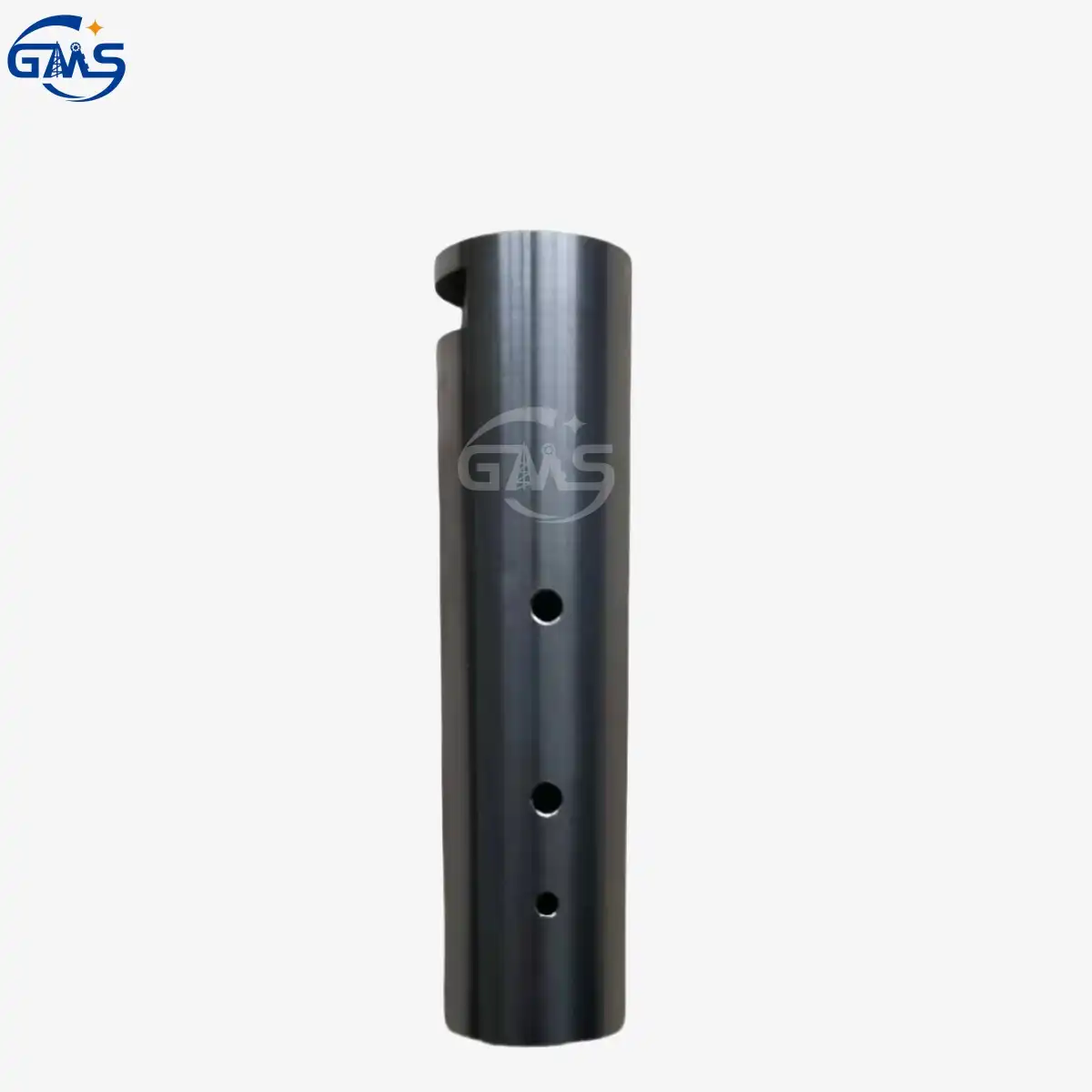
Stainless steel shaft sleeve- 20943-21 Sleeve, Shaft (M.S. Pump) serves as critical protective barriers for pump shafts operating in oilfield environments. These precision-engineered components create a sacrificial layer between abrasive drilling fluids and the pump shaft itself, absorbing the corrosive and mechanical damage that would otherwise shorten equipment lifespan. By fitting a Stainless steel shaft sleeve over the rotating shaft, operators effectively shield expensive pump components from the harsh chemicals, sand particles, and mineral deposits common in oil and gas drilling operations, extending service intervals and reducing unexpected downtime.


Understanding Stainless Steel Shaft Sleeves in Oilfield Pumps
The main job of a Stainless steel shaft sleeve is to keep corrosive fluids from coming into close contact with the pump shaft surface. When drilling fluids with rough particles move through centrifugal pumps, they wear away at the metal surfaces that are visible. A shaft cover made of stainless steel protects the shaft below from damage by wear over time. 304 and 316 stainless steel are common types of material, both are known for being very resistant to corrosion in tough situations. Grade 304 is a good all-around material for protecting against many chemicals, and it has enough mechanical power for light-duty uses. With more molybdenum added, Grade 316 is more resistant to corrosion caused by chloride and works better in high-salinity environments that are common in some drilling activities. The Stainless steel shaft sleeve- 20943-21 Sleeve, Shaft (M.S. Pump) is a great example of good design, as it comes in quality stainless steel that last longer in harsh environments. In sleeve uses, accuracy in measurements is very important. Tight tolerances make sure that the outer width of the sleeve and the seal components fit together correctly, and that the pump housing stays clear of them.
Why Stainless Steel Shaft Sleeves Are Ideal for Oilfield Pump Shafts
Some of the hardest situations for fluid handling equipment to work in are in oil and gas drilling. Solids that are mixed in with drilling mud work like wet sandpaper on metal surfaces. Formation waters often carry hydrogen sulphide, carbon dioxide, dissolved salts, and other chemicals that are bad for the earth. The changes in temperature between the top and deeper levels put thermal stress on parts. In these situations, Stainless steel shaft sleeve works better than others. Even though bronze sleeves can prevent corrosion in some situations, they wear down faster in rough conditions and may experience galvanic corrosion when paired with metals that are not the same. When carbon steel tubes are exposed to acidic or saline fluids, they rust quickly and need to be replaced often. Plastic or composite arms aren't strong enough for high-pressure pumping tasks, and they break down when they come in contact with oil and high temperatures. The chromium in stainless steel creates a passive oxide layer on the surface that fixes itself when it gets scratched, keeping it safe from rust all the time. Marine uses that deal with saltwater report similar performance benefits, with Stainless steel shaft sleeve still being structurally sound after years of being exposed to salt spray and chloride environments.
How Stainless Steel Shaft Sleeves Protect Pump Shafts in Oilfields
When drilling fluids come in touch with metal surfaces that aren't protected, shaft corrosion starts. Electrochemical processes break down the base metal, which causes pitting that gets worse over time. Corrosion and mechanical wear can make the shaft smaller, make the surface rough, which hurts seals, and eventually cause the shaft to break in a terrible way. If you place a Stainless steel shaft sleeve correctly, it stops this cycle of degradation by blocking harmful fluids from reaching the shaft in a way that doesn't rust. The sleeve acts as a wear part that can be replaced because it takes erosive wear and chemical attack. When the surface of the sleeve wears down too far, technicians can replace only the sleeve instead of the whole shaft, which makes the fix much cheaper. Before putting on the cover, the shaft surface should be cleaned well and checked for damage. Regular checking programs help sleeves last as long as possible. By looking at something visually during regular maintenance checks, you can find early signs of erosion or rust before the damage gets too bad. Operations teams can keep track of how long the Stainless steel shaft sleeve actually lasts and find the best times to change it by using real performance data instead of making up schedules.
Procurement Considerations for Stainless Steel Shaft Sleeves in Oilfields
When choosing the right Stainless steel shaft sleeve- 20943-21 Sleeve, Shaft (M.S. Pump) , you need to look at more than just the original purchase price,a dn make sure it should be compatible with the chemicals and working conditions. Even though grade 316 stainless steel costs more than grade 304, the longer life in chloride-rich settings often makes the extra money worth it. The dimensional standards must exactly match the needs of the pump design. By giving exact shaft diameter measurements, length needs, and any unique features like seal grooves or keyways, you can make sure that parts fit properly without having to be changed. There are a lot of providers that can make changes to fit specific pump configurations or operational needs. Verification of certification gives customers trust in the quality of the product and that it meets industry standards. Having ISO 9001 certification shows that a supplier keeps up with quality management systems that make sure production methods are always the same. Project planning and inventory control are both affected by lead times. Keeping popular sizes in stock makes it easy to fix problems quickly, which lowers the cost of downtime. GMS keeps a large stock of Stainless steel shaft sleeves and can deliver common configurations within one week. It is used for solid control and cementing tasks where effective shaft protection is important for running the job efficiently.
Technical Applications of Stainless Steel Shaft Sleeves in Oilfield Pumps
Stainless steel shaft sleeve protection is important for keeping centrifugal pumps working well in oil drilling activities. When drilling fluid is used in mud circulating pumps, the shaft sleeves need to be able to handle being exposed to rough particles while still functioning properly. A steady flow of sand-filled fluid wears away at surfaces that aren't protected, but stainless steel sleeves that are properly sized can handle these conditions for long periods of time. In some situations, temperature flexibility is very important. Stainless steel shaft sleeve keeps its mechanical properties and ability to fight corrosion over a wide range of temperatures, from surfaces that are almost frozen to high temperatures seen in thermal recovery operations. To keep the seal from leaking because of eccentric spinning, the outer diameter of the sleeve must stay round within certain limits. If the sleeve and shaft fit together correctly, power will be sent reliably without worrying about wear. Interference fits stop relative motion that could damage mating surfaces, and sleeves don't move axially during operation when shaft shoulder stops or holding devices are used properly.
Conclusion
Protecting pump shafts from the hostile environment of oil and gas drilling operations directly impacts equipment reliability and operating costs. Stainless steel shaft sleeve- 20943-21 Sleeve, Shaft (M.S. Pump) provide an economical solution that extends component life while maintaining operational performance. The combination of corrosion resistance, mechanical durability, and replacement cost-effectiveness makes these components essential for maintenance strategies focused on minimizing downtime and controlling expenses. Successful implementation requires matching material grades and designs to specific application demands, sourcing from suppliers who understand drilling industry requirements, and maintaining proactive inspection and replacement programs. When properly specified and maintained, Stainless steel shaft sleeve protection delivers measurable returns through reduced maintenance frequency, lower component costs, and improved pump reliability.
FAQ
1. How often should stainless steel shaft sleeves be replaced?
Replacement intervals depend on operating conditions, fluid characteristics, and component wear rates. Regular inspection every 500-1000 operating hours helps identify wear progression. Measure sleeve wall thickness and examine surface condition to determine remaining service life rather than relying solely on time-based schedules.
2. Can shaft sleeves be used with existing pump equipment?
Properly sized sleeves fit most standard centrifugal pump designs. Provide shaft diameter, length, and any special features like keyways or seal grooves when requesting compatibility information. Many suppliers offer technical support to verify fit with existing equipment.
Reliable Shaft Protection From a Trusted Stainless Steel Shaft Sleeve Supplier
GMS delivers proven Stainless steel shaft sleeve- 20943-21 Sleeve, Shaft (M.S. Pump) solutions backed by ISO 9001 certification and more than ten years of serving the oil and gas drilling industry. Our GMS-250 Centrifugal Pump shaft sleeves (P/N 7A0943, 7A0613) provide reliable performance in demanding solid control and cementing applications, available in both standard stainless steel Stainless steel shaft sleeve and ceramic-coated configurations. We maintain an extensive inventory for rapid delivery, typically shipping stock items within one week. Our technical team offers application support to ensure proper component selection, and our responsive customer service addresses questions throughout the procurement process. Contact our team at sales@gmssupply.com for detailed specifications, customized quotations, or technical assistance with your shaft protection requirements.
The above-mentioned brands are used for part number reference only. GMS is not an authorized agent or representative of any of the brands mentioned.
References
1. Smith, J.R., "Corrosion Resistance of Stainless Steel Alloys in Oilfield Applications," Journal of Petroleum Equipment Technology, 2021.
2. Anderson, M.K., "Extending Pump Service Life Through Proper Shaft Protection," Industrial Maintenance and Plant Operation, 2020.
3. Chen, L., "Material Selection for Fluid Handling Equipment in Corrosive Environments," Materials Engineering Quarterly, 2022.
4. Thompson, D.W., "Centrifugal Pump Reliability in Oil and Gas Operations," Drilling Equipment Performance Review, 2021.
5. Martinez, R., "Cost-Benefit Analysis of Wear-Resistant Components in Drilling Operations," Petroleum Economics and Management, 2023.
6. Wilson, P.T., "Maintenance Strategies for Rotating Equipment in Harsh Environments," Industrial Equipment Management Journal, 2022.
Learn about our latest products and discounts through SMS or email