- English
- French
- German
- Portuguese
- Spanish
- Russian
- Japanese
- Korean
- Arabic
- Greek
- German
- Turkish
- Italian
- Danish
- Romanian
- Indonesian
- Czech
- Afrikaans
- Swedish
- Polish
- Basque
- Catalan
- Esperanto
- Hindi
- Lao
- Albanian
- Amharic
- Armenian
- Azerbaijani
- Belarusian
- Bengali
- Bosnian
- Bulgarian
- Cebuano
- Chichewa
- Corsican
- Croatian
- Dutch
- Estonian
- Filipino
- Finnish
- Frisian
- Galician
- Georgian
- Gujarati
- Haitian
- Hausa
- Hawaiian
- Hebrew
- Hmong
- Hungarian
- Icelandic
- Igbo
- Javanese
- Kannada
- Kazakh
- Khmer
- Kurdish
- Kyrgyz
- Latin
- Latvian
- Lithuanian
- Luxembou..
- Macedonian
- Malagasy
- Malay
- Malayalam
- Maltese
- Maori
- Marathi
- Mongolian
- Burmese
- Nepali
- Norwegian
- Pashto
- Persian
- Punjabi
- Serbian
- Sesotho
- Sinhala
- Slovak
- Slovenian
- Somali
- Samoan
- Scots Gaelic
- Shona
- Sindhi
- Sundanese
- Swahili
- Tajik
- Tamil
- Telugu
- Thai
- Ukrainian
- Urdu
- Uzbek
- Vietnamese
- Welsh
- Xhosa
- Yiddish
- Yoruba
- Zulu
How to Maintain Gear Pinion 685-10-0 for Longer Service Life
Properly taking care of the Gear Pinion 685-10-0 makes it last a lot longer and lowers the costs of repairs and unwanted downtime. This pinion gear, which works with the bull gear to transfer power and torque in top drive systems, needs to be inspected regularly, properly oiled, installed correctly, and constantly checked for signs of wear like pitting or tooth thickness loss. By following structured maintenance protocols for oil and gas drilling environments, maintenance teams can make sure the Gear Pinion 685-10-0 is perfectly compatible with Canrig models 8035, 8050, and 6027 work reliably even in harsh conditions and protect their investment.
Understanding Gear Pinion 685-10-0: Specifications and Design Features
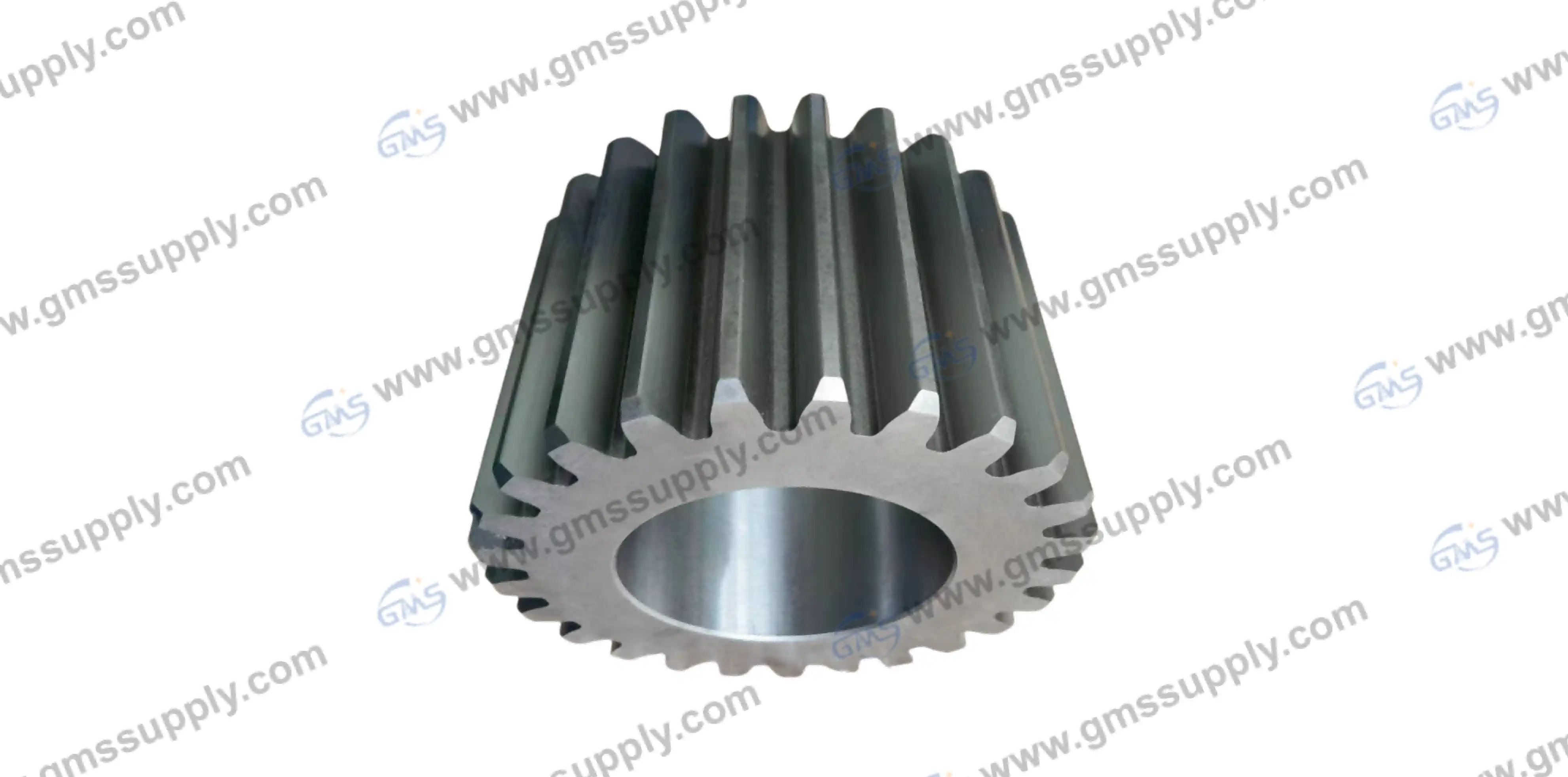
When working in tough oil and gas drilling situations with high torque loads and changing running conditions, the Gear Pinion 685-10-0 is designed to work perfectly. It fits perfectly into the top drive models like Canrig 8035, 8050, and 6027 for oil and gas drilling. When judging pinion gears for oil and gas drilling, manufacturing standards are very important. GMS makes this part in line with ISO 9001 standards, which ensures uniform material quality, accurate tolerances for size, and consistent performance qualities for oil and gas drilling. The gear teeth have changed to involute shapes that make the most of contact ratios and spread stress evenly across the engagement surfaces. This design factor has a direct effect on how things wear out and how often they need to be serviced in oil and gas drilling. This lets maintenance teams plan ahead for problems before they happen, instead of having to fix them when they happen in oil and gas drilling. The makeup of the material is also very important for how long it lasts in oil and gas drilling. The pinion is usually made from high-quality alloy steel that is heated to make the surface hard and the core softer. This dual-hardness profile stops surface wear from repeated meshing cycles and absorbs shock loads that happen during starting, shutdown, or quick changes in load in oil and gas drilling. When maintenance teams know about these design features for oil and gas drilling, they can make sure that the way they check and grease parts matches the engineering standards for those parts in oil and gas drilling, and spot early signs of wear.
Step-by-Step Maintenance Guide for Gear Pinion 685-10-0 in Oil and Gas Drilling
To maximize the performance of your Gear Pinion 685-10-0 while minimizing downtime, follow structured maintenance guide will help a lot for your whole top drive efficiency and service quality. First of all, establish inspection schedule is necessary. Conduct monthly inspections for high-use rigs, and for equipment with lighter job cycles, a quarterly check is sufficient. Document findings with photos and measurements to track wear over time. Secondly, measure backlash. Assess the backlash between the pinion and bull gear using dial indicators positioned perpendicular to the tooth surfaces. Excessive backlash indicates wear and deformation. Establish baseline measurements for new installations and monitor changes to identify when replacement is necessary. What's more, monitor lubricant condition is also a smart solution. Change intervals depend on usage and lubricant degradation. Use oil analysis to assess viscosity, acid numbers, and contamination levels. Typically, change oil every 2,000 hours or annually, whichever comes first. Reduce intervals in high-temperature, contaminated, or heavily loaded conditions. After that, also remember to ensure proper lubrication for these critical components. Confirm that all meshing areas receive adequate lubrication. Inspect splash patterns to ensure they properly reach gear teeth because inadequate lubrication can lead to localized wear. Last but not least, always check alignment. Use accurate measuring tools to assess alignment. Measure runout across the gear face; laser alignment devices can identify angular and parallel offsets. By following these steps, you can ensure the longevity and reliability of parts in oil and gas drilling applications.
Procurement Tips: Sourcing Quality Gear Pinion 685-10-0 for Long-Term Oil and Gas Drilling Use
Buying choices have a direct effect on how much upkeep is needed and how much it costs to run a component over its entire life in oil and gas drilling. Problems that only show up after installation and operation can be avoided by choosing the right source and checking the quality of the product before it is shipped for oil and gas drilling. Work with Gear Pinion 685-10-0 providers that are still certified under ISO 9001 and show they are dedicated to quality management systems for oil and gas drilling. This license shows that the manufacturing process includes checking the materials that come in, inspecting the work that is being done, and testing the finished product for oil and gas drilling. GMS has had ISO approval for more than ten years, which shows that we take a structured approach to quality control at all stages of production for oil and gas drilling. When pinions fail without warning in oil and gas drilling, they need to be replaced quickly to keep downtime to a minimum. We keep a lot of critical components in stock and we can ship it to customers anywhere in the United States the same day or the next day for oil and gas drilling. This stock access keeps your oil and gas drilling business from having to shut down for long periods of time while emergency parts are made or shipped abroad. Our professional team has worked in the field for more than ten years, helping with engineering building projects, oil and gas drilling, and maintaining industrial facilities for oil and gas drilling. We offer quick support to help customers improve installation methods, figure out problems with performance, and set up effective upkeep programs in oil and gas drilling.
Comparing Gear Pinion 685-10-0 with Alternative Options for Oil and Gas Drilling
Before making a purchase choice for oil and gas drilling, it's helpful to know how different pinion gear options work in different working situations and with different maintenance needs. The Gear Pinion 685-10-0 is the usual part for Canrig top drives used in oil and gas drilling, but comparing other options based on how long they last and how hard they are to maintain can help you get the best total cost of ownership in oil and gas drilling. The 685-10-0 strikes a good mix between performance and ease of upkeep in oil and gas drilling. Its 25-tooth design gives it a good contact ratio for smooth power transfer while keeping tooth strength high enough for normal oil and gas drilling loads. Different providers offer different levels of quality for parts based on the materials they use and how they treat them with heat for oil and gas drilling. Alternatives that are less expensive might use less complex alloy mixes or shorter heat treatment processes that hurt the consistency of the surface hardness, or the toughness of the core in oil and gas drilling. These differences in materials show up as faster wear rates, a higher chance of failing under shock loads, and shorter service times between repairs in oil and gas drilling. Looser specs on parts may make them cheaper at first, but they need to be adjusted more often and create higher dynamic loads that speed up wear across the whole system in oil and gas drilling. The GMS Gear Pinion 685-10-0 works just as well as the original parts and costs less because it is made more efficiently and shipped directly to customers for oil and gas drilling. Our team helps customers match the specs of a part to its real working conditions in oil and gas drilling.
Conclusion
If you want to make your Gear Pinion 685-10-0 last longer in oil and gas drilling, you need to do regular upkeep that includes greasing, alignment, cleaning, and inspections. By using the tips in this guide, maintenance teams can greatly lower the rate of wear, avoid sudden breakdowns, and get the most out of their investments in parts for oil and gas drilling. In tough oil and gas drilling settings, where equipment performance has a direct effect on project costs, the link between careful repair and operating efficiency is especially obvious. Partnering with suppliers who understand these oil and gas drilling operating needs and can provide both high-quality Gear Pinion 685-10-0 and help adds value beyond the initial purchase.
FAQ
1. How often should we check the Gear Pinion 685-10-0 when digging is going on?
The regularity of inspections should match the level of operation and the conditions of the surroundings. Regular eye checks once a month and more in-depth checks every three months, including measuring backlash and keeping track of tooth wear, are good for rigs that work nonstop in harsh settings.
2. What kinds of lubricants are best for making pinion gears last longer?
For sealed gearboxes, use ISO VG 220 or 320 gear oils that are made with high-pressure additives. These types of viscosity keep the right film thickness under the contact pressures that happen during power transfer, and they also have the right flow characteristics for systems that use splash lubrication.
3. Can we fix or re-machine old pinion gears to make them last longer?
It turns out that rebuilding pinion gears is not realistic and could be dangerous. After the material is removed by cutting, the hardened layer on the surface that was made during heat treatment can't be put back on. The only safe and cost-effective choice is to replace the tooth with new parts.
Partner with GMS for Reliable Gear Pinion 685-10-0 Solutions
Maintaining important drilling equipment needs both high-quality parts and help from suppliers who know what they're doing. GMS is a reliable seller of Gear Pinion 685-10-0 parts, meeting ISO 9001 standards and making sure they work the way the original specs said they should. We've been helping oil and gas drilling operations for ten years, so we really understand the reliability needs that drive your buying choices. We keep a large stock of the P/N 685-10-0 pinion gear that works with Canrig 8035, 8050, and 6027 top drive systems. This lets us complete your orders quickly and keeps your activities from being shut down for long periods of time. Email our team at sales@gmssupply.com to talk about your particular Gear Pinion 685-10-0 application needs.
References
1. American Gear Manufacturers Association. (2019). AGMA 2001-D04: Fundamental Rating Factors and Calculation Methods for Involute Spur and Helical Gear Teeth. Alexandria: AGMA Publications.
2. Dudley, D.W. (2018). Handbook of Practical Gear Design and Manufacture. 3rd Edition. Boca Raton: CRC Press.
3. International Organization for Standardization. (2019). ISO 6336-1:2019 Calculation of Load Capacity of Spur and Helical Gears - Part 1: Basic Principles. Geneva: ISO Standards.
4. Shipley, E.E. (2020). Gear Failures: Modes, Causes, and Preventive Maintenance Strategies for Industrial Applications. Machinery Lubrication Magazine Technical Series.
5. Society of Tribologists and Lubrication Engineers. (2021). STLE Handbook: Gear Lubrication and Maintenance Best Practices. Park Ridge: STLE Publications.
6. Wright, T.M. (2017). Predictive Maintenance for Power Transmission Components in Oil Field Equipment. Journal of Petroleum Technology, 69(4), pp. 78-84.

Learn about our latest products and discounts through SMS or email