- English
- French
- German
- Portuguese
- Spanish
- Russian
- Japanese
- Korean
- Arabic
- Greek
- German
- Turkish
- Italian
- Danish
- Romanian
- Indonesian
- Czech
- Afrikaans
- Swedish
- Polish
- Basque
- Catalan
- Esperanto
- Hindi
- Lao
- Albanian
- Amharic
- Armenian
- Azerbaijani
- Belarusian
- Bengali
- Bosnian
- Bulgarian
- Cebuano
- Chichewa
- Corsican
- Croatian
- Dutch
- Estonian
- Filipino
- Finnish
- Frisian
- Galician
- Georgian
- Gujarati
- Haitian
- Hausa
- Hawaiian
- Hebrew
- Hmong
- Hungarian
- Icelandic
- Igbo
- Javanese
- Kannada
- Kazakh
- Khmer
- Kurdish
- Kyrgyz
- Latin
- Latvian
- Lithuanian
- Luxembou..
- Macedonian
- Malagasy
- Malay
- Malayalam
- Maltese
- Maori
- Marathi
- Mongolian
- Burmese
- Nepali
- Norwegian
- Pashto
- Persian
- Punjabi
- Serbian
- Sesotho
- Sinhala
- Slovak
- Slovenian
- Somali
- Samoan
- Scots Gaelic
- Shona
- Sindhi
- Sundanese
- Swahili
- Tajik
- Tamil
- Telugu
- Thai
- Ukrainian
- Urdu
- Uzbek
- Vietnamese
- Welsh
- Xhosa
- Yiddish
- Yoruba
- Zulu
How to Replace Piston 588-04-3 on Drilling Rigs
Replacing Piston 588-04-3 on drilling rigs involves isolating the top drive system, safely removing worn components, and installing a verified replacement that matches OEM specifications for Canrig models 8035, 8050, and 6027. This critical procedure demands precise torque settings, contamination control, and post-installation pressure testing to maintain energy transmission integrity. Proper replacement minimizes unplanned downtime, ensures personnel safety, and preserves the operational efficiency essential to oil and gas drilling operations.
Understanding Piston 588-04-3: Properties and Functions
Piston 588-04-3 is an important mechanical part of top drive systems that has a direct effect on how much force and energy are transferred during rotational drilling activities. With the OEM reference number 588-04-3, this part works only with certain Canrig top drive types, such as the 8035, 8050, and 6027 models. The design of the part takes into account the tough working conditions that come up in both onshore and offshore drilling, where high-pressure hydraulic fluids, changing temperatures, and repeated mechanical cycles put materials to the test.
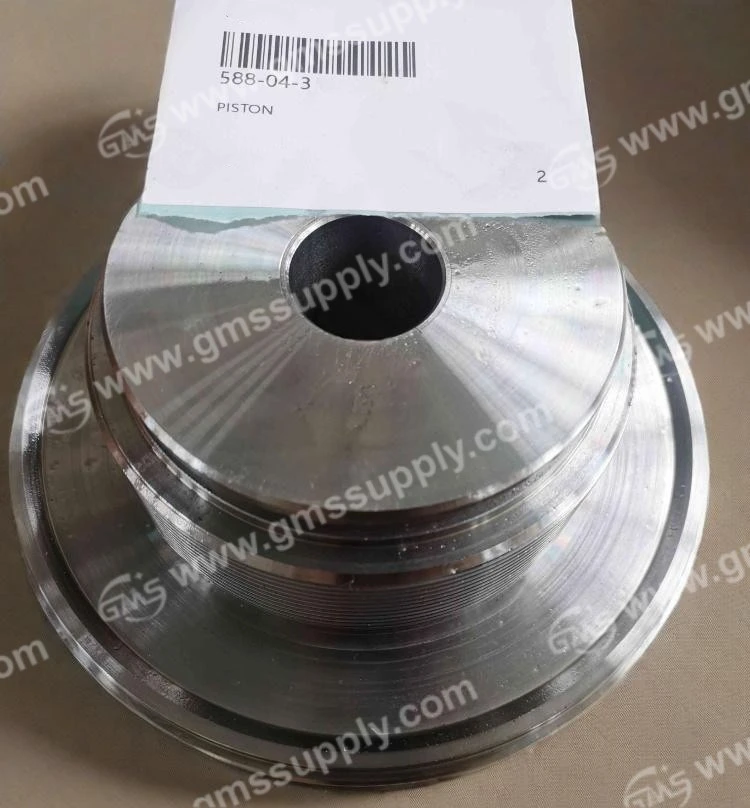
The materials are usually made of high-quality metals that are designed not to break under long-term compressive loads of more than a few thousand PSI. Surface treatments make things less likely to wear down and reduce friction, which makes them last longer when they're used continuously. Dimensional limits that are kept during production make sure that the parts fit properly in the cylinder bores and stop hydraulic overflow, which would lower the efficiency of the system.
The piston's job is more complicated than just moving in a straight line. It keeps the seals intact, which is important for keeping pressure inside, and it lets you precisely control the rotating force sent to the drill strings. Temperature tolerance ranges allow for thermal expansion during long operations, and chemical stability can handle being exposed to drilling mud additives and hydraulic fluids that are often used for exploration. By knowing these properties, tech teams can set performance limits and maintenance plans that are based on how important the system is to the business, not on random dates.
Diagnosing Issues: When and Why to Replace Piston 588-04-3
By recognising failure signs of the Canrig piston, you can stop catastrophic system failures that stop drilling activities and make fixing costs go through the roof. Unusual drops in pressure in the hydraulic circuit are a common sign. This can mean that the seal is wearing down or the surface is cutting, letting fluid pass through. Knocking sounds during torque cycling mean that there is too much space between the piston and the bore, and visible hydraulic fluid leaking means that the sealing surfaces are damaged and need to be fixed right away.
Particle contamination in hydraulic systems causes mechanical wear patterns. Abrasive materials mixed in with the fluid speed up surface erosion. Microcracks appear in weak materials when they are heated and cooled over and over again. This is especially true when drilling conditions go beyond what was planned. Corrosion happens in places where chemicals are exposed to water and chemicals are present. This causes cracking, which makes seals less effective and damages the structure.
There are effects of delaying repair that go beyond broken parts. Less efficient drilling directly leads to longer project timelines and higher fuel use as rigs try to make up for lost power. When Piston 588-04-3s get damaged, they can score the walls of the cylinder, which turns a simple part swap into a big repair job that needs the cylinder to be honed or replaced. It's hard for procurement managers to figure out when to replace things with the needs of the business. This means that they need to be able to accurately predict failures in order to avoid emergency shutdowns that mess up production plans and put a strain on relationships with project partners.
In real-life drilling situations, proactive repair based on inspection results always works better than reactive methods. A Gulf Coast operator saw a 23% drop in unplanned repair events after putting in place condition-based piston replacement methods. This proves that planned interventions make economic sense.
Step-by-Step Guide: How to Replace Piston 588-04-3 on Drilling Rigs
The process of replacing Piston 588-04-3 correctly starts long before the tools touch the equipment. To get ready, you need to put together specialised tools like torque wrenches that are set to the manufacturer's specs, seal installation devices that stop rolling or cutting during assembly, and cleaning solutions that are safe for hydraulic system materials. Personal protective equipment must include safety glasses that can withstand pressure, gloves that can handle chemicals, and shoes that meet rigorous safety standards.
Procedures for system separation keep people and things safe. Depressurising hydraulic circuits stops parts from ejecting out of place without warning, and lockout/tagout procedures make sure that power sources stay off during the process. A stable place to work is made by setting the top drive at maintenance height and locking it in place, so it can't move. Draining leftover hydraulic fluid into approved containers keeps the surroundings clean and lowers the risk of slipping.
To avoid damage to other things, removal methods need care. By disconnecting hydraulic lines one at a time, you keep fluids from getting mixed up between circuits. To avoid damaging fasteners and making reassembly harder, it's important to use the right tool contact when taking out holding hardware. Taking out the old piston carefully while making notes on its direction and position helps keep things organised during installation. By looking at the cylinder bore, you can tell if the surface needs to be treated before installing a new part.
When installing the new Piston 588-04-3 from GMS of Canrig top drive overhaul spare parts, you need to pay close attention to how clean everything is. Microscopic bits of contamination that are introduced during assembly speed up wear and lower the performance of the seal. Checking part number 588-04-3 against paperwork stops mistakes that could cost a lot of money. Using the right lubricant on sealing surfaces makes it easier for them to sit properly without pulling seals out of their holes. When entry is controlled, cocking doesn't happen, which could damage the new part or cut the bore surfaces.
The maker sets the patterns and numbers for the torque sequences. This makes sure that the clamping loads are regular and keep the seal compressed without distorting it. When reconnecting hydraulic systems, it's important to make sure that the fittings are clean and that the threads are properly engaged. Refilling the system with filtered hydraulic fluid that meets the specified viscosity levels keeps the lubrication working well at all temperatures.
Verification after installation includes checking the pressure at different levels and keeping an eye out for external leaks and unusually fast pressure drops that could mean an internal escape. Before putting equipment back to work in production, functional spinning under no-load situations makes sure it works smoothly. Recording information about replacements, such as part numbers, expert names, and dates, creates maintenance records that are needed to keep track of how long parts last and plan future repairs.
Procurement Insights: Sourcing High-Quality Piston 588-04-3
When buying industrial parts around the world, it can be hard for procurement professionals to tell the difference between reputable sources and dishonest sellers who sell low-quality parts. Verification of certification is the first step in an effective evaluation. Instead of depending on promises that haven't been proven, ISO 9001 paperwork shows organised quality management. The working past of a supplier shows how stable the organization is and how consistent the customer service is. This lowers the risks that come with warranty claims and finding replacement parts.
As a trusted provider that has been working with the oil and gas drilling industry for over ten years, GMS keeps a large inventory that allows for quick fulfilment without long lead times that stop operations. ISO certification shows that the company is dedicated to consistent production processes. Additionally, the company's big stock holdings reflect the fact that drilling operations can't wait weeks for parts to arrive.
Comparing technical specs can help you tell the difference between similar and inferior goods in important ways. Accuracy in measurements within micrometre ranges guarantees a good fit and function, while the makeup of the material directly affects how long it will last when put under stress.
Instead of just looking at the original buy price, pricing strategies need to take into account the total cost of ownership. When cheap parts break down too soon, they cause a lot of extra work, system downtime, and possible damage to other parts that are connected. This makes the costs go up and up. Framework deals with well-known sources like GMS, making prices more stable and ensuring parts are available when operations need to be fixed quickly.
Logistics issues of Canrig top drive parts in China affect project schedules and the cost of keeping goods on hand. Minimum order amounts affect the size of purchase batches, so it's important to find a balance between volume savings and storage space. When you ship something internationally, you have to deal with customs paperwork and different delivery times, which means you need to keep extra supplies on hand or find other ways to get them. Different types of payment terms, such as letters of credit and net payment plans, have financial effects that can change how you handle your cash flow and the way you work with your suppliers
Maintenance and Long-Term Storage of Piston 588-04-3
To keep the purity of parts between buying them and installing them, they need to be stored in controlled settings that keep them from breaking down. Temperature stability stops thermal cycles that could change the qualities of a material or cause metal surfaces to condense. Controlling humidity stops rust from starting, especially on parts that don't have protection coatings that were put on right before use. When sealed packaging is used, the cleanliness levels reached during production are maintained. This keeps particles from getting inside and affecting performance after installation.
Inventory rotation techniques make sure that older stock is used first, which keeps it from being stored for too long, which can cause it to go bad even with weather controls. Documentation systems that keep track of when things are received, where they are stored, and what was found during inspections make it possible to find parts that need to be revalidated before they can be used. Visual checks done on a regular basis find damage to the package or problems with the environmental controls before they make the parts useless.
Operational repair procedures make installed parts last longer by keeping an eye on them regularly and taking preventative steps. Hydraulic fluid analysis tools find patterns of contamination and breakdown products that show how healthy a system is. This lets problems be fixed before they damage parts. Scheduled maintenance for filters stops the flow of coarse particles that speed up wear on surfaces that were precisely polished. Monitoring operating parameters finds changes in the duty cycle that speed up the buildup of wear, which is used to make changes to maintenance intervals.
Training programs make sure that workers know how to handle things properly so that damage doesn't happen during installation and that they can spot early signs of failure during normal operations. Practical tests that check a technician's skills prove that they have the right skills to do good work that saves component investments. Failure analysis helps continuous improvement projects use what they've learned to make changes to the standards for purchases and the way things are maintained.
Conclusion
To keep the drilling rig reliable, replacing Piston 588-04-3 requires technical knowledge, strict following of procedures, and smart buying. Knowing the features and functions of a component helps you make smart choices about its care, and being able to spot failure signs lets you fix problems before they get too expensive. Systematic replacement processes keep people and equipment safe and make sure that new parts work the way they're supposed to. Getting from well-known providers with quality systems that have been checked and quick logistics makes operating disruptions less likely. When companies include these parts in their full repair plans, their equipment is more likely to be available and costs less over its lifetime. This helps them compete in the tough oil and gas drilling markets.
FAQ
1. What makes Piston 588-04-3 compatible with multiple Canrig top drive models?
The form of the part uses standard mounting and dimension connections that are the same for all Canrig 8035, 8050, and 6027 top drive systems. This way of building cuts down on inventory complexity while keeping interchangeability, so a single part number can work with different types of tools from the same family.
2. What operational factors most significantly impact piston replacement frequency?
The main things that speed up wear are the amount of contamination in the hydraulic fluid, the extremes of the working temperature, and the severity of the job cycle. Operations that follow strict filtering standards, stay within thermal limits, and avoid long-term overload situations greatly increase the lifespan of Piston 588-04-3s compared to settings that don't care about these things.
Partner with GMS for Reliable Top Drive Components
For drilling to stay efficient, you need to be able to get reliable top drive system parts that are backed by quick expert help and regular availability. GMS offers ISO-certified Piston 588-04-3 that meets strict performance standards for Canrig 8035, 8050, and 6027 types. It combines stable performance with cost-effectiveness that meets budget needs without sacrificing operating integrity. Because we've been in this business for ten years, we know how hard it is for drilling operations to buy the things they need, whether they need to repair something right away or build a collection for planned maintenance.
Having a lot of stock on hand gets rid of annoying delays that make breaks last longer and raise project costs. Flexible solutions can handle different order sizes and shipping times that work with business planning cycles. Contact our technical team at sales@gmssupply.com to talk about your specific top drive repair needs and find out how working with a well-known Piston 588-04-3 provider can make your purchasing easier while also supporting reliable drilling operations.
References
1. Smith, J. and Williams, R. (2021). Top Drive System Maintenance in Modern Drilling Operations. Petroleum Engineering Publishers, Houston.
2. Anderson, M. (2020). Hydraulic Component Failure Analysis in Oilfield Equipment. Industrial Reliability Press, Denver.
3. Chen, L. and Kumar, P. (2022). Quality Assurance Practices for Critical Drilling Rig Components. International Journal of Oil and Gas Technology, Volume 15, Issue 3.
4. Thompson, K. (2019). Procurement Strategies for Heavy Equipment Maintenance. Supply Chain Management in Energy Sector, Aberdeen.
5. Rodriguez, A. (2023). Predictive Maintenance Applications in Top Drive Systems. Drilling Technology Review, Volume 28, Issue 2.
6. Mitchell, D. and Brown, S. (2020). Metallurgical Considerations for High-Pressure Hydraulic Components. Materials Engineering Quarterly, Volume 42, Issue 4.
Learn about our latest products and discounts through SMS or email