- English
- French
- German
- Portuguese
- Spanish
- Russian
- Japanese
- Korean
- Arabic
- Greek
- German
- Turkish
- Italian
- Danish
- Romanian
- Indonesian
- Czech
- Afrikaans
- Swedish
- Polish
- Basque
- Catalan
- Esperanto
- Hindi
- Lao
- Albanian
- Amharic
- Armenian
- Azerbaijani
- Belarusian
- Bengali
- Bosnian
- Bulgarian
- Cebuano
- Chichewa
- Corsican
- Croatian
- Dutch
- Estonian
- Filipino
- Finnish
- Frisian
- Galician
- Georgian
- Gujarati
- Haitian
- Hausa
- Hawaiian
- Hebrew
- Hmong
- Hungarian
- Icelandic
- Igbo
- Javanese
- Kannada
- Kazakh
- Khmer
- Kurdish
- Kyrgyz
- Latin
- Latvian
- Lithuanian
- Luxembou..
- Macedonian
- Malagasy
- Malay
- Malayalam
- Maltese
- Maori
- Marathi
- Mongolian
- Burmese
- Nepali
- Norwegian
- Pashto
- Persian
- Punjabi
- Serbian
- Sesotho
- Sinhala
- Slovak
- Slovenian
- Somali
- Samoan
- Scots Gaelic
- Shona
- Sindhi
- Sundanese
- Swahili
- Tajik
- Tamil
- Telugu
- Thai
- Ukrainian
- Urdu
- Uzbek
- Vietnamese
- Welsh
- Xhosa
- Yiddish
- Yoruba
- Zulu
Lube Pump H01-1001-010: Maintenance Tips for Longer Lifespan
If you want to keep the H01-1001-010 oil pump working at its best in top drive systems for oil and gas drilling, you need to pay close attention to it and take good care of it. This special lubrication pump was made to work with Canrig 8035, 8050, and 6027 top drive types. To make sure it lasts as long as possible, it needs regular upkeep. By giving their important drilling equipment the right care and servicing it at the right times, drilling companies and maintenance teams can keep it from breaking down early, cut down on unnecessary downtime, and protect their investment. Knowing how to maintain this H01-1001-010 oil pump will directly lead to better tool performance and a lower total cost of ownership across all of your drilling activities.
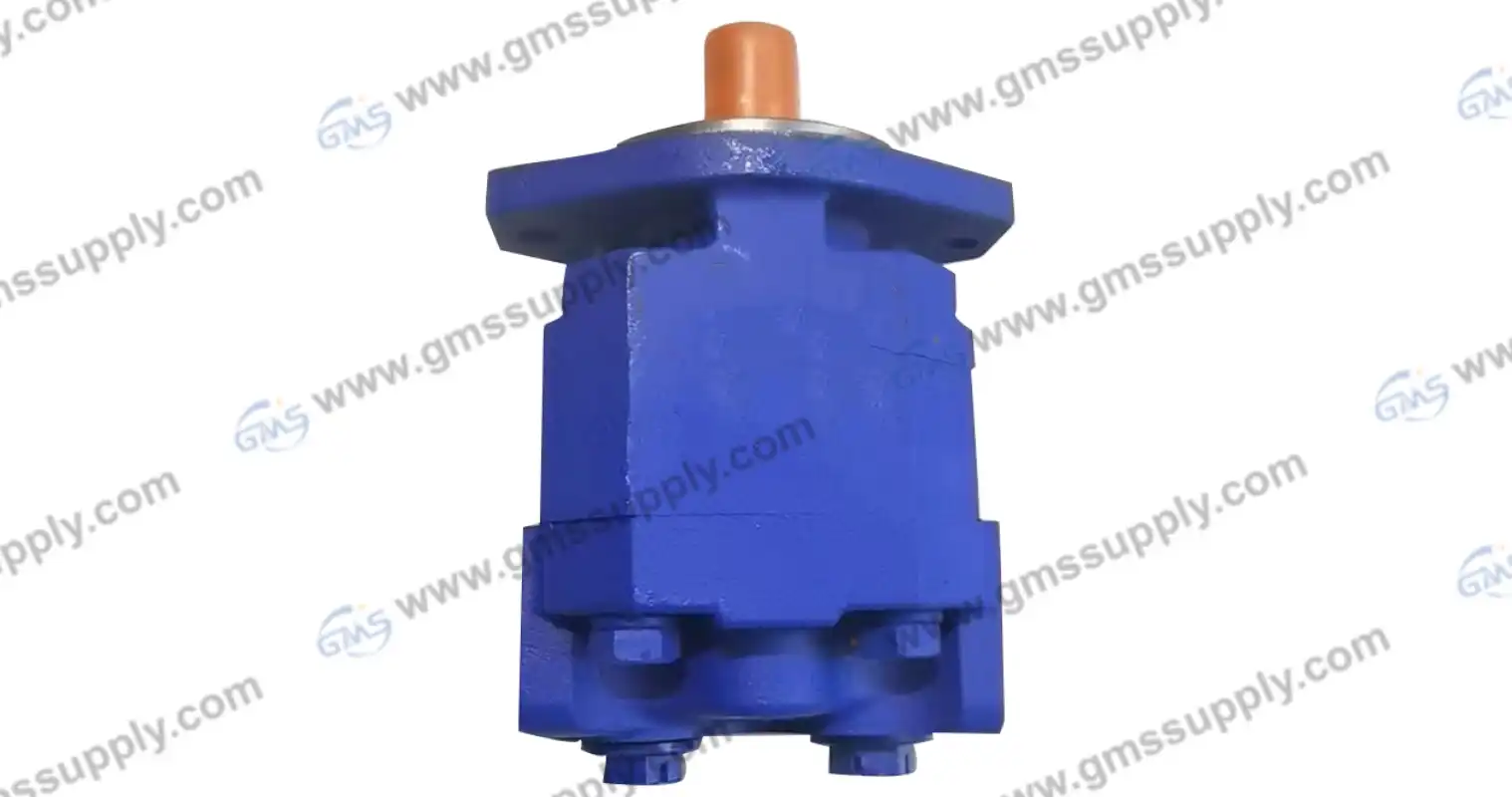
Understanding the H01-1001-010 Oil Pump: Specifications and Operating Principles
When it comes to oil drilling, the H01-1001-010 oil pump is a precision-engineered option made to meet the strict needs of top drive greasing systems. For more than ten years, GMS has been providing this important part to drilling operations all over the world. Our ISO 9001-certified production process makes sure that every unit meets the highest quality and dependability standards set by the international community. This pump provides oil to moving parts even when the pressure and temperature are very high. Even when the unit is exposed to the vibrations and temperature changes that are normal in drilling activities, the flow rates stay the same. The pump body and internal parts are made of strong materials that won't rust in drilling fluids or normal air, so they can handle the rough conditions of oilfield work. Positive displacement technology is at the heart of how it works. Precisely made parts inside the system make the pressure difference that moves the lubricant around. This way of designing makes sure that the delivery is always the same, even if the back-pressure changes. It also keeps the protective oil film that keeps metal-to-metal contact from happening in your top drive's important bearing surfaces and gear units. When maintenance teams understand this organizational basis, they can tell when performance isn't going as planned and fix small problems before they become costly failures. Temperature control is a very important part of making pumps last a long time. The H01-1001-010 Oil pump is set up to work well in all the temperature ranges that are common in drilling operations. It keeps the right viscosity flow during cold starting processes and long periods of high-temperature running. This ability to react to different temperatures has a direct effect on the lifespan of a component, since proper lube delivery stops the faster wear patterns that come with not having enough oil film thickness.
Common Issues and Troubleshooting of the H01-1001-010 Oil Pump
When drilling, difficult conditions can arise that can affect the performance of the H01-1001-010 oil pump if the warning signs are not noticed. Inconsistent pressure is often a sign that problems are starting to happen. If you see changing pressure readings during steady-state operation, it could mean that the seal is breaking down, the grease is getting dirty, or there is internal wear. It is easier to figure out if the problem is with the pump or somewhere else in the lube chain by checking the pressure in a planned way at different speeds. Any strange noises or vibrations during work should be looked into right away. Some noise during operation is normal, but grinding or popping sounds are a sign of bearing wear or cavitation. Cavitation happens when the pump's outlet doesn't get enough flow, making vapor bubbles that burst rapidly and damage the inside surfaces. This destructive effect can be stopped by making sure the inlet wiring is set up correctly and the storage levels are right. The way the installation is lined up also impacts the vibration patterns. Even a small misalignment between the pump drive and bearing surfaces causes stress concentrations that speed up fatigue failures. Temperatures that rise above standard working limits mean that either worn parts are causing too much friction or heat is not being removed properly. Make sure that the cooling features work properly and that the thickness of the oil stays within the limits. When a lubricant breaks down, it loses its ability to control temperature. This causes rising temperatures to further break down the oil, which speeds up the wear on parts. As equipment gets older, leaks often appear around seals and gaskets. If you fix seal leaks right away, you can stop grease loss that could cause the system to not be charged properly and fail catastrophically during operation. Another threat is pollution from outside sources. Equipment is exposed to dust, drilling mud, and water in drilling settings. If foreign matter gets into the pump without going through the filter, it will wear out quickly. Checking the protection covers, breathers, and shaft seals on a regular basis helps keep the inside clean, which is important for a long service life.
Essential Maintenance Tips to Extend H01-1001-010 Oil Pump Lifespan
Structured maintenance routines make your H01-1001-010 oil pump last a lot longer and make it less likely that it will break down unexpectedly and stop drilling operations. Visual checks done every day don't take long, but can give you important early signs. Before each shift, repair workers should listen for strange sounds coming from the machine and make sure that the pressure gauges show the right numbers. These quick checks find problems as they start to happen, while they are still easy to handle. Surface contamination can sometimes be a sign of problems inside; oil leaking from seals or gaskets means they are about to fail and need to be fixed. As part of your weekly upkeep, you should check and sample the lubricant amount. Keeping the right system charge ensures that the intake conditions are right, which stops cavitation damage. Analysis of lubricants shows amounts of pollution, changes in viscosity, and the presence of wear metals that show parts are breaking down faster. Inspections every month give you a chance to do a more thorough evaluation. Take off the protected covers to check the state of the coupling. Look for signs of wear or misalignment. Check the torque specs for the fixing hardware, because vibrations slowly loosen screws. Write down these results to get a sense of how things are generally working and to figure out when parts will need to be replaced. Unexpected breakdowns can be avoided by replacing parts on a schedule based on working hours. Under normal working conditions, you can guess how long seals, gaskets, and wear areas will last. It is much cheaper to replace these things during regular maintenance windows than to make emergency fixes while drilling is going on. GMS keeps a large inventory of replacement parts on hand, which means that wait times are fast, and proactive maintenance methods can be used. The quality of the installation has a big impact on how long the pump lasts. When drive parts are properly aligned, side loading is kept to a minimum, which slows down bearing wear. When plumbing comes in and out, it shouldn't have any sharp turns that drop the pressure or cause noise. As long as the connected pipes are properly supported, mechanical stress does not get transferred to the pump housings. These construction details aren't given enough attention during the initial commissioning phase, but they have a huge effect on the efficiency in the long run. This method of maintenance, based on data, stops both replacing parts that are still working too soon and using broken units that hurt the system's general function.
Best Practices for Procurement and After-Sales Support
To get new H01-1001-010 oil pumps that work when they're needed, you need to work with suppliers who understand the needs of drilling operations. Failures of equipment have a direct effect on making money, so buying managers must make sure that suppliers are quick and that the quality of their products is high. GMS has built its name on always having products in stock and getting them to customers quickly. Because we have a lot of these top drive parts in stock, there are no long delays in production. We keep projects on track with short lead times even when drilling plans get tight, and repair windows get small. We made this stocking promise because we know that drilling companies can't afford to have their equipment down for long periods of time while they wait for important parts. Supplier approval makes sure that the parts meet the performance standards that are needed. Our ISO 9001 certification shows that we handle quality in a planned way at every stage of the production process, from choosing the raw materials to checking the finished product. For procurement managers who are in charge of making sure that equipment works well, seller approval lowers risk and keeps operations running smoothly. Our team has more than ten years of experience, giving you advice on how to put things together, fix problems, and keep them in good shape based on your unique needs. This knowledge helps people get the most out of the money they spend on tools. Our helpful support team is always ready to help you, whether you need installation instructions, measurement data for planning an integration, or help with a working problem. Clear conversation about requirements and suitability stops mistakes that cost a lot of money. For Canrig 8035, 8050, and 6027 top drive types only, the H01-1001-010 Oil pump works. Making sure the exact part number is needed before placing an order guarantees a good fit and function. This keeps them from having to deal with the stress and time that comes with choosing the wrong parts. The total cost of ownership is also taken into account when setting prices, in addition to the unit cost. Price-focused buying strategies seem to cut costs, but early mistakes and poor support often cancel out the savings. Even though they might cost more per unit, components that meet performance requirements, arrive when needed, and come with expert help are a better deal. Our customers know that operating reliability supports higher prices when that higher price guarantees that drilling activities will not stop. Having reliable suppliers gives you strategic benefits that go beyond individual deals. When partnerships are established, they allow for better planning, preferential allocation when supplies are low, and working together to solve problems when practical issues appear. Customers are important to GMS because they see relationships with customers as long-term agreements where both parties' success depends on consistently providing quality goods and professional service.
Conclusion
Maintaining the H01-1001-010 oil pump by checking it regularly, replacing parts before they break, and paying close attention to how it's working directly increases its service life and lowers downtime. Regular repair is an investment that pays off by making equipment more reliable, lowering total running costs, and protecting equipment assets. Working with experienced H01-1001-010 oil pump suppliers who keep stock, offer support, and consistently deliver high-quality products will improve your operational skills and help you be successful in tough drilling environments over the long run.
FAQ
Q1: What are the primary symptoms indicating H01-1001-010 pump failure?
Readings of falling pressure during regular operation, strange noises or vibrations, high working temperatures, and leaks that can be seen around seals are all signs that problems are starting to show up. Monitoring these factors during normal function lets someone step in early, before the whole system fails.
Q2: How frequently should lubricant replacement occur in systems using this pump?
When to change the lubricant depends on how hard the machine is working, the environment, and how much dirt it is exposed to. Standard advice says to change them every three months for normal drilling operations, but lubricant analysis may show that longer or shorter times are needed based on the actual state.
Q3: Can installation errors reduce pump operational life?
A lot of service life is lost because of things like misalignment, bad pipe design, bad inlet conditions, and bad fitting. These possible failure modes can be avoided by having a professional install the product according to the manufacturer's instructions.
Partner with GMS for Reliable H01-1001-010 Oil Pump Supply
Lubrication systems that protect expensive top drive tools must be completely reliable for drilling activities. With ISO 9001 certification and more than ten years of experience in the field, GMS offers H01-1001-010 Oil pump options that meet the performance standards your processes need. Due to our large inventory, we can provide products right away, without having to wait for long lead times that can mess up maintenance plans and cause machines to be down for longer periods of time. Contact our team at sales@gmssupply.com when you need a reliable H01-1001-010 oil pump supplier that knows what a drilling business needs and always provides high-quality products. We're dedicated to helping your business succeed by providing you with high-quality parts, advice, and quick service that keeps your equipment running smoothly.
References
1. American Petroleum Institute. (2021). Recommended Practices for Care and Use of Lubrication Systems in Drilling Operations. API Publishing Services, Washington, DC.
2. Johnson, M. R., & Peterson, K. L. (2020). Positive Displacement Pump Maintenance: Strategies for Extended Service Life. Industrial Press, New York.
3. National Petroleum Council. (2019). Equipment Reliability Standards for Upstream Operations. NPC Technical Studies, Washington, DC.
4. Richards, D. E. (2022). Top Drive Systems: Design, Operation, and Maintenance. Gulf Professional Publishing, Houston.
5. Society of Tribologists and Lubrication Engineers. (2021). Lubrication Fundamentals for Industrial Equipment. STLE Educational Services, Park Ridge, Illinois.
6. Williams, T. A., & Chang, H. S. (2020). Predictive Maintenance Practices for Critical Rotating Equipment. Reliability Press, Denver.
Learn about our latest products and discounts through SMS or email