- English
- French
- German
- Portuguese
- Spanish
- Russian
- Japanese
- Korean
- Arabic
- Greek
- German
- Turkish
- Italian
- Danish
- Romanian
- Indonesian
- Czech
- Afrikaans
- Swedish
- Polish
- Basque
- Catalan
- Esperanto
- Hindi
- Lao
- Albanian
- Amharic
- Armenian
- Azerbaijani
- Belarusian
- Bengali
- Bosnian
- Bulgarian
- Cebuano
- Chichewa
- Corsican
- Croatian
- Dutch
- Estonian
- Filipino
- Finnish
- Frisian
- Galician
- Georgian
- Gujarati
- Haitian
- Hausa
- Hawaiian
- Hebrew
- Hmong
- Hungarian
- Icelandic
- Igbo
- Javanese
- Kannada
- Kazakh
- Khmer
- Kurdish
- Kyrgyz
- Latin
- Latvian
- Lithuanian
- Luxembou..
- Macedonian
- Malagasy
- Malay
- Malayalam
- Maltese
- Maori
- Marathi
- Mongolian
- Burmese
- Nepali
- Norwegian
- Pashto
- Persian
- Punjabi
- Serbian
- Sesotho
- Sinhala
- Slovak
- Slovenian
- Somali
- Samoan
- Scots Gaelic
- Shona
- Sindhi
- Sundanese
- Swahili
- Tajik
- Tamil
- Telugu
- Thai
- Ukrainian
- Urdu
- Uzbek
- Vietnamese
- Welsh
- Xhosa
- Yiddish
- Yoruba
- Zulu
PIN JOINT 117782: What It Is and How to Use in Oil Drilling
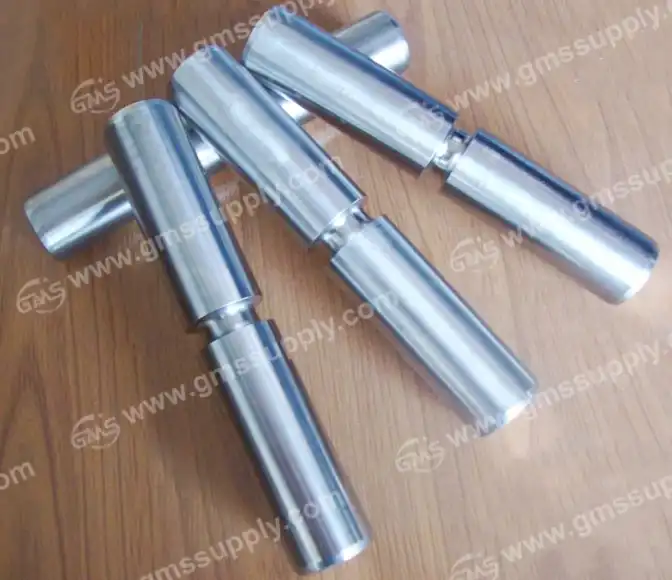
The PIN JOINT 117782 is an important part for articulation in top drive systems for oil and gas drilling, it was designed to work with the TDS-11SA and TDS-9SA types. This precision-machined connection makes sure that there is a strong mechanical link between two moving parts and can handle the high operating stresses. Whether you're in charge of buying parts for upstream projects or in charge of rig fleet maintenance plans, knowing the specs, uses, and best ways to get the PIN JOINT 117782 will have a direct effect on how well your drilling equipment works and how long it lasts.
Understanding the PIN JOINT 117782 — Specifications and Engineering Essentials
The PIN JOINT 117782 is a special kind of fastener that is made to keep structures strong during high-vibration oil and gas drilling operations. At GMS, we make this part to strict ISO 9001 standards, which means that it meets the high standards for accuracy in measurements and stability of material that oil and gas drilling workers expect. The joint works with the PIN RETAINER 117783 to make a safe unit that keeps the pins from coming loose by chance during rotational operations. Choosing the right materials, high-quality alloy steel, that has the right amount of tensile strength and impact protection for parts that will be loaded and unloaded many times during rotary oil and gas drilling. A special kind of heat treatment is applied to the surface to make it more resistant to wear without affecting the core's ability to bend. This lets the pin handle quick shock loads that happen during pipe make-up or breakout operations. Precision in dimensions has a direct effect on how easy it is to install and how well it works in the long run for drilling. Tolerances are kept within strict limits during the manufacturing process, which makes sure that the parts fit correctly in the top drive gearbox housing and the connections that go with them. This accuracy gets rid of any extra play that could speed up wear on connecting surfaces or cause breakdowns due to vibration-induced fatigue in oil and gas drilling.
Why PIN JOINT 117782 Is Critical for Oil and Gas Drilling Operations
One of the most important uses of oil and gas drilling equipment is in top drive systems, and the PIN JOINT 117782 is an important part of this setup. During drilling, the top drive has to turn the drill string while providing a controlled downward force, which puts stress on the gear that connects the drill bits in different directions, and this pin joint keeps the swivel assembly and torque transmission parts lined up, which makes sure that power moves smoothly from the electric or hydraulic motors to the kelly or drill pipe in oil and gas drilling. The abrasive particles and acidic chemicals in drilling mud are always moving around the parts of the rig in oil and gas drilling. The protective coating on the pin joint keeps it from being damaged by drilling fluids and keeps its mechanical qualities across the temperature ranges that are common in both onshore and offshore drilling activities. During regular checks, looking at the pin joint visually can show early signs of wear patterns that point to alignment problems in other parts of the top drive unit. If you can find these warning signs before a major failure happens, you can avoid costly downtime and possible safety incidents in oil and gas drilling. If you have stock on hand, you can quickly replace it during planned service intervals instead of waiting for emergency orders during unplanned breakdowns.
Comparing PIN JOINT 117782 to Similar Joint Solutions for Oil and Gas Drilling
When buying parts for top drive systems in oil and gas drilling, procurement workers often have to choose between different ways to attach the parts. The PIN JOINT 117782 has clear benefits in situations as its design is better than welded or permanently installed links, which lets maintenance crews take apart parts to check them or repair them without hurting the structures around them. When using bolted connections, the stress builds up around the thread roots, which can lead to wear cracks when the load is applied and removed over and over again in oil and gas drilling. The pin joint's smooth bearing surface spreads forces more widely, which makes it last longer in high-cycle situations for oil and gas drilling. When looking at joint options for oil and gas drilling, costs go beyond the original purchase price. Some other ways of fixing things may seem cheaper, but the real cost of ownership is quite different, as the longer time between replacements lowers the total cost of parts over the life of a rig in oil and gas drilling. Less downtime risk is probably the biggest economic benefit, since oil and gas drilling companies know that every hour of unproductive time has a direct effect on how much money the project makes.
Procuring PIN JOINT 117782 — A Buyer's Guide for Drilling Industrial Customers
When looking for top drive parts, it's important to pay attention to the supplier's qualifications and the product's reliability. GMS Supply always has a large stock of the PIN JOINT 117782, so we can ship it right away if you need a replacement right away for your critical drilling projects. We've worked in the oil and gas industry for over ten years and know that oil and gas drilling operations can't wait for long lead times when important parts break. Quality checks tell the difference between trustworthy providers and dishonest ones for oil and gas drilling parts. Our ISO 9001 license is proof that the way we make things meets international standards for accuracy and traceability for oil and gas drilling. Before being added to inventory, each batch of parts is inspected for dimensions and material authenticity for oil and gas drilling. We've carefully dealt with the problems that come up with global shipping processes by building up our supply chain for oil and gas drilling parts. We organize freight forwarding to cut down on travel time and customs delays, no matter if you're drilling in the Permian Basin, the Gulf of Mexico, or other countries for oil and gas drilling.Our sales team works directly with procurement staff to set up orders that combine the costs of keeping supplies with the risk of running out for oil and gas drilling.
Installation and Optimal Usage of PIN JOINT 117782 in Top Drive Systems
The PIN JOINT 117782's function and lifespan are directly affected by how it is installed. Maintenance workers should clean the mating surfaces very well before starting the installation process, in order to get rid of any drilling mud leftovers, metal bits, and corrosion products that built up during drilling operation. Pay attention to alignment errors during the installation process for oil and gas drilling. The pin needs to be able to slide easily through holes in the top drive components that are lined up, without getting stuck or needing too much force in oil and gas drilling. When there is resistance during entry, it usually means that the device is not aligned correctly and needs to be fixed before moving on in oil and gas drilling. Once it is in place, the PIN RETAINER 117783 holds the assembly in place, and techs should make sure that the mechanism fully engages. During regular inspections in oil and gas drilling, the surface should be looked at visually for damage, warping, or wear patterns that don't seem right. Too much wear on one side of the pin usually means that there are alignment problems in the top drive unit that need to be fixed to stop failures from spreading in oil and gas drilling. At lubrication places close to the pin joint, the right kind of grease formulated for oil and gas drilling tools should be used, which will keep the protective films on the bearing surfaces even when they are under a lot of pressure. By writing down the results of inspections in maintenance logs, patterns will help you figure out when to replace something, and buy ahead of time.
Conclusion
The PIN JOINT 117782 is a small but important part of the complicated top drive systems that are widely used in modern oil and gas drilling projects. Procurement managers and repair teams can make decisions that protect equipment reliability and operating continuity by knowing what the product is supposed to do, how it should be used, and where to get it for oil and gas drilling. At GMS, with our ISO 9001 certificate, ten years of industrial experience and large product stock, we make sure that drilling workers can get reliable PIN JOINT 117782 when projects need the best performance possible by committing to high-quality production, quick customer service, and a well-kept inventory.
FAQ
1. What materials compose the PIN JOINT 117782, and how do they affect durability?
The high-grade alloy steel used in the PIN JOINT 117782 was chosen for its appropriate mechanical qualities. This choice of material has great tensile strength, which means it won't bend under load, and it's also flexible enough to handle impact forces without breaking into weak pieces.
2. Can the PIN JOINT 117782 be used in offshore drilling applications?
When properly kept, the PIN JOINT 117782 works effectively in offshore drilling environments. The part's protective layer keeps it from rusting when it's exposed to saltwater and the wetness that comes with working in the ocean. Offshore repair teams should make inspection plans that take into account how quickly rusting can happen in marine environments.
3. What advantages does GMS offer as a PIN JOINT 117782 supplier?
GMS meets the wants of the drilling industry's buyers by combining ten years of knowledge, a well-kept inventory, and ISO certification. Because we keep the PIN JOINT 117782 in stock, we can ship it right away, so fixes don't have to wait for long lead times. Our reasonable price system makes it easy to plan purchases for maintenance inventories that are both cost-effective and meet the needs of both big drilling contractors and smaller operators.
Partner with GMS for Reliable PIN JOINT 117782 Supply
We want to help the oil drilling industry in more ways than just having the PIN JOINT 117782. We know that people who work in buying need providers who have a wide range of products, good knowledge and quick service. GMS keeps a large supply of important top drive parts on hand, along with a wide range of parts for TDS-11SA and TDS-9SA systems. No matter if you're making a trial order or setting up a supply deal for multiple rig operations, our team is here to help drilling projects. Get in touch with our sales team at sales@gmssupply.com to talk about your PIN JOINT 117782 needs, get detailed specs, or get bulk prices for your maintenance stock. As a provider of PIN JOINT 117782 with experience, we can help you keep your drilling operations running smoothly and reduce the time your equipment is down.
References
1. American Petroleum Institute. (2019). "Specification for Top Drives." API Specification 8C, Seventh Edition.
2. Bourgoyne, A.T., et al. (2017). "Applied Drilling Engineering." Society of Petroleum Engineers Textbook Series, Volume 2.
3. International Organization for Standardization. (2015). "Quality Management Systems — Requirements." ISO 9001:2015 Standard.
4. Mitchell, R.F. and Miska, S.Z. (2011). "Fundamentals of Drilling Engineering." SPE Textbook Series, Volume 12.
5. Rabia, H. (2018). "Oilwell Drilling Engineering: Principles and Practice." Graham & Trotman Publishing.
6. Society of Petroleum Engineers. (2020). "Maintenance Practices for Drilling Equipment." SPE Drilling & Completion Journal, Technical Paper Series.
Learn about our latest products and discounts through SMS or email