- English
- French
- German
- Portuguese
- Spanish
- Russian
- Japanese
- Korean
- Arabic
- Greek
- German
- Turkish
- Italian
- Danish
- Romanian
- Indonesian
- Czech
- Afrikaans
- Swedish
- Polish
- Basque
- Catalan
- Esperanto
- Hindi
- Lao
- Albanian
- Amharic
- Armenian
- Azerbaijani
- Belarusian
- Bengali
- Bosnian
- Bulgarian
- Cebuano
- Chichewa
- Corsican
- Croatian
- Dutch
- Estonian
- Filipino
- Finnish
- Frisian
- Galician
- Georgian
- Gujarati
- Haitian
- Hausa
- Hawaiian
- Hebrew
- Hmong
- Hungarian
- Icelandic
- Igbo
- Javanese
- Kannada
- Kazakh
- Khmer
- Kurdish
- Kyrgyz
- Latin
- Latvian
- Lithuanian
- Luxembou..
- Macedonian
- Malagasy
- Malay
- Malayalam
- Maltese
- Maori
- Marathi
- Mongolian
- Burmese
- Nepali
- Norwegian
- Pashto
- Persian
- Punjabi
- Serbian
- Sesotho
- Sinhala
- Slovak
- Slovenian
- Somali
- Samoan
- Scots Gaelic
- Shona
- Sindhi
- Sundanese
- Swahili
- Tajik
- Tamil
- Telugu
- Thai
- Ukrainian
- Urdu
- Uzbek
- Vietnamese
- Welsh
- Xhosa
- Yiddish
- Yoruba
- Zulu
Shaft Gear 30151960 Installation and Maintenance Guide
To keep top drive systems running at their best, they need solid parts and expert treatment. NOV Varco's TDS-11SA and TDS-9SA top drive systems use the SHAFT GEAR 30151960, a very important compound gear shaft that is an essential part of power transfer and precise alignment. This guide shows you the right way to install things, do basic upkeep, and buy things in a way that keeps downtime to a minimum and equipment's lifespan to a maximum. Whether you're in charge of drilling operations or maintenance schedules, knowing how to install and keep this part properly will make sure your machinery works at its best and prevents breakdowns that slow down production.
Understanding Shaft Gear 30151960: Specifications and Applications
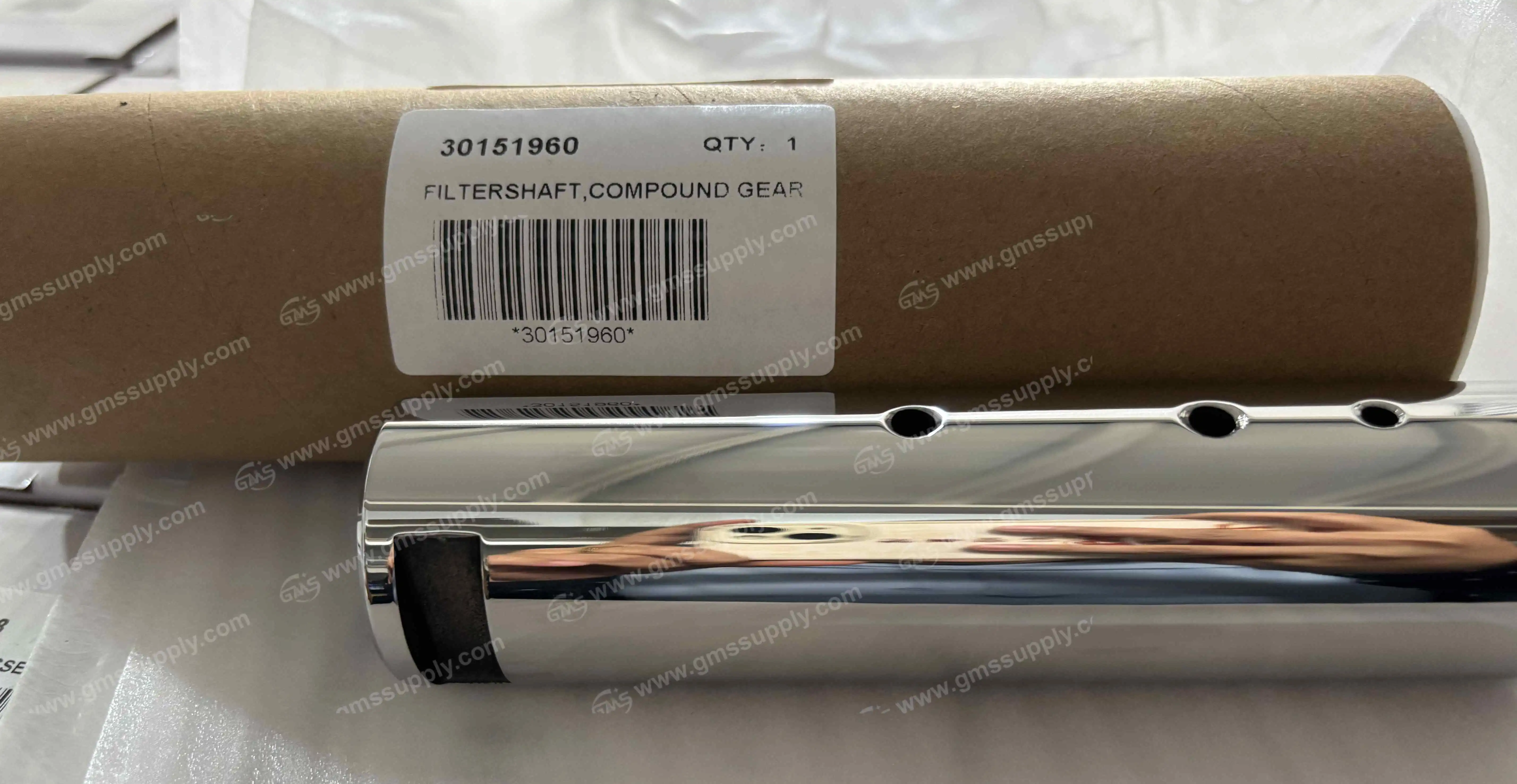
This compound gear shaft, which has the OEM number 30151960 and the GMS number 11S00434, is a precision-engineered gearbox part made for harsh industrial settings. As an important part of the Shot Pin Assembly (30151875), this shaft makes it possible for accurate power transfer between drive components while keeping tight alignment tolerances.
This part is made from high-quality alloy steel and goes through special heat treatment methods that make the surface harder while keeping the core structure flexible. This two-in-one design makes the gear teeth resistant to surface wear and cracking, while the shaft body can handle shock loads without breaking, which is very useful in high-torque situations. The precision-ground bearing joints make sure that the oil film forms properly, which lowers friction and makes the time between service intervals longer.
This compound gear shaft can handle a lot of rotational force while keeping the time exact in oil and gas drills. These parts are what top drive systems use to turn motor power into controlled circular movement at the drill string. The design of the shaft takes into account the high vibrations and changing loads that are common in drilling settings, where equipment has to work reliably even when temperatures change, and it has to run all the time.
Food-making plants that use automatic equipment benefit from the shaft's ability to keep rotational speeds constant. Applications that use woodworking tools need accurate power transfer with no backlash. This part's carefully machined gear shapes meet those needs. These shafts are needed to coordinate many mechanical functions at the same time in engineering and building equipment that uses similar drive systems.
The standard for 100% interchangeability of the TDS11 gear shaft makes sure that this part works with current TDS-11SA and TDS-9SA systems without needing any changes to the assemblies around it. This compatibility feature makes installation a lot easier while still making sure performance meets the requirements of the original equipment.
Step-by-Step Installation Procedures for Optimal Performance
How well the compound gear shaft is installed has a direct effect on how reliable the system is and how long the parts last. Starting with careful planning stops common problems that cause things to fail too soon.
When you get the new shaft, make sure that none of the gear teeth, bearing surfaces, or spline links were damaged during shipping. To make sure they work with your equipment, check the OEM No. 30151960 and GMS No. 11S00434 part numbers against the paperwork that came with it. Check the Shot Pin Assembly's connecting parts for wear patterns, scoring, or distortion that could affect how well the new SHAFT GEAR 30151960 works. Using the right chemicals, clean all areas that will come into contact with the new part, getting rid of old lubricant residues, metal bits, and other contaminants. Before you start working, make sure you have the right socket sets, soft-faced hammers for gentle seating, dial indicators for checking alignment, adjustable torque wrenches that are tuned to standard ranges, and measuring tools for checking bearing clearances. Make sure you have the right oil for your top drive system, since using the wrong one can weaken the security.
Carefully place the compound gear shaft into its case, making sure that the gear teeth don't touch any nearby objects that could cause nicks or burrs. Instead of pushing the parts together, slowly line up the spline connections by slowly turning the shaft to find the right engagement angle. Make sure the bearing journals fit completely inside their races and don't stick or tilt, which are signs of misalignment. Secure the hardware that holds things in place by following the force recommendations in the system instructions. When working with multiple fasteners, apply torque in a cross-pattern order, gradually bringing all of the hardware up to standard instead of fully tightening each bolt before going on to the next. This method stops warping and makes sure that the load is spread out evenly.
To make sure the shaft can turn freely, turn it by hand through several full revolutions. Resistance or binding means that something is not lined up correctly and needs to be fixed before moving on. Using a scale indicator, check that the backlash between two gears that are mated is within accepted limits. If there is too much space, it causes impact loading when the direction changes. If there is not enough clearance, it causes binding and burning. Once the system is fully assembled, it should be tested at a low speed to make sure it works smoothly before it is put back into full service. During this first run time, keep an eye out for any strange noises, vibrations, or temperature changes. These signs usually mean there are problems with the work that need to be fixed right away. In your maintenance records, write down the date of installation and the first notes of the state. This will give you a point of comparison for future checks.
Maintenance Protocols That Extend Component Lifespan
Consistent repair practices of Varco top drive repair service parts have a direct effect on how long the compound gear shaft will last and lower the chance that it will break down during important operations.
Set a regular check schedule that takes into account how busy you are. Visual inspections should be done once a week in operations with continuous shifts, and once a month for equipment that is only used sometimes. During checks, look for oil leaks around bearing seals. This means that the sealing parts are worn out and need to be replaced. Listen for changes in the way the machine works. Whining or clicking sounds from gears mean that wear patterns are forming and need to be looked into. Vibration tracking lets you know early on when problems are starting to happen. Measurements taken at the start of the installation process are used as a guide to find changes that could mean that a bearing is worn, misaligned, or gear teeth are damaged. Monitoring the temperature of bearing housings helps find problems with inadequate grease or too much load before they cause damage.
For the SHAFT GEAR 30151960 to keep moving parts from touching metal, it needs to be properly oiled. Most top drive systems use pressurised oil distribution, which makes it very important that the oil is clean and of good quality. Schedule oil samples at the recommended times to check for pollution and chemical wear. Metallic bits found in oil samples show that active wear processes need to be looked into. Maintain oil levels within specified ranges, as both overfilling and underfilling create problems. Too much oil causes churning and temperature rise, while not enough oil leaves areas exposed while the machine is running. Only use lubricants that meet the performance and viscosity requirements listed in the paperwork for your equipment. Using goods that aren't suitable may not protect your equipment well enough when it's being used.
Knowing the difference between normal and abnormal wear patterns helps you decide when to replace a part. Gear teeth with polished sides show that they fit properly and are well oiled. Pitting or flaking on the sides of teeth is a sign of a problem with lubrication or contamination. Scoring lines show that the oil film isn't thick enough or that gritty particles are present. When inspection shows that wear is getting worse, decide whether the item needs to be replaced right away or can be left alone until the next planned repair interval. Advanced wear that lowers the load-bearing capacity means that the part needs to be replaced right away to avoid a catastrophic failure. Small changes to the surface that can be seen and measured can be tracked over time to figure out how long the service will last. Keeping detailed logs of maintenance makes useful memories of the past. Write down the results of the check, the times of the lubrication services, the oil analysis results, and any strange effects on operation that were seen. This information helps you find trends and find the best maintenance times for your unique working conditions.
Procurement Strategies for Reliable Component Sourcing
To get replacement parts of good quality at prices that are competitive, you need to know what makes people decide to buy in industry supply lines.
When you need to repair something quickly, such as NOV TDS11SA shaft gear, working with established sources who keep a lot of stock cuts down on wait times. Getting ISO 9001 certification shows that a provider is dedicated to quality control systems that make sure products meet consistent standards. Make sure that any possible sellers offer full technical help, as questions about installation or application advice often come up during maintenance tasks. When set
ting prices, things other than unit cost must be taken into account, such as the dependability of shipping, the minimum order size, and the freedom of payment terms. When suppliers offer combined shipping for multiple types of parts, it saves money on freight costs and makes the ordering process easier. When buying in bulk, you can save money on costs when keeping parts that are widely used in multiple pieces of equipment on hand.
To get proof that important parts are the right size and made of the right material, ask for proof. Certificates of approval make it possible to track goods and make sure they meet the requirements that were set out. Knowing where something was made helps you judge its consistency and dependability based on the image of the factory and how well it controls quality. The SHAFT GEAR 30151960 interchangeability standard makes it easier to choose where to get parts because it guarantees fit and function, no matter what production batch it comes from. Because of this standardisation, there are no longer any worries that differences in tolerance will affect installation or function.
To balance the cost of goods with the risk of downtime, you need to look at how important your operations are and how redundant your equipment is. Just-in-time buying can be used in operations with backup systems, while key parts should be kept on-site for single-string operations. Because it plays such an important part in power transfer, the compound gear shaft could be strategically placed in the Shot Pin Assembly. Expectations about lead times affect filling choices. Suppliers who keep part number 30151960/11S00434 in stock make it possible to respond quickly to unexpected breakdowns, which keeps production from stopping too often. Building ties with responsive providers makes the supply chain more stable, which protects the continuation of operations.
Conclusion
Installing and taking care of the compound gear shaft correctly has a big effect on how well and how reliably the top drive system works. Knowing what role the part plays in the Shot Pin Assembly helps you focus on doing the right thing when handling it and keeping it in good shape. Common mistakes in installation are kept to a minimum by the instructions given, and early problem spotting during upkeep prevents failures before they happen. Strategies for buying things that stress relying on suppliers, checking quality, and planning where to store things strategically make sure that parts are available when they are needed. All of these practices cut down on downtime, keep repair costs low, and make equipment last longer. This has a direct effect on practical profitability in tough industrial settings where dependability cannot be compromised.
FAQ
1. What indicators suggest the compound gear shaft requires replacement?
Noises that aren't normal, like gear whines or grinding sounds, are signs that problems are starting to happen. When sound levels go up during regular tracking, it means that bearings are wearing out or the shaft isn't aligned properly. Damage to gear teeth that can be seen, like cracking, spalling, or broken teeth, needs to be replaced right away. Metallic particles found in lubrication oil samples show that active components are breaking down. When temperatures rise above standard working levels in bearing areas, it means that the bearings aren't properly oiled or are under too much load, which weakens the component's integrity.
2. Can this component be repaired rather than replaced?
Because of the careful manufacturing and heat treatment steps needed to make compound gear shafts, they can't be fixed. When you try to remachine gear shapes or bearing surfaces, you damage the solid case layer that is needed for wear resistance. It is not possible to consistently recover the dimensional tolerances needed for proper meshing and alignment through repair methods. Replacing broken parts with ones that were made correctly is the usual way to make sure that the system works well and stays intact over time.
Partner with GMS for Your Compound Gear Shaft Requirements
GMS has a large stock of Gear Shaft 30151960 that can be shipped right away to meet your working needs. Our quality control systems, which are ISO 9001 approved, make sure that every part meets strict requirements for material properties and accuracy of measurements. We've been in the oil and gas drilling business for more than ten years, so we know how important it is to have quick access to trusted parts for machine repairs. Our expert team helps you keep your system running at its best by giving you application advice and installation support. GMS is the most cost-effective place to buy SHAFT GEAR 30151960 because they offer low prices on both single pieces and large orders. Email our team at sales@gmssupply.com to talk about your specific needs, make sure we have what you need in stock, and get full technical specs to help you make your purchasing choices.
References
1. Anderson, M. & Roberts, J. (2021). Top Drive System Maintenance Protocols for Enhanced Drilling Operations. Petroleum Engineering Technical Publications.
2. Chen, W. (2020). Precision Gear Manufacturing and Heat Treatment Processes for Industrial Applications. Journal of Mechanical Engineering Standards, Vol. 45, pp. 234-256.
3. Daniels, K. (2022). Predictive Maintenance Strategies for Rotating Equipment in Energy Sector Operations. Industrial Reliability Institute Press.
4. Harrison, P. (2019). Compound Gear Design and Application in Heavy-Duty Drive Systems. Mechanical Power Transmission Quarterly, Issue 3, pp. 78-92.
5. Martinez, R. & Singh, A. (2023). Strategic Procurement Practices for Critical Spare Parts in Industrial Operations. Supply Chain Management Review, Vol. 18, pp. 145-167.
6. Thompson, L. (2020). Lubrication Management Best Practices for Gear-Driven Industrial Equipment. Tribology and Maintenance Engineering Handbook, 4th Edition.
_1751947099373.webp)
Learn about our latest products and discounts through SMS or email