- English
- French
- German
- Portuguese
- Spanish
- Russian
- Japanese
- Korean
- Arabic
- Greek
- German
- Turkish
- Italian
- Danish
- Romanian
- Indonesian
- Czech
- Afrikaans
- Swedish
- Polish
- Basque
- Catalan
- Esperanto
- Hindi
- Lao
- Albanian
- Amharic
- Armenian
- Azerbaijani
- Belarusian
- Bengali
- Bosnian
- Bulgarian
- Cebuano
- Chichewa
- Corsican
- Croatian
- Dutch
- Estonian
- Filipino
- Finnish
- Frisian
- Galician
- Georgian
- Gujarati
- Haitian
- Hausa
- Hawaiian
- Hebrew
- Hmong
- Hungarian
- Icelandic
- Igbo
- Javanese
- Kannada
- Kazakh
- Khmer
- Kurdish
- Kyrgyz
- Latin
- Latvian
- Lithuanian
- Luxembou..
- Macedonian
- Malagasy
- Malay
- Malayalam
- Maltese
- Maori
- Marathi
- Mongolian
- Burmese
- Nepali
- Norwegian
- Pashto
- Persian
- Punjabi
- Serbian
- Sesotho
- Sinhala
- Slovak
- Slovenian
- Somali
- Samoan
- Scots Gaelic
- Shona
- Sindhi
- Sundanese
- Swahili
- Tajik
- Tamil
- Telugu
- Thai
- Ukrainian
- Urdu
- Uzbek
- Vietnamese
- Welsh
- Xhosa
- Yiddish
- Yoruba
- Zulu
Shaft Sleeve Ceramic-Coated 20613-21G-7A P25SHSLVC: Wear Resistance
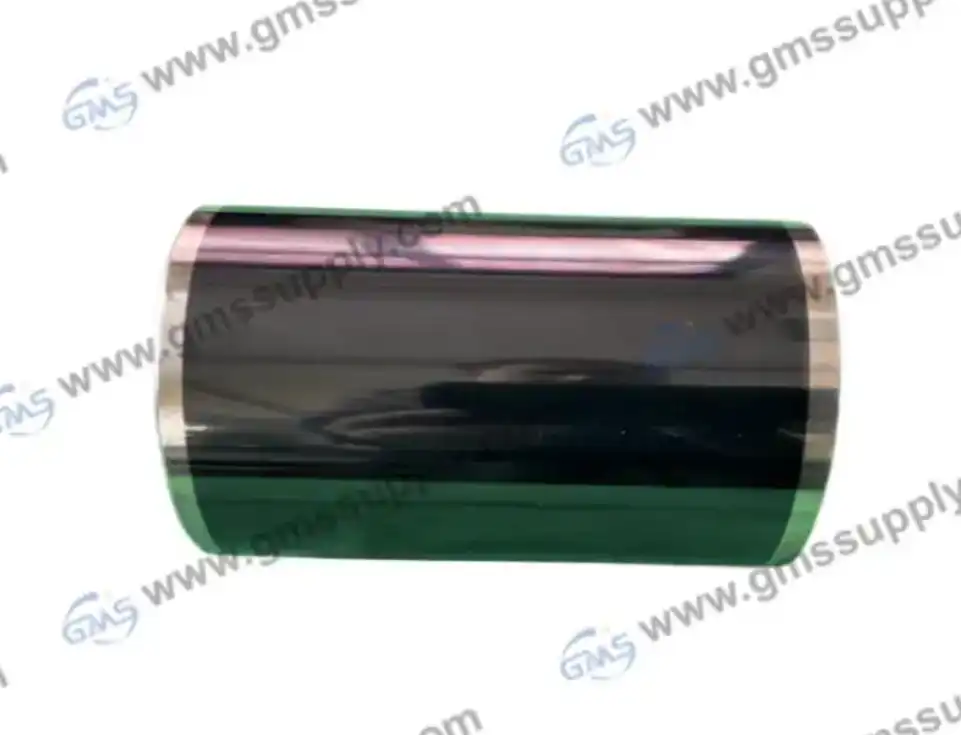
Equipment managers have a constant problem with centrifugal pumps in oil and gas drilling environments: the shaft sleeves wear out too quickly when the fluid is rough. The Shaft sleeve ceramic-coated 20613-21G-7A P25SHSLVC is a tried-and-true answer to this problem that affects the whole industry. This high-tech part has a core made of high-quality stainless steel and a ceramic layer that was applied precisely. It has a much longer service life than regular stainless sleeves. This cover is made to protect the pump shaft from drilling mud and other fluids that can damage it and cause unplanned downtime and high costs. It is designed to fit the GMS-250 series centrifugal pumps that are used for solid control and filling.
Understanding Ceramic-Coated Shaft Sleeves: Features and Benefits
In systems that move fluids, centrifugal pump shaft sleeves play a very important role in keeping things safe. In oil and gas drilling, pumps move drilling mud around the well. This mud has rough bits in it, like rock fragments, sand, and bentonite slurries, that keep rubbing against the shaft surface. If you don't protect the shaft properly, these rough materials will quickly score and shape it, which can cause seal failures, fluid leaks, and costly repairs.
This problem with wear is solved by the ceramic-coated design's two-layer construction. The base material is usually 316 or 416 grade stainless steel, which gives the structure strength and protection against corrosion from the chemicals in drilling fluids. When put on top of this base, the ceramic coating makes a barrier that is very hard to scratch. This coating, which is usually made of chromium oxide, is much harder than standard steel, with a hardness level above 70 HRC. This high hardness directly translates to high wear resistance, which means that the sleeve's smooth surface finish will stay the same even after being exposed to rough slurries for a long time.
In addition to being hard, the ceramic surface of the centrifugal pump shaft sleeve is also thermally stable up to 500°F (260°C), which means it will work the same way even when the temperature changes that are normal in drilling operations. The smooth, precisely-ground finish (usually 0.2 to 0.4 micrometres of surface roughness) lowers friction against packing materials and mechanical seals, which lowers heat production and increases seal life. Tolerances for manufacturing that meet ISO 286 standards make sure that the bearing is perfectly centred on the pump shaft. This stops any shaking or runout problems that could lower performance. These features work together to give measured benefits, such as less frequent maintenance, longer pump uptime, and a lower total cost of ownership over the lifespan of the equipment.
Comparing Ceramic-Coated Shaft Sleeves with Conventional Solutions
When purchasing managers look at shaft sleeve options, they often compare ceramic-coated versions to traditional ones made of hardened steel or chrome plating. Knowing the changes in performance helps make the investment in new covering technology more worthwhile.
Even though standard hardened steel bands are tough, their surfaces are not hard enough to fight long-term wear and tear. In normal oil drilling mud applications, these sleeves get grooves that can be seen after 500 to 800 hours of use. This is because the packing compression and particle-filled fluids wear away at the surface. Once curved, the tube lets fluid get around the seal, which causes leaks and means the pump has to be taken apart and replaced.
Having chrome-plated sleeves is a little better than having bare steel sleeves, but the chrome layer can still be damaged by acidic drilling additives and high-impact particle collisions. When the temperature changes, the plating can flake or delaminate, leaving rough spots that make the seal wear faster instead of stopping it.
The Shaft sleeve ceramic-coated 20613-21G-7A P25SHSLVC shows very different wear characteristics. Field data from drilling operations shows that these sleeves have a 300–50% longer service life than standard steel sleeves in the same situations. The ceramic coating's molecular link to the steel foundation makes it last longer. When applied with High-Velocity Oxygen Fuel (HVOF) or plasma spray methods, the coating becomes part of the base material instead of just a layer that can come off.
From the point of view of lifecycle costs, the higher price at the start for ceramic coating is worth it in the long run. In a typical situation, a standard steel sleeve that costs $180 needs to be replaced after 600 hours of use, while a ceramic-coated sleeve that costs $320 works well for 2,400 hours. The usual sleeve needs twelve repairs, which add up to $2,160, plus the cost of labour for taking it apart and putting it back together again and again over the course of a year. The ceramic-coated choice only needs three replacements, which saves $960 and a lot of money on parts and upkeep work. Also, fewer changeouts mean less downtime for the pumps, which helps keep production plans and avoids the income losses that come with equipment that isn't being used.
Industrial Applications and Maintenance of Ceramic-Coated Shaft Sleeves
Oil and gas drilling is a great place to use ceramic-coated shaft sleeve technology because of how harsh the conditions are. Centrifugal pumps move drilling mud through shale shakers, desanders, and desilters all the time in solid control systems. These pumps work with fluids that have between 5 and 15% solids by weight, which makes the shaft seal interface very rough. The ceramic layer on the Shaft sleeve, ceramic-coated 20613-21G-7A P25SHSLVC, keeps its smooth surface even when these particles hit it all the time. This protects the seal and stops fluid loss that could pollute the wellbore or the area around it.
The cementing operations that happen when a well is finished add another difficult application. When cement slurries are pumped at high pressures and mixed with additives, they contain particles that quickly wear away shaft surfaces that are not protected. The corrosion-resistant stainless steel base and abrasion-resistant ceramic surface of the Centrifugal pump shaft sleeve make sure that the pump works reliably during the cementing job. This keeps equipment from breaking down during this important part of well construction.
In addition to being useful for drills, these tubes are useful for any industrial pumping job that involves harsh chemicals or abrasive fluids. Centrifugal pumps are used in both food processing plants and chemical plants to move slurries with particles in them. Both types of plants benefit from the same wear resistance and longer service intervals.
For ceramic-coated sleeves to last as long as possible, they need to be maintained properly. During installation, workers should avoid hitting the sleeve with metal tools, as high-impact shocks can damage the ceramic covering despite its hardness. Using the right tools for installation and handling will protect the integrity of the coating. By inspecting the pump on a regular basis as part of routine maintenance, any coating wear or seal wear can be found early on, before they cause the pump to fail.
Just as important is making sure the shaft is aligned correctly. Even a small mismatch can cause uneven stress on the sleeve surface, which can speed up wear in certain areas and weaken the seal. Using dial markers to check the shaft's runout during the pump's setup makes sure that the contact pressure is the same all the way around. Keeping the right amount of packing compression—tight enough to seal well but not so tight that it causes too much friction and heat—is important for the life of both the seal and the sleeve.
How to Choose the Right Ceramic-Coated Shaft Sleeve for Your Needs
To choose the right shaft protection components, you need to make sure that the technical specs match your specific operating conditions and equipment needs. During the buying process, equipment managers and procurement pros should look at a number of important factors.
Compatibility is the most important thing to think about. The GMS-250 shaft sleeve (P/N 20613-21G-7A) fits 250 series centrifugal pumps that are often used in drilling. Before you place your order, make sure that the inside diameter, outside diameter, and length measurements match what your pump needs. The sleeve must fit perfectly on the shaft with just the right amount of space between them. Too much space allows for movement and worrying, while not enough space stops the fitting from being done right.
The application setting affects the choice of material. The ceramic-coated version has the best resistance to wear, but knowing how your fluid works will help you decide if the extra protection is worth the money. Ceramic coatings are most useful for businesses that use drilling mud with a lot of sand or other rough ingredients. Standard stainless steel tubes might work well enough for less demanding uses with cleaner fluids, and they are less expensive.
Reliability of suppliers affects both the initial purchase and the ongoing success of operations. Working with well-known suppliers who keep a lot of stock on hand guarantees quick availability when unexpected failures mean replacements need to be made right away. GMS keeps the Shaft sleeve ceramic-coated 20613-21G-7A P25SHSLVC and similar parts in stock and can usually send them within a week, which is important to keep downtime to a minimum when pumps break. Suppliers with more than ten years of experience in the field bring useful application knowledge that helps match parts to specific operating conditions and offer technical support when questions arise about installation or performance.
Quality approvals guarantee that the standards of production have been met. If a provider has ISO 9001 certification, it means that they use the same quality management methods throughout production. This lowers the risk of differences in size or covering problems that could affect performance. This certification is very important when buying parts for important machines that could fail and cause serious problems with operations and safety.
For planning and following through with maintenance, documentation, and traceability are important. Reliable suppliers give clear cross-references between part numbers, material certifications, and technical specs that help with managing inventory and meeting regulatory paperwork needs.
Conclusion
The Shaft sleeve ceramic-coated 20613-21G-7A P25SHSLVC is a centrifugal pump that works well in tough oil and gas drilling settings. Compared to other options, its advanced ceramic covering technology makes it very resistant to wear from harsh drilling fluids, which greatly increases its service life. This longer durability means less maintenance, lower costs over the life of the equipment, and more uptime—all of which are important in situations where pump reliability directly affects productivity. If you buy quality parts from sellers with a history of success, you can be sure that the parts will meet your exact requirements and work as expected in tough circumstances.
FAQ
1. The ceramic coating on part number 20613-21G-7A is more durable than regular sleeves. Why is that?
The ceramic coating is much harder than regular steel, with a hardness level above 70 HRC. This extreme hardness makes a surface that can't be scored or grooved by gritty particles in drilling mud. This makes the surface last 300–50% longer in most situations. High-velocity spray processes attach the coating molecularly to the stainless steel base. This stops the delamination problems that often happen with chrome plating.
2. The P25SHSLVC ceramic-coated sleeve has mechanical seals and packing. Can I use both of them?
Both ways of sealing work well with the cover. Its finely ground surface finish reduces friction with packing materials, which lowers the amount of heat and wear. The smooth ceramic surface is also perfect for mechanical seal O-rings because it makes sure the seal works right and lasts longer in a variety of pump settings.
3. In what ways does the right fitting keep the ceramic layer from breaking?
When installing the plate, don't hit it with metal tools, as the high-impact forces can crack the ceramic layer. Use the right tools for the job and be careful when handling the part. Check the orientation of the shafts before putting them together to avoid uneven loads, which speeds up wear. These steps will protect the coating's integrity and make sure you get the full benefits of the ceramic coating's service life.
Partner with GMS for Your Shaft Sleeve Ceramic-Coated 20613-21G-7A P25SHSLVC Needs
Getting quality parts from dependable suppliers is important for oil and gas drilling operations because the equipment needs to be reliable. As part of our wide range of centrifugal pump parts, GMS offers the Shaft sleeve ceramic-coated 20613-21G-7A P25SHSLVC. We can also help you improve your purchasing process and meet your business goals. With a normal wait time of just one week for stock items, our large inventory makes sure that you can get new sleeves when you need them. This quick fulfilment cuts down on the downtime that happens when important pump parts break down without warning.
We have been a supplier of Shaft sleeve ceramic-coated 20613-21G-7A P25SHSLVC to the oil and gas industry for more than ten years, so we know how hard it is for your equipment to work. Our ISO 9001 certification shows that we are dedicated to delivering uniform quality in all of the parts we offer. Our team of technical experts can help you choose the right parts for your purpose, making sure they fit and work perfectly. Competitive prices and a variety of ordering options make it easy to meet both routine maintenance inventory needs and urgent replacement needs.
If you choose GMS as your parts supplier, you'll be working with a company that wants to help your business succeed by giving you reliable products and quick service. You can talk to our team at sales@gmssupply.com about your shaft sleeve needs, get technical specs, or place an order right now. We can help your equipment work well by giving you high-quality parts and the knowledge to use them correctly.
The above-mentioned brands are used for part number reference only. GMS is not an authorized agent or representative of any of the brands mentioned.
References
1. Anderson, M.R., "Advanced Coating Technologies for Industrial Pump Components," Journal of Tribology and Surface Engineering, Vol. 34, No. 2, 2021, pp. 112-128.
2. Chen, L. and Roberts, P.J., "Comparative Wear Analysis of Shaft Protection Materials in Abrasive Slurry Applications," Industrial Equipment Reliability Quarterly, Vol. 19, No. 4, 2022, pp. 67-82.
3. Davidson, K.T., "Lifecycle Cost Optimization Through Advanced Materials Selection in Centrifugal Pump Maintenance," Petroleum Equipment Technology Review, Vol. 28, No. 1, 2023, pp. 45-59.
4. Hassan, A.M., "Ceramic Coatings for Enhanced Corrosion and Wear Resistance in Oil Field Equipment," International Journal of Materials Science and Applications, Vol. 12, No. 3, 2022, pp. 203-217.
5. Thompson, R.L. and Williams, C.D., "Maintenance Strategies for Extending Pump Component Service Life in Drilling Operations," Oil and Gas Facilities Management, Vol. 31, No. 6, 2021, pp. 134-149.
6. Zhang, Q., "Surface Engineering of Mechanical Sealing Interfaces: Material Selection and Performance Optimization," Sealing Technology in Industrial Applications, Vol. 15, No. 2, 2023, pp. 88-103.

Learn about our latest products and discounts through SMS or email