- English
- French
- German
- Portuguese
- Spanish
- Russian
- Japanese
- Korean
- Arabic
- Greek
- German
- Turkish
- Italian
- Danish
- Romanian
- Indonesian
- Czech
- Afrikaans
- Swedish
- Polish
- Basque
- Catalan
- Esperanto
- Hindi
- Lao
- Albanian
- Amharic
- Armenian
- Azerbaijani
- Belarusian
- Bengali
- Bosnian
- Bulgarian
- Cebuano
- Chichewa
- Corsican
- Croatian
- Dutch
- Estonian
- Filipino
- Finnish
- Frisian
- Galician
- Georgian
- Gujarati
- Haitian
- Hausa
- Hawaiian
- Hebrew
- Hmong
- Hungarian
- Icelandic
- Igbo
- Javanese
- Kannada
- Kazakh
- Khmer
- Kurdish
- Kyrgyz
- Latin
- Latvian
- Lithuanian
- Luxembou..
- Macedonian
- Malagasy
- Malay
- Malayalam
- Maltese
- Maori
- Marathi
- Mongolian
- Burmese
- Nepali
- Norwegian
- Pashto
- Persian
- Punjabi
- Serbian
- Sesotho
- Sinhala
- Slovak
- Slovenian
- Somali
- Samoan
- Scots Gaelic
- Shona
- Sindhi
- Sundanese
- Swahili
- Tajik
- Tamil
- Telugu
- Thai
- Ukrainian
- Urdu
- Uzbek
- Vietnamese
- Welsh
- Xhosa
- Yiddish
- Yoruba
- Zulu
Top Signs Your 921-11-0 Gear Pinion Needs Replacement
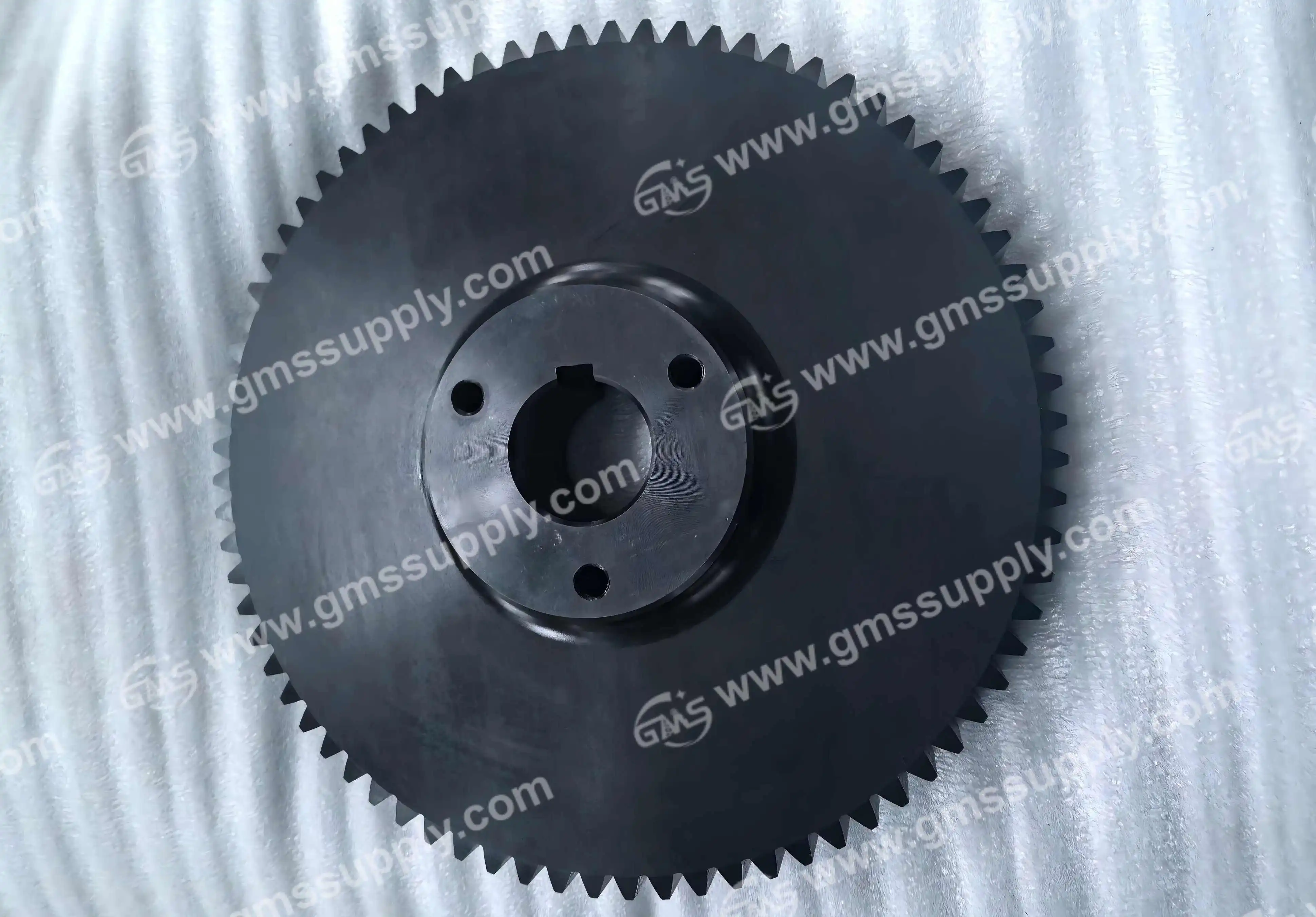
In today's demanding oil and gas drilling operations, recognizing when critical components like the 921-11-0 Gear Pinion require replacement can mean the difference between continuous productivity and costly downtime. The 921-11-0 Gear Pinion serves as an essential power transmission component within Canrig top drive systems, and understanding the warning signs of deterioration is crucial for maintaining operational efficiency. Identifying these symptoms early allows drilling operators to schedule preventive maintenance, avoid catastrophic failures, and ultimately reduce operational costs through strategic replacement planning. Key indicators that your 921-11-0 Gear Pinion needs replacement include unusual whining or grinding noises during operation, excessive vibration in the top drive system, visible wear patterns or chipping on gear teeth, increased operating temperatures, metal contamination in lubricating fluids, inconsistent torque delivery, abnormal backlash measurements, and declining drilling performance efficiency. These warning signs typically develop gradually, making regular inspection and monitoring essential for Canrig top drive systems to prevent unexpected failures that could halt drilling operations entirely.
Unusual Noise Patterns During Operation
One of the earliest and most detectable indicators that your 921-11-0 Gear Pinion requires attention is the emergence of abnormal acoustic signatures during drilling operations. The 921-11-0 Gear Pinion, when functioning optimally within a Canrig top drive system, produces minimal operational noise due to its precision machining and proper gear mesh characteristics. However, as wear progresses or misalignment develops, distinctive sound patterns emerge that experienced operators can identify. A high-pitched whining noise that increases with rotational speed typically indicates surface wear on the gear teeth or improper lubrication conditions affecting the 921-11-0 Gear Pinion interface. This whining becomes particularly pronounced under load conditions when the component is transferring maximum torque during drilling operations. Grinding or rumbling sounds suggest more severe conditions, potentially indicating damaged bearing surfaces, contamination within the gear mesh, or advanced tooth deterioration. These acoustic warnings should never be dismissed as normal operational characteristics, as they represent progressive damage that accelerates exponentially if left unaddressed. During Canrig top drive overhaul procedures, technicians specifically listen for these auditory indicators while conducting operational tests. The 921-11-0 Gear Pinion operates in demanding conditions where drilling mud, cuttings, and environmental contaminants can compromise lubrication effectiveness, leading to accelerated wear patterns that manifest first as noise before progressing to visible damage. Professional drilling operations maintain detailed maintenance logs documenting any changes in operational acoustics, as trending these observations over time provides valuable predictive maintenance data. When unusual noises persist after proper lubrication servicing or adjustment procedures, replacement of the 921-11-0 Gear Pinion becomes the recommended course of action to prevent secondary damage to mating components within the Canrig top drive assembly.
Excessive Vibration in the Top Drive System
Vibration analysis represents one of the most reliable diagnostic techniques for assessing the condition of the 921-11-0 Gear Pinion within top drive drilling systems. A properly functioning 921-11-0 Gear Pinion maintains smooth rotational characteristics with minimal vibration transfer to the surrounding drivetrain components. When deterioration occurs through wear, misalignment, or bearing degradation, the component begins generating vibration signatures that can be detected through both physical sensation and instrumented measurement. Operators may notice increased handle vibration, visible shaking of the top drive housing, or transmission of oscillations through the drill string assembly. These vibrations typically exhibit frequency patterns corresponding to the rotational speed of the 921-11-0 Gear Pinion, making diagnosis relatively straightforward for experienced maintenance personnel. For Canrig top drive systems operating in continuous drilling environments, vibration monitoring should be incorporated into routine maintenance protocols. Small increases in vibration amplitude may initially seem insignificant, but they represent the early stages of failure progression that will inevitably accelerate without intervention. The mechanical stress imposed by excessive vibration extends beyond the 921-11-0 Gear Pinion itself, potentially damaging bearings, seals, housing structures, and adjacent drivetrain components. This cascading effect significantly increases repair costs and downtime duration if replacement is delayed until catastrophic failure occurs. When vibration levels exceed manufacturer specifications or show upward trends over successive measurement intervals, scheduling replacement of the 921-11-0 Gear Pinion becomes essential for maintaining system integrity and preventing more extensive damage during Canrig top drive overhaul activities.
Visible Wear and Tooth Damage
Physical inspection of the 921-11-0 Gear Pinion provides direct evidence of component condition and remaining service life potential. During scheduled maintenance intervals or Canrig top drive overhaul procedures, technicians should conduct thorough visual examinations of the gear teeth, bearing surfaces, and structural integrity of the 921-11-0 Gear Pinion. Normal wear patterns appear as uniform polishing across the tooth contact surfaces, indicating proper gear mesh and adequate lubrication throughout the service period. However, several abnormal wear characteristics signal the need for immediate replacement consideration. Pitting appears as small craters or cavities on the tooth surfaces, resulting from subsurface fatigue under repetitive loading cycles. When pitting becomes widespread or develops into larger crater formations known as spalling, the structural integrity of the 921-11-0 Gear Pinion becomes compromised. Scuffing manifests as rough, torn surfaces along the tooth flanks, typically caused by lubrication breakdown under high contact pressures or temperature conditions. Chipping or fracturing at the tooth tips or roots represents severe damage requiring immediate replacement to prevent catastrophic failure. Scoring patterns appear as directional scratches running along the tooth length, often caused by contaminant particles circulating within the lubrication system. The 921-11-0 Gear Pinion used in Canrig top drive applications faces particularly harsh operating environments where drilling fluids, abrasive particles, and temperature extremes challenge component durability. Regular inspection intervals allow maintenance teams to document wear progression through photography and measurement techniques, establishing data-driven replacement schedules. Continuing operation with visibly damaged gear teeth creates risk not only for the component itself but also for mating gears throughout the Canrig top drive system, potentially necessitating replacement of multiple expensive components instead of a single strategic intervention.
Strategic Replacement Benefits with Quality Aftermarket Components
Understanding when to replace the 921-11-0 Gear Pinion represents only part of the maintenance equation, as selecting appropriate replacement components significantly impacts both immediate costs and long-term reliability outcomes. Quality aftermarket suppliers like Global Machinery Supply Co., Ltd. provide cost-effective alternatives to OEM components while maintaining the performance standards and reliability characteristics required for demanding drilling applications. The economic advantages of aftermarket 921-11-0 Gear Pinion replacements are particularly significant for operations managing multiple rigs or facing budget constraints that make OEM pricing prohibitive. These cost savings extend beyond the component purchase price to include reduced inventory carrying costs and improved parts availability, as aftermarket suppliers typically maintain larger stock quantities with shorter lead times compared to OEM distribution channels. For Canrig top drive systems operating in remote locations or time-critical drilling programs, the ability to source quality replacement components rapidly becomes essential for minimizing non-productive time. Global Machinery Supply Co., Ltd. has established specialized expertise in drilling machinery components over fifteen years of focused industry service. The company's ISO 9001 certification provides independent verification that production processes meet internationally recognized quality management standards, offering confidence that replacement components will deliver reliable service. The combination of competitive pricing, reliable availability, quality manufacturing, and responsive service creates compelling value proposition for operations seeking to optimize maintenance costs while preserving operational reliability. For drilling contractors managing fleets of equipment or oil exploration companies operating across multiple projects, establishing relationships with qualified aftermarket suppliers like Global Machinery Supply Co., Ltd. enables strategic parts sourcing that balances cost control objectives with operational performance requirements.
Conclusion
Recognizing the top signs that your 921-11-0 Gear Pinion needs replacement empowers drilling operations to transition from reactive maintenance approaches to proactive component lifecycle management. The symptoms discussed, including unusual noises, excessive vibration, visible wear and performance degradation, provide reliable indicators for timing replacement decisions that optimize both operational continuity and maintenance expenditures. By monitoring these warning signs systematically and responding appropriately, operators extend the service life of expensive Canrig top drive systems while avoiding catastrophic failures that generate disproportionate costs and safety risks.
Ready to source quality replacement components for your Canrig top drive system? Global Machinery Supply Co., Ltd. stands ready as your trusted China 921-11-0 Gear Pinion manufacturer and supplier, offering exceptional value through competitive 921-11-0 Gear Pinion price structures that don't compromise quality or reliability. As an established China 921-11-0 Gear Pinion factory with comprehensive inventory and rapid response capabilities, GMS provides China 921-11-0 Gear Pinion wholesale solutions perfectly suited for drilling contractors, equipment distributors, and oil exploration companies seeking cost-effective parts sourcing. Our extensive stock of 921-11-0 Gear Pinion for sale ensures immediate availability when your operations demand rapid deployment, while our ISO 9001 certification and over fifteen years of drilling machinery expertise guarantee that every component meets the demanding performance standards your equipment requires. Whether you're planning preventive maintenance, responding to unexpected failures, or stocking critical spares inventory, GMS delivers the reliability, availability, and value your operations deserve. Contact our knowledgeable team today at sales@gmssupply.com to discuss your specific requirements, request technical specifications, or obtain competitive quotations for 921-11-0 Gear Pinion replacements and other Canrig top drive components. Let us demonstrate why leading drilling operations worldwide trust GMS for their critical component needs.
References
1. Anderson, J.M., Gear Failure Analysis in Oilfield Equipment: Diagnostic Approaches and Preventive Strategies, Journal of Petroleum Machinery Engineering, Volume 45, Issue 3, 2023.
2. Mitchell, R.K. and Thompson, B.L., Condition Monitoring Techniques for Top Drive Systems in Modern Drilling Operations, International Journal of Oil and Gas Equipment Reliability, Volume 18, Issue 2, 2024.
3. Roberts, D.A., Predictive Maintenance Applications for Rotary Drilling Equipment: Leveraging Vibration Analysis and Lubricant Monitoring, Drilling Technology Review, Volume 31, Issue 4, 2023.
4. Williams, S.C., Cost-Benefit Analysis of OEM versus Aftermarket Components in Drilling Equipment Maintenance, Petroleum Equipment Management Quarterly, Volume 12, Issue 1, 2024.
5. Zhang, H.W., Metallurgical Considerations in Gear Design for High-Load Power Transmission Applications, Materials Engineering in Petroleum Industry, Volume 27, Issue 3, 2023.
Learn about our latest products and discounts through SMS or email