- English
- French
- German
- Portuguese
- Spanish
- Russian
- Japanese
- Korean
- Arabic
- Greek
- German
- Turkish
- Italian
- Danish
- Romanian
- Indonesian
- Czech
- Afrikaans
- Swedish
- Polish
- Basque
- Catalan
- Esperanto
- Hindi
- Lao
- Albanian
- Amharic
- Armenian
- Azerbaijani
- Belarusian
- Bengali
- Bosnian
- Bulgarian
- Cebuano
- Chichewa
- Corsican
- Croatian
- Dutch
- Estonian
- Filipino
- Finnish
- Frisian
- Galician
- Georgian
- Gujarati
- Haitian
- Hausa
- Hawaiian
- Hebrew
- Hmong
- Hungarian
- Icelandic
- Igbo
- Javanese
- Kannada
- Kazakh
- Khmer
- Kurdish
- Kyrgyz
- Latin
- Latvian
- Lithuanian
- Luxembou..
- Macedonian
- Malagasy
- Malay
- Malayalam
- Maltese
- Maori
- Marathi
- Mongolian
- Burmese
- Nepali
- Norwegian
- Pashto
- Persian
- Punjabi
- Serbian
- Sesotho
- Sinhala
- Slovak
- Slovenian
- Somali
- Samoan
- Scots Gaelic
- Shona
- Sindhi
- Sundanese
- Swahili
- Tajik
- Tamil
- Telugu
- Thai
- Ukrainian
- Urdu
- Uzbek
- Vietnamese
- Welsh
- Xhosa
- Yiddish
- Yoruba
- Zulu
Understanding 110704 Cylinder Assembly Counter Balance Performance
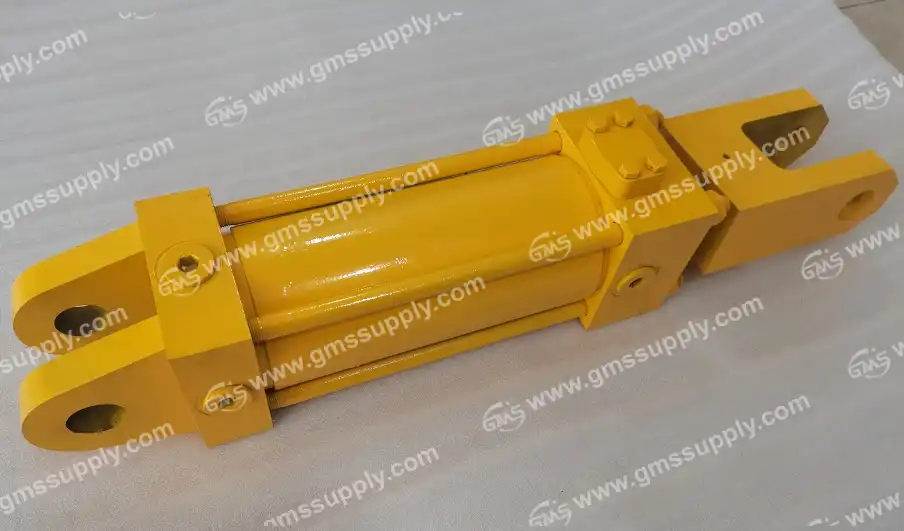
When drilling activities depend on equipment that works without any problems, it's important to know what keeps your systems secure. The counterbalance cylinder 110704 is an important part of top drive counterbalance kits, it has a direct effect on how stable the load is and how the pressure is transferred during oil and gas drilling. This part is designed to be fully compatible with NOV top drive types TDS-11 and TDS-9SA. Its main job is to keep the balancing system's loads balanced, stopping sudden changes in the loads that could hurt the drilling process or put workers in danger. Choosing a reliable counterbalance cylinder 110704 has a direct effect on operating continuity and cost management for drilling contractors who are in charge of multiple rigs and equipment makers who offer ongoing service support.
Technical Specifications and Operational Principles of Load Balance Cylinders
The counterbalance cylinder 110704 is used in top-drive systems that must always have the load balanced perfectly, and it controls the balancing system that keeps the moving block and hook load stable while drilling. When the weight of the drill string changes or the top drive moves up and down, this cylinder unit works to keep the forces uniform, which keeps the movements from dropping suddenly or getting out of hand. Procurement teams can make better decisions when they know how this part works. The assembly sends hydraulic pressure through carefully machined parts, which ensures that the reaction stays the same even when the load changes. The form of the cylinder works well in the harsh conditions that are common in oil drilling, where temperature changes, vibrations, and constant duty cycles push equipment to its limits. The choice of material is very important for how long something works. The cylinder body is made of high-quality steel that can handle the high pressures that are usual in top-drive hydraulic systems. Sealing technology stops fluid leaks that would damage the pressure stability and make the system work less well. These parts of the design work together to give drilling operations the stable performance they need. This counterbalance cylinder 110704 needs to be able to correctly react to changes in pressure and stay in place when static loads are applied, and its value in keeping drilling efficient comes from the engineering that went into finding this balance between movement and security.
Selecting the Right Hydraulic Cylinder for Top Drive Applications
To pick the right hydraulic parts for top drive systems, you need to know what the purpose is. The counterbalance cylinder 110704 meets specific needs in the TDS-11 and TDS-9SA types, where counterbalance functionality has a direct effect on the safety and speed of operations. When changing parts or making upkeep plans, the difference is important, and compatibility is one of the most important things to think about when making a choice. The 110704 assy works with the counterbalance package 112190, which means that the pressure levels, mounting options, and size standards are all in line with what the system needs. Using parts that don't work together increases the chance of technical failure and could pose a safety risk. Performance needs change depending on the drilling conditions and the level of activity. When rigs work in harsh conditions, and the top drive moves a lot, it puts more stress on the hydraulic parts. Knowing the job cycle of your equipment can help you decide if normal assemblies meet your needs or if better specifications will give you better long-term value. In the GMS product line, related hydraulic systems do different jobs but work well together. Other hydraulic cylinders meet different system needs, while the 110703 cylinder unit has a different layout. Knowing the differences in function helps repair teams keep the right substitute counterbalance cylinder 110704 parts on hand and keep downtime to a minimum.
Installation Procedures and Maintenance Best Practices
Installing the counterbalance cylinder 110704 correctly is the first step to making sure it works well. Before you start installing, make sure the hydraulic system is fully depressurized and that you follow all the safety rules for the drilling tools. There are specific torque requirements that make sure that the attachment is stable without damaging the mounting surfaces. During fitting, make sure that all of the hydraulic joints are clean. One of the main reasons why hydraulic parts fail early is that they are contaminated, as small particles can break seals or score the walls of cylinders, which can cause leaks and efficiency problems. The choice of hydraulic fluid affects how long a cylinder part lasts. The fluid must meet the requirements for your top drive type and keep its viscosity at the right level across the temperature range that your equipment is used in. Over time, fluid degradation lowers its lubricating qualities, which can cause parts to wear out faster. As part of normal maintenance, the counterbalance cylinder 110704 should be checked for external leaks, the state of the rod surface, and the safety of the mounting. Fluid leaking around seals can be seen as a sign of wear that will get worse if not fixed. Damage to the cylinder rod's surface lets dirt in and speeds up the seal's breakdown. Uneven cylinder reaction and position shift under load are common problems that need to be fixed. Position shift usually means that an internal seal is wearing out or that pressure is being lost somewhere else in the system. Dealing with these problems right away keeps small issues from getting worse and turning into expensive fails. When to replace them depends on how they are used and how often they are used. Drilling operations that run long campaigns with few breaks put more stress on parts than operations that only happen sometimes. Keeping track of performance markers helps you figure out when it's time to replace the component or to keep maintaining it for a longer period of time.
Procurement Strategies for Counterbalance Cylinder Components
When looking for hydraulic parts for drilling tools, you have to balance quality needs with cost concerns. The counterbalance cylinder 110704 works with TDS-11 and TDS-9SA models and is more affordable than other options. It also meets ISO 9001 approval standards, which guarantee high-quality production. Planning for lead times has an effect on operational readiness. GMS keeps an inventory with delivery times of up to four weeks, which lets drilling contractors plan repair windows and equipment makers keep their service promises without having to wait a long time. This also lowers the chance of long periods of downtime when parts fail without warning. When evaluating a supplier, more than just the original price should be taken into account. Getting a manufacturing certification like ISO 9001 shows that they are dedicated to quality control systems that lower the number of defects. Suppliers who have worked in the oil and gas drilling business for long time know how to meet the unique needs and performance standards of each job. To avoid expensive buying mistakes, part numbers must be correct. The counterbalance cylinder 110704 is the same as GMS Part No. 11S00253. Cross-referencing part numbers when buying things makes sure they are compatible and keeps you from getting the wrong parts, which slows down fixes. Having operational benefits comes from building ties with trusted providers who keep a lot of stock. When you need a replacement right away, having source contacts and ready stock will help you get it done faster. This relationship is especially helpful for drilling companies that are in charge of several rigs in different places. Support after the sale is what sets sellers apart in competitive markets. Having access to support for questions about installation or help with fixing is valuable in and of itself.
Performance Optimization and Lifecycle Management
To get the most out of a cylinder unit, you need to pay attention to the whole hydraulic system. All parts, including the counterbalance cylinder 110704, are kept safe by making sure the fluid is clean through effective filtering. Fluids that are analyzed regularly can detect pollution or degradation before they damage parts. The operating factors should stay within the limits set by the designer. Going over the recommended pressure or working in temperatures outside of the normal range speeds up wear and raises the risk of failure. By keeping an eye on the system's pressures and temperatures, you can tell when changes need to be made or parts need to be replaced. Tracking performance gives information for planning the duration. By keeping track of installation dates, upkeep tasks, and performance problems, you can build a history that helps you decide when to replace something. This cautious method stops problems from happening out of the blue during important operations. Making changes to the way a system is designed can make counterbalance cylinder 110704 lasts longer. Investing in things like adding more filtering, switching to better hydraulic fluid, or setting up condition tracking systems can make parts last longer and lower the total cost of ownership. Longer service life and better performance are made possible by better sealing materials, better surface processes, and more precise production. Keeping up with these changes helps buying teams make smart choices about how to replace old parts. Because the drilling business wants to be as efficient as possible, it needs parts that are solid and don't break down often. This need is directly met by the counterbalance cylinder 110704, which makes sure that the top drive works steadily. Buying quality top drive parts and keeping them in good shape helps keep operations going, which is a key part of running a successful drilling business.
Conclusion
The counterbalance cylinder 110704 is an important part of top drive systems that affects the steadiness of the load and the safety of operations during oil and gas drills. Drilling companies and equipment service providers can keep operations running smoothly and keep costs low by knowing the technical specs, how to install it correctly, and how to keep it in good shape. When making purchasing choices, it's helpful to look at a supplier's skills beyond just price. Things like product availability, quality standards, and aftersales support are all important things to think about. The counterbalance cylinder 110704 works with both the TDS-11 and TDS-9SA models and is made to ISO 9001 standards. Buying this components from reliable suppliers like GMS Supply comes with quick service and a variety of shipping choices that work with the busy plans of drilling operations.
FAQ
Q1: What applications require the 110704 cylinder assembly?
The counterbalance cylinder 110704 specifically serves in the NOV TDS-11 and TDS-9SA top drive models. The main job of this part is to keep the load balanced while drilling, which is why drilling companies that use these top drive systems need to have it.
Q2: How does lead time affect procurement planning?
GMS keeps a steady supply of inventory, and shipping times vary from stock to two weeks, based on the number of orders and where they are going. This schedule lets maintenance planners change parts during planned downtime instead of making unexpected outages last longer. Drilling workers who are in charge of multiple rigs should keep extras of important parts like counterbalance cylinders to keep operations running smoothly.
Q3: What quality standards apply to replacement cylinders?
Getting ISO 9001 approval makes sure that the ways things are made meet international standards for quality control. This license covers choosing the right materials, making sure the product is made precisely, and checking for quality control. Hydraulic cylinders that meet these standards show consistent performance traits and the accuracy in dimensions needed for system integration and dependable operation in tough drilling environments.
Partner with GMS for Reliable Counterbalance Cylinder Solutions
Drilling operations can't afford for tools not to work properly or to be down for long periods of time while waiting for important parts. GMS has been a reliable seller of counterbalance cylinder 110704 for over ten years, working with drilling companies and equipment service providers on oil and gas drilling projects. Each cylinder part that we make is stable and works with NOV TDS-11 and TDS-9SA top drive types because our manufacturing is ISO 9001 approved. We understand how quickly you need to buy things because we keep a lot of stock on hand, and our wait times are as short as the time it takes to get stock. Our team is available to help with checking specifications, installation, and ongoing operating questions. Get in touch with us at sales@gmssupply.com to talk about your unique counterbalance cylinder 110704 needs and find out how our adaptable solutions and full after-sales services can help you reach your business goals while lowering your total cost of ownership.
References
1. American Petroleum Institute. Recommended Practices for Drilling Equipment Quality Standards. API Publishing Services, 2021.
2. Henke, R.W. Hydraulic Cylinder Design and Applications for Oilfield Equipment. Industrial Press, 2019.
3. National Fluid Power Association. Hydraulic Component Maintenance Guidelines for Mobile Equipment. NFPA Technical Publications, 2020.
4. Patel, M. and Anderson, K. Top Drive Systems: Engineering and Operational Considerations. Petroleum Engineering International, 2022.
5. Society of Petroleum Engineers. Drilling Equipment Reliability and Maintenance Best Practices. SPE Technical Library, 2021.
6. Thompson, J.L. Counterbalance Systems in Modern Drilling Operations. Energy Equipment Standards Association, 2020.
_1739756818305.webp)
Learn about our latest products and discounts through SMS or email