- English
- French
- German
- Portuguese
- Spanish
- Russian
- Japanese
- Korean
- Arabic
- Greek
- German
- Turkish
- Italian
- Danish
- Romanian
- Indonesian
- Czech
- Afrikaans
- Swedish
- Polish
- Basque
- Catalan
- Esperanto
- Hindi
- Lao
- Albanian
- Amharic
- Armenian
- Azerbaijani
- Belarusian
- Bengali
- Bosnian
- Bulgarian
- Cebuano
- Chichewa
- Corsican
- Croatian
- Dutch
- Estonian
- Filipino
- Finnish
- Frisian
- Galician
- Georgian
- Gujarati
- Haitian
- Hausa
- Hawaiian
- Hebrew
- Hmong
- Hungarian
- Icelandic
- Igbo
- Javanese
- Kannada
- Kazakh
- Khmer
- Kurdish
- Kyrgyz
- Latin
- Latvian
- Lithuanian
- Luxembou..
- Macedonian
- Malagasy
- Malay
- Malayalam
- Maltese
- Maori
- Marathi
- Mongolian
- Burmese
- Nepali
- Norwegian
- Pashto
- Persian
- Punjabi
- Serbian
- Sesotho
- Sinhala
- Slovak
- Slovenian
- Somali
- Samoan
- Scots Gaelic
- Shona
- Sindhi
- Sundanese
- Swahili
- Tajik
- Tamil
- Telugu
- Thai
- Ukrainian
- Urdu
- Uzbek
- Vietnamese
- Welsh
- Xhosa
- Yiddish
- Yoruba
- Zulu
Understanding the Role of the Pump Shaft Sleeve
The shaft sleeve in centrifugal pump systems serves as a critical protective component that extends equipment lifespan while reducing maintenance costs. This cylindrical component, typically manufactured from materials like stainless steel or ceramic-coated alloys, acts as a sacrificial barrier between the pump shaft and harsh operating conditions. Understanding the fundamental role of pump shaft sleeves enables operators in oil and gas exploration, mining, and industrial processing to make informed decisions about equipment maintenance and replacement strategies. By protecting the main shaft from abrasive fluids, corrosion, and mechanical wear, shaft sleeves prevent costly shaft replacements and minimize unplanned downtime in critical pumping operations.


The Primary Functions of Shaft Sleeves in Centrifugal Pumps
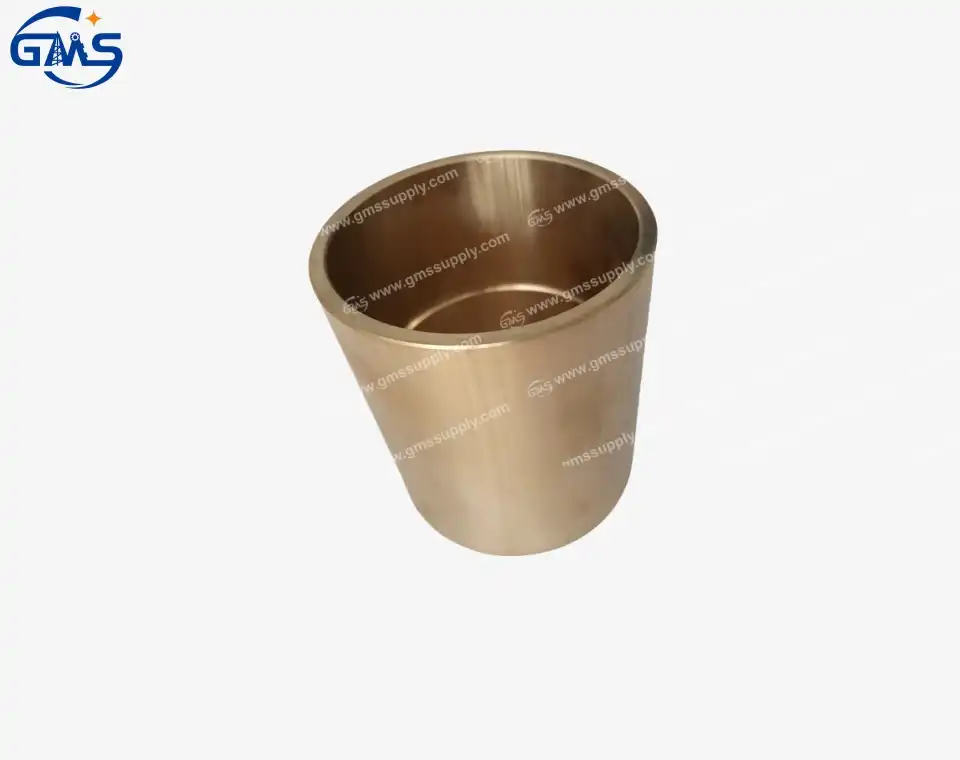
The shaft sleeve in centrifugal pump applications performs several essential functions that directly impact operational efficiency and equipment longevity. The primary purpose involves protecting the pump shaft from packing wear at the stuffing box, where mechanical seals or gland packing create a seal against fluid leakage. Without a shaft sleeve, the packing material would directly contact and gradually erode the main shaft surface, eventually requiring complete shaft replacement—an expensive and time-consuming repair. The stainless steel shaft sleeve acts as a replaceable wear surface, absorbing the abrasive action of packing materials while preserving the integrity of the more expensive main shaft assembly. Beyond wear protection, shaft sleeves provide crucial defense against corrosive and erosive forces present in pumped fluids. In oil and gas drilling operations, centrifugal pumps handle fluids containing sand, drilling mud, saltwater, and various chemical additives that can rapidly degrade unprotected metal surfaces. The shaft sleeve in centrifugal pump systems creates a barrier that resists these aggressive conditions, particularly when manufactured from corrosion-resistant materials or enhanced with ceramic coatings. The GMS-250 shaft sleeve, available in both standard stainless steel and ceramic-coated variants (part numbers 7A0943 and 7A0613, OEM reference 20943-04A), exemplifies this protective function by offering extended service life in demanding drilling environments where abrasive fluids constantly challenge component durability. Additionally, shaft sleeves facilitate proper alignment and support for other pump components, including bearings, seals, and impellers. The sleeve maintains precise spacing and positioning throughout the pump assembly, ensuring optimal clearances and preventing component interference. In multistage centrifugal pumps, interstage sleeves work in conjunction with bushings to form controlled leakage joints that manage internal pressure differentials between stages. This function proves particularly important in high-pressure applications common to oil and gas operations, where maintaining proper clearances directly affects pump efficiency and prevents catastrophic failures. The replaceable nature of shaft sleeves means that when wear occurs, operators can restore original specifications without replacing the entire shaft assembly, significantly reducing maintenance costs and equipment downtime.
Material Selection and Design Considerations for Optimal Performance
Selecting appropriate materials for the shaft sleeve in centrifugal pump applications requires careful consideration of operating conditions, fluid characteristics, and expected service life. Stainless steel shaft sleeve designs represent the most common choice due to their excellent balance of corrosion resistance, mechanical strength, and cost-effectiveness. High-quality stainless steel alloys, such as those used in the GMS-250 series components, provide superior resistance to chloride-induced corrosion while maintaining structural integrity under high-pressure and high-temperature conditions typical of oil and gas drilling operations. The material's inherent properties allow it to withstand continuous contact with abrasive particles suspended in drilling fluids without experiencing rapid degradation that would compromise shaft protection. For exceptionally demanding applications involving highly abrasive fluids or corrosive chemical environments, ceramic-coated shaft sleeves offer enhanced performance characteristics. The ceramic coating applied to a stainless steel base combines the substrate's mechanical properties with the ceramic layer's exceptional hardness and chemical inertness. This composite construction significantly extends component life in severe service conditions where standard materials would fail prematurely. The GMS-250 ceramic-coated option demonstrates this advantage by providing extra protection against erosive wear from sand-laden fluids common in drilling operations, while the underlying stainless steel structure maintains the necessary mechanical strength to resist bending and impact loads that occur during pump operation and maintenance activities.
Design considerations extend beyond material selection to include dimensional accuracy, surface finish quality, and installation features. The shaft sleeve must maintain precise tolerances to ensure proper fit on the pump shaft while allowing for thermal expansion and contraction during operation. Surface finish directly affects seal performance and wear rates; a smooth, uniform surface minimizes friction against packing materials and mechanical seals, extending their service life. The 250 series centrifugal pump shaft sleeve from GMS incorporates these design elements, manufactured under ISO 9001 certified quality systems that control every production step from raw material selection to final inspection. This attention to manufacturing detail ensures consistent performance and interchangeability with OEM components, providing users with reliable alternatives that meet original equipment specifications at competitive prices suited for budget-conscious operations or non-critical component replacements.
Maintenance Benefits and Cost Advantages of Replacement Sleeves
The economic advantages of using replacement shaft sleeve in centrifugal pump systems become evident when comparing maintenance costs and operational downtime between sleeved and non-sleeved configurations. When a shaft sleeve wears beyond acceptable limits, maintenance personnel can simply remove and replace this single component without disturbing the main pump shaft or requiring complete pump disassembly. This targeted replacement approach dramatically reduces labor hours, minimizes parts inventory requirements, and allows maintenance work to proceed during brief scheduled outages rather than requiring extended downtime for major overhauls. The availability of aftermarket alternatives like those from GMS, with their significant price advantages over OEM parts, further amplifies these cost savings while maintaining performance standards required for reliable operation in oil and gas drilling environments. The stainless steel shaft sleeve replacement strategy proves particularly valuable in high-wear applications where component life may be limited by operational severity rather than material quality. In drilling operations handling abrasive fluids containing sand, rock cuttings, or other solid particles, even premium materials experience gradual erosion that eventually necessitates replacement. By accepting this reality and designing for replaceability, engineers enable cost-effective maintenance programs that restore equipment to optimal condition without incurring the substantial expense of shaft replacement. GMS maintains extensive stock of 250 series components, including part number 20943-04A equivalents, ensuring short lead times that minimize equipment downtime and allow operators to maintain production schedules without delays waiting for critical spare parts.
Beyond direct cost savings, the use of quality replacement sleeves from established suppliers like GMS provides additional operational benefits through improved inventory management and supply chain flexibility. Operators can standardize on proven aftermarket components that offer performance equivalent to original equipment while enjoying broader sourcing options and competitive pricing. The ISO 9001 certification held by GMS demonstrates their commitment to consistent quality management, giving customers confidence that replacement parts will meet specifications and perform reliably in demanding service conditions. With over a decade of experience supplying the oil and gas industry and specialized focus on centrifugal pump components for drilling applications, GMS brings expertise that ensures proper application guidance and technical support. Their quick response times, typically within two hours, combined with extensive inventory and short lead times, create a responsive supply partnership that helps customers maintain operational efficiency while controlling maintenance costs through strategic use of cost-effective replacement components.
Application Insights for Oil and Gas Drilling Operations
In oil and gas drilling operations, the shaft sleeve in centrifugal pump systems faces uniquely challenging service conditions that test component durability and reliability. Drilling mud circulation requires pumps to handle fluids containing high concentrations of abrasive solids including bentonite clay, barite weighting agents, and rock cuttings, all suspended in water or oil-based carriers. These fluids continuously scour pump internal surfaces, creating wear patterns that preferentially affect high-velocity areas like shaft sleeves where packing or seals create point loading. The 250 series centrifugal pump commonly deployed in drilling applications must maintain reliable operation despite these severe conditions, making proper component selection and proactive maintenance essential for avoiding costly operational disruptions. The stainless steel shaft sleeve serves as the front-line defense protecting critical pump infrastructure from this abrasive assault. When properly specified and maintained, quality sleeves like those manufactured by GMS absorb erosive wear while preserving the underlying shaft that represents a much more expensive and difficult component to replace. The ceramic-coated variant option provides additional protection margin for particularly severe applications, extending service intervals and reducing the frequency of maintenance interventions. Understanding the relationship between operating conditions and component wear rates allows drilling operators to establish appropriate inspection schedules and maintain adequate spare parts inventory, ensuring replacement components are available when needed to minimize unplanned downtime that can cost thousands of dollars per hour in drilling rig day rates.
GMS recognition of these application-specific requirements drives their product development and inventory strategies. Their focus on drilling machinery supply over fifteen years has generated deep understanding of the operational challenges faced by drilling contractors, equipment distributors, and exploration companies. This experience translates into practical benefits for customers, including technical support for proper component selection, quality assurance through ISO 9001 certified manufacturing processes, and reliable availability through maintained stock levels. The ability to supply components like part number 7A0943 and 7A0613 from stock eliminates waiting periods that extend equipment downtime, while competitive pricing on these replacement alternatives helps operators control maintenance budgets without compromising on quality or reliability. For drilling operations where equipment reliability directly impacts project economics, partnering with an experienced supplier offering proven components, responsive service, and flexible solutions creates measurable value beyond simple parts pricing considerations.
Conclusion
The shaft sleeve in centrifugal pump systems represents a critical yet often overlooked component that significantly impacts operational reliability and maintenance costs in demanding industrial applications. By protecting the main pump shaft from wear, corrosion, and erosion while enabling cost-effective maintenance through targeted replacement, quality sleeves deliver substantial value throughout their service life. For oil and gas drilling operations facing severe service conditions, selecting appropriate materials and partnering with experienced suppliers becomes essential for maintaining operational efficiency while controlling costs. GMS stands ready to support these requirements with proven replacement components, ISO-certified quality, extensive inventory, and responsive customer service that addresses the unique challenges of the drilling industry.
When you need reliable, cost-effective solutions for your centrifugal pump maintenance requirements, choosing the right China shaft sleeve in centrifugal pump supplier makes all the difference. As an established China shaft sleeve in centrifugal pump manufacturer with over a decade of industry experience, GMS offers shaft sleeve in centrifugal pump for sale that deliver OEM-equivalent performance at competitive shaft sleeve in centrifugal pump price points. Whether you're seeking a China shaft sleeve in centrifugal pump factory partner for ongoing supply or exploring China shaft sleeve in centrifugal pump wholesale options for your operations, we invite you to contact our team to discuss your specific requirements. Reach out today at sales@gmssupply.com to request a quote, obtain technical specifications, or learn how GMS replacement components can help reduce your maintenance costs while maintaining the reliability your operations demand. Let us demonstrate why leading drilling contractors and exploration companies trust GMS for their critical pump component needs.
References
1. Karassik, Igor J., Messina, Joseph P., Cooper, Paul, and Heald, Charles C. Pump Handbook. Fourth Edition. McGraw-Hill Education, 2008.
2. Brennan, Charles E., Gongwer, Calvin A., and Roth, Paul E. "Centrifugal Pump Design and Performance Optimization." Proceedings of the International Pump Users Symposium, Texas A&M University, 1995.
3. Lobanoff, Val S. and Ross, Robert R. Centrifugal Pumps: Design and Application. Second Edition. Gulf Publishing Company, 1992.
4. Budris, Allan R. and Mayleben, Paul A. "Effects of Entrained Air, NPSH Margin, and Suction Piping on Cavitation in Centrifugal Pumps." Proceedings of the Twenty-Fourth International Pump Users Symposium, 2008.
_1745460204264.webp)
Learn about our latest products and discounts through SMS or email