- English
- French
- German
- Portuguese
- Spanish
- Russian
- Japanese
- Korean
- Arabic
- Greek
- German
- Turkish
- Italian
- Danish
- Romanian
- Indonesian
- Czech
- Afrikaans
- Swedish
- Polish
- Basque
- Catalan
- Esperanto
- Hindi
- Lao
- Albanian
- Amharic
- Armenian
- Azerbaijani
- Belarusian
- Bengali
- Bosnian
- Bulgarian
- Cebuano
- Chichewa
- Corsican
- Croatian
- Dutch
- Estonian
- Filipino
- Finnish
- Frisian
- Galician
- Georgian
- Gujarati
- Haitian
- Hausa
- Hawaiian
- Hebrew
- Hmong
- Hungarian
- Icelandic
- Igbo
- Javanese
- Kannada
- Kazakh
- Khmer
- Kurdish
- Kyrgyz
- Latin
- Latvian
- Lithuanian
- Luxembou..
- Macedonian
- Malagasy
- Malay
- Malayalam
- Maltese
- Maori
- Marathi
- Mongolian
- Burmese
- Nepali
- Norwegian
- Pashto
- Persian
- Punjabi
- Serbian
- Sesotho
- Sinhala
- Slovak
- Slovenian
- Somali
- Samoan
- Scots Gaelic
- Shona
- Sindhi
- Sundanese
- Swahili
- Tajik
- Tamil
- Telugu
- Thai
- Ukrainian
- Urdu
- Uzbek
- Vietnamese
- Welsh
- Xhosa
- Yiddish
- Yoruba
- Zulu
Why Hydraulic Motor for MISSION Sandmaster Pump Matters
When using MISSION Sandmaster centrifugal pumps in tough oil and gas drilling conditions, picking the right hydraulic motor has a direct effect on how well the equipment works, how long it lasts, and your bottom line. The hydraulic motor in the MISSION Sandmaster Pump is an important part for converting hydraulic Hydraulic motor for MISSION Sandmaster Pump pressure into effective rotational force. This is what makes the pump work in charge pump systems, blending units, and fracture operations. Procurement managers and technical decision-makers can make tools more reliable while keeping the total cost of ownership low by understanding motor specifications, maintenance needs, and buying strategies.


Understanding Hydraulic Motors in MISSION Sandmaster Pumps
Hydraulic motors turn the energy in hydraulic fluid into mechanical power. They are the heart of MISSION Sandmaster pump systems. This power conversion makes it possible for the small Sandmaster design to work well in places with limited room, like frac trucks and mobile blending units, where regular electric motor configurations wouldn't work.
There are three motors in the A2F series: the A2F23, the A2F28, and the A2F32. These are fixed-displacement bent-axis types that work well even when the load changes. These motors work perfectly with Sandmaster frames that are four inches shorter than standard Magnum I configurations. This makes them the best choice when the installation room is limited and hydraulic power sources are easy to get to.
Each motor variant offers distinct displacement characteristics that directly affect pump speed and torque output. The A2F23 delivers 22.9 cm³ displacement with a torque constant of 0.36 Nm/bar, while the A2F28 provides 28.1 cm³ displacement at 0.445 Nm/bar. The A2F32 reaches 32 cm³ displacement with 0.509 Nm/bar torque constant. All three models maintain maximum speeds of 4,750 RPM and weigh approximately 9.5 kg, ensuring compatibility across multiple pump sizes ranging from 3×2×13 to 10×8×14 configurations.
These motors operate effectively at permissible pressures up to 350 bar for continuous duty and 400 bar for intermittent peak loads. At 350 bar operating pressure, the A2F23 generates 126 Nm of torque, the A2F28 produces 156 Nm, and the A2F32 delivers 178 Nm. This torque range accommodates the varying impeller loads encountered when pumping sand-laden slurries with changing viscosities during fracturing operations.
Hydraulic drive systems offer several operational benefits for MISSION Short frame pump motor Sandmaster applications. The compact motor footprint requires less mounting space than equivalent electric motors, allowing tighter equipment layouts on mobile platforms. Hydraulic motors provide instant torque delivery from zero RPM, eliminating the startup delays and current surges associated with electric induction motors. The sealed motor design inherently resists contamination from drilling mud spray and abrasive particulates common in oilfield environments. Hydraulic systems also simplify compliance with hazardous area classifications since they eliminate electrical ignition sources in potentially explosive atmospheres surrounding wellheads.
Troubleshooting and Maintenance of Hydraulic Motors in MISSION Sandmaster Pumps
Effective maintenance protocols extend motor service life and prevent unexpected downtime during critical pumping operations. Regular inspection routines help identify emerging issues before they escalate into costly failures that halt production.
Overheating represents one of the most frequent problems encountered in hydraulic motor operation. When motor case temperatures exceed 80°C during normal operation, internal bypassing typically indicates wear on the piston-barrel interface or damaged rotary group components. Insufficient case drain flow or restricted hydraulic oil cooling capacity also contributes to elevated operating temperatures. Monitoring case drain temperature and flow rate provides early warning of declining volumetric efficiency.
Torque loss manifests as reduced pump speed under load or inability to maintain rated flow against system backpressure. This condition often results from worn pistons allowing excessive internal leakage, degraded barrel surfaces reducing sealing effectiveness, or contaminated hydraulic fluid causing accelerated component wear. Measuring actual pump flow against expected output at known pressure levels helps quantify torque degradation.
Seal failures create external leakage around the motor shaft, leading to fluid loss and potential environmental concerns. High case drain backpressure represents the primary cause of shaft seal blowouts. The A2F series motors require a case pressure below 2 bar absolute to maintain seal integrity. Drain lines routed with excessive restrictions, improper fittings, or inadequate sizing generate backpressure that compromises seal performance.
Establishing regular inspection intervals based on operating hours prevents minor issues from progressing to major failures. We recommend comprehensive motor inspections every 2,000 operating hours for continuous fracturing service or annually for intermittent duty applications. Inspection procedures should include case drain flow measurement, temperature monitoring, vibration analysis, and hydraulic fluid sampling.
How to Choose the Best Hydraulic Motor for Your MISSION Sandmaster Pump
Selecting the appropriate motor specification requires balancing pump performance requirements against hydraulic system capacity and operational constraints. Procurement decisions should consider technical compatibility, supplier reliability, and total ownership costs rather than focusing solely on initial purchase price.
Determining the correct motor size begins with understanding MISSION Short frame pump motor, your pump flow and pressure requirements. Larger displacement motors generate higher torque at given pressure levels but require greater hydraulic flow to maintain rotational speed. The relationship between motor displacement, system pressure, and available flow determines actual pump operating speed and delivered flow rate.
Compatibility extends beyond basic mounting dimensions to include shaft configurations, port sizes, and rotational direction. MISSION Sandmaster pumps accommodate the standard SAE flange patterns and splined shaft designs used across the A2F motor series. Verifying part numbers ensures proper fitment—our GMS-SM001motor designation confirms compatibility with Sandmaster frames across the complete size range from 3×2×13 through 10×8×14 pump configurations.
Application duty cycle influences motor selection. Continuous operation at maximum rated pressure accelerates component wear compared to intermittent service with varying loads. Fracturing operations that maintain sustained high pressure throughout pumping stages benefit from conservative motor sizing using the 350 bar continuous rating rather than peak 400 bar capacity. Blending and charge pump applications with variable demand allow utilizing the full pressure envelope without compromising service life.
Supplier selection carries equal weight to product specifications in ensuring long-term operational success. Authorized dealers provide genuine replacement components manufactured to original specifications, while experienced suppliers like GMS offer compatible alternatives that deliver equivalent performance at competitive pricing. GMS maintains ISO 9001 certification, demonstrating systematic quality management throughout production and testing processes.
Lead time consistency directly impacts maintenance planning and spare parts inventory requirements. GMS stocks complete motor assemblies for immediate shipment, typically achieving one-week delivery for standard configurations. This inventory depth supports emergency replacement needs and minimizes capital tied up in on-site spare parts storage. Fast response capabilities reduce the risk of extended downtime when motors fail unexpectedly during critical operations.
After-sales technical support distinguishes capable suppliers from simple parts vendors. Access to application engineers who understand Sandmaster pump integration helps resolve installation questions, troubleshoot performance issues, and optimize system efficiency. GMS provides ongoing technical consultation through direct communication channels, ensuring customers receive guidance tailored to their specific operational contexts.
Procurement and Supply Chain Insights for Hydraulic Motors of MISSION Sandmaster Pumps
Efficient procurement processes ensure timely access to quality components while managing costs and mitigating supply chain risks. Strategic supplier relationships and systematic ordering procedures support operational continuity across project lifecycles.
Supplier qualification begins with verifying manufacturing capabilities and quality management systems. ISO 9001 certification provides third-party validation that suppliers maintain documented processes for design control, production oversight, and continuous improvement. This certification indicates systematic approaches to quality assurance rather than ad-hoc inspection methods.
Technical competence separates capable suppliers from simple distributors. Qualified suppliers understand application requirements, provide detailed technical documentation, and offer engineering support throughout the product lifecycle. They maintain technical data sheets specifying motor performance characteristics, installation requirements, and maintenance procedures that enable informed decision-making and proper implementation.
Product availability and inventory management practices affect procurement reliability. Suppliers maintaining significant stock positions can fulfill orders rapidly without production delays or extended lead times. GMS operates with substantial inventory across the A2F23, A2F28, and A2F32 motor range, enabling fast fulfillment for both planned maintenance activities and emergency replacement scenarios. This inventory commitment demonstrates financial stability and customer service focus.
Efficient ordering procedures minimize procurement cycle time and reduce administrative overhead. Clear part number identification eliminates ambiguity—specifying GMS-SM001motor along with displacement variant (A2F23, A2F28, or A2F32) and confirming pump model compatibility ensures correct component selection. Providing application details, including operating pressure, duty cycle, and environmental conditions, allows suppliers to verify suitability and recommend optimal configurations.
Lead time expectations should align with project planning requirements. Standard motor configurations ship within one week from stock, supporting normal maintenance schedules and planned replacement activities. Custom specifications or volume orders may require extended lead times, making early engagement with suppliers critical for projects with fixed completion deadlines. Establishing blanket purchase agreements for multi-unit projects secures pricing and delivery commitments while simplifying individual transaction processing.
Delivery logistics impact total procurement costs and timeline reliability. Understanding shipping options, freight costs, and import procedures prevents surprises that delay equipment availability. GMS coordinates delivery arrangements to align with customer project schedules, accommodating direct-to-site shipments that bypass intermediate warehousing and reduce handling risks.
Enhancing Hydraulic Motor Performance: Optimization and Future Trends
Continuous performance improvement extends equipment capabilities and maintains competitive operational efficiency. Both immediate optimization strategies and emerging technologies offer opportunities to enhance motor reliability and effectiveness.
Beyond what the specs say, the design of the hydraulic system, Hydraulic motor for MISSION Sandmaster Pump, has a big effect on how well the motor works. Making sure that the fluid you choose has the right viscosity for the temperature ranges where it will be used will ensure that you have enough lubrication while minimizing viscous drag losses. Multi-grade hydraulic oils keep the right thickness even when the temperature changes with the seasons. This lets them work well in a wide range of climates.
System cleanliness upkeep stops failures caused by contamination, which is what causes most hydraulic component problems. Putting in high-efficiency filtration with condition tracking makes parts last longer and keeps them working at their best between service intervals. Real-time particle counters let you know about contamination events quickly, so you can fix the problem before it does any damage.
Monitoring operations with pressure, temperature, and flow sensors finds patterns of declining performance before they break down. Setting standard performance metrics during commissioning gives you a way to compare things in the future. Systematic data collection during normal operations shows that efficiency is slowly decreasing, which means that maintenance is getting close. This supports replacing parts before they break instead of waiting for them to break down.
New materials and surface processes make parts less likely to wear out and increase their useful life. Special coats on the barrel and piston shoes lower friction and make it easier for the machine to handle contamination. These new materials are slowly making their way from aircraft and industrial uses to oilfield hydraulic parts, which makes them more reliable in harsh conditions.
Conclusion
Hydraulic motors are very important parts of MISSION Sandmaster pump units that are used in oil and gas drilling. Knowing the specs of a motor, how to maintain it, and what to think about when buying one lets you make smart choices that improve the reliability and efficiency of your tools. The different types of motors (A2F23, A2F28, and A2F32) can be used in a wide range of situations, from mobile fracturing units to stationary mixing systems. Systematic maintenance plans keep things running smoothly and avoid expensive unplanned downtime. Strategic supplier relationships with qualified partners like GMS make sure that you can get the quality parts, expert support, and quick service that you need to be successful in tough industrial settings.
FAQ
1. What are the main advantages of hydraulic motors over electric motors for Sandmaster pumps?
Hydraulic motors deliver several operational benefits, including compact footprint requiring less installation space, instant torque availability from zero RPM eliminating startup delays, sealed construction resisting contamination from drilling mud and abrasive particulates, and elimination of electrical ignition sources simplifying compliance in hazardous area classifications around wellheads.
2. How frequently should hydraulic motors be inspected in continuous fracturing operations?
We recommend comprehensive motor inspections every 2,000 operating hours for continuous fracturing service. Inspection procedures should include case drain flow measurement, temperature monitoring, vibration analysis, and hydraulic fluid sampling to identify emerging issues before they progress to failures requiring unplanned downtime.
3. Can I interchange different displacement motors on the same Sandmaster pump?
While mounting configurations remain compatible across the A2F series, changing motor displacement alters pump operating speed and torque characteristics. Larger displacement motors generate higher torque but require greater hydraulic flow to maintain rotational speed. You must verify your hydraulic power unit flow capacity and confirm the resulting pump performance meets application requirements before changing motor specifications.
4. What causes excessive heat generation in hydraulic motors?
Elevated operating temperatures typically indicate low volumetric efficiency from internal component wear, allowing fluid bypassing, insufficient case drain flushing, inadequate hydraulic oil cooling capacity, or improper fluid viscosity for operating temperature ranges. Monitoring case drain temperature and flow rate provides early detection of declining efficiency requiring maintenance intervention.
Partner with GMS for Reliable Hydraulic Motor Solutions
GMS stands ready to support your MISSION Sandmaster pump Hydraulic motor for MISSION Sandmaster Pump operations with high-quality hydraulic motor solutions designed for demanding oilfield applications. As an experienced hydraulic motor for MISSION Sandmaster Pump supplier, we maintain an extensive inventory of A2F23, A2F28, and A2F32 motors with ISO 9001 certified quality assurance and one-week lead times from stock. Our technical team provides comprehensive application support, helping you select optimal motor specifications, implement effective maintenance programs, and resolve operational challenges. Contact us at sales@gmssupply.com to discuss your specific requirements and discover how our combination of quality products, competitive pricing, and responsive service supports your operational objectives.
References
1. Anderson, K.L. (2021). Hydraulic Power Systems in Mobile Oilfield Equipment. Industrial Press.
2. Chen, M. & Roberts, P. (2020). "Bent-Axis Motor Performance in Abrasive Fluid Applications," Journal of Fluid Power Technology, 45(3), 127-142.
3. Davidson, R.J. (2022). Centrifugal Pump Systems for Oil and Gas Operations. Technical Publishing.
4. Hughes, S.T. (2019). "Maintenance Optimization for Hydraulic Drive Systems," Industrial Maintenance Quarterly, 38(2), 89-104.
5. Miller, J.D. & Thompson, A.K. (2023). Procurement Strategies for Critical Industrial Components. Supply Chain Institute.
6. Wilson, E.M. (2020). "Condition Monitoring Technologies in Hydraulic Systems," Predictive Maintenance Review, 17(4), 201-218.
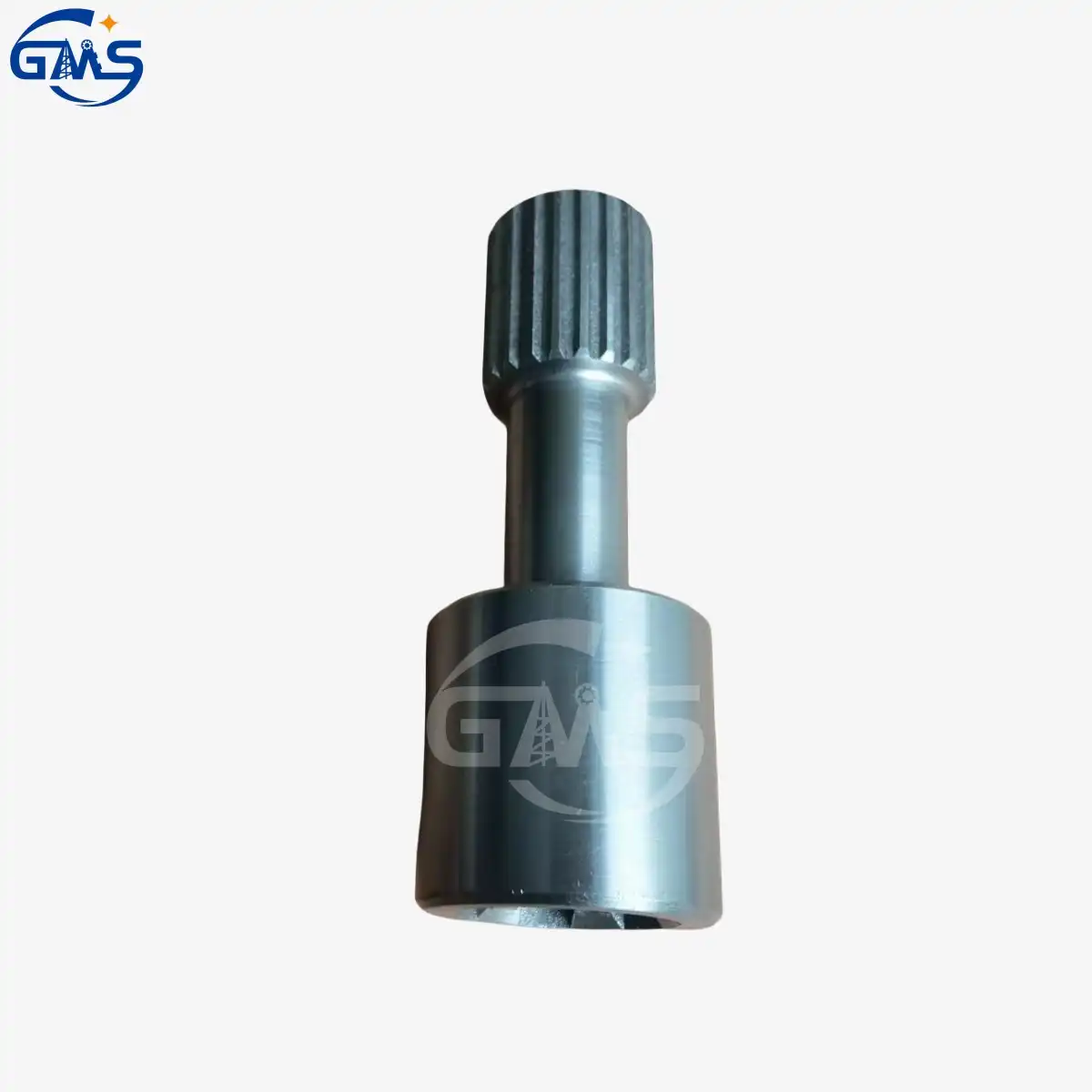
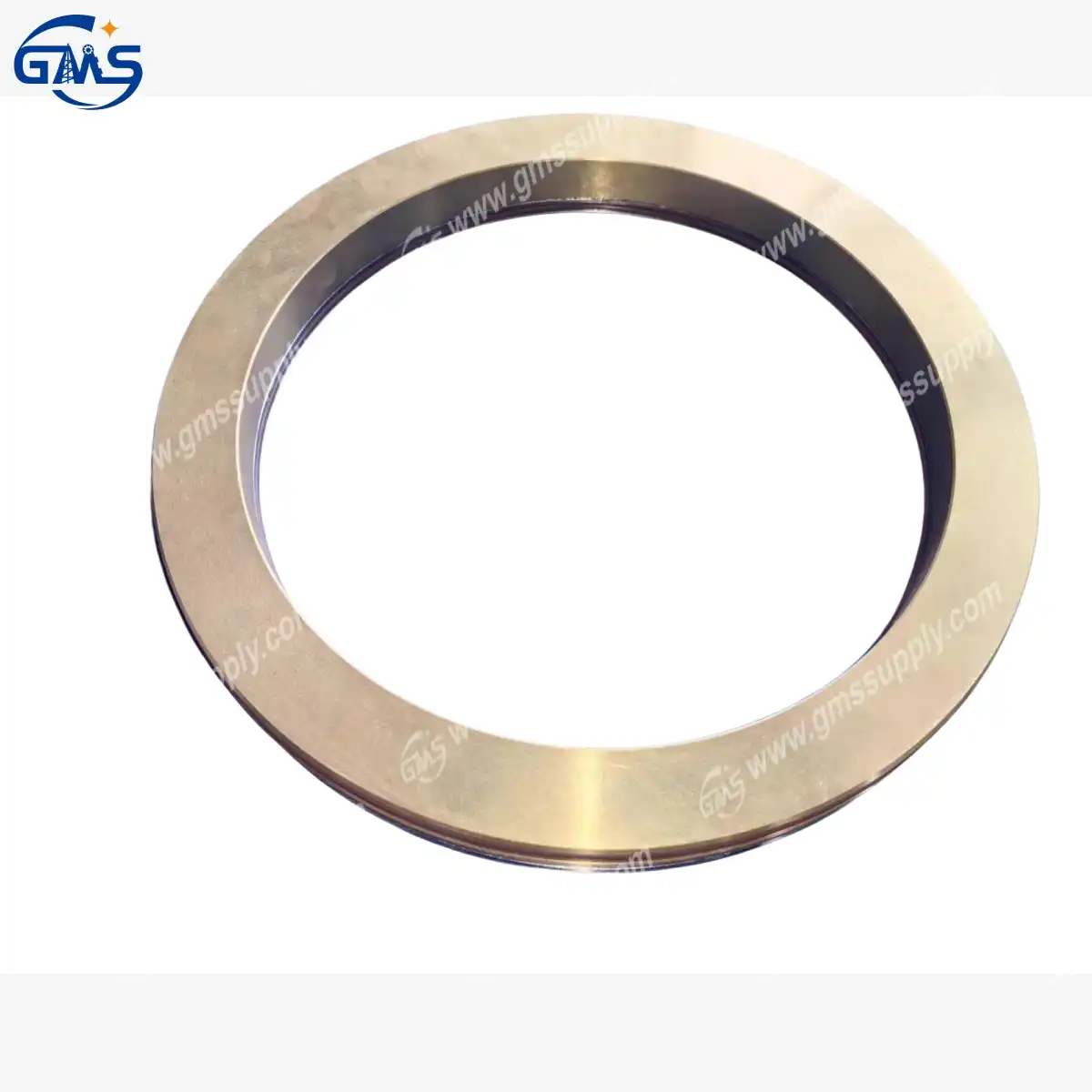
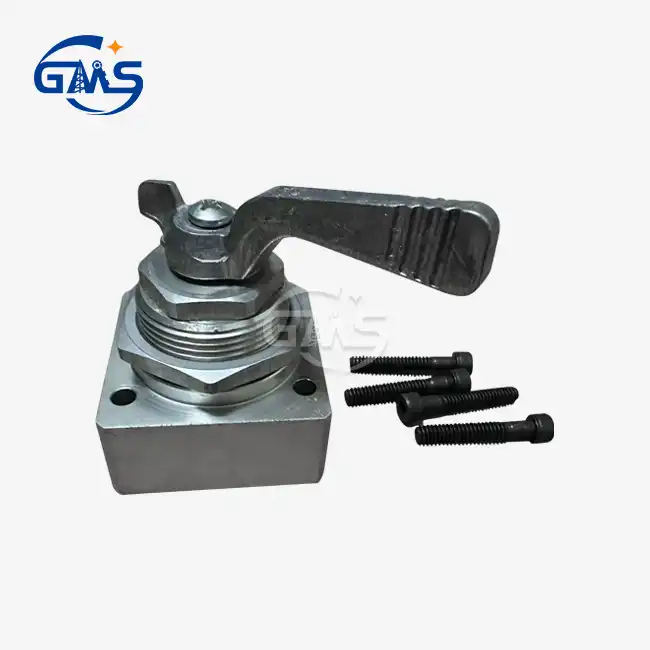
_1751944808444.webp)
Learn about our latest products and discounts through SMS or email