- English
- French
- German
- Portuguese
- Spanish
- Russian
- Japanese
- Korean
- Arabic
- Greek
- German
- Turkish
- Italian
- Danish
- Romanian
- Indonesian
- Czech
- Afrikaans
- Swedish
- Polish
- Basque
- Catalan
- Esperanto
- Hindi
- Lao
- Albanian
- Amharic
- Armenian
- Azerbaijani
- Belarusian
- Bengali
- Bosnian
- Bulgarian
- Cebuano
- Chichewa
- Corsican
- Croatian
- Dutch
- Estonian
- Filipino
- Finnish
- Frisian
- Galician
- Georgian
- Gujarati
- Haitian
- Hausa
- Hawaiian
- Hebrew
- Hmong
- Hungarian
- Icelandic
- Igbo
- Javanese
- Kannada
- Kazakh
- Khmer
- Kurdish
- Kyrgyz
- Latin
- Latvian
- Lithuanian
- Luxembou..
- Macedonian
- Malagasy
- Malay
- Malayalam
- Maltese
- Maori
- Marathi
- Mongolian
- Burmese
- Nepali
- Norwegian
- Pashto
- Persian
- Punjabi
- Serbian
- Sesotho
- Sinhala
- Slovak
- Slovenian
- Somali
- Samoan
- Scots Gaelic
- Shona
- Sindhi
- Sundanese
- Swahili
- Tajik
- Tamil
- Telugu
- Thai
- Ukrainian
- Urdu
- Uzbek
- Vietnamese
- Welsh
- Xhosa
- Yiddish
- Yoruba
- Zulu
110562-1 Accumulator Hydro Pneumatic 6 Inch: TDS9S Guide
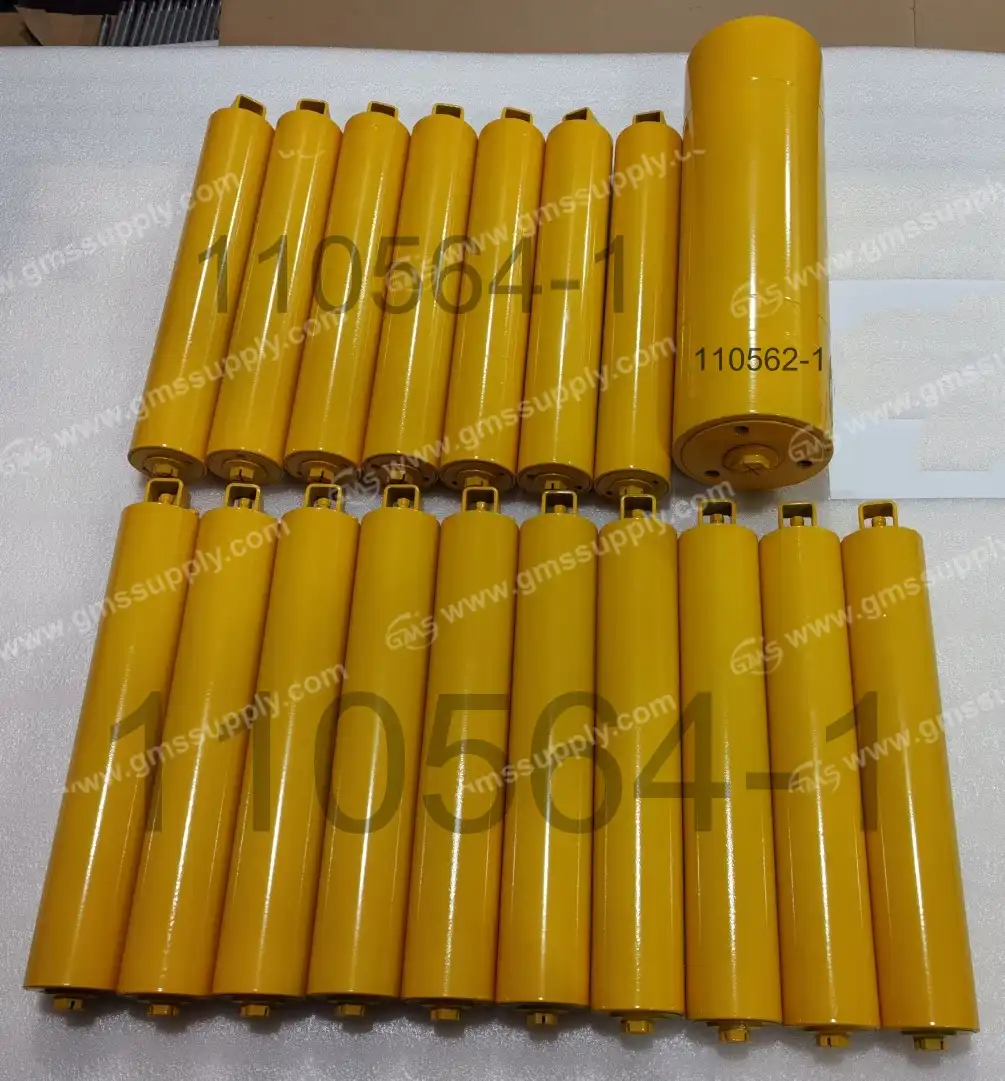
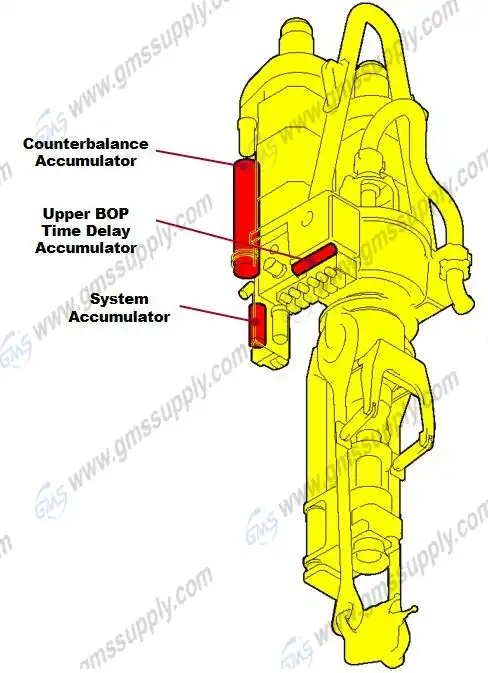
When your top drive hydraulic system faces changes in pressure or the possibility of downtime during important drilling operations, the 110562-1 Accumulator Hydro Pneumatic 6 inch saves the day. This carefully designed part, which is listed under the GMS Part No. 11S01247 number, is an important energy storage device for NOV Varco TDS-11SA, TDS-9SA top drive types. This 6-inch diameter accumulator is made to work with Hydraulic Package 121403, and it stores pressurized fluid to make sure that your hydraulic equipment works smoothly even in the roughest drilling conditions. Over the past ten years, GMS has sold hundreds of these ISO 9001-certified units to drilling companies and upstream operators all over the United States. These units have helped them keep their equipment running and keep costs down.
Understanding the 6 Inch Hydro Pneumatic Accumulator: Core Principles and Benefits
A hydro pneumatic accumulator works by storing potential energy in compressed gas (usually nitrogen) that is separated from hydraulic fluid by a flexible bladder. This is a simple but powerful idea. When your top drive system needs quick hydraulic power, like when moving pipes, delivering torque, or shutting down in an emergency, the accumulator releases this saved energy right away. This makes up for pump lag and keeps system pressure stable.
When high-pressure hydraulic fluid comes into the 110562-1 unit during the drilling cycle, it squeezes the gas chamber inside. The compressed gas expands when the system pressure drops, which forces fluid back into the circuit. Pressure jumps that would hurt seals, valves, and pump parts would not happen because of this constant cycle. We've seen that drilling operations that use well-maintained accumulators have nearly 40 percent fewer hydraulic component replacements than systems that don't have enough energy storage.
The benefits go beyond just protecting the parts. Stabilizing the pressure directly leads to consistent top drive performance. This means that your drill string gets more torque more smoothly, and the whole drawworks assembly is under less mechanical stress. Maintenance costs go down because hydraulic shock, which is the main reason seals fail and fluid gets dirty, is successfully reduced. When pumps work within the best pressure ranges instead of constantly adjusting for changes in the system, energy efficiency goes up.
In drilling settings, bladder-type accumulators like the 110562-1 are clearly better than piston and diaphragm types. The bladder design keeps gas and fluid completely separate, which keeps them from getting dirty and lets them work in any mounting orientation, which is very important for retrofitting existing top drive packages. When pressure changes, bladder units react faster than piston accumulators. They also keep their separation integrity even after millions of cycles. Even though diaphragm types are small, they can't handle the amount of fluid or the number of cycles needed for continuous drilling. It is best for TDS series top drives to be 6 inches in size because it has the best balance of energy storage capacity and physical footprint within standard hydraulic packages.
Choosing the Right 6 Inch Hydro Pneumatic Accumulator for Your Top Drive System
When choosing a new accumulator, you have to weigh a number of technical factors against your operational needs and your budget. The TDS11SA Accumulators 110562-1 usually work within 200 to 330 bar ranges, which are good for the hydraulic needs of TDS-11SA and TDS-9SA systems. Working pressure values are the most important thing to think about. Before you place your order, make sure that the specifications of your hydraulic package match this pressure envelope. Ratings that don't match can cause the bladder to fail early or the system to not respond properly.
Temperature resistance is very important in drilling settings where equipment has to deal with harsh circumstances. Quality hydro pneumatic accumulators work well in temperatures ranging from -20°C to +80°C, so they can be used in high-temperature rocks and drilling sites in the Arctic. The elastomeric materials, which are usually Nitrile Butadiene Rubber (NBR) or special compounds, must not break down when exposed to petroleum-based hydraulic fluids for a long time and must also be able to stretch at all temperatures.
How well a system works is directly affected by its capacity and number. The 6-inch number refers to the accumulator's width, which is equal to the amount of fluid it can hold. Larger amounts hold more energy, but they need more room to be installed and more gas to be precharged. When looking for replacements for Hydraulic Package 121403, sticking to the original 6-inch size will make sure that your system keeps the amount of energy it was designed to hold without having to change the circuit.
Certification and quality standards give you peace of mind that the company is reliable. Our ISO 9001 certification at GMS makes sure that every accumulator goes through strict measurements, pressure tests, and material checks before it is shipped. We are in charge of the whole manufacturing process, from choosing the raw materials to putting them together at the end. This way, we can be sure that the quality of each batch of products is the same. This methodical approach gets rid of the variation from batch to batch that lower-tier sources have to deal with, and that leads to unpredictable failures in the field.
There is more to evaluating a supplier than just comparing prices. When an accumulator fails, and drilling activities are in danger, delivery dependability is very important. We keep a stockpile of popular top drive parts like the 110562-1, which cuts down on lead times to four weeks instead of the 12 to 16 weeks that you usually have to wait when you order directly from overseas. It's also important to be able to provide technical support. Our engineering team can help with precharge calculations, installation guidance, and troubleshooting, which speeds up the learning curve for your maintenance team.
Different suppliers have very different pricing systems, but focusing only on unit cost leaves out the total cost of ownership. A slightly more expensive accumulator from a reputable supplier with a proven cycle life is a better deal than a cheap one that breaks after 18 months. When negotiating large orders for drilling fleets, make sure that the warranty covers both problems with the way the equipment was made and how long it should be expected to last. We help drilling companies set up spare parts plans that balance the cost of keeping inventory with the need for essential parts to be available.
Installation, Maintenance, and Troubleshooting of Top Drive Hydraulic Accumulators
Safety rules are the first step in a proper installation. Before you try to change the accumulator in your TDS system, make sure that Hydraulic Package 121403 is fully depressurized, and that calibrated gauges show that there is no pressure. Slowly let the nitrogen precharge out of the old unit through the gas valve; never try to remove it under pressure. Place the new 110562-1 accumulator according to the system schematics, making sure that the gas valve can still be reached for repair in the future.
The precharge pressure setting affects how well and how long an accumulator works. Most of the time, the nitrogen charge should reach 90% of your system's minimum working pressure, which for top drive applications is usually between 80 and 110 bar. When there isn't enough precharge, the bladder collapses completely during low-pressure periods. This is harmful because fluid rushes in and damages the bladder. Too much precharge stops the accumulator from storing enough fluid volume, which makes it less effective at stabilizing pressure changes. When charging nitrogen, only use equipment with calibrated regulators. Never use compressed air instead, as it contains oxygen and moisture that damage internal parts.
Routine repair plans keep things from breaking down without warning. Visual checks should be done once a month to look for hydraulic fluid leaks around the connection ports and damage to the accumulator shell of NOV Varco TDS9SA top drive accumulators. Checking the precharge every three months finds slow nitrogen leaks before they damage the bladder's structure. When the hydraulic system is not under pressure, you should check the gas-side pressure and compare it to the baseline numbers that were set during installation. A 10 percent drop in pressure means that gas is leaking through the bladder or the valve seal is breaking down, which needs to be fixed.
Symptoms are easy to spot in common troubleshooting situations. If the hydraulic reaction is slow or the pressure gauge acts in strange ways, it means that part of the bladder is failing or the precharge was wrong. When hydraulic fluid leaks out of the gas valve during pressure checks, it's clear that the bladder has completely ruptured. If you hear banging sounds in your hydraulic lines, which is also known as "hydraulic knock," it means that your accumulator isn't able to handle pressure spikes as well as it used to, either because the bladder has failed or all the nitrogen has been lost. When you call technical support, write down the symptoms and how the system is working. This will help them diagnose and fix the problem faster.
Environmental factors have a big effect on service life. During normal drilling activities, accumulator bladders go through millions of bend cycles. Over time, the material breaks down due to fatigue, no matter how well it is maintained. Extreme changes in temperature speed up the aging process of elastomers, and dirty hydraulic fluid adds rough particles that wear down the surfaces of bladders. Mounting spots that are likely to be hit by heavy objects or vibrations need to be inspected more often. Because of how they work, accumulators should be seen as wearable parts that need to be replaced at regular times instead of fixed installations.
Applications and Industry Use Cases of 6 Inch Hydro Pneumatic Accumulators
The 110562-1 accumulator is very important in oil and gas drilling for more reasons than just keeping the pressure stable. The system lifts, rotates, and connects drill pipe sections quickly during pipe handling sequences, which means that the top drives' loads change all the time. The accumulator provides immediate hydraulic flow to keep the gripper pressure and torque output steady, even if the pump or motor stops working. This feature speeds up trip times and cuts down on idle time, both of which have a direct effect on daily drilling costs.
Emergency shutdown situations show how the accumulator works as a safety device. When the power goes out or an emergency stop is used, the saved hydraulic energy makes sure that the pipe is released and the brake is applied in a controlled way. This keeps the drill string from moving without being controlled. When drilling in high-risk formations where blowout prevention protocols call for immediate equipment response, drilling contractors must check the condition of the accumulator before starting up new wells.
Managing energy is another useful aspect of a program. Accumulators lower the constant pump capacity needed for your drilling package by saving energy when demand is low and releasing it when demand is high. Because of this load-leveling effect, smaller, more efficient pumps can handle high demand that would normally need bigger machines. Over the life of a rig, less pump cycling lowers energy use and increases the time between pump repair visits.
Offshore drilling sites put extra stress on their hydraulic parts because they are always moving, are in salty environments, and are hard to get to for upkeep. The 110562-1's strong construction—with materials that don't rust and seal designs that are stronger—works especially well in these situations. Platform operators we've worked with say that high-quality accumulators consistently outlast cheaper alternatives by 60–80 percent in offshore service. This means that they are worth the higher initial investment because they require fewer helicopter deliveries of parts and maintenance crews.
Land-based drilling contractors who are in charge of multiple rigs make sure that their spare parts inventory is centered on high-reliability parts. Standardizing on tried-and-true accumulator specs like the 110562-1 across rig teams makes operations easier and helps crews get used to the installation process. When something breaks, maintenance teams quickly replace it by following set procedures instead of having to change how they do things based on the design of each part.
Procurement Guide: How to Source Quality Hydraulic Accumulators for Top Drive Systems
A successful procurement process starts with checking the specifications carefully. Make sure you have the 110562-1 Accumulator Hydro Pneumatic 6 inch OEM reference accumulator that is made for TDS-11, TDS-9SA, or TDS-11SA models and is part of Hydraulic Package 121403. Refer to GMS Part No. 11S01247 in your request to make sure you're identifying the right part. When you mix accumulator types or sizes, it makes installation harder and performance worse in ways that are hard for field teams to figure out.
Certification and manufacturing standards are objective ways to measure quality when looking at possible providers. Our ISO 9001 certification at GMS shows that we handle quality in a planned way throughout all of our production processes. Ask for proof that the pressure vessel meets international standards and the material meets specifications. Suppliers who won't give information on licensing or production traceability should make you worry right away about the stability of the parts they sell.
When planning maintenance shutdowns or building up an inventory of spare parts, lead time realism is very important. We keep the 110562-1 and other similar high-turnover top drive parts in stock, which lets us deliver them to locations in the United States in four weeks. When suppliers give you unrealistic delivery dates, they often let you down when packages are late, which means your operations could be down for a long time. Compare optimistic prices with the track records and transportation skills of the suppliers.
Warranty coverage shows that the supplier believes in their goods. Suppliers who back up their quality claims with full warranties that cover manufacturing flaws and reasonable service life expectations show that they mean what they say. Carefully read the guarantee terms and make note of the exclusions for bad fitting, contaminated fluids, or use beyond the stated specs. Our guarantees are set up to protect customers against problems with the materials or the work, but we also know that regular wear and tear mean that things need to be replaced eventually.
Professional suppliers can be told apart from component brokers by their ability to provide expert help after the sale. Having access to knowledgeable engineering support speeds up problem resolution when installation questions come up or when troubleshooting help is needed. GMS keeps expert staff that is familiar with TDS series top drives and hydraulic system integration. This way, our team can give advice that is specific to the application instead of general information about accumulators. This support goes beyond the initial purchase and helps customers make the most of maintenance schedules and figure out system-level problems that affect how well the accumulator works.
Having clear prices and an understanding of how costs work keeps buying shocks to a minimum. Good 6-inch hydro pneumatic accumulators have prices that reflect how carefully they are made and what materials they are made of. Usually, suspiciously low quotes mean that the standards have been lowered, the materials have not been certified, or the sellers are not using proper quality systems. Talk to suppliers about volume price options for fleet owners when you're building relationships with them. Just make sure that cutting costs doesn't mean sacrificing the reliability of the parts.
Conclusion
The 110562-1 Accumulator Hydro Pneumatic 6 inch is an important purchase for improving the reliability and efficiency of the top drive hydraulic system. This guide has looked at how choosing the right accumulator, installing it correctly, and keeping it in good shape can directly affect drilling efficiency, equipment life, and safety performance. When buying these parts for the TDS-11, TDS-9SA, and TDS-11SA models, procurement professionals have to weigh technical requirements against the capabilities of suppliers, knowing that the lowest price at first doesn't always mean the best total cost of ownership. GMS supports drilling operations with reliable hydraulic parts and quick technical support, thanks to manufacturing that is ISO 9001-certified, keeping an inventory on hand for quick delivery, and ten years of experience in the field. This helps customers cut down on procurement cycles while maintaining equipment performance standards.
FAQ
1. How often should I replace the accumulator in my TDS top drive system?
Instead of being set in stone, replacement intervals depend on how often they are used and how often they are maintained. In demanding formations, drilling operations that run nonstop rotating hours may need to change the accumulator every 18 to 24 months. Intermittent service, on the other hand, can extend its life to 36 to 48 months. Instead of just replacing things based on when they need to be replaced, keep an eye on performance indicators like hydraulic response speed and pressure stability. If you notice that the system is acting slowly or that the pressure changes more than usual even after properly precharging, plan to replace it during the next maintenance shutdown.
2. Can I use a different size accumulator if the 6-inch unit is unavailable?
Changing sizes hurts the performance of the hydraulic system and might be against the equipment's specs. The 6-inch number refers to the specific energy storage capacity that was built into Hydraulic Package 121403. Smaller accumulators don't store enough energy for when demand is high, which leads to drops in pressure that make it hard for the top drive to work. Larger units might not fit in the right places to be mounted and could change how the system's pressure works. We suggest keeping enough spare parts of the right specifications, like the 110562-1, on hand instead of trying to make changes in the field with parts of the wrong sizes.
3. What causes premature bladder failure in top drive accumulators?
Several things speed up the bladder's breakdown beyond normal cycle fatigue. If the precharge pressure is too high or too low, the bladder will bend too much, which will put a lot of stress on the connection point at the neck. When hydraulic fluid is contaminated, it brings in rough particles that wear down the surfaces of the bladder during compression cycles. When elastomers are used outside of their recommended temperature ranges, their qualities get worse. They harden or soften, which lowers their bend tolerance. Putting accumulators in places with a lot of vibration without giving them enough support adds to the fatigue stress.
Partner with GMS for Reliable Top Drive Hydraulic Components
For drilling operations to go smoothly, the hydraulic system needs to be reliable enough to keep working without stopping for no reason. GMS is a well-known provider of the 110562-1 Accumulator Hydro Pneumatic 6 inch and other top drive spare parts. They offer ISO 9001-certified parts, maintained inventory, four-week lead times, and quick engineering support. Over the past ten years, we've built relationships with drilling contractors and upstream operators all over the United States based on the quality of our products and the reliability of our sourcing. Contact our technical sales team at sales@gmssupply.com to talk about your specific needs, get detailed specifications for the 110562-1 accumulator, or look into volume pricing options that will help you get the most out of your spare parts investment while also making sure that important parts are available when maintenance is needed.
References
1. Parker Hannifin Corporation. Hydraulic Accumulator Division Technical Handbook: Design and Application of Bladder Accumulators. Cleveland: Parker Hannifin, 2019.
2. American Petroleum Institute. API Specification 8C: Drilling and Production Hoisting Equipment. Washington: API Publishing Services, 2018.
3. National Oilwell Varco. TDS Top Drive Systems: Maintenance and Operations Manual. Houston: NOV Technical Publications, 2020.
4. Hydraulics & Pneumatics Magazine. "Accumulator Selection and Sizing for Mobile Equipment." Hydraulics & Pneumatics Technical Series, vol. 71, no. 3, 2018, pp. 34-42.
5. International Organization for Standardization. ISO 4413:2010 Hydraulic Fluid Power - General Rules and Safety Requirements for Systems and Their Components. Geneva: ISO Standards Publication, 2010.
6. Society of Petroleum Engineers. "Hydraulic System Optimization in Modern Drilling Rigs: Component Selection and Maintenance Strategies." SPE Drilling & Completion Journal, vol. 35, no. 2, 2020, pp. 189-203.
Learn about our latest products and discounts through SMS or email