- English
- French
- German
- Portuguese
- Spanish
- Russian
- Japanese
- Korean
- Arabic
- Greek
- German
- Turkish
- Italian
- Danish
- Romanian
- Indonesian
- Czech
- Afrikaans
- Swedish
- Polish
- Basque
- Catalan
- Esperanto
- Hindi
- Lao
- Albanian
- Amharic
- Armenian
- Azerbaijani
- Belarusian
- Bengali
- Bosnian
- Bulgarian
- Cebuano
- Chichewa
- Corsican
- Croatian
- Dutch
- Estonian
- Filipino
- Finnish
- Frisian
- Galician
- Georgian
- Gujarati
- Haitian
- Hausa
- Hawaiian
- Hebrew
- Hmong
- Hungarian
- Icelandic
- Igbo
- Javanese
- Kannada
- Kazakh
- Khmer
- Kurdish
- Kyrgyz
- Latin
- Latvian
- Lithuanian
- Luxembou..
- Macedonian
- Malagasy
- Malay
- Malayalam
- Maltese
- Maori
- Marathi
- Mongolian
- Burmese
- Nepali
- Norwegian
- Pashto
- Persian
- Punjabi
- Serbian
- Sesotho
- Sinhala
- Slovak
- Slovenian
- Somali
- Samoan
- Scots Gaelic
- Shona
- Sindhi
- Sundanese
- Swahili
- Tajik
- Tamil
- Telugu
- Thai
- Ukrainian
- Urdu
- Uzbek
- Vietnamese
- Welsh
- Xhosa
- Yiddish
- Yoruba
- Zulu
Complete Guide to H19-1001-010 Pivot Pin Replacement in Drilling Rigs
In drilling rigs, replacing the H19-1001-010 pivot pin is an important maintenance job that has a direct effect on the safety of operations and the life of the equipment. This part is an important mechanical joint in Canrig top drive systems, especially in types 8035 and 8050, where it helps keep the joints in place even when they're under a lot of stress. The H19-1001-010 pivot pin is different from other pin parts because it is made with high-quality steel alloys and doesn't rust, so it can handle the hard conditions of oil and gas drilling sites. Understanding the right substitute processes, material requirements, and buying strategies will keep drilling operations going while lowering the cost of downtime.
Understanding the H19-1001-010 Pivot Pin and Its Role in Drilling Rigs
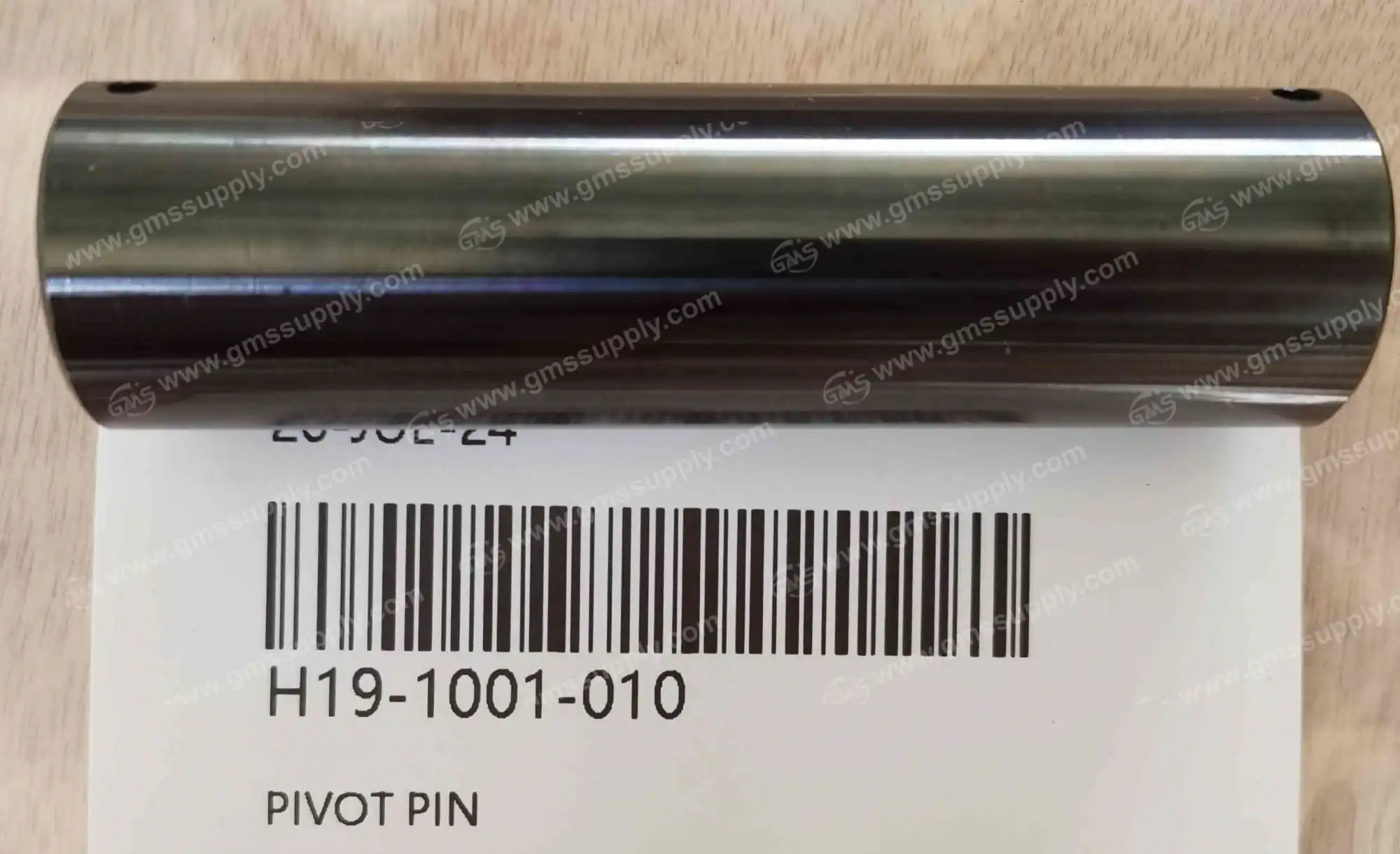
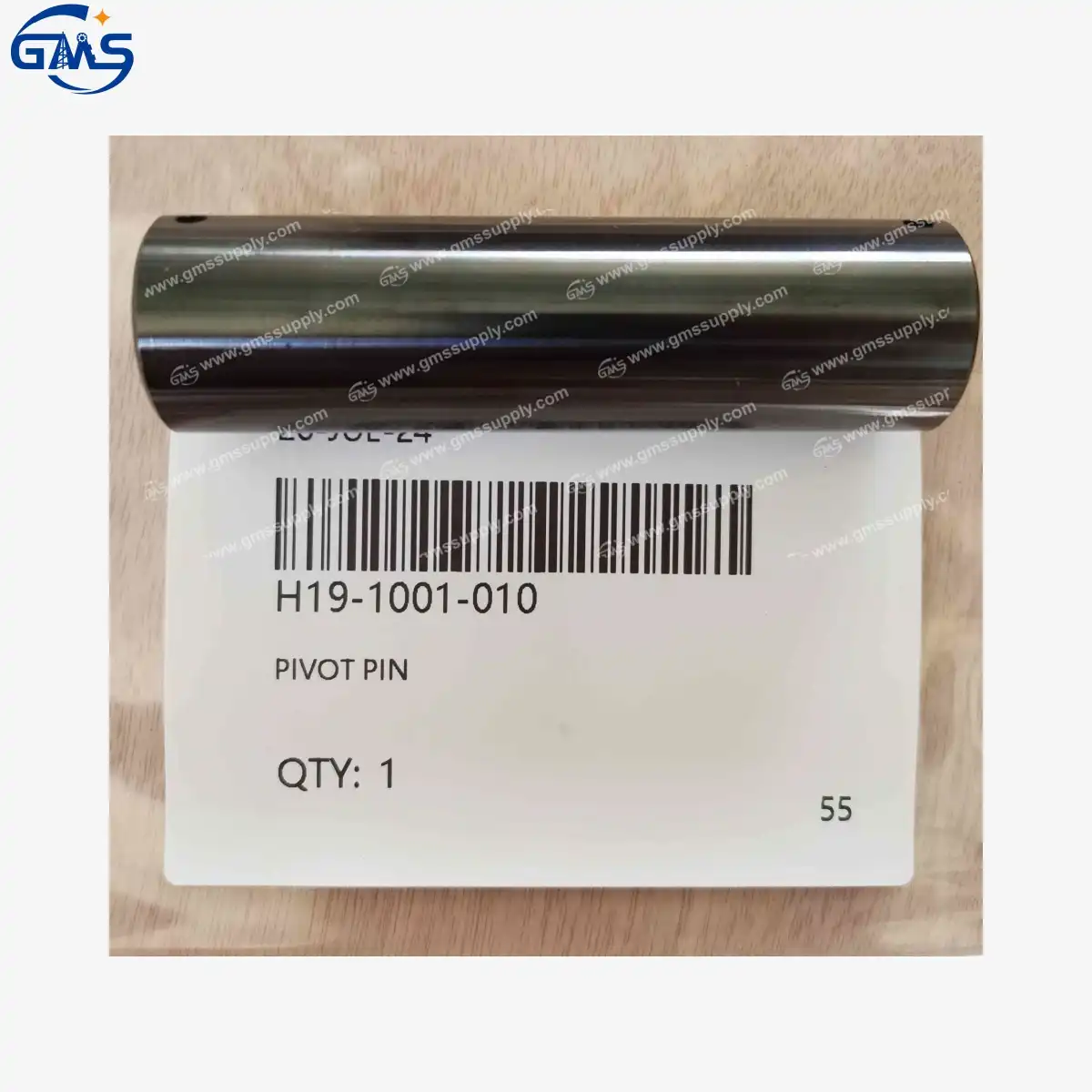
If you need a special fixing option for tough drilling jobs, look no further than the H19-1001-010 pivot pin. In Canrig top drive assemblies, this part makes a strong mechanical link that lets the rig's parts move in a controlled way while moving heavy working loads. The engineering behind this pivot pin makes it different from other fixing gears because of the materials it is made of and the way it was designed. The H19-1001-010 is made from high-quality alloy steel and has case-hardened areas that reach 58 to 62 HRC to protect against wear and warping under shear stress. This makes it tough, so it doesn't break easily under the shock loads that are usual in drilling operations. In top drive systems, pivot pins handle the constant shaking, spinning forces, and fluid pressures that would damage less durable parts very quickly. The H19-1001-010 keeps the space between the nut and the hole even when it's exposed to drilling mud, changes in temperature, and rough contaminants. Dimensional limits made to ISO precision standards make sure that everything is perfectly centered, which stops hydraulic side-loading, which speeds up the wear on parts next to it. The H19-1001-010 shape pays special attention to how well it resists corrosion. Surface treatments make parts last longer in places where drilling fluids and airborne moisture are always putting pressure on the material's structure. Because of these technical factors, the H19-1001-010 pivot pin can be used continuously in oil and gas drills, where the safety of the crew and the cost of the project depend on how well the equipment works.
Step-by-Step Guide to Replacing the H19-1001-010 Pivot Pin
To keep the drilling rig's integrity, replacing the H19-1001-010 pivot pin correctly needs careful planning and execution. Maintenance teams should get all of the tools they need, like hydraulic pullers, accurate measuring instruments, torque wrenches that are calibrated to the manufacturer's specs, and the right safety gear, before they start any work. The first step in the removal process is to carefully check the current pin and the parts around it. Write down any wear patterns, rust, or damage that you can see. These details help with finding the root cause and taking preventative steps. Carefully clean the work area to keep it from getting dirty during installation. Using hydraulic extraction tools, remove the worn pin with steady force while holding up the structures next to it to keep them from moving out of place. After taking it off, check the hole and bushing surfaces for damage, wear, or changes in size. Before putting in the new pin, measurements should be compared to the equipment's specs to see if more work needs to be done. Thoroughly clean all surfaces that touch, getting rid of any drilling mud, metal chips, or rust products that might get in the way of the new installation. When putting in the new pin, it's important to pay close attention to alignment and lubricant. Use the lubricant on both the pin and the bore to make entry easier and protect against initial wear. Before applying entry force, use precise measuring tools to make sure the part is properly aligned. The pin should be able to sit all the way down without too much resistance. If it binds, there is a problem that needs to be fixed before moving on. After installation, you should do a full check process. Use dial markers to check the balance and make sure the H19-1001-010 pivot pin sits straight inside the hole. Follow the equipment manufacturer's torque order when applying certain torque values to any retaining hardware to make sure that clamping forces are spread out properly. Write down the part numbers, the date they were installed, and any notes that could help with planning future maintenance. Before putting the rig back into full production mode, run some controlled operating tests on it and keep an eye out for any strange vibrations, noises, or temperature rises that could mean there are problems with the installation.
Procurement Guide: How to Source H19-1001-010 Pivot Pins and Related Components?
Finding H19-1001-010 pivot pins quickly and easily has a direct effect on maintaining operations and keeping repair costs low. Whether to use standard or custom pin specifications relies on how the rig is set up and what the task needs. Standard parts are ready to ship right away and have been shown to work with Canrig 8035 and 8050 top drive types. Custom specs may be needed when there are unusually high or low temperatures, toxic conditions, or equipment that has been changed from its original design. If you want to find trusted providers, you need to look at more than just the price. Lead time skills have a big effect on the ability to plan repairs and respond to emergencies. When suppliers keep popular pin parts in stock, they can quickly fix problems that come up without warning, which keeps production from stopping too often. As long as GMS has this pin in stock, it can be used right away for both planned repair and unexpected replacement situations. The way prices are set varies a lot across the supply world. Buying in bulk can save you a lot of money, which is especially helpful for drilling workers who are in charge of several rigs or wholesalers who serve markets in multiple regions. When looking at bulk buying options, you should think about how much it costs to keep a stockpile and how long the parts will last. Quality assurance is another important price factor. Cheaper options that don't have the right certifications or production controls often have hidden costs that show up later as early failure, more downtime, and even safety incidents. Professional H19-1001-010 pivot pin sellers are different from transactional vendors because they offer help and service after the sale. Access to useful advice helps procurement teams make sure that parts work with each other, fix problems during installation, and figure out the best time to do maintenance. This support infrastructure is especially helpful when handling complicated repair plans across drilling operations.
Ensuring Long-Term Performance and Safety with Pivot Pins
In drilling uses, the long-term dependability of H19-1001-010 pivot pins relies on preventative maintenance plans that deal with common failure modes before they affect operations. Wear is the most common way that things break down. It happens because the pin and nut are always moving relative to each other under high contact forces. Setting up regular check times lets maintenance teams keep track of how much wear is happening and plan replacements for planned breaks instead of having to deal with failures that happen out of the blue. Another big problem that can happen to pivot pins is corrosion, which is especially common in high-humidity or offshore digging settings. The chemistry of drilling mud, contact with sea, and the weather all speed up the breakdown of metals. Some things that can be done to stop this from happening are using strong lubrication plans, products that stop corrosion, and keeping protective coatings in good shape. During visual checks, you should look for pitting, surface darkening, and changes in size that mean material loss. Misalignment that happens during installation or because of vibrations in the work environment causes uneven load distribution, which speeds up wear and raises the risk of failure. This failure mode can't happen because of precise measurements made during installation and regular checks of the alignment. Regularly check the tightness of the mounting hardware because when it loosens, pins can move too much, which damages the bores and creates metal bits that get into the lubrication systems. Modern H19-1001-010 pivot pin designs include advanced safety measures that make them safer to use. Locking devices keep the parts from coming apart by mistake when there is vibration or shock. These features help people follow safety rules while lowering the amount of work that needs to be done during inspections. Operation cut unplanned downtime by 40% by inspecting H19-1001-010 pivot pins every three months and keeping a ready supply of approved substitute parts, which shows that having thorough wear records will let you know when to repair the critical parts, so you could schedule it during regular maintenance windows. This method not only made things safer by getting rid of failures that happened while they were being used, but it also saved a lot of money by not having to pay extra for emergency purchases and losing money from production.
Conclusion
To make sure that drilling operations go smoothly, the H19-1001-010 pivot pin is an important part of Canrig top drive systems that needs to be bought with care and maintained properly. Maintenance teams can improve the performance of equipment while keeping costs low by knowing the material qualities, how to change it correctly, and what to look for in a replacement. When you buy from certified sellers who have ready-to-ship goods and aftersales help, business disruptions are kept to a minimum. Using proactive check schedules and regular maintenance plans can increase the safety of drilling and make parts last longer. When purchasing managers and maintenance workers put quality H19-1001-010 pivot pins and organized maintenance routines at the top of their lists, their companies are set up to keep working efficiently and have less downtime.
FAQ
Q1: How long does an H19-1001-010 Pivot pin usually last when it is used for drilling?
Service life depends on how often something is used, how well it is maintained, and the elements of the surroundings. Shorter repair times may be needed in settings that are very corrosive or where heavy loads are present. By doing checks every three months, you can keep track of how wear is progressing and use that information to plan replacements that will avoid unexpected fails and make the best use of your parts.
Q2: Can I change the way the pivot pins are made in Canrig top drive systems?
Even if different parts are physically compatible, using non-specified pins instead could damage the system and make it less safe. The H19-1001-010 standard lists the technical requirements that are unique to the Canrig 8035 and 8050 models. These include exact tolerances for size, material qualities, and load rates. Using different specs could cancel the warranty on the equipment and make you liable. When considering choices, procurement teams should make sure that the part specifications match the standards set by the equipment maker and talk to qualified suppliers.
Q3: How does GMS make sure that new parts are always of the same high quality?
GMS follows strict quality control measures that are in line with ISO 9001 standards. These include checking the raw materials, inspecting the work in progress, and testing the finished product. Dimensions are checked, stiffness is tested, and surface quality is evaluated for each production batch.
Partner with GMS for Your Pivot Pin Supplier Needs
GMS has more than ten years of experience providing drilling rig parts, such as the H19-1001-010 pivot pin, which works with Canrig 8035 and 8050 top drive types. Our ISO 9001 certification shows that we are dedicated to quality control throughout the entire production process. This makes sure that all of our parts meet international drilling standards. We keep a large stock of important spare parts on hand, and we can provide short wait times to support both planned repair and unexpected replacement needs. You can get quick advice from our team to help you choose the right parts for your unique operating setting. We offer more than just products; we also make procurement options that are flexible and fit your needs, whether you are in charge of a single drilling rig or the care of a whole fleet. Get in touch with us at sales@gmssupply.com to talk about your H19-1001-010 pivot pin needs and find out how our dependable goods and service can help you cut costs and increase machine uptime.
References
1. American Petroleum Institute. "Specification for Top Drives," API Specification 8C, 8th Edition, 2018.
2. Bennett, J. and Thompson, R. "Mechanical Joint Design in Drilling Equipment: Material Selection and Maintenance Strategies," Journal of Petroleum Technology, Vol. 71, No. 4, 2019.
3. International Organization for Standardization. "Rolling Bearings and Plain Bearings - Tolerances," ISO 286-2:2010.
4. Mitchell, R.F. and Miska, S.Z. "Fundamentals of Drilling Engineering," Society of Petroleum Engineers Textbook Series, Vol. 12, 2011.
5. National Association of Corrosion Engineers. "Corrosion Control in Drilling Operations," NACE International Publication 35108, 2017.
6. Williams, H.E. "Preventive Maintenance Practices for Drilling Rig Equipment," Offshore Engineering Handbook, 3rd Edition, 2020.
Learn about our latest products and discounts through SMS or email