- English
- French
- German
- Portuguese
- Spanish
- Russian
- Japanese
- Korean
- Arabic
- Greek
- German
- Turkish
- Italian
- Danish
- Romanian
- Indonesian
- Czech
- Afrikaans
- Swedish
- Polish
- Basque
- Catalan
- Esperanto
- Hindi
- Lao
- Albanian
- Amharic
- Armenian
- Azerbaijani
- Belarusian
- Bengali
- Bosnian
- Bulgarian
- Cebuano
- Chichewa
- Corsican
- Croatian
- Dutch
- Estonian
- Filipino
- Finnish
- Frisian
- Galician
- Georgian
- Gujarati
- Haitian
- Hausa
- Hawaiian
- Hebrew
- Hmong
- Hungarian
- Icelandic
- Igbo
- Javanese
- Kannada
- Kazakh
- Khmer
- Kurdish
- Kyrgyz
- Latin
- Latvian
- Lithuanian
- Luxembou..
- Macedonian
- Malagasy
- Malay
- Malayalam
- Maltese
- Maori
- Marathi
- Mongolian
- Burmese
- Nepali
- Norwegian
- Pashto
- Persian
- Punjabi
- Serbian
- Sesotho
- Sinhala
- Slovak
- Slovenian
- Somali
- Samoan
- Scots Gaelic
- Shona
- Sindhi
- Sundanese
- Swahili
- Tajik
- Tamil
- Telugu
- Thai
- Ukrainian
- Urdu
- Uzbek
- Vietnamese
- Welsh
- Xhosa
- Yiddish
- Yoruba
- Zulu
112848 Tool Joint Inspection and Maintenance Checklist
In oil and gas drilling activities, it is important to keep the integrity of the links between the drill strings. This is the 112848 TOOL JOINT lock (GMS No: 11S00683), a special mechanical retention part made for NOV Varco TDS-11SA and TDS-9SA top drive systems. This important safety interlock keeps the tool joint links tight while drilling, so they don't come loose by accident when there is a lot of force and rotational stress. Drilling workers can keep working safety standards high, cut down on equipment downtime, and avoid costly fishing operations by following systematic inspection routines and preventive maintenance strategies. This list gives procurement managers and maintenance workers practical advice on how to improve the performance of tool joints across all of their drilling projects.
Understanding Tool Joint Basics for Effective Inspection
Tool joints are the strong threaded links that join different pieces of drill pipe together. They transfer power and axial loads throughout the drill string assembly. In contrast to the pipe body, which mostly deals with tensile stress, tool joints have to handle a variety of loading conditions, such as twisting, bending moments, and compression forces that happen during directional drilling and in difficult downhole settings.
The 112848 TOOL JOINT lock solves a specific operating problem: standard threaded connections can back off under heavy reverse-torque vibration or during automated pipe handling routines, which can cause the string to break. This part gives strong mechanical contact that thread compounds can't do on their own. The lock is made from high-quality alloy steel that has been heat-treated in a controlled way to achieve the required hardness. It has the right amount of tensile strength and flexibility to handle shock loads without breaking.
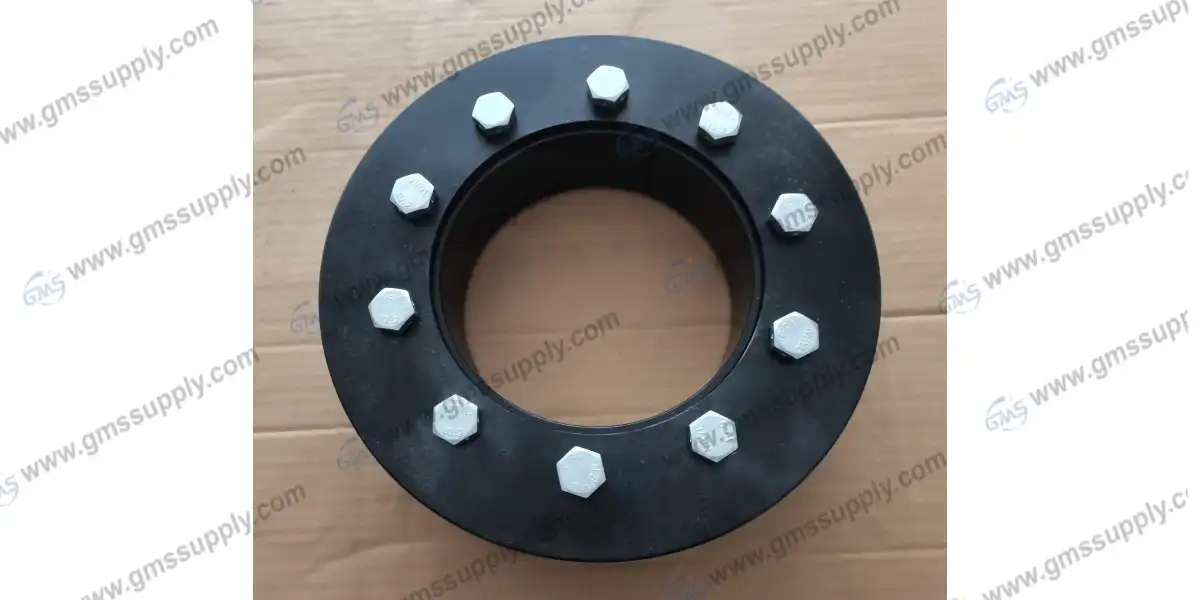
When looking at tool joint components, material specs are very important. The phosphate covering on the 112848 TOOL JOINT lock protects it from corrosion in alkaline drilling fluid conditions while keeping the dimensions accurate to within ±0.005 inches. This level of accuracy in machining makes sure that API-standard tool joint shapes connect with zero play, which stops movement during rotational cycles. Knowing these things about the materials helps repair teams figure out when parts have gone beyond their safe limits and need to be replaced instead of being used again.
Comprehensive Tool Joint Inspection Checklist
Setting up a strict inspection schedule saves the investments made in drilling and stops accidental downtime. The first step in any checking process is a visual study. Maintenance workers should check the 112848 TOOL JOINT lock for surface distortion, edge rounding, or any other sign of plastic deformation during every pipe trip. Even small changes in how something looks can be a sign that it's about to fail under load.
The steps of the check of the NOV TDS11SA tool joint 112848 should be done in a planned way. A look at the surface shows any damage that is easy to see, like rust pits, thread galling, or crack start points. Pay close attention to the areas where the locking mechanism engages because they are subject to a lot of continuous mechanical stress. Visible distortion in these areas means that the part needs to be replaced right away, no matter how many hours it has been used.
By checking the dimensions, we know that the lock still fits perfectly. Technicians can quickly check to see if the locking shape stays within acceptable limits by using measured Go/No-Go gauges. When parts join when they're engaged or come apart with too much looseness, they've gone beyond the allowed dimensions, and link security is compromised. This easy technical check only takes minutes, but it keeps operations from being interrupted for hours.
To do a thread state check, you need to pay close attention to the integrity of the link. Check the sides of both the male and female threads for signs of wear, cross-threading damage, or material transfer that could mean galling. Damage to the threads makes it harder for the load to be spread across the link. This creates stress concentration spots that speed up fatigue failure. Damaged threads can't be fixed by welding or reworking them mechanically; the only safe option is to replace them.
Quality control is easier in global supply chains when people keep good records. By writing down inspection results, working hours, and replacement dates, you can keep track of things, which is important for finding cutting problems or early wear patterns on parts. This information helps procurement teams evaluate suppliers more accurately, and it also helps maintenance teams figure out the best time to change things based on how they work in the field, not on arbitrary plans.
Tool Joint Maintenance Best Practices
Preventive repair keeps practical safety margins high while extending the useful life of parts. Cleaning methods get rid of drilling fluid leftovers and rough bits that wear things down faster. After each pipe trip, techs should use the right chemicals to clean the 112848 TOOL JOINT lock, making sure that all contamination is removed from the thread profiles and engagement surfaces. Compressed air gets rid of any leftover cleaners and moisture in cracks where rust starts.
Managing lubrication of Varco TDS11SA TOOL JOINT lock 112848 keeps threads in good shape and makes sure that the right amount of force is applied during connection make-up. Use thread compound that is made for high-pressure drilling links instead of general-purpose lubricants that don't have the extreme-pressure elements these jobs need. Proper lube lowers the risk of galling and lets you use accurate torque values during assembly. This keeps connections from being under-tightened and coming loose, and from being over-torqued and damaging the threads.
Fatigue cracks from repeated pressure, corrosion from chemical contact, and mechanical deformation from impact or overload are all common ways for things to break. Rotational wear is directly addressed by the 112848 TOOL JOINT lock design, which uses optimised geometry to spread stress across the locking mechanism. However, no part has an endless service life in drilling circumstances. Replacements are usually done every 500 to 1000 rotary hours, but this depends on how bad the vibrations are and how rough the drilling setting is.
How you store things affects how ready they are to use and how long they last. Keeping your stockpile in good shape saves replacement parts until they are needed. Tool joint locks should be kept in climate-controlled areas to keep moisture from condensing and starting to rust. Volatile Corrosion Inhibitor bags or rust-preventative oil coats keep the surface in good shape for long periods of time. This care in managing supplies makes sure that when new parts are put in, they meet quality standards.
Procurement Considerations for Tool Joint Inspection and Maintenance
To find suitable suppliers, you have to look at more than just the initial buy price. The material approval paperwork shows that the parts are made of the right alloys and have been heat-treated according to the rules. For each production batch, reputable providers give metallurgical test results that include chemistry analysis and hardness checks. This ability to track helps quality control programs and meet legal standards.
Checking for thread compatibility stops expensive startup failures and stops work from being interrupted. The 112848 TOOL JOINT lock works with NOV Varco TDS-11SA and TDS-9SA top drive systems, but buying teams need to make sure that the dimensions work with certain rig setups. By comparing component specs to equipment instructions, you can avoid mismatched parts that look a lot alike but aren't the same in important ways.
Lead time management weighs the prices of inventory against the efficiency of operations. Suppliers who keep a lot of stock on hand can quickly fill orders when drilling plans require parts to be available right away. GMS keeps a quantity of 112848 TOOL JOINT lock on hand so that they can quickly meet customer needs. This level of stockpiling cuts down on the time it takes to buy things, which would otherwise slow down drilling operations while they wait for important extra parts.
Processes for quality assurance of top drive repair overhaul parts tell the difference between professional sellers and dealers of common parts. ISO 9001 approval shows that quality control is done in a planned way, from choosing the raw materials to checking the finished product. Controlling the manufacturing process at every stage of production makes sure that the finished product always meets foreign standards. Customers can be sure that the parts they buy will work because certified sellers keep records of inspection results that include measurements being checked and parts fitting correctly.
Warranty terms and help after the sale show that the seller trusts the quality of the product. Full warranty protection keeps your purchases safe, and quick expert support helps with startup questions and operating issues. Maintenance teams can make the best inspection methods and preventive maintenance plans for drilling conditions and usage patterns by working with suppliers who offer consultation services.
Advanced Tips for Optimizing Tool Joint Performance and Safety
To get the longest service life from a component, you need to pay attention to how it is assembled and how it is used. The stability of a link is directly affected by how accurately torque is applied. Not enough torque can cause backing off, while too much torque damages threads and causes stress risers. Using calibrated torque tools and following the manufacturer's instructions will make sure that the right preload is applied without putting too much stress on the connection parts. The 112848 TOOL JOINT lock works best when connections reach certain torque levels. This lets the mechanical retention system make up for thread contact issues instead of fixing them.
Surface treatments improve performance in drilling settings that are rough. When digging through rocks that contain hydrogen sulphide or carbon dioxide, advanced coatings make the drill bit more resistant to rust. The normal manganese phosphate finish works well for most uses, but there are other coating choices that are better for situations with extreme chemical exposure. Talking about specific drilling conditions with technical support teams can help you decide if the extra cost of better surface processes is worth it.
Monitoring tools find new problems before they become practical problems. Scheduled checks based on drilling strength instead of calendar intervals make repair activities more in line with how much stress is building up on parts. High-vibration directional drilling causes wear damage more quickly than vertical hole drilling, so it needs to be inspected more often. Keeping an eye on working factors like bit weight, rotational speed, and vibration levels lets you plan maintenance based on data, which makes the best use of parts while still leaving room for error.
Conclusion
In conclusion, systematic checking and preventative maintenance of tool joint connections keep drilling operations from having expensive breakdowns and increase the life of the parts. The 112848 TOOL JOINT lock for NOV Varco TDS-11SA and TDS-9SA top drive systems is an example of how advanced engineering can solve the important problem of link security when drilling with high power. Setting up quality control bases involves using thorough inspection methods that include visual inspection, dimensional proof, and accurate paperwork. Using these checking methods along with strict upkeep steps like cleaning, lubricating, and replacing parts when they wear out guarantees reliable performance during tough drilling programs. When making choices about what to buy, putting an emphasis on material certification, supplier quality systems, and quick support can help improve operating effectiveness and cost management. This lets drilling professionals keep their tools in good shape while keeping total ownership costs low.
FAQ
1. How often should you check the tool joint locks when you're drilling?
As part of normal processes for checking connections, inspections should happen every time the pipe goes through a trip. This frequency lets you find deformation, edge rounding, or damage to the locking mechanism early on, before it breaks. Based on practical experience, places where drilling takes place that have a lot of shaking or high rotational speeds may need to be checked more often.
2. Can welding or grinding fix tool joint locks that are broken?
Without a doubt, not. When you weld, you destroy the controlled heat treatment qualities that are necessary for the part to work, leaving behind weak areas that are likely to break right away. In the same way, grinding to fix damage changes important measurements and the way stress is distributed. When damage or extreme wear shows up, replacement with new parts is still the only accepted solution.
3. How should the tools be stored so that the quality of the joint locks stays high during restocking times?
Environments that are managed by the weather and keep moisture from condensing keep parts from rusting. For long-term keeping, Volatile Corrosion Inhibitor bags or rust-preventative oil coats keep the surface in good shape. When installation is needed, new parts will meet the original specs if the inventory is managed well.
4. How do the properties of the material affect how well the tool joint lock works?
Strength, ductility, and wear resistance are all affected by the alloy's makeup and how it is heated. The 112848 TOOL JOINT lock is made of high-quality alloy stee, which is a good balance between tensile strength and impact resistance. Surface treatments, such as a manganese phosphate coating, keep the dimensions accurate, which is important for proper contact and preventing corrosion in drilling fluid conditions.
Partner with GMS for Reliable Tool Joint Lock Supply
We understand that drilling operations demand absolute reliability from every component in your tool string setup to be completely reliable. GMS is an ISO 9001-certified company with more than ten years of experience in the business. They sell high-quality tool joint locks, such as the 112848 TOOL JOINT (P/N 11S00683), which works with NOV Varco TDS-11SA and TDS-9SA top drive systems. Our large collection lets us quickly fill urgent orders, cutting down on the time it takes to buy things, which can delay drilling plans. Every part goes through strict quality control, which includes measuring to make sure it fits correctly and is the right size. This makes sure that the parts will work reliably in harsh oil-digging settings. You can talk to our technical team at sales@gmssupply.com about your unique needs, get full specifications, or place an order for 112848 TOOL JOINT parts. GMS has the quick service and technical know-how to keep your operations safe and going smoothly, whether you need replacement parts for a single rig or options for buying parts in bulk for a number of rigs.
References
1. American Petroleum Institute. "Specification for Drill Stem Design and Operating Limits." API Recommended Practice 7G, 16th Edition, 2020.
2. Schlumberger Oilfield Glossary. "Tool Joint: Definition and Function in Drilling Operations." Technical Publication Series, 2021.
3. National Association of Corrosion Engineers. "Corrosion Control in Oil and Gas Production Operations." NACE International Standard Practice SP0775, 2018.
4. Society of Petroleum Engineers. "Drill String Mechanics and Design Optimization for Extended Reach Drilling." SPE Technical Paper 187456, 2019.
5. International Organization for Standardization. "Quality Management Systems: Requirements for Aviation, Space and Defense Organizations." ISO 9001:2015 Standards Documentation, 2015.
6. Energy Institute London. "Guidelines for the Inspection and Maintenance of Drilling Equipment." Technical Report Series No. 34, 2022.
_1755762707676.webp)

Learn about our latest products and discounts through SMS or email