- English
- French
- German
- Portuguese
- Spanish
- Russian
- Japanese
- Korean
- Arabic
- Greek
- German
- Turkish
- Italian
- Danish
- Romanian
- Indonesian
- Czech
- Afrikaans
- Swedish
- Polish
- Basque
- Catalan
- Esperanto
- Hindi
- Lao
- Albanian
- Amharic
- Armenian
- Azerbaijani
- Belarusian
- Bengali
- Bosnian
- Bulgarian
- Cebuano
- Chichewa
- Corsican
- Croatian
- Dutch
- Estonian
- Filipino
- Finnish
- Frisian
- Galician
- Georgian
- Gujarati
- Haitian
- Hausa
- Hawaiian
- Hebrew
- Hmong
- Hungarian
- Icelandic
- Igbo
- Javanese
- Kannada
- Kazakh
- Khmer
- Kurdish
- Kyrgyz
- Latin
- Latvian
- Lithuanian
- Luxembou..
- Macedonian
- Malagasy
- Malay
- Malayalam
- Maltese
- Maori
- Marathi
- Mongolian
- Burmese
- Nepali
- Norwegian
- Pashto
- Persian
- Punjabi
- Serbian
- Sesotho
- Sinhala
- Slovak
- Slovenian
- Somali
- Samoan
- Scots Gaelic
- Shona
- Sindhi
- Sundanese
- Swahili
- Tajik
- Tamil
- Telugu
- Thai
- Ukrainian
- Urdu
- Uzbek
- Vietnamese
- Welsh
- Xhosa
- Yiddish
- Yoruba
- Zulu
Where to Buy a Reliable Shaft P25SHFT/20612-02-33 for 250 pump?
Finding a reliable Shaft for 250 pump systems can be challenging when your operations depend on uninterrupted performance. GMS has been supplying precision-engineered pump shafts to industries like oil and gas drilling, engineering construction, and industrial manufacturing for over a decade. Our Shaft P25SHFT/20612-02-33 delivers performance that matches original specifications while providing shorter lead times and competitive pricing. This guide walks you through everything you need to know about sourcing quality pump shafts that keep your equipment running efficiently.

Understanding the Specifications and Function of a 250 Pump Shaft
The Shaft for a 250 pump is the main part of a centrifugal pump system that turns. It transfers torque from the driver to the impeller and keeps it perfectly aligned even when it's under a lot of stress.
How long something lasts is directly affected by what it's made of. Most high-quality shafts are made from chromoly alloy steel that has been heated to the right level of hardness, which is usually between 28 and 32 HRC. This balance makes the material tough without making it harder to work with, so the shaft can handle shock loads without breaking. Total Indicated Runout (TIR) is kept below 0.002 inches on the bearing surfaces, which means that they can work without shaking at speeds up to 3500 RPM.
When working with abrasive slurries like those used in oil drills, consistency in measurements is very important. To keep slippage from happening when torque is applied, keyways must exactly match the specs of the coupling and the impeller. To keep the bearing from spinning or the seal from failing too soon, the journal diameters need to be very close to each other. Load capacity and deflection traits are determined by the length of the shaft and the distance between the bearing journals. These are very important factors when moving fluids with a high density.
Inspections that are done on a regular basis find problems early on, before they get worse and cost a lot to fix. Check the bearing surfaces for fretting wear, which shows up as spots or rough spots on the surface. Check to see if the threads are broken or stretched. During regular maintenance periods, use a dial indicator to measure runout. Bearings that are properly oiled and carefully aligned during installation will last a lot longer and cost less to own overall.
Materials Comparison: Choosing the Best Shaft Material for 250 Pumps
How well your Shaft for 250 pump meets the needs of your working environment depends on the material you choose. The industrial pump market is mostly made up of two types of materials: chromoly alloy steel and stainless steel.
Chromoly alloy steel, especially grades AISI 4140 or 4340, has great tensile strength and resistance to fatigue. These materials can handle the rhythmic stress that comes with pumping, especially when working with fluids that are full of solids. The grain structure is fine-tuned by heat treatment, making a part that doesn't bend under heavy rotational loads. This choice of material works well in situations where shaft covers protect the main metal from rust.
Stainless steel rods are better at resisting corrosion in chemically harsh conditions, but they usually cost more up front. The 316 or 17-4 PH grades work well when they have to come into close contact with fluid. But because they tend to gall, stainless steel options may need to be handled more carefully during installation.
Aftermarket shafts from well-known companies like GMS work just as well as brand-name options but cost less. Our ISO 9001 certification makes sure that the way we make things meets quality standards around the world. Coordinate Measuring Machines (CMM) are used to check the dimensions of each shaft, and Magnetic Particle Inspection (MPI) and other non-destructive tests are used to look for flaws below the surface that could lead to a catastrophic failure.
The most important thing to think about is how to match the properties of the material to the fluid, the number of hours it will be used, and how easy it is to maintain. Spectrometry study of the chemical makeup shows that the alloy amount meets the requirements. For bearings to stay in good shape, the surface finish on bearing areas needs to meet roughness standards (Ra values). These technologies guarantee to keep your investment safe and cut down on unplanned downtime as much as possible.
Procurement Strategies: Where and How to Buy a Reliable 250 Pump Shaft
To be good at sourcing a Shaft for 250 pump MISSION 20612-02-33 646490557, you need to know your supply chain choices and check out sources based on factors that can be checked, not just price. Industrial buyers usually have two main options: working directly with manufacturers or going through networks of distributors.
Purchasing managers can get a lot out of working directly with manufacturers like GMS. You can get help from expert support teams that know how each part works from an engineering point of view. By cutting out middlemen, you can often shorten lead times. When standard configurations don't perfectly fit your equipment, customization becomes possible. Our company keeps popular shaft configurations in stock, such as the Shaft 24028-33 for MISSION MAGNUM XP models. For stock items, delivery is within one week.
Certification standards set concrete rules for quality. If a supplier has ISO 9001 certification, it means that they have written quality control processes in place for creation, production, and testing. This approval is more than just paperwork; it shows that the manufacturing process is uniform and makes reliable parts every time.
When judging a seller, you need to look at more than just the price they give. The total cost of ownership includes how the product is shipped, whether it comes with a warranty, whether there is technical support, and how reliable the supplier is at delivering on time. In the United States, business-to-business buyers gain from suppliers who know how to do business in North America, provide clear paperwork, and communicate quickly.
It's important to have competitive prices, especially when managing MRO budgets, but the lowest bid often comes with hidden costs. When shafts break too soon, it leads to urgent purchases, higher shipping costs, and lost production time. When making a balanced sourcing decision, the unit cost is weighed against the supplier's history of reliability and stability.
Ask possible providers specific questions about how they control the production process. What rules do they follow for inspections? Can they give you certifications for the materials? How do they deal with differences in dimensions? How do I return something or make a guarantee claim? When suppliers answer with confidence and specific steps, it shows that they are operationally mature.
Step-by-Step Replacement Guide for Your 250 Pump Shaft
The right replacement procedures for a Shaft P25SHFT/20612-02-33 keep people and equipment safe and make sure that the system works reliably after maintenance. T
Lock out and tag out power sources before you start working. Empty the pump case fully and release any pressure that is still in the pipes that are tied to it. Get the tools you'll need, like bearing pullers, torque wrenches, dial indicators, soft-faced hammers, and the right pulling gear for the pump parts.
Begin disassembly by removing the coupling guard and separating the drive coupling. To keep the right balance during reassembly, mark the direction of the coupling. Take out the screws that are holding the bearing housing in place and carefully pull out the whole spinning unit. This simple step will save you a lot of money by preventing mistakes that cost a lot of money to fix.
While the pump is being taken apart, check all of the parts that are connected to it. Check the condition of the bearings for cracks, discoloration, or too much play. Check for wear on mechanical seals or packing. Check the rotor for damage or wear. Instead of reinstalling weak parts that are likely to break soon after startup, replace any part that is showing signs of wear.
Thoroughly clean all areas that fit together, getting rid of old gasket material and rust. Carefully put in the new shaft, making sure that the keyways line up with the turbine and connection. Don't use hammers or pry bars to install things; they can damage precision surfaces. Instead, use the right tools. Before the final assembly, use a dial indicator to check the shaft's runout. The readings should stay within the manufacturer's guidelines.
Use a calibrated wrench to tighten all of the screws to the stated numbers. When torque isn't applied correctly, parts become loose, or threads get destroyed. As directed by the manufacturer, put in new gaskets and seals. After putting everything back together, turn the shaft by hand to make sure it turns freely before turning the power back on.
How to tell the difference between fixing and replacing depends on how bad the damage is. Minor marking on the bearing surfaces can sometimes be fixed by cleaning them, but threads that are damaged, shafts that are bent, or cracks need to be replaced completely. Trying to fix broken shafts by bonding them or cutting them too much creates stress points that cause them to break quickly. The small price of a good replacement shaft is much less than the terrible possibility of the pump breaking down while it's running.
Why Choose GMS for Your 250 Pump Shaft Needs
We've been helping oil and gas drilling operations, industrial manufacturing, and engineering building projects for ten years, and we know what procurement managers really need: reliable parts supplied quickly and with reliable technical support.
GMS has a large stock of shafts for the 250 pump, MCM P/N P25SHFT. The stable performance of these shafts in harsh conditions is backed by ISO 9001 certification, which shows that our manufacturing processes meet strict international standards.
We keep an eye on every step of the production process, from checking the raw materials to doing the final review. Spectrometer study shows the makeup of the alloy. Coordinate Measuring Machines check the accuracy of measurements. Non-destructive testing finds problems inside that can't be seen with the naked eye. This multi-layered quality assurance method makes sure that the parts that leave our building will work successfully in your important applications.
With every order, you get free technical advice. Our engineering team helps you make sure that it works with your specific model of pump, answers questions about installation, and gives you advice on how to do the best maintenance. This support lowers the risk of procurement and speeds up the time it takes to do maintenance.
Different operating needs can be met by flexible options. Regular configurations can be shipped from stock within one week, which cuts down on unplanned downtime for repairs. When your equipment needs non-standard specs, custom modifications become possible. Our flexible method changes based on how quickly you need to do something instead of making you stick to strict ordering rules.
A competitive price shows that the product is made quickly and well without sacrificing quality. We know that MRO funds are always being stretched, so we price our parts so that they offer value over the whole lifecycle of ownership. Warranty coverage gives you even more peace of mind and shows that we trust the reliability of the component.
International shipping helps business-to-business buyers all over the US by providing clear paperwork and dependable arrival times. We take care of the export process, give you tracking information, and let you know about the status of your order ahead of time. This openness about operations gives procurement managers the confidence to plan maintenance tasks.
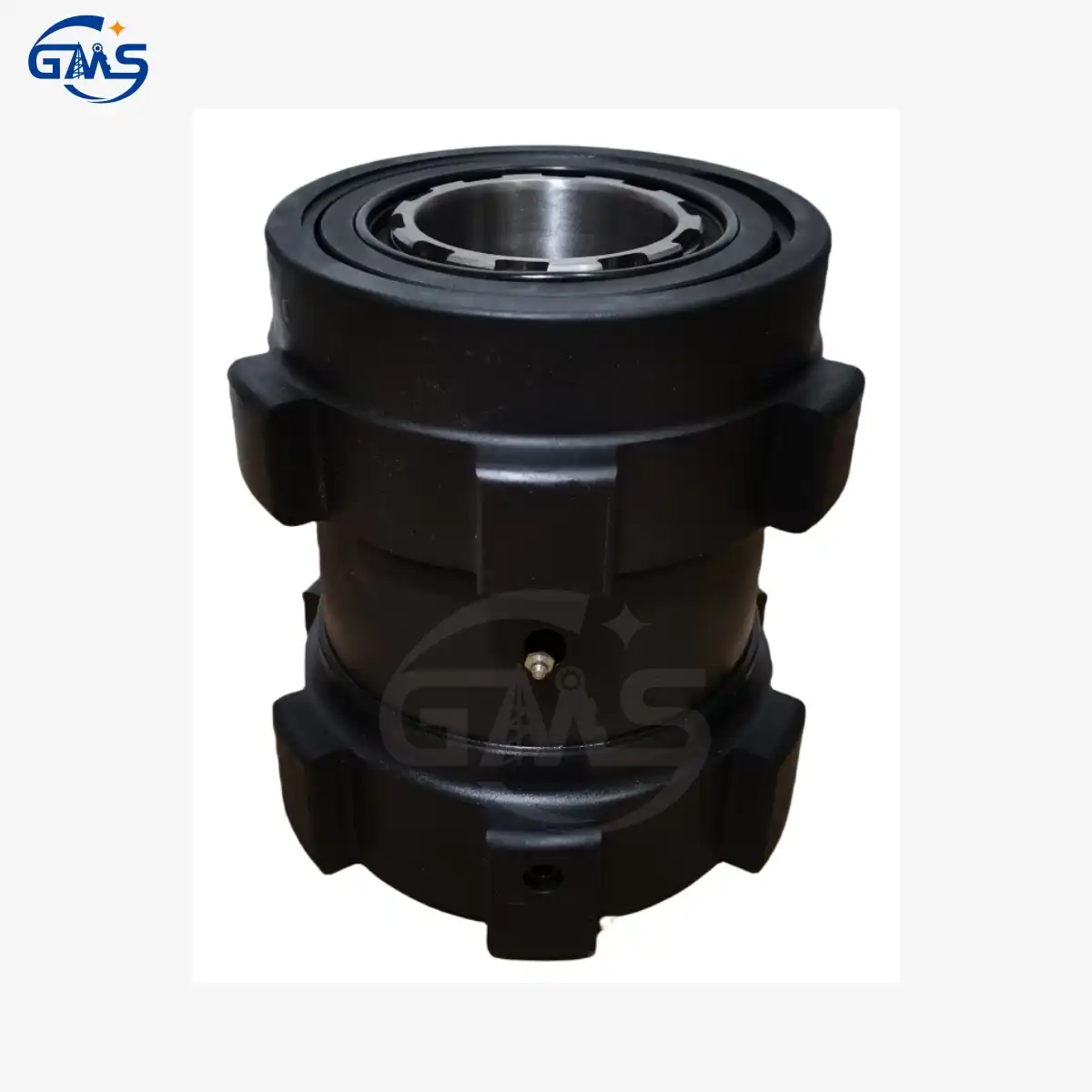
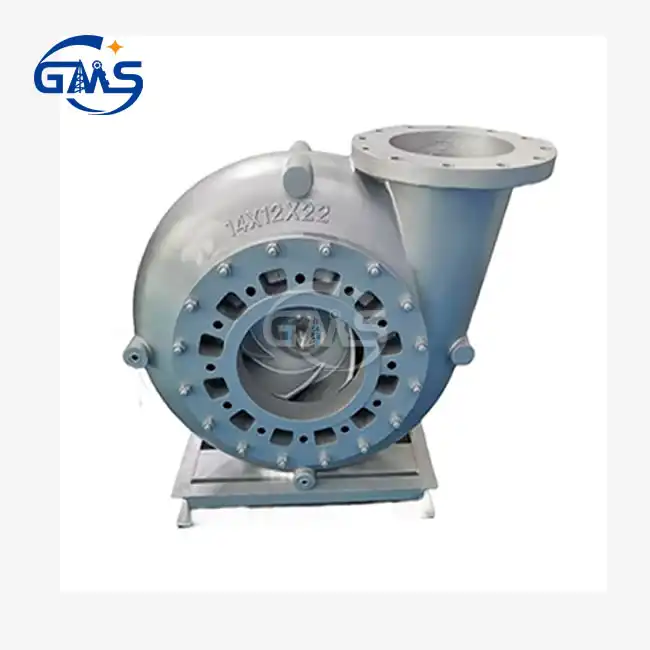
We sell more than just pump shafts. For Mission Magnum XP systems, we also sell centrifugal pump housings, impellers, wear plates, and mechanical seals. This wide range of parts available makes managing vendors easier and often lowers shipping costs by combining orders.
Conclusion
When looking for a reliable shafts for the 250 pump, MCM P/N P25SHFT applications, you have to think about technical specs, material quality, supplier dependability, and total cost. Mission Magnum XP pumps that work with rough slurries in oil drilling need parts that are precisely designed to last in harsh conditions. Knowing the shaft's specs, the qualities of the material it's made of, and the right way to place it will protect your investment and keep operations running smoothly. GMS helps procurement managers who can't afford for parts to fail by offering ISO-certified manufacturing, ten years of experience in the field, full technical support, and competitive pricing. Our Shaft 24028-33 gives your operations the performance they need and the supply chain speed they need to meet their deadlines.
FAQ
1. How do I verify shaft compatibility with my specific pump model?
Check the part number stamped on your old Shaft for the 250 pump against the technical information, or give our technical team details about your pump type. For example, our shafts for the 250 pump, MCM P/N P25SHFT can fit MISSION MANGNUM/MISSION SUPREME 2500/MCM 250 configurations.
2. What indicates I need a shaft replacement rather than a repair?
If the shaft's runout is more than 0.003 inches, the threads are damaged or stretched, there are cracks on any part that can be seen, or the bearing journal surfaces have deep cutting, it needs to be replaced. Shafts that are bent or have fretting wear that can't be fixed with polishing need to be replaced. If you try to fix shafts that are physically weak, they could suddenly break while they're working, which could damage the bearings, seals, and housings even more.
3. Can GMS provide custom shaft manufacturing for non-standard requirements?
Yes, our engineering team does work for clients who need to change the specs for specific installations. For custom production, we need thorough dimensional sketches, and wait times may be longer than our normal one-week delivery time for stock items. Email our technical support team at sales@gmssupply.com to talk about your specific needs and get an assessment of whether the solution will work.
Contact GMS for Reliable Shaft for 250 Pump Solutions
Repairs and maintenance that need to be done don't wait for anyone. GMS is ready to help you with your pump part needs by making quality shafts to strict standards. Our Shaft 24028-33 for Mission Magnum XP pumps is made with accurate engineering and production methods that are approved by ISO 9001. As a seller with a lot of experience in shafts for the 250 pump, MCM P/N P25SHFT, we keep parts in stock so they can be sent out right away. Our technical knowledge can also help you choose the right part. You can email our team at sales@gmssupply.com to talk about your needs, get more information, or place an order. We make buying easier so you can focus on keeping operations running smoothly and keeping costs down.
References
1. American Petroleum Institute (2019). "Centrifugal Pump Shaft Design and Material Selection for Upstream Applications." API Standard 610, 11th Edition.
2. Hydraulic Institute (2020). "Rotodynamic Pump Maintenance: Shaft Inspection and Replacement Procedures." HI Technical Standards Publication.
3. McNally, J. & Richardson, P. (2018). "Failure Analysis of Industrial Pump Shafts in Abrasive Service Environments." Journal of Mechanical Engineering Science, Vol. 232, pp. 1847-1859.
4. Turner, R. (2021). "Material Specifications for Heavy-Duty Pump Components in Oil Field Operations." Industrial Equipment Engineering Quarterly, Spring Issue.
5. International Organization for Standardization (2015). "Quality Management Systems for Industrial Component Manufacturing." ISO 9001:2015 Guidelines and Implementation.
6. Wilkins, D. (2017). "Procurement Best Practices for Critical MRO Components in Energy Sector Operations." Supply Chain Management Review, November-December Edition.
Learn about our latest products and discounts through SMS or email