- English
- French
- German
- Portuguese
- Spanish
- Russian
- Japanese
- Korean
- Arabic
- Greek
- German
- Turkish
- Italian
- Danish
- Romanian
- Indonesian
- Czech
- Afrikaans
- Swedish
- Polish
- Basque
- Catalan
- Esperanto
- Hindi
- Lao
- Albanian
- Amharic
- Armenian
- Azerbaijani
- Belarusian
- Bengali
- Bosnian
- Bulgarian
- Cebuano
- Chichewa
- Corsican
- Croatian
- Dutch
- Estonian
- Filipino
- Finnish
- Frisian
- Galician
- Georgian
- Gujarati
- Haitian
- Hausa
- Hawaiian
- Hebrew
- Hmong
- Hungarian
- Icelandic
- Igbo
- Javanese
- Kannada
- Kazakh
- Khmer
- Kurdish
- Kyrgyz
- Latin
- Latvian
- Lithuanian
- Luxembou..
- Macedonian
- Malagasy
- Malay
- Malayalam
- Maltese
- Maori
- Marathi
- Mongolian
- Burmese
- Nepali
- Norwegian
- Pashto
- Persian
- Punjabi
- Serbian
- Sesotho
- Sinhala
- Slovak
- Slovenian
- Somali
- Samoan
- Scots Gaelic
- Shona
- Sindhi
- Sundanese
- Swahili
- Tajik
- Tamil
- Telugu
- Thai
- Ukrainian
- Urdu
- Uzbek
- Vietnamese
- Welsh
- Xhosa
- Yiddish
- Yoruba
- Zulu
119359 Retainer Oil Seal: Signs of Wear and Replacement Guide
When your top drive system starts showing unexpected oil traces or unusual noises, the Retainer Oil Seal 119359 might be signaling distress. One of the most important parts of your drilling tools is the part that holds the oil seal in place and keeps dirt from getting into the system and ruining it. Learning how to spot wear patterns and repair parts at the right time can save you a lot of money and protect your heavy machinery investment. In this guide, we'll talk about useful ways to identify things, strategies for care, and things to think about when buying things that are important to your business.
Understanding the Retainer Oil Seal 119359 and Its Critical Function
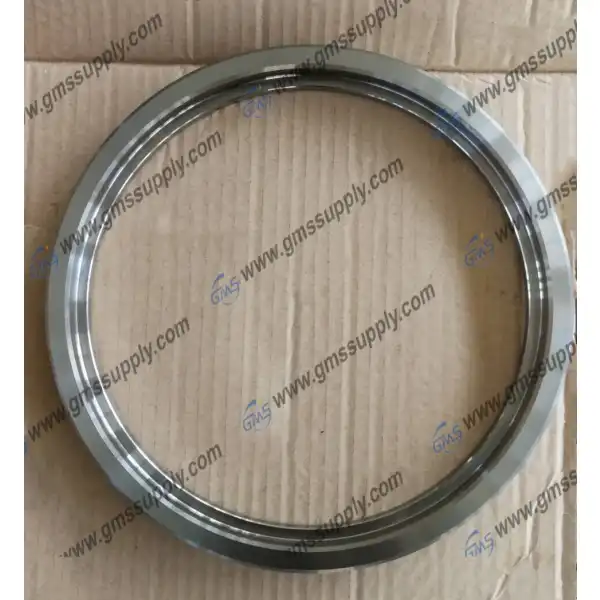
Learning about the Retainer Oil Seal 119359 and how it works is very important. The retainer oil seal 119359 is the main part of sealing systems inside spinning link adapter units. At GMS, we designed this part to work reliably and meet the original specs, while also giving our customers the flexibility and speed they expect from a committed supplier.
This seal retainer works well in tough conditions where moving parts cause steady friction and changes in pressure. The part fits perfectly inside the retainer for rotating link adapter assy 121341 (30173277), which is put through a lot of mechanical stress when drilling. The retainer oil seal we sell is built to last and can handle high temperature changes from -40°C to +120°C. This means it can be used in a wide range of oil and gas drilling situations.
The makeup of the material is very important to how well the seal protector works. The 119359 part is made of heat-treated alloy steel and has improved surface processes that keep it from rusting in harsh drilling fluid conditions. This metalworking method makes sure that the retainer keeps its shape even when it's under constant spinning forces and hydraulic pressures that are higher than 5,000 PSI in some configurations.
The main job of the retainer is more than just holding things in place. It places elastomeric closing elements precisely and keeps the right amount of force for leak-free operation. When put in the rotating link adapter assembly properly, this part forms a multi-stage sealing design that stops lubricant loss and contaminant entry—two important things for making equipment last longer.
The 119359 retainer works with TDS-11 and TDS-9SA top drive types and fits perfectly into current assembly setups. Our whole manufacturing process is ISO 9001-certified, which means that every retainer meets the international quality standards that purchasing managers use to choose parts for important projects.
Identifying Wear Indicators in Your Seal Retainer System
Proactive maintenance teams can tell the difference between those that have to deal with emergency shutdowns and those that can see signs of failure before they happen. There are a few clear signs that your retainer oil seal needs some work.
Visible Oil Migration: The most obvious sign is oil residue around the body of the retainer for rotating link adapter assy 121341 (30173277). There are new oil marks near the seal surfaces, which means the retainer is no longer able to keep the seal compressed properly. Minor surface wetness may be caused by changing temperatures, but spots that stay wet for a long time are a sign of progressive seal degradation that needs to be looked into.
Abnormal Acoustic Signatures: Sealing systems that are working properly make noises that are regular. When retainers wear out or get out of place, the friction patterns change, which makes grinding or high-pitched squeals when the machine turns. These changes in sound often happen before leaks can be seen, giving repair workers an early chance to fix the problem.
Increased Vibration Levels: Worn retainers make it harder for spinning parts to have a balanced shape. People who work on the equipment may notice that the top drive system is vibrating more, especially when the direction changes or when the equipment is under load. When vibration tracking data shows that trends are going up, it usually means that the seal system is breaking down.
Contamination Evidence: Seal guards that work well keep outside contaminants from getting to sensitive parts inside. When drilling mud, metal bits, or abrasive materials are found in greasing systems, it means that the seal barrier has failed. This pollution speeds up wear throughout the system, and if it isn't fixed, it will cost more to fix.
Performance Degradation: Problems with the seal system can cause operations to be less efficient, which can be seen in ways like higher temperatures, slower reaction times, or more power use. When retainers don't keep the right amount of oil in the spinning unit, friction rises all over it.
Several practical factors speed up the wear of retainers beyond what is normally expected for their service life. Both metal and rubber parts wear out when they are exposed to extreme temperature changes. When drilling in cold or high-temperature rocks, seal materials are put through different tests than when drilling in normal conditions. When drilling solutions with corrosive additives come into contact with protected coatings and base materials, they damage them. Fatigue points are made in retainer structures by mechanical stress from shock loading during pipe hookups or quick changes in direction. If you don't put something correctly, like using the wrong torque, not aligning it correctly, or having dirty assembly areas, the part will last a lot less time.
Maintenance Protocols and Replacement Procedures
To make the seal retainer last longer, you need to include regular inspections in your maintenance plan. Setting up a system to keep track of installation dates, operating hours, and checking results for each retainer for rotating link adapter assy 121341 (30173277) in your fleet is something we strongly suggest you do.
Inspection Schedule Development: Set inspection times based on how busy the operations are, instead of just looking at the calendar. Drilling operations that work continuous shifts in difficult rocks need to be checked on more often than operations that only work occasionally in easy conditions. Visual checks should be done every 500 hours of operation, and thorough disassembly inspections should be done every 2000 hours. Change these settings based on how the parts are wearing down and the conditions where you do your work.
Proper Lubrication Management: The quality and regularity of the lubrication have a direct effect on how long a seal protector lasts. Keep the lube at the right fluid level and change it at the time intervals suggested for your top drive model. Lubricants that are dirty or broken down speed up seal wear and make it harder for the retainer to keep the right sealing force. Oil research tools that run on a regular basis find contamination before it does a lot of damage.
Cleanliness During Maintenance: Pollutants that are introduced during maintenance work often lead to early failures, along with normal wear and tear. Set up clean assembly processes that include wiping down all mating surfaces, checking the holes on the o-rings for debris, and handling TDS-11 oil seal retainer parts with lint-free materials. Even very small particles can damage a seal if they get stuck between two precision surfaces.
If test results show that parts need to be replaced, making sure they are installed correctly will ensure that they work at their best. Before you start working, make sure you have the right precision torque wrenches, seal installation fixings that won't damage the edges, clean lint-free wiping materials, fresh oil that fits the system's needs, and safety gear that meets standards.
Carefully remove the old retainer so as not to damage the mating surfaces inside the body of the rotating link adapter housing. Check the bore of the case for any scoring, rust, or changes in size that could affect how well the new seal works. Fix any damage to the surface by grinding it properly or replacing the damaged part before putting in the new ones.
Use allowed chemicals that won't leave residues that will damage seal materials to clean all areas well. Put a thin layer of lubricant on the touch areas to seal them and make fitting easier. Carefully place the new retainer oil seal 119359, making sure that the line marks match the assembly instructions. Progressive tightening in the shape of a star keeps the shape from warping while getting the required force levels.
Before putting the equipment back into business, make sure it was installed correctly by checking for leaks. Run the assembly through its working processes and keep an eye out for any changes in noise, performance, or temperature. For future use, write down the details of the installation, such as the part numbers, date, expert name, and torque requirements.
Selecting Quality Seal Retainers for Your Application
Choices about which components to use affect both the performance of the technology right away and its long-term prices. Several factors help procurement pros make the best decisions for their unique needs.
The most important mechanical factor is how well the materials work together. The alloy steel used to make the 119359 retainer gives it enough strength for high-pressure situations while also protecting it from rust from drilling fluid. Different generic retainers might use a different metal that doesn't work well in the chemically aggressive conditions that are common in oil and gas drills.
Dimensional accuracy has a direct effect on how well a cover works. When parts are made with loose standards, the seals don't stay compressed properly, which leads to early leaks, no matter how good the material is. During production, GMS keeps tight tolerances, which ensures that the retainer for rotating link adapter assy 121341 (30173277) always has the same dimensions as planned.
The quality of the surface treatment affects how resistant it is to rust and how it wears. Modern covering methods keep base materials safe from chemical attack and lower friction at moving surfaces. To save money, lower-quality options often don't use these protective processes, which means they won't last as long.
Planning for upkeep and managing inventory are both affected by availability and wait times. We keep a lot of widely ordered parts in stock, like the 119359 retainer, so we can ship orders quickly and keep equipment running as much as possible. Our logistics network supports supply times that work with planned repair windows, so operations don't have to work around long delays in getting supplies.
Access to technical help is valuable in more ways than one. Application experts with a lot of experience can help you figure out problems with installations, suggest the best times to do maintenance, and suggest ways to make the system better based on how it's wearing down. This knowledge comes in very handy when fixing seals that keep breaking or when changing repair methods to fit new working conditions.
Aside from the unit price, total lifetime costs are also important to think about when it comes to costs. Even though luxury components cost more to buy at first, their longer life and lower failure rate usually make their total cost of ownership lower. Instead of just looking at the purchase price, you should also think about how often the item needs to be replaced, how much it will cost to have it down for repairs, and the chance of secondary damage.
Conclusion
The Retainer Oil Seal 119359 is a small part that is highly important for the proper functioning of your drilling tools. Early detection of wear signs, systematic repair routines, and building trusting relationships with suppliers are all ways to protect your investment and keep costly downtime to a minimum. Maintenance managers rely on consistent performance from new parts that are made from high-quality materials that are made to strict standards. At GMS, we are dedicated to providing you with reliable product supply and professional help, along with high-quality manufacturing and quick service. If you pay attention to these important sealing system parts, your top drive equipment will work as well as it should when your projects need it.
FAQ
Q1: What are the most reliable methods for detecting early seal retainer wear?
Systematic inspection that includes eye inspection, vibration tracking, and oil research is the best way to find all kinds of wear. When you check your tools regularly, look for oil signs around the places where the housings meet. Put in sound monitors that can detect changes in trends that point to growing mechanical problems. A regular sample of the grease finds contamination or metal bits, which show that a part is breaking down. Using acoustic tracking during operation can find signs of abnormal friction before damage can be seen. Keeping track of basic readings when parts are first put together sets standards for comparison that can be used to find deviations.
Q2: How do operating conditions affect seal retainer replacement intervals?
Environmental severity and operating activity have a big effect on how long a component lasts. High-temperature drilling rocks speed up the breakdown of elastomers and lubricants. When you do work that involves changing directions often or applying shock loads, you cause tired stress. When compared to intermittent service, plans for continuous running shorten wear cycles. Protective layers are damaged by acidic drilling fluids that are acidic. Set replacement intervals that are based on operational hours and check results instead of just picking any old time. As data on wear patterns for your individual application situations comes in, you can change the schedules.
Q3: What quality indicators distinguish reliable seal retainers from inferior alternatives?
Certifications for manufacturing, like ISO 9001, show that quality control is done in a planned way. Precision in measurements within narrow ranges guarantees a good fit and good closing. Advanced surface processes guard against corrosion. Material tracking that records metallurgical qualities proves that the requirements are met. Having access to expert support from the supplier helps answer program questions. Warranty coverage shows that the company that made the product trusts it to work well. Fitment problems can be avoided by making sure that parts are compatible with specific types of equipment.
Partner with GMS for Reliable Seal Retainer Solutions
GMS stands ready to support your procurement requirements for the Retainer Oil Seal 119359 and related drilling equipment components. As an experienced supplier with ISO 9001 certification, we deliver quality parts manufactured to international standards while maintaining the inventory depth and shipping responsiveness your operations demand. Our technical team understands the performance requirements of TDS-11 and TDS-9SA top drive systems, providing application guidance that helps you specify the right components. Contact our team at sales@gmssupply.com to discuss your specific requirements, request detailed technical specifications, or place orders. We offer competitive pricing on bulk purchases and maintain short lead times that align with your maintenance schedules. Trust GMS as your retainer for rotating link adapter assy 121341 (30173277) supplier committed to supporting your operational success through reliable products and responsive service.
References
1. American Petroleum Institute. (2019). Recommended Practices for Top Drive Systems in Oil and Gas Drilling Operations. API Publication Series, Houston, Texas.
2. Bennett, J.M. & Richardson, T.K. (2021). Sealing Technology in Heavy Industrial Equipment: Design, Materials, and Maintenance Strategies. Industrial Press, New York.
3. Carter, D.L. (2020). Predictive Maintenance for Drilling Equipment: Component Wear Analysis and Replacement Optimization. Journal of Petroleum Technology, Vol. 72, pp. 45-58.
4. Harrison, P.S. & Zhang, W. (2022). Advanced Materials for High-Pressure Sealing Applications in Oil Field Equipment. Materials Engineering Quarterly, Vol. 34, Issue 2, pp. 112-129.
5. Mitchell, R.F. & Stone, C.R. (2018). Top Drive System Maintenance: Best Practices for Component Longevity and Operational Reliability. Society of Petroleum Engineers Technical Handbook, Richardson, Texas.
6. Thompson, K.A. (2023). Rotating Equipment Seal Systems: Failure Analysis, Prevention Strategies, and Service Life Extension. Machinery Reliability Journal, Vol. 18, No. 3, pp. 201-218.

_1751944808444.webp)
Learn about our latest products and discounts through SMS or email