- English
- French
- German
- Portuguese
- Spanish
- Russian
- Japanese
- Korean
- Arabic
- Greek
- German
- Turkish
- Italian
- Danish
- Romanian
- Indonesian
- Czech
- Afrikaans
- Swedish
- Polish
- Basque
- Catalan
- Esperanto
- Hindi
- Lao
- Albanian
- Amharic
- Armenian
- Azerbaijani
- Belarusian
- Bengali
- Bosnian
- Bulgarian
- Cebuano
- Chichewa
- Corsican
- Croatian
- Dutch
- Estonian
- Filipino
- Finnish
- Frisian
- Galician
- Georgian
- Gujarati
- Haitian
- Hausa
- Hawaiian
- Hebrew
- Hmong
- Hungarian
- Icelandic
- Igbo
- Javanese
- Kannada
- Kazakh
- Khmer
- Kurdish
- Kyrgyz
- Latin
- Latvian
- Lithuanian
- Luxembou..
- Macedonian
- Malagasy
- Malay
- Malayalam
- Maltese
- Maori
- Marathi
- Mongolian
- Burmese
- Nepali
- Norwegian
- Pashto
- Persian
- Punjabi
- Serbian
- Sesotho
- Sinhala
- Slovak
- Slovenian
- Somali
- Samoan
- Scots Gaelic
- Shona
- Sindhi
- Sundanese
- Swahili
- Tajik
- Tamil
- Telugu
- Thai
- Ukrainian
- Urdu
- Uzbek
- Vietnamese
- Welsh
- Xhosa
- Yiddish
- Yoruba
- Zulu
16401-2 Tong Dies: Selection Tips for Maximum Drilling Efficiency
Getting the right dies for jaw assy 30125052 can make or break how productive your drilling business is. The 16401-2 tong dies are important bearing parts in top drive systems. They have a direct effect on how torque is transferred, how safely pipes are handled, and how long the rig is up and running. At GMS, we've seen how picking precision-engineered tong dies changes operational performance by lowering the number of slippage events, increasing the time between equipment service visits, and keeping crews working during busy onshore and offshore projects. Knowing the technical selection criteria will help you buy parts that improve efficiency in a way that can be measured, rather than just meeting the minimum requirements.
Understanding 16401-2 Tong Dies and Jaw Assy 30125052 Basics
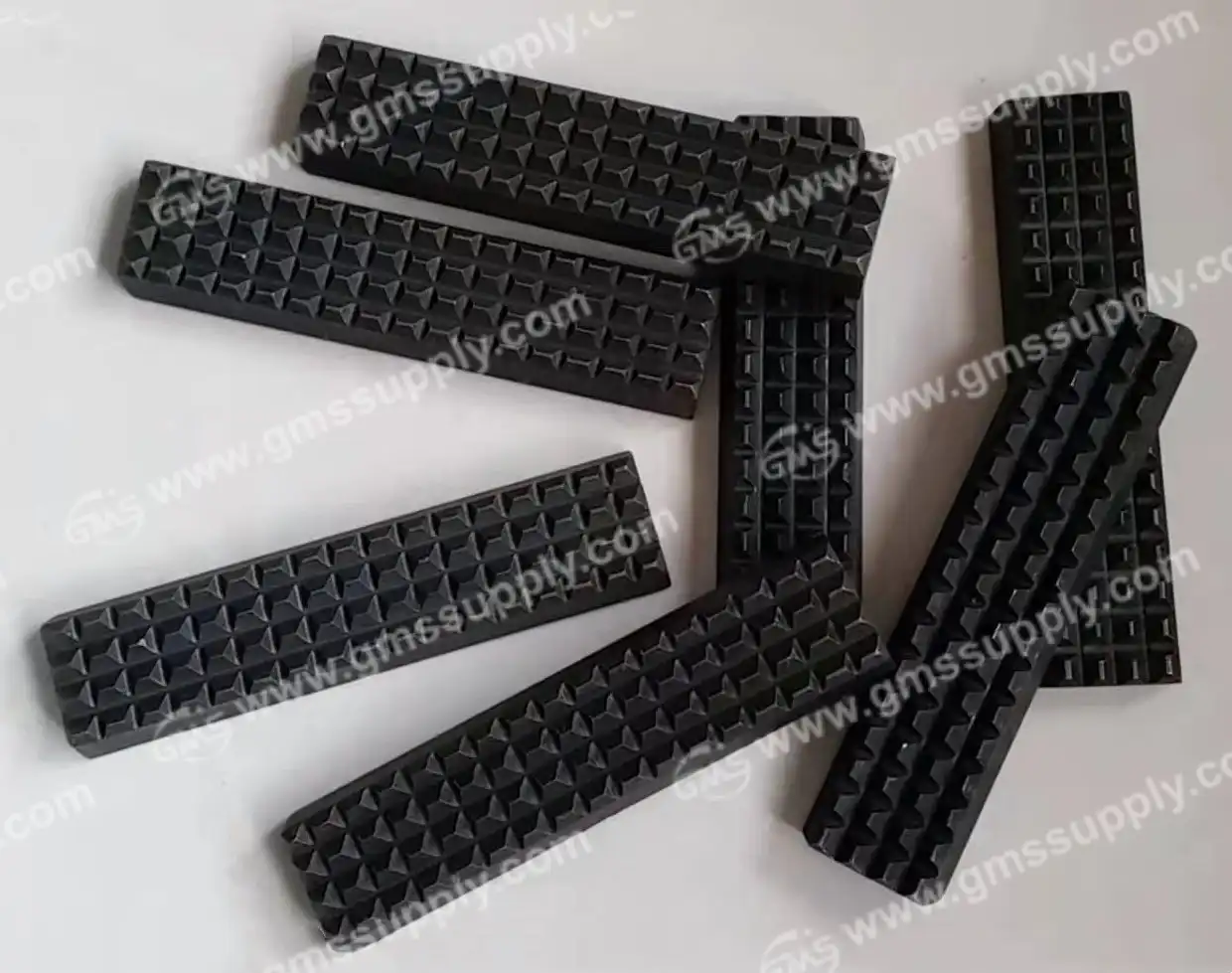
During the make-up and break-out processes, the 16401-2 tong dies are the main link between the jaw assembly and the drill pipe. These parts work specifically with dies for jaw assy 30125052 systems that are popular in TDS-11 and TDS-9SA top drive types. The dies' serrated holding surface moves spinning force from the hydraulic actuators to the pipe body without damaging the surface, which could weaken the integrity of the tube.
How long something works and lasts depends a lot on what it's made of. Our tong dies are made from high-quality alloy steel that has been heated and cooled in a controlled way to get a surface hardness of 58 to 62 HRC while keeping the core stiffness needed for shock absorption. This two-phase metallurgy keeps the gripping teeth from wearing out too quickly and stops them from breaking apart completely when the load changes quickly. The multi-axis tooth shape of the precision-machined serration geometry is designed to bite through surface scale and drilling mud leftovers without gouging the pipe wall.
Accurate measurements make sure that the jaw joint shell fits properly. The exact width, height, and space between mounting holes that must line up with the 30125052 carrier frame are set out in the 16401-2 standard. Even very small differences, measured in hundredths of a millimeter, can cause the load to be spread unevenly, which speeds up the wear on both the dies and the jaw assembly housing. This accuracy is especially important in high-torque situations where digging through tough rocks needs the best force transfer possible.
It is usually used in places like oil and gas drilling where dependability can't be compromised. Offshore platform operations depend on these parts to keep up with drilling plans, even when exposed to saltwater that is toxic and when temperatures change. Onshore drilling companies need gripping ability that stays the same for pipes of different sizes and types of material. The basic rules of operation stay the same: turn hydraulic pressure into a controlled mechanical grip, keep that grip even when loads rotate it, and let go of it smoothly without binding when operations need the pipe to move.
Selection Criteria for Maximum Drilling Efficiency
When picking dies for jaw assy 30125052, you need to look at performance measures that have a direct effect on your bottom line. Durability is the most important thing to think about because parts that break down early cause unexpected downtime, extra costs for replacement, and possibly safety issues. Our 16401-2 dies are designed to handle the cycle loading patterns that happen during drilling. At each pipe connection, the gripping surface is put under a lot of stress, and then the load is released completely. This resistance to stress makes the operating life much longer than parts made without strict quality controls.
The number of replacement rounds depends on how resistant the material is to wear. The holding teeth rub against pipe surfaces that are dirty from drilling mud, formation pieces, and mineral deposits. Our heat treatment method makes the outside layer harder so that the tooth edges stay sharp even after thousands of times touching the pipe. When procurement managers figure out the total cost of ownership, a longer service life means fewer parts need to be replaced, and fewer hours of work are needed to do upkeep. In the field, we've seen instances where our dies lasted 40% longer than competing goods when used in the same way.
Precision production makes sure that the gripping force is spread evenly across the full contact area of the jaw joint. Tooth heights or serration angles that aren't the same create pressure points that speed up localized wear and increase the risk of damage to the pipe surface. Multi-point inspection procedures are part of our manufacturing process. They make sure that dimensions are correct before parts leave our plant. This quality assurance approach aligns with ISO 9001 certification requirements that govern our production environment.
Compatibility is more than just a matter of size. Your top drive model must have dies that are exactly the same as the 16401-2 ones. The TDS-11 and TDS-9SA systems only work within certain bands of power and gripping force. Putting in dies that are designed to meet these requirements guarantees the best performance without putting too much stress on the hydraulic system of the jaw assembly or risking not having enough grip during high-torque operations. We keep detailed application guides that connect die specs to top drive models. This way, you don't have to guess when choosing a component.
Installation issues affect both how well something works right away and how well it works in the long run. To place a die correctly, the mounting surfaces must be clean, the bolt pressure values must be correct, and the jaw assembly must be checked for alignment.
Maintenance and Troubleshooting Best Practices
Setting up organized repair schedules will help you get the most out of your investment in dies for jaw assy 30125052. Instead of picking random times, regular review plans should happen at set times based on how busy the business is. This should include checking the state of the teeth, seeing if the crack is spreading, and making sure the mounting is secure. This method finds wear patterns ahead of time, before they get bad enough to cause damage to the jaw assembly case or drill pipe.
Cleaning procedures get rid of rough contaminants that speed up wear. Drilling mud and formation cuttings get stuck between the serration teeth and form hard layers that make holding less effective and encourage corrosion. After drilling sections are finished or when moving between rocks with different mineral makeups, maintenance teams should use high-pressure washing systems with the right cleaning agents. Cleaning the holding surfaces well shows them in their true state, which makes estimating wear more accurate.
When you lubricate properly, you protect the jaw assembly mechanism's mounting contacts and moving surfaces. The slip inserts 16401-2 teeth that grip work without any oil, but the die mounting method works better with anti-seize chemicals added during installation. This keeps the galls from forming and makes replacement easier in the future.
Systematic analysis is needed to fix common practical problems. If the pipe make-up goes wrong, it's usually because the holding teeth are worn down, the surfaces are dirty, or the jaw assembly isn't getting enough hydraulic pressure. Keeping track of the operating situation during problems—such as the type of formation, the width of the pipe, and the properties of the mud—helps find the root causes instead of just fixing the symptoms. Our technical support team helps customers figure out what these operating signs mean and tells them whether the best answer is to clean, adjust, or replace the part.
Visual and dimensional inspections used to track performance show wear patterns before they become useful problems. By measuring the height of the teeth at several locations on each die, a wear profile is made that shows whether the wear is spreading out or concentrating in certain areas. Uneven wear patterns are often a sign of problems with alignment in the jaw joint or an uneven spread of hydraulic pressure. Taking care of these basic mechanical problems keeps parts from wearing out too quickly and increases the system's total service life.
Procurement Guide: Sourcing Quality Jaw Assembly Components
When evaluating possible providers, you need to look at more than just the price. You also need to look at the total value delivered. Authorized sellers offer real production traceability, which makes sure that parts actually meet design standards and don't just look like they do. This gives purchasing managers the quality assurance they need to meet internal standards and government rules.
Reliability in lead times affects both practical planning and managing supplies. Standard parts like the dies for jaw assy 30125052 can be delivered quickly because we have a lot of established production capacity and strategically placed stock. We keep a ready supply of things that are in high demand, so there are no long wait times that mess up maintenance plans. When buying, teams know that parts will always be available; they don't have to pay a lot for air freight and don't have to buy parts from sources they don't trust in an emergency.
Instead of just trying to beat the competition, pricing should represent real value. If a price seems too low, the quality of the materials has likely been lowered, the heat treatment process has been sped up, or the standards for size have been loosened. These savings quickly go away when parts break down early or when expensive equipment gets damaged while it's being used. Our clear price takes into account the strict quality controls and material requirements needed to make parts that you can depend on. Customers who manage more than one rig or plan long drilling operations can get savings through bulk purchasing programs.
Shipping procedures and correct paperwork keep customs processing and receiving docks from being backed up. We work with established freight forwarders who know how to handle industrial parts, make sure they are properly packaged, follow rules for dangerous materials when needed, and provide all necessary business paperwork. For easy customs handling, international shipments come with thorough packing lists, material certificates, and country-of-origin declarations. We pay close attention to logistics because we know how hard it can be to buy things in the global manufacturing market.
Enhancing Operational Efficiency Through Smart Component Choices
To improve drilling operations, you need to find the places where performance problems stop the whole process from being as productive as it could be. Worn or improperly defined dies for jaw assy 30125052 waste time and money because they make it take longer to move pipes, reject broken tubulars more often, and need to be serviced without planning to. When you upgrade to precision-manufactured parts, these problems go away, and crews can keep drilling faster without putting safety at risk.
When choosing strategic components, the whole working situation is taken into account, not just a few technical details. When a drilling worker works mostly with larger-diameter tube, they need different gripping features than when they work mostly with smaller drill pipe. Knowing these specifics about the program makes it easier to match the requirements of the component to its real use.
Strategies for managing inventory balance, including how much it costs to keep and how much is available. Keeping strategic extra parts on hand cuts down on long periods of downtime when planned replacements are needed or when unexpected failures happen. We help customers make stocking plans that work for them based on how often they run their business, how many tools they have, and where they are located. Rig operators who work in remote areas can keep more inventory on-site, while contractors who work near trusted supply lines can run with less inventory.
Conclusion
You have to make a smart decision when choosing the right 16401-2 tong dies for jaw assy 30125052 that affects more than just how well they work together. When made to precise metallurgical and dimensional standards, the 16401-2 parts designed for jaw assembly 30125052 systems provide solid holding performance. We've been providing important drilling parts for ten years and have learned that the quality of the parts and the dependability of the provider must work together to support operational excellence.
FAQ
Q1: What distinguishes different jaw assembly models like 30125052 and 30125053?
These model numbers usually show differences in the size of the mounting holes, the shape of the gripping surface, or the number of top drive setups that they can work with. The dies for jaw assy 30125052 standard usually covers NC50 PH100 jaw assemblies that are used in TDS-11 and TDS-9SA systems. These assemblies have certain bolt patterns and housing connections. Model 30125053 has different sizes from 30125052. Always use full model numbers and cross-reference with the top drive manufacturer's specs to make sure that parts are compatible.
Q2: How can buying teams make sure that suppliers are real and that the products they sell are good?
Ask for full material certificates, dimensional inspection records that show the product meets certain standards. Suppliers that are legitimate keep track of the products they make and are happy to provide supporting documents. ISO 9001 recognition means that quality management systems have been in place and supplier's experience in the drilling business.
Partner with GMS for Reliable Tong Dies and Jaw Assembly Solutions
With high-quality 16401-2 tong dies and full expert support, GMS is ready to meet your drilling component needs. As a provider that has been working with the oil and gas drilling business for more than ten years, we know how hard it is for procurement managers to balance the need to keep costs low with the need to be completely reliable. Our ISO 9001-certified production methods make sure that every 16401-2 tong die meets strict requirements for size and metal quality. Because we keep a lot of goods on hand, we can deliver quickly and keep lead times as short as possible, which keeps upkeep plans on track. Email our technical sales team at sales@gmssupply.com to talk about your unique application needs, get competitive quotes, or ask for full product specifications. GMS provides the quick service and reliable quality that your operations need, whether you need to change a part right away or make long-term deals for supplies.
References
1. American Petroleum Institute. "Specification for Top Drives." API Specification 8C, Eighth Edition, 2018.
2. Johnson, M.R., and Peterson, K.L. "Metallurgical Requirements for Drilling Component Durability." Journal of Petroleum Technology, Vol. 71, No. 4, 2019, pp. 45-52.
3. National Association of Corrosion Engineers. "Corrosion Control in Offshore Drilling Operations." NACE Standard Practice SP0108, 2020.
4. Thompson, R.A. "Optimizing Top Drive Performance Through Component Selection." Drilling Contractor Magazine, January-February 2021, pp. 34-38.
5. Wilson, D.F., and Martinez, J.C. "Heat Treatment Protocols for High-Stress Drilling Components." Materials Science in Manufacturing, Vol. 28, No. 2, 2020, pp. 112-125.
6. International Organization for Standardization. "Geometrical Product Specifications: General Tolerances for Linear and Angular Dimensions." ISO 2768-1:1989, Reaffirmed 2016.
Learn about our latest products and discounts through SMS or email