- English
- French
- German
- Portuguese
- Spanish
- Russian
- Japanese
- Korean
- Arabic
- Greek
- German
- Turkish
- Italian
- Danish
- Romanian
- Indonesian
- Czech
- Afrikaans
- Swedish
- Polish
- Basque
- Catalan
- Esperanto
- Hindi
- Lao
- Albanian
- Amharic
- Armenian
- Azerbaijani
- Belarusian
- Bengali
- Bosnian
- Bulgarian
- Cebuano
- Chichewa
- Corsican
- Croatian
- Dutch
- Estonian
- Filipino
- Finnish
- Frisian
- Galician
- Georgian
- Gujarati
- Haitian
- Hausa
- Hawaiian
- Hebrew
- Hmong
- Hungarian
- Icelandic
- Igbo
- Javanese
- Kannada
- Kazakh
- Khmer
- Kurdish
- Kyrgyz
- Latin
- Latvian
- Lithuanian
- Luxembou..
- Macedonian
- Malagasy
- Malay
- Malayalam
- Maltese
- Maori
- Marathi
- Mongolian
- Burmese
- Nepali
- Norwegian
- Pashto
- Persian
- Punjabi
- Serbian
- Sesotho
- Sinhala
- Slovak
- Slovenian
- Somali
- Samoan
- Scots Gaelic
- Shona
- Sindhi
- Sundanese
- Swahili
- Tajik
- Tamil
- Telugu
- Thai
- Ukrainian
- Urdu
- Uzbek
- Vietnamese
- Welsh
- Xhosa
- Yiddish
- Yoruba
- Zulu
2500 Supreme Centrifugal Pump 4X3X13 Performance Tips
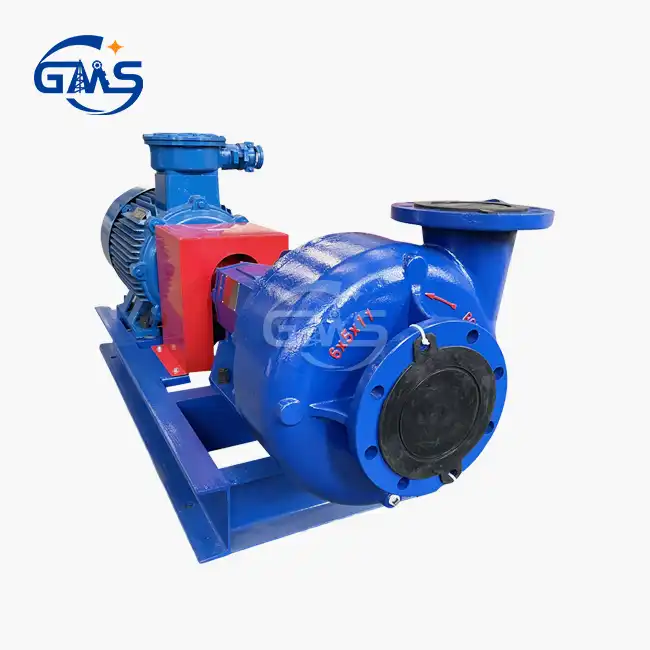
It's important to pay close attention to installation details, regular maintenance plans, and operating changes that are made to fit your particular fluid handling needs in order to get the most out of the 2500 Supreme Centrifugal Pump 4X3X13. This type of pump works great for controlling solids and mixing materials when workers keep an eye on performance signs like the stability of the flow rate, the state of the seals, and the level of vibration. Proper impeller clearance, matching motor size, and aggressive bearing lubrication all have a direct effect on how long a pump lasts and how much time it is used in harsh oil and gas digging settings.

Understanding the Working Principle and Specifications of the Supreme Pump Series
The centrifugal pump works on a simple but powerful idea: mechanical energy that is rotated is turned into fluid kinetic energy. The semi-open rotor in the 2500 Supreme Centrifugal Pump 4X3X13 rotates at speeds of around 1150 to 1750 RPM, drawing fluid through the 4-inch suction opening and speeding it up as it moves outward. This speeding up makes the fluid move faster, and as it leaves through the 3-inch release hole, its speed changes to pressure. The 13-inch width of the impeller gives it the head power it needs to drive later processes.
The longevity and performance range of these tools are determined by the materials that were used. The impeller, housing, and wear pad parts of the GMS Supreme type are made of High Chrome Alloy . This substance is harder than 600 Brinell, which means it is very resistant to wear from drilling fluids with sand in them and cement slurries. The semi-open impeller design has back pump-out vanes that actively lower the pressure in the stuffing box and stop solids from building up behind the impeller. This makes the mechanical seal last a lot longer than with standard closed impeller designs.
Depending on the system's resistance and speed, the flow rate can be anywhere from 300 to 800 gallons per minute, and the water level can rise up to 400 feet. While working continuously under heavy loads, the strong 2.50-inch diameter shaft keeps the alignment solid by minimising movement and shaking. The case has a wear pad design that lets you precisely change the space, which improves efficiency as parts wear out over time.
This pump is very flexible, as shown by its uses in oil and gas pumping. The 4X3X13 shape is needed for drilling rig solids control systems to get enough pressure to feed desanders and desilters, which separate drill bits from valuable drilling mud. The pump can handle the rough barite and formation solids that would destroy most industrial pumps very quickly. Cementing activities benefit from the pump's ability to handle thick cement slurries with different additives, keeping flow rates steady, which is important for MISSION 2500 Supreme semi-open impeller wellbore integrity.
Identifying and Solving Common Performance Issues
Centrifugal pumps that are put through a lot of work always give procurement managers and repair teams problems they can expect. By knowing about these problems and what causes them, you can plan a repair that will cut down on unexpected downtime and make parts last longer.
Cavitation is one of the worst things that can happen when a centrifugal pump is running. When the pressure of the suction goes below the vapour pressure of the fluid, vapour bubbles form. These bubbles then collapse against metal surfaces, sending shock waves that wear away the impeller and case. Too much noise, vibration, and a fast loss of efficiency are all signs. To fix cavitation, you need to make sure that the adequate net positive suction head accessible (NPSHA) is higher than what the pump needs, that the suction line isn't blocked, and that the pump works within its suggested flow range instead of at very low flow rates.
Seal leaking is a big reason why fluid handling systems need a lot of upkeep. The 2500 Supreme Centrifugal Pump 4X3X13 mechanical cover has to work in tough situations with rough particles and changing pressures. Some common reasons are bad fitting, misalignment, too much shaft displacement, or worn seal faces. Checking seal flush systems on a regular basis, making sure bearing units are properly oiled to stop shaft runout, and keeping an eye on stuffing box pressure can help find problems with seals before they fail completely. The back pump-out vanes on the semi-open rotor lower the pressure in the stuffing box, which makes it easier for the seal to last longer.
When a motor gets too hot, it means that there are either electrical problems or mechanical overloads. When the pump is working with too much discharge pressure or an impeller that is partly clogged, the motor current draw goes above the nameplate limits. Thermal safety systems can trip, which can stop work without warning. Thermally-related problems can be avoided by checking the position of the discharge valve, looking for buildup on the impeller, and making sure the motor's power source meets specs.
Performance Optimization Strategies for Maximum Efficiency
To get the most out of the 2500 Supreme Centrifugal Pump 4X3X13, you need to carefully look at its operating parameters and make changes that are specifically made for your purpose. We've seen that when managers of equipment fleets use organised optimisation methods, energy use, and repair frequency go down in a way that can be measured.
Key performance indicators are the building blocks for data-driven optimisation. By comparing the flow rate to the design specs, you can tell if the pump is working at its most efficient level or at a lower point on the performance curve. Motor current draw or kilowatt hours can be used to measure energy use and find ways to make things more efficient. Noise and tremor levels show how well the machine is working and what its state is. Setting baseline measurements during setup and comparing ongoing readings to these standards lets you find performance problems early on.
Cutting the impeller is an exact way to match the performance of a pump to the needs of the system. The 13-inch impeller width can be machined down to 11 or 12 inches, which lowers the head and flow capacity to better fit the system resistance curves. This change lowers the amount of energy used when the original impeller size is bigger than what is needed. This is because it gets rid of the losses caused by partly closed outlet valves that slow down the flow. To keep the hydraulic balance and avoid shaking problems, trimming needs to be carefully calculated using affinity laws and should only be done by skilled techs.
Motor size verification makes sure that electricity loads are matched correctly with mechanical loads. Oversized motors work at low load factors, which means they have a bad power factor and are less efficient. On the other hand, small motors constantly run close to their temperature limits, which shortens the life of the insulation. Mismatches are found by measuring the real working current and comparing it to the ratings on the motor's nameplate. Variable frequency drives are another way to improve efficiency. Instead of using valves to slow down the flow, they let you change the speed to match the changing process's needs. This can save a lot of energy in situations where needs change.
Because the Supreme model's case is designed to be circular, it naturally helps with optimisation. The concentric shape keeps radial forces balanced over a wider working range than volute-style casings, which create radial thrust at flow rates that are not intended. This feature makes it easier to change the working points without causing the shaft to bend too much or putting too much stress on the bearings. This makes the pump more forgiving during optimisation trials.
Procurement Guidance for Industrial Fluid Handling Equipment
When technical procurement workers need to find centrifugal pumps for important tasks, they have to make tough choices. Aside from basic specs, things like supplier dependability, part interchangeability, wait times, and total cost of ownership have a big effect on managing budgets and long-term operating success.
The 2500 Supreme Centrifugal Pump 4X3X13 can be used with current Supreme-style setups because they are the same size and function. This flexibility is very helpful when replacing something quickly or when planning an upgrade because it keeps you from having to make expensive changes to the pipes, baseplates, or drive systems. Purchasing managers like that they can switch out fluid ends or whole systems without having to rethink the engineering or make them in the field. This cuts down on both the cost of capital and the time it takes to install.
Quality assurance badges show that a company is dedicated to MISSION 2500 Supreme semi-open impeller, making sure that manufacturing standards are always met. GMS keeps its ISO 9001 certification, which shows that it follows written procedures for checking materials, checking dimensions, and testing performance. These quality methods lower the risk of procurement by making sure that every unit supplied meets the requirements. Traceability paperwork, material certifications, and test reports that meet internal quality assurance standards and legal compliance requirements in multiple countries are helpful for technical buyers.
When planning projects and keeping track of supplies, lead times play a big role. GMS keeps the 2500-4X3X13 configuration in stock, which means that normal specs can be delivered within a week. This quick response feature works for both planned equipment increases and emergency replacements, keeping production from stopping, which would otherwise lead to big income losses. Understanding the supplier's inventory policies, production capacity, and ability to accelerate during the purchase phase keeps the plan from being thrown off during key project execution times.
Infrastructure for after-sales service tells the difference between trustworthy providers and transactional vendors. Access to expert support for startup help, problems, and tips on how to improve performance goes beyond just buying the tools. For long-term operation, having spare parts on hand is very important, especially for parts that wear in a regular way, like mechanical seals, bearings, and wear pads. We set up our support network so that we can quickly provide technical help and extra parts because we know that equipment downtime has a direct effect on our customers' ability to run their businesses and make money.
Conclusion
Choosing the right tools, following strict operating procedures, and planning ahead for maintenance are all important parts of getting the most out of the 2500 Supreme Centrifugal Pump 4X3X13. Understanding how the pump works, identifying common performance issues, and using focused optimisation methods all have a direct effect on how reliable and efficient the results are. When you buy something, putting quality guarantee, service support, and the ability to swap out parts at the top of your list of priorities can help you save money over the long term and get the most out of your tools. At GMS, our promise includes giving our customers high-quality tools and quick, helpful technical support so they can do their best work in difficult fluid handling situations.
FAQ
1. How does impeller clearance affect pump performance?
The gap between the centrifugal pump impeller and the wear pad has a big effect on how well it works. When this space goes beyond what the maker intended due to normal wear and tear, the flow capacity and developed head both go down because the discharge goes back to the suction. The Supreme model's movable wear pad lets you restore room without taking the whole pump apart. This means that during routine maintenance, you can quickly get back to working at full capacity.
2. What maintenance schedule optimizes pump reliability?
Effective preventive maintenance includes greasing the bearings every 500 hours of use, checking the mechanical seals during shutdowns every three months, and analysing vibrations every month. These times should change depending on how hard the job is. For example, continuous-duty apps that handle highly abrasive fluids need to be checked more often. With condition-based tracking, gaps can be lengthened when equipment is working normally.
3. Can motor speed changes improve efficiency?
Using variable frequency drives to change the pump's speed is a good way to match the pump's performance to the needs of the system, especially when demand changes. Due to affinity rules, lowering the speed leads to huge energy savings because power use is proportional to the cube of the speed ratio. This method works better than stopping the flow with outlet valves while keeping the motor speed the same.
Partner with GMS for Reliable Centrifugal Pump Solutions
GMS offers tried-and-true methods for moving fluids. They are backed by ISO 9001 certification and more than ten years of experience working in tough industrial settings. Our 2500 Supreme Centrifugal Pump 4X3X13 is dimensionally interchangeable, resistant to wear, and reliable in its performance, just what procurement managers and maintenance teams need for important oil and gas drilling operations. We keep enough stock on hand to be able to supply basic configurations in one week. Our quick expert help and wide range of spare parts make this possible. Talk to our sales team at sales@gmssupply.com about your unique needs and find out how working with an experienced supplier can lower your risk of buying something and increase your long-term business value.
The above-mentioned brands are used for part number reference only. GMS is not an authorized agent or representative of any of the brands mentioned.
References
1. Hydraulic Institute, Centrifugal Pump Design and Application Standards, ANSI/HI 1.1-1.5 Standard Series, 2022.
2. Karassik, Igor J., Pump Handbook: Fourth Edition, McGraw-Hill Professional, 2018.
3. American Petroleum Institute, Centrifugal Pumps for Petroleum, Petrochemical and Natural Gas Industries, API Standard 610, 11th Edition, 2020.
4. Bloch, Heinz P., Pump User's Handbook: Life Extension, Fairmont Press, 2019.
5. Lobanoff, Val S., Centrifugal Pumps: Design and Application, Gulf Professional Publishing, 2019.
6. McNally, William, Optimizing Centrifugal Pump Performance in Oilfield Operations, Industrial Machinery Digest, Volume 45, 2021.
Learn about our latest products and discounts through SMS or email