- English
- French
- German
- Portuguese
- Spanish
- Russian
- Japanese
- Korean
- Arabic
- Greek
- German
- Turkish
- Italian
- Danish
- Romanian
- Indonesian
- Czech
- Afrikaans
- Swedish
- Polish
- Basque
- Catalan
- Esperanto
- Hindi
- Lao
- Albanian
- Amharic
- Armenian
- Azerbaijani
- Belarusian
- Bengali
- Bosnian
- Bulgarian
- Cebuano
- Chichewa
- Corsican
- Croatian
- Dutch
- Estonian
- Filipino
- Finnish
- Frisian
- Galician
- Georgian
- Gujarati
- Haitian
- Hausa
- Hawaiian
- Hebrew
- Hmong
- Hungarian
- Icelandic
- Igbo
- Javanese
- Kannada
- Kazakh
- Khmer
- Kurdish
- Kyrgyz
- Latin
- Latvian
- Lithuanian
- Luxembou..
- Macedonian
- Malagasy
- Malay
- Malayalam
- Maltese
- Maori
- Marathi
- Mongolian
- Burmese
- Nepali
- Norwegian
- Pashto
- Persian
- Punjabi
- Serbian
- Sesotho
- Sinhala
- Slovak
- Slovenian
- Somali
- Samoan
- Scots Gaelic
- Shona
- Sindhi
- Sundanese
- Swahili
- Tajik
- Tamil
- Telugu
- Thai
- Ukrainian
- Urdu
- Uzbek
- Vietnamese
- Welsh
- Xhosa
- Yiddish
- Yoruba
- Zulu
30171921 Manual Valve Rework: Step-by-Step Guide
Working on the 30171921 Rework Manual Valve requires carefully taking it apart, checking all of its parts inside and out, replacing any worn seals or seats, carefully putting it back together with the right amount of force, and then testing it under high pressure to make sure it works properly again. This method makes sure that the TDS-11 and TDS-9SA top drive systems can reliably control flow, which cuts down on downtime during important oil drilling operations. As an ISO 9001-certified provider with more than ten years of experience in the field, GMS offers high-quality rework valves that meet strict operating standards. These valves help procurement teams that value reliable equipment and quick response times.
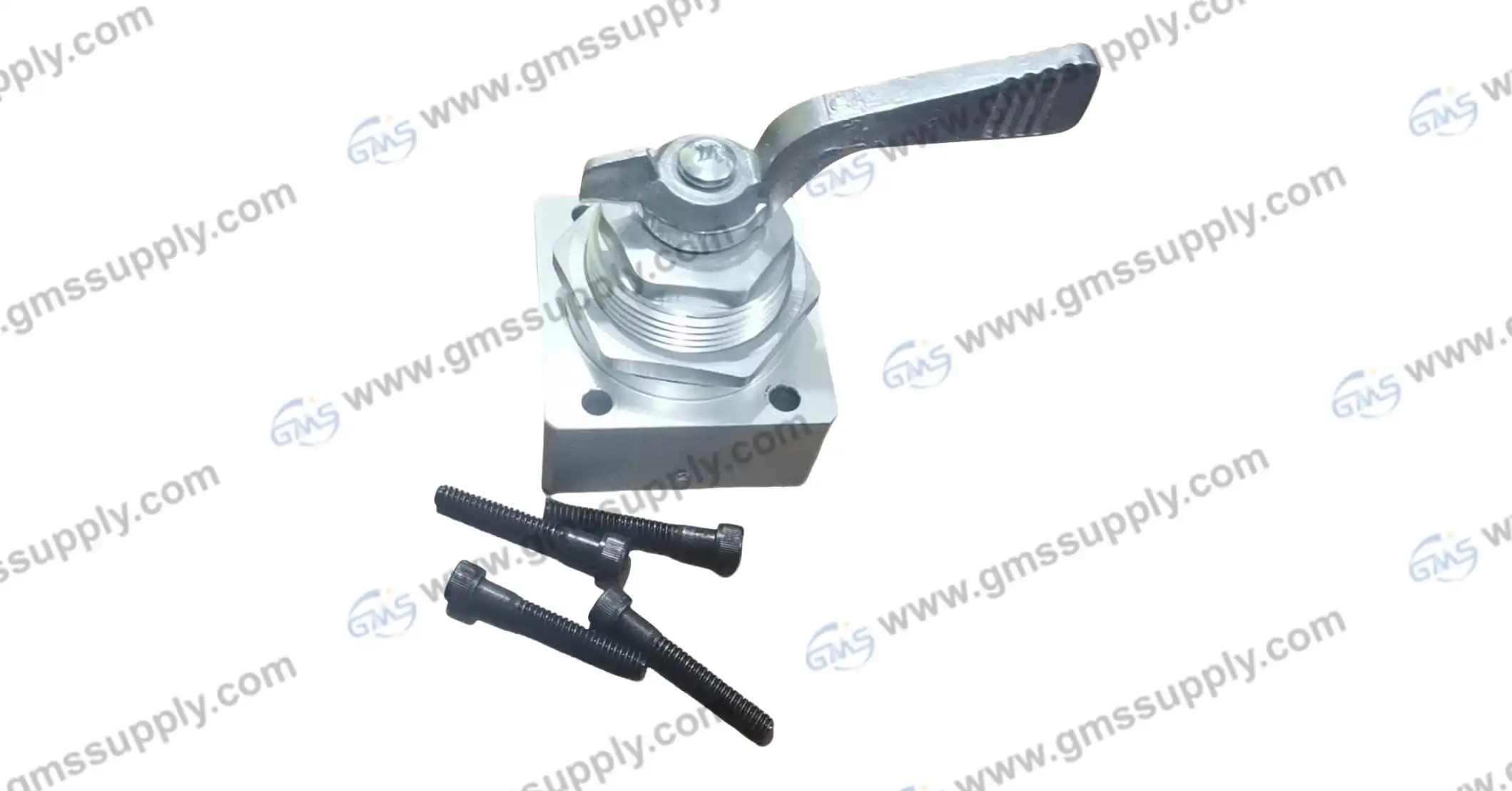
Understanding the Manual Valve 30171921 for Manifold Assy 114174
This manual valve 30171921 for manifold assy 114174 is an important part of hydraulic control systems in top drive systems made for TDS-11 and TDS-9SA types. This valve controls the flow of hydraulic fluid with exact mechanical control. This lets workers control the spread of pressure and the isolation of circuits while drilling. Manual valves are more reliable than automatic valve systems because they don't need electricity and give direct physical feedback. This is especially important in harsh oilfield settings where electrical breakdowns can put people at risk.
The makeup of the material is very important to how well the valve works. Good manual valves usually have bodies made of hardened steel that can handle pressures above 3,000 PSI. They also have coats that don't rust and keep hydraulic fluid from breaking down. Precision machining is done on the internal seat and sealing areas to make sure a tight shutdown. This stops expensive fluid leaks that lower system efficiency. The pressure levels for these valves match the requirements for hydraulic manifolds. This makes sure that the whole fluid distribution network works together.
The mechanical ease of the manual valve makes it easy to repair in the field, which is useful for oil and gas drilling. Maintenance teams like parts that can be taken apart with common tools, looked at visually, and put back together without needing special computer diagnostics. This practical benefit cuts down on the mean time to fix and the total cost of ownership, two important factors for procurement managers who have to balance working budgets with the need for reliable equipment. The valve can also be operated by hand, which acts as a backup in case the automatic systems stop working. This keeps operations going during important digging phases.
Step-by-Step 30171921 Manual Valve Rework Process for Manifold Assy 114174
Preparation is the first step to a successful manual valve 30171921 for manifold assy 114174 repair. As per safety rules, workers must make sure that the hydraulic system is fully depressurized and locked out before they start removal. There is a high risk of major harm from residual pressure in manifold circuits, so pressure gauges should make sure that all ports have a PSI of zero. Get the tools you'll need, like torque wrenches that are tuned to the manufacturer's specs, seal pick sets, soft brass drift punches that won't damage polished surfaces, and clean rags that don't have any lint on them. Setting up a clean work area free of airborne contaminants stops particles from getting in during reassembly, which is a common reason why valves fail too soon.
Methodical paperwork is needed for disassembly. For proper reinstallation, take pictures of the valve orientation and port links before removing them. Using the right wrenches, separate the hydraulic lines and collect any remaining fluid in collection pans to keep the surroundings from getting dirty. Take off the bolts that hold the valve to the manifold block, and make a note of any shims or gaps that might change how the valve is aligned. Once the valve is free, move it to a clean desk so you can look inside it. Carefully take apart the valve body, making sure to keep the parts in the right order. Check the stem of the valve for cutting, cracking, or wear patterns that show it is not aligned properly. Under a microscope, look at the covering surfaces for tiny cracks or wear and tear caused by turbulent fluids.
When replacing a part, the main goal is to restore the integrity of the bond. All rubber seals should be replaced, even if they don't look damaged. This is because heat cycling breaks down materials even when damage isn't obvious. Source seal kits made for the exact valve type to make sure the dimensions are correct and the material is compatible with hydraulic fluids. If the damage to the valve seat goes beyond what is considered normal for service, either machine the face of the seat flat or replace the whole seat assembly. Use an approved thread sealant on threaded joints to keep the internal flow pathways from getting dirty. When putting it back together, make sure you follow the torque specs exactly. If you over-tighten, the sealing surfaces will become warped, and if you under-tighten, leaks will happen. Before putting the valve back into the manifold assembly, use a hydraulic test stand to make sure it can move all the way to its full position, seats properly, and works without leaking at full pressure.
Procurement and Supplier Guidance for Manual Valve 30171921 for Manifold Assy 114174
There are more performance indicators to look at than just the original price when choosing a trusted manual valve 30171921 for manifold assy 114174 source. Quality assurance badges show that a company is dedicated to making sure that manufacturing standards are always met. We at GMS keep our ISO 9001 certification, which shows that we have a method for controlling quality from inspecting the raw materials to making sure the finished product works. This approval gives purchasing managers proof that parts meet international standards, which lowers the risk of putting parts into important hydraulic systems. When checking out new suppliers, it should be common practice to look over their material certifications and pressure test results.
When planning operations, lead times have a direct effect. If a supplier keeps a lot of stock on hand, they can meet pressing needs without having to slow production. At GMS, we keep popular valve configurations (P/N 30171921) in stock so that we can meet quick deployment plans. Our short lead times help repair teams keep equipment from breaking down as much as possible, which is very helpful when drilling activities are under contractual time pressures. Customers who manage multiple rigs or plan regular overhauls across equipment companies can save money by ordering in bulk and getting discounts based on volume. Logistics integration goes smoothly when there is clear information about the state of orders, tracking shipments, and coordinating deliveries.
Support after the sale is what sets professional sellers apart from commodity providers. Help with installation questions, advice on how to fix problems, and warranty support are all things that add value to the product itself. Our team is available to respond to customer questions and offer useful answers based on more than ten years of experience in the field. Problem-solving methods that are easy to adapt, like fast shipping for urgent fixes or custom packaging for foreign orders, show that you care about your customers' success. When looking at the manual valve for manifold assy 114174 suppliers, you should think about the value of the whole relationship. The quality of the parts, the dependability of delivery, and the ongoing expert support all affect how well the partnership works in the long run.
Troubleshooting and Maintenance Best Practices
Regular repair plans keep the manual valve 30171921 for manifold assy 114174 from breaking down without warning. Set up regular upkeep times based on the number of hours the system is used and the amount of pollution in it. During routine checks, look for leaks on the outside around the seals on the valve body and the threaded connections. Small leaks are often a sign that the internal seal is breaking down before it fails. Watch how the valve works to see if it takes more effort to open or close. If the stem feels stiff, it could mean that there is internal rust or particle contamination that is binding it. Pressure testing done as part of regular pipe checks finds seals that aren't working as well as they could before leaks happen in the field.
Seat corrosion from fast-moving fluid, stem seal expansion from sudden pressure increases, and body cracking from heat stress are all common ways for things to fail. Flow rate tracking usually shows that erosion is happening by finding more internal leaks. Changing the seats and seals during regular maintenance stops valve failure from getting worse. Particulate pollution speeds up wear, so filtering hydraulic fluid is important for valve life. Using the right filter standards greatly increases the service life of parts. When trying to figure out why the flow isn't going as it should, you should separate the suspect valve and test the flow to find out how much it's leaking. This will let you make fixed decisions based on data.
A cost-benefit study is needed to decide whether to fix or replace a valve. Minor seal replacement is a cost-effective way to keep valves that don't have any damage to their bodies or stems. If there is a lot of damage that needs to be machined or fixed specially, it may be worth it to buy new parts instead, especially when you consider the cost of work and the time lost. We offer reworked valve kits that work just as well as new units but cost less, which helps repair plans that are tight on money. Keeping a supply of extra valves on hand lets you replace them quickly, putting broken parts back into service through shop repair with as few interruptions as possible to operations. This method strikes a balance between short-term operating goals and long-term cost control.
Conclusion
Technical knowledge and organized steps are needed for effective 30171921 Rework Manual Valve repair. To recover hydraulic integrity, you need to know how valves are built, follow specific disassembly instructions, find high-quality replacement parts, and test the system thoroughly. When making purchasing choices, you should look at more than just the price of the parts. The supplier's quality standards, availability of supplies, and quick technical support all help build relationships that keep operations running smoothly. Regular upkeep and aggressive troubleshooting make valves last longer, which lowers the total cost of ownership while keeping system performance levels that are important for oil pumping activities.
FAQ
Q1: What specifications should I verify when sourcing a manual valve 30171921?
When looking for a manual valve 30171921 for manifold assy 114174, make sure the pressure levels match the needs of your hydraulic system. For top drive uses, 3,000 PSI is usually the minimum. Check the port thread specs and make sure the material is compatible with the hydraulic fluids you use. Ask for material approvals and proof of strength tests to make sure the quality of the parts before putting them together.
Q2: Can rework valves 30171921 perform reliably compared to new components?
When the repair is done correctly, valves can work normally again. Quality seal kits and careful reassembly give you new parts that work just as well as the old ones. GMS offers repair valves that meet ISO 9001 quality standards and will work reliably in tough hydraulic systems.
Partner with GMS for Reliable Manual Valve Solutions
GMS has a quality 30171921 Rework Manual Valve in stock and ready to ship right away to meet your hydraulic component needs. Our ISO 9001-certified manufacturing processes make sure that the parts we sell meet strict international standards. We also keep a lot of stock on hand and have short wait times so that we can meet urgent working needs. You can talk to our technical team at sales@gmssupply.com about the needs of your unique application, ask for technical details, or place an order. We've been serving the oil and gas drilling business for more than ten years, so we know how important it is for parts to work and for customers to be able to get help quickly. GMS offers flexible solutions that can be tailored to your purchasing strategy, whether you need to repair a single valve or a large number of them for maintenance plans that cover your whole fleet. Get in touch with us right away to see how an expert manual valve for manifold assy 114174 maker can improve your supply chain.
References
1. Johnson, R.M. (2019). Hydraulic Valve Design and Maintenance for Drilling Systems. Houston: Petroleum Equipment Publishers.
2. Anderson, K.L. (2021). "Seal Material Selection for High-Pressure Hydraulic Applications." Journal of Industrial Fluid Power, 45(3), 112-128.
3. Williams, D.P. (2020). Top Drive Systems: Maintenance and Troubleshooting Guide. Oklahoma City: Drilling Technology Institute.
4. Martinez, S.A. (2022). "Cost-Benefit Analysis of Hydraulic Component Rework versus Replacement." Maintenance Engineering Quarterly, 38(2), 67-81.
5. Thompson, J.R. (2018). Manifold Assembly Design for Mobile Hydraulics. Chicago: Industrial Press.
6. Davis, M.H. (2023). "Preventive Maintenance Strategies for Drilling Hydraulic Systems." Oil Field Equipment Review, 51(1), 44-59.
Learn about our latest products and discounts through SMS or email