- English
- French
- German
- Portuguese
- Spanish
- Russian
- Japanese
- Korean
- Arabic
- Greek
- German
- Turkish
- Italian
- Danish
- Romanian
- Indonesian
- Czech
- Afrikaans
- Swedish
- Polish
- Basque
- Catalan
- Esperanto
- Hindi
- Lao
- Albanian
- Amharic
- Armenian
- Azerbaijani
- Belarusian
- Bengali
- Bosnian
- Bulgarian
- Cebuano
- Chichewa
- Corsican
- Croatian
- Dutch
- Estonian
- Filipino
- Finnish
- Frisian
- Galician
- Georgian
- Gujarati
- Haitian
- Hausa
- Hawaiian
- Hebrew
- Hmong
- Hungarian
- Icelandic
- Igbo
- Javanese
- Kannada
- Kazakh
- Khmer
- Kurdish
- Kyrgyz
- Latin
- Latvian
- Lithuanian
- Luxembou..
- Macedonian
- Malagasy
- Malay
- Malayalam
- Maltese
- Maori
- Marathi
- Mongolian
- Burmese
- Nepali
- Norwegian
- Pashto
- Persian
- Punjabi
- Serbian
- Sesotho
- Sinhala
- Slovak
- Slovenian
- Somali
- Samoan
- Scots Gaelic
- Shona
- Sindhi
- Sundanese
- Swahili
- Tajik
- Tamil
- Telugu
- Thai
- Ukrainian
- Urdu
- Uzbek
- Vietnamese
- Welsh
- Xhosa
- Yiddish
- Yoruba
- Zulu
What Is Bearing Outboard for 250 PUMP Function?
The Bearing, Outboard for 250 PUMP, is the main thrust-bearing part at the drive-end (cap side) of heavy-duty centrifugal pumps. It was designed to work with Mission Magnum, MCM 250, and other similar industrial fluid-handling systems. This special part handles big axial and radial loads that are created when drilling fluids, gritty slurries, and high-viscosity mixes that are common in oil and gas activities are pumped over and over again. The outboard bearing configuration, which usually has two rows of angular contact designs installed next to each other, is different from standard radial bearings. It keeps the shaft rigid, stops excessive axial play that damages mechanical seals, and keeps the pump working well in high-vibration environments like those found on drilling rigs and in industrial processing plants.
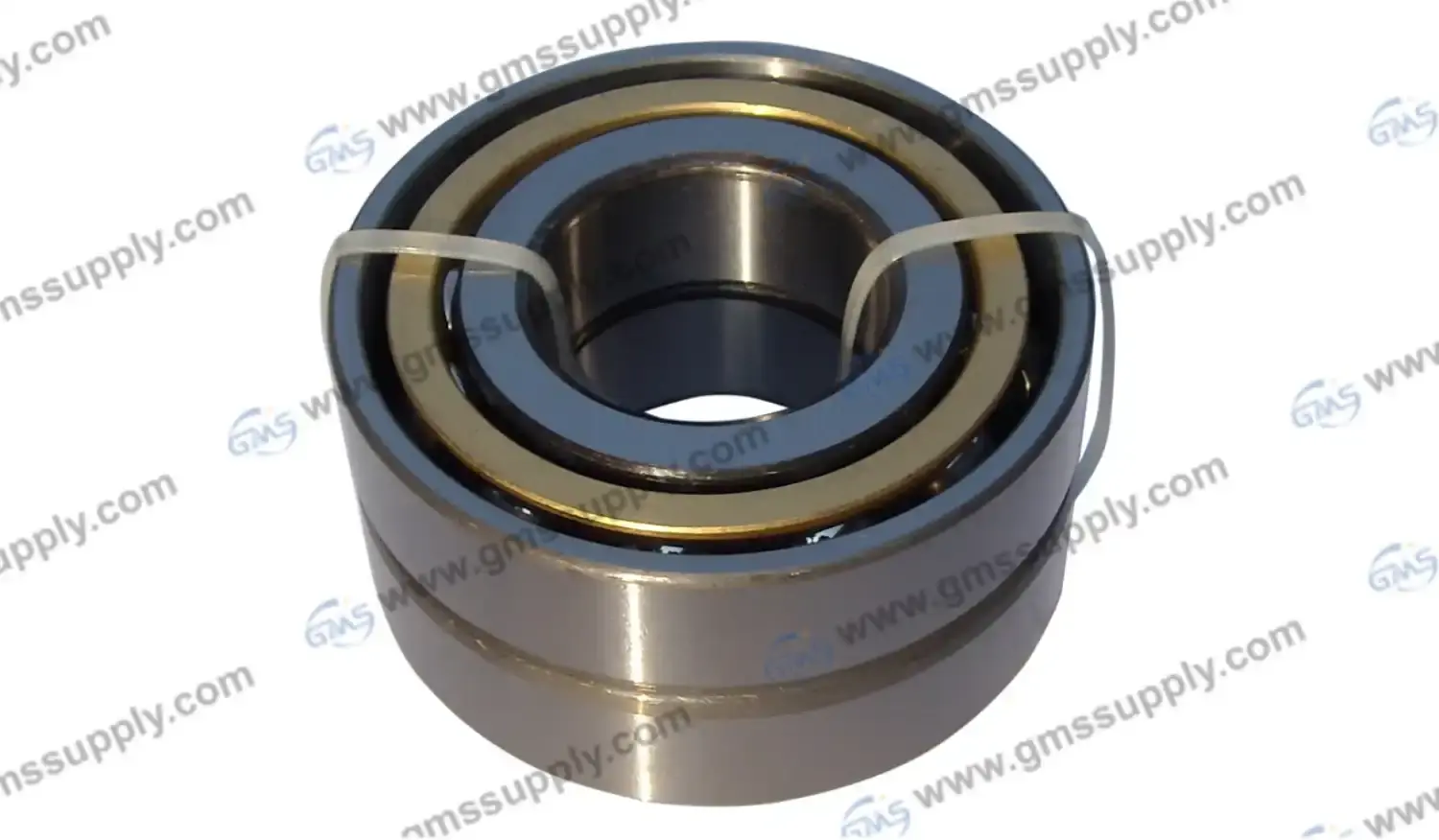
Understanding the Core Function of Outboard Bearings in 250 Type Centrifugal Pumps
When centrifugal pumps are used in harsh industrial settings, they need strong bearing systems to keep working properly. The outer bearing assembly is different from the inboard ones because it deals with pushing forces that try to push the spinning shaft assembly away from the pump body while the pump is running.
Drilling fluids or process liquids move through the rotor of a centrifugal pump. The hydraulic forces cause radial loads that are perpendicular to the shaft and axial thrust loads that are parallel to the shaft. These pushing forces are directly dealt with by the Bearing, Outboard for 250 PUMP, which has the part numbers GMS25014, Mission 20616-1, and P25OBBRG. This 1.5 kg part is made from high-carbon chrome bearing steel that is precisely cut to ensure minimal runout and long service times, even when shock loads are applied from cavitation or uneven flow conditions.
Putting angular contact bearings back-to-back at the outer position makes a rigid bearing setup that spreads thrust loads evenly across both bearing units. This design stops the "shuttling" effect, which happens when the shaft moves axially within gaps. If this happened, seals, wear rings, and the centrifugal pump blade itself would break down too soon. The physical interchangeability that GMS offers across multiple equipment types is helpful for procurement managers choosing parts for Mission 2500, Halco, Mattco, or Harrisburg pumps. This makes inventory simpler and cuts down on procurement cycle times.
The types of materials used and the way they are heated have a direct effect on how much weight they can hold and how well they fight wear and tear. Steel that has been vacuum-degassed and hardened to 60–64 HRC levels doesn't get worn down on the surface as it does in continuous-duty pump uses, where the load changes over and over again. Precision grinding of raceways to ISO Class 6 standards for a MISSION Centrifugal pump bearing makes sure that they rotate smoothly and don't transfer much vibration to nearby pump parts. This keeps mechanical seals safe and lowers energy use.
Recognising Failure Symptoms and Root Causes in Pump Bearing Systems
Downtime of equipment in oil and gas drilling activities costs a lot of money, so finding bearing failure early is important for planning upkeep. There are a number of signs that outer bearing sets are starting to have problems before they fail completely.
One of the first signs that a bearing is in trouble is noise that doesn't seem normal. A healthy bearing makes a steady, smooth hum when it works. On the other hand, damaged raceways make grinding, squealing, or clicking sounds when rolling elements pass over surfaces that are pitted or spalled. Handheld vibration analysers can find intensity increases in certain frequency ranges that are indicative of bearing problems. This lets maintenance teams plan replacements for planned shutdowns instead of having to respond to emergency breakdowns.
A big part of earlier bearing problems is caused by problems with lubrication. When there isn't enough grease, metals can touch under load, but when there is too much, grinding and heat buildup happen. Water that gets into drilling sites outside ruins the lubricant's properties and starts rusting on the bearing surfaces. Misalignment during installation, even if it's only 0.002 inches, causes uneven load distribution that wears down bearing parts over time and cuts their service life by 50% or more.
The working conditions of pump parts in oil drilling are always present with problems. Vibrations from nearby machines, changes in temperature between daytime and nighttime activities, and shock loads from starting and stopping the pump all add up to wear and tear. When buying workers and maintenance managers understand these failure processes, they can take preventative steps that increase the average time between failures and lower the total cost of ownership.
Practical Maintenance Strategies for Extended Bearing Service Life
Using planned repair methods greatly increases the useful life of outboard bearing kits and lowers the chance of unplanned downtime. To make sure the Bearing, Outboard for 250 PUMP (P/N GMS25014, Mission 20616-1, P25OBBRG) is installed and works properly, there are certain steps that must be taken during the repair process.
Before starting to repair something, techs should make sure they have all of the right tools, such as bearing pullers, hydraulic press equipment, micrometres to check the clearance, and the right safety gear for themselves. Taking pictures of the bearings as they are now helps find out why they are breaking and guides decisions about future care. Completely draining the pump's chemicals and following the right lockout/tagout steps will keep people safe while it's being taken apart.
Cleaning the shaft journal and bearing housing hole well is the first step in installing a bearing correctly. To make sure the bearings fit properly and heat moves well, any pollution, rust, or old material must be removed. If you use induction heaters or oil baths to heat the bearing to 180°F to 200°F, it will expand and make it easier to place on the shaft. However, don't heat it above 250°F, as that could change the steel's mechanical properties and make it less hard. Because angular contact bearings are arranged back-to-back, they need to be carefully placed to handle thrust loads optimally.
Checking for vibrations once a month, temperatures every three months, and the state of the bearing housing seals and grease every six months should all be part of regular checkup plans for a MISSION Centrifugal pump bearing. Setting standard measures when bearings are brand new lets you compare them in a meaningful way as they age. Spare bearings stay in good shape until they need to be installed if they are stored properly in climate-controlled areas with rust agents. These all-around care plans help buying and facilities managers get the best value for money over the life of an item while keeping it working properly.
Selection Criteria and Procurement Considerations for Industrial Pump Bearings
Choosing the appropriate bearing for 250-type centrifugal pumps involves balancing multiple technical and commercial factors. Procurement professionals must evaluate performance specifications, material properties, dimensional compatibility, and supplier reliability to ensure optimal component selection.
The basic factors for choosing start with the load size needs. The dynamic load rating tells you how long the bearing can handle loads that are spinning, while the static load rating tells you how long it can handle loads that are fixed or rotating slowly during startup and shutdown. When pumps work at high pressures or with high-density drilling fluids, they create higher thrust loads that need bearings with strong load rates. The GMS25014's double-row angular contact design gives it more power capacity than single-row options, which makes it ideal for hard tasks in oil and gas drilling.
Material selection influences bearing performance across multiple dimensions. High-carbon chromium steel (GCr15/52100 grade) offers excellent hardness, wear resistance, and fatigue strength for most industrial applications. The heat treatment process creates the microstructure necessary for long-term reliability under cyclical loading. Dimensional precision manufactured to tight tolerances ensures proper shaft fit, minimising the runout that would otherwise transmit vibration and reduce mechanical seal life.
Supplier evaluation should emphasise technical expertise, inventory availability, and after-sales support. Vendors demonstrating deep knowledge of pump systems can provide application-specific guidance that generic distributors cannot match. Ready stock of common components like GMS25014 enables rapid response to urgent replacement needs, while flexible procurement terms accommodate both planned maintenance schedules and emergencies. The reputation and track record of suppliers in serving the oil and gas industry provide confidence in component quality and supply chain reliability.
Advantages of Quality-Engineered Bearings and Industry Developments
Investing in properly engineered bearing components delivers measurable operational benefits that justify careful component selection. Pump efficiency, equipment reliability, and maintenance costs all improve when outboard bearings perform according to design specifications.
Quality bearings reduce friction within rotating assemblies, directly improving pump efficiency. The precision-ground raceways and optimised internal geometry of components like the GMS25014 minimise energy losses, translating to reduced power consumption over the pump's operational life. In large installations with multiple pumps running continuously, even marginal efficiency gains accumulate into significant energy savings and reduced operating expenses.
When bearings work properly, operational efficiency goes up by a lot. Outboard bearing sets that are properly chosen and kept, such as the MISSION 20616-1, stop the chain of failures that happen when problems with the bearings damage mechanical seals, wear rings, and parts of the centrifugal pump case. The back-to-back angle contact design makes the shaft stable, which protects the nearby parts and makes them last longer between service visits, which saves money on extra parts. Facilities managers like how reliable quality parts make maintenance planning because they let planned shutdowns happen instead of having to make fixes on the spot.
Noise reduction helps make drilling rigs and industry sites better places to work. Precision-manufactured bearings are quieter than parts with loose specs or rough surfaces, which makes the workplace safer and more comfortable for workers. Instrumentation and electrical parts that are placed near pump systems are also protected by less vibration transfer.
Innovations in materials science and engineering keep moving the bearing production business forward. New developments include surface treatments that make things less likely to rust in tough chemical conditions and cage designs that make it easier for grease to spread out at high speeds. Condition tracking technologies that put temperature probes and pressure monitors right into the housings of bearings allow for predictive maintenance plans that figure out the best time to replace them.
Sustainability factors are becoming more and more important in purchasing decisions. Longer bearing lives mean less waste and resource use, and better efficiency means less energy use and a smaller carbon footprint. Companies that use environmentally friendly packaging and responsible buying methods are in line with their environmental goals without sacrificing technical performance.
Conclusion
The Bearing, Outboard for 250 PUMP, is an important part of industrial centrifugal pump systems because it handles thrust loads and keeps the shaft aligned under tough working conditions. The dependability, working effectiveness, and maintenance costs of a pump are all directly affected by how well these parts are chosen, installed, and maintained. Technical specs, failure processes, and purchase issues must be understood by maintenance managers and purchasing workers in order to make choices that improve the performance of equipment. Experienced sellers like GMS offer more than just cheap parts. Their ability to swap them out, guaranteeing quality and expert support, saves time and money while keeping oil and gas drilling operations running smoothly.
FAQ
1. How often should outboard bearings be replaced in centrifugal pumps?
Replacement intervals depend on operating conditions, but typical service life ranges from 18-36 months in continuous-duty drilling applications. Pumps operating in high-vibration environments, handling abrasive fluids, or experiencing lubrication challenges may require more frequent replacement. Implementing vibration monitoring and temperature trending helps identify degradation before failure, allowing condition-based replacement rather than fixed-interval schedules. Proper maintenance, including regular lubrication, extends bearing life significantly.
2. What causes premature failure in pump outboard bearings?
Contamination, inadequate lubrication, and installation errors represent the leading causes of premature bearing failure. Abrasive particles entering through compromised seals accelerate wear, while moisture ingress causes corrosion. Insufficient grease creates metal-to-metal contact, and excessive lubrication generates heat buildup. Misalignment during installation creates uneven load distribution. Proper installation procedures, effective sealing systems, and appropriate lubrication practices prevent most premature failures.
3. Are aftermarket bearings compatible with major pump brands?
Quality aftermarket bearings manufactured to precise specifications provide full dimensional compatibility with major pump brands. The GMS25014 bearing maintains interchangeability with Mission Magnum, MCM 250, Halco, Mattco, and other systems, offering reliable performance at competitive prices. Dimensional accuracy, material quality, and manufacturing standards determine compatibility and performance rather than brand origin. ISO-certified production and rigorous quality control ensure aftermarket components meet or exceed operational requirements.
Partner with GMS for Reliable Bearing Solutions
GMS stands as your trusted bearing, outboard for 250 pump supplier, bringing over ten years of specialised experience in heavy-duty centrifugal pump components for oil and gas drilling operations. Our bearing assemblies—including the GMS25014/20616-1/P25OBBRG compatible with Mission Magnum, MCM 250, and equivalent systems—meet rigorous ISO 9001 quality standards while maintaining competitive pricing and rapid delivery schedules. With extensive inventory, short lead times, and responsive technical support, we minimise your procurement cycle and equipment downtime. Contact our sales team at sales@gmssupply.com to discuss your specific bearing requirements and discover how GMS delivers the reliability your operations demand.
The above-mentioned brands are used for part number reference only. GMS is not an authorized agent or representative of any of the brands mentioned.
References
1. Budynas, Richard G., and J. Keith Nisbett. Shigley's Mechanical Engineering Design. 10th ed. McGraw-Hill Education, 2015.
2. Harris, Tedric A., and Michael N. Kotzalas. Rolling Bearing Analysis: Essential Concepts of Bearing Technology. 5th ed. CRC Press, 2006.
3. Karassik, Igor J., et al. Pump Handbook. 4th ed. McGraw-Hill Professional, 2008.
4. Neale, Michael J., and Associates. The Tribology Handbook. 2nd ed. Butterworth-Heinemann, 1995.
5. SKF Group. Rolling Bearings Catalogue: Technical Reference for Bearing Selection and Application. SKF USA Inc., 2018.
6. Vance, John M., et al. Machinery Vibration and Rotordynamics. John Wiley & Sons, 2010.
Learn about our latest products and discounts through SMS or email