- English
- French
- German
- Portuguese
- Spanish
- Russian
- Japanese
- Korean
- Arabic
- Greek
- German
- Turkish
- Italian
- Danish
- Romanian
- Indonesian
- Czech
- Afrikaans
- Swedish
- Polish
- Basque
- Catalan
- Esperanto
- Hindi
- Lao
- Albanian
- Amharic
- Armenian
- Azerbaijani
- Belarusian
- Bengali
- Bosnian
- Bulgarian
- Cebuano
- Chichewa
- Corsican
- Croatian
- Dutch
- Estonian
- Filipino
- Finnish
- Frisian
- Galician
- Georgian
- Gujarati
- Haitian
- Hausa
- Hawaiian
- Hebrew
- Hmong
- Hungarian
- Icelandic
- Igbo
- Javanese
- Kannada
- Kazakh
- Khmer
- Kurdish
- Kyrgyz
- Latin
- Latvian
- Lithuanian
- Luxembou..
- Macedonian
- Malagasy
- Malay
- Malayalam
- Maltese
- Maori
- Marathi
- Mongolian
- Burmese
- Nepali
- Norwegian
- Pashto
- Persian
- Punjabi
- Serbian
- Sesotho
- Sinhala
- Slovak
- Slovenian
- Somali
- Samoan
- Scots Gaelic
- Shona
- Sindhi
- Sundanese
- Swahili
- Tajik
- Tamil
- Telugu
- Thai
- Ukrainian
- Urdu
- Uzbek
- Vietnamese
- Welsh
- Xhosa
- Yiddish
- Yoruba
- Zulu
685-10-0 Gear Pinion Failure Causes and Solutions
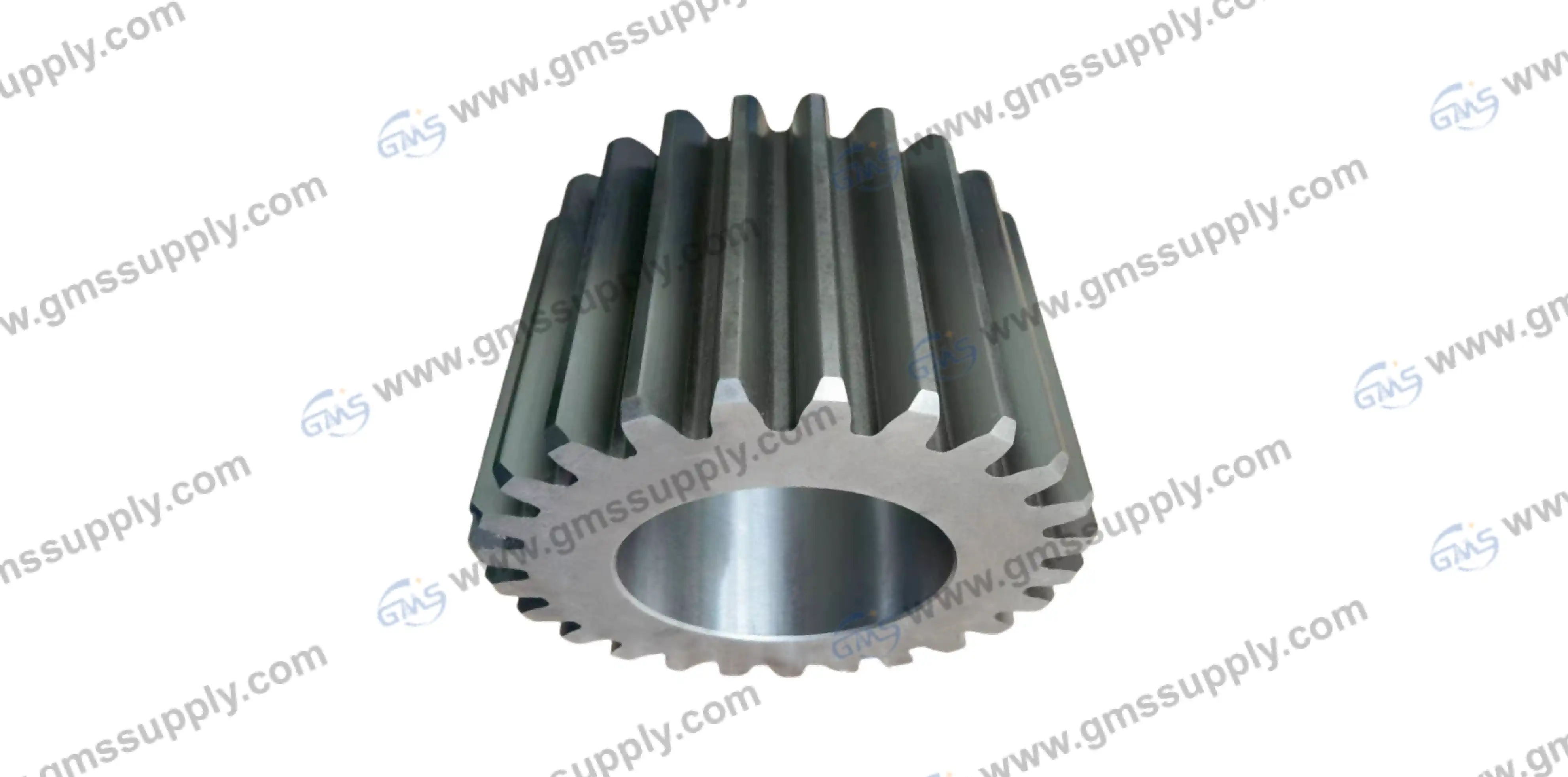
When drilling stops all of a sudden because of a problem with the top drive system, the 685-10-0 Gear Pinion is often found to be the problem. This carefully designed pinion fits into the bull gear to transfer power and manage rotational speed in Canrig top drive types such as the 8035, 8050, and 6027. This guide will explain the details of gear failures and give procurement managers tips they can use to make the 685-10-0 Gear Pinion lasts longer and reduce the times they need to be replaced.

Understanding the 685-10-0 Gear Pinion: Specifications and Operation Principles
In top drive systems, the 685-10-0 Gear Pinion is the main torque interface. It constantly connects with bigger bull gears to send controlled rotational force to drill strings. This part has to withstand a lot of mechanical stress during oil and gas drilling, so it had to be made with material stability and geometric accuracy in mind from the start. For high-quality pinions, metal steels that go through carburizing heat treatment methods are used, which makes the surface harder so it doesn't wear down, but the heart stays flexible so it can handle shock loads without breaking. When looking at replacement choices, knowing these basic metallurgical concepts can help buyers tell the difference between parts that just fit and ones that are designed to work reliably under oil drilling stress. This pinion has to stay within very close limits for many things, like the tooth shape, pitch width, and concentricity. Any small changes to these specs make the load spread unevenly across the gear mesh, which speeds up wear in certain areas and makes noise while the machine is running. For Canrig types that are compatible, the 25-tooth configuration gives the best mix between multiplying force and rotating speed. This 685-10-0 Gear Pinion in the top drive system changes the high-speed motor output into the slower, higher-torque spin that is needed for oil and gas drills to work well. The part has to deal with constant cyclic stress as the oil drilling settings change, as well as shock loads when the formation changes. By understanding these operating principles, buyers can make better decisions about where to get replacement parts and set realistic service interval expectations based on actual oil drilling conditions.
Common Causes of 685-10-0 Gear Pinion Failure
Pinion failures rarely happen without notice, but to find the real reasons, workers need to know how practical stresses, repair practices, and the quality of the 685-10-0 Gear Pinion interacts in oil and gas drillings. One of the most common reasons for failure is not enough grease. When the thickness of the lubricant film drops below certain levels, metal-to-metal contact starts adhesive wear processes that quickly take away the surface. This problem shows up as cutting marks on the sides of teeth and high working temperatures, and will be made worse by abrasive materials getting into the gear mesh from drilling fluids. Regular oil analysis and upkeep of the filtration system can find these issues before they become catastrophic. When rigs hit hard formations or work with pipe tongs, they cause sudden torque jumps that put a lot of stress on the tooth roots, which is where fatigue cracks start to form. Overload loops that happen over and over again damage the structure of the material. Installing pinions incorrectly shortens their life from the very beginning, as it can change its shape and even cause stress risers. When these things happen, they cause too much heat, speed up wear, and operating vibrations that hurt parts nearby. In oil and gas drilling settings, the 685-10-0 Gear Pinion is exposed to high and low temperatures, high and low humidity, and acidic substances that break down materials over time. Condensation inside gear housings causes rust to form on the tooth surfaces, which makes pits that act as stress concentration points. These effects can be lessened with proper sealing and corrosion-resistant coatings, but maintenance plans need to take the harshness of the oil drilling climate into account so that check rates are set correctly.
Practical Solutions to Prevent and Address Gear Pinion Failures
To increase the service life of the 685-10-0 Gear Pinions, it's necessary to use organized methods that take into account both how they are used in oil and gas drilling and how they are chosen. Choosing lubricants with the right viscosity grades for the temperature ranges where they will be used in oil drilling ensures that the film thickness is right during use. The same care should be taken with oil filtering systems as correctly sized filters remove rough particles before they move through gear teeth. Proactive inspection programs find wear and tear before they become functionally obsolete. Visual checks during regular maintenance times find surface cracking, scoring, or changes in the tooth shape that show faster wear. This lets workers plan replacements ahead of time, which avoids unexpected downtime and makes the best use of components in oil and gas drilling operations. The quality of the 685-10-0 Gear Pinion has a big effect on how reliable they are and how much they cost to own in oil and gas drilling. When making purchasing choices, weighing the original cost against the performance's longevity necessitates. Manufacturers who keep their ISO 9001 certification follow structured quality control practices that cover where they get their materials, how they make their products, and how they check them at the end. By working with suppliers who are informed and understand what an oil and gas drilling operation needs, you can form partnerships that help the operation succeed in the long run.
Procurement Guide: Buying 685-10-0 Gear Pinions for Your Business Needs
Optimizing 685-10-0 Gear Pinion procurement means finding the best balance between a number of factors, such as the quality of the parts, the skills of the seller, the pricing structure, and the dependability of delivery, in order to keep oil and gas drilling operations running smoothly and reduce the total cost of ownership. Quality control starts with choosing the right provider. Suppliers with ISO 9001 approval means that they have a set of structured quality management practices that cover selecting materials, manufacturing and inspecting. In addition to checking licenses, a supplier's manufacturing experience in the oil and gas drilling sector is also important to make sure they know the business needs and performance standards that are unique to this tough environment. The supply of parts has a direct effect on how oil and gas drilling operations are planned and how inventory is managed. When drilling contractors or companies keep stock on hand, they can quickly repair parts and cuts down on costly downtime. Businesses that run more than one oil drilling rig or plan long oil drilling campaigns can often get better prices through volume buy deals. The importance of a supplier's long-term relationship goes beyond the arrival of the first component. When working with 685-10-0 Gear Pinion providers who see customer satisfaction as an important part of their business, this helps improving drilling operations for contractors.
Conclusion
To fix 685-10-0 Gear Pinion problems, you need to know how the different factors that affect how long a part lasts are linked. These factors include the quality of the materials, how precisely they are made, how they are installed, and how often they are maintained in oil and gas drilling operations. When procurement workers and support teams understand these connections, they can set up systematic ways to greatly increase service life and lower unexpected downtime. The basis is choosing high-quality parts from dependable sources. For best performance over the entire operating life cycle in oil drilling, make sure the parts are installed correctly, lubrication programs work well, and proactive inspection procedures are followed. Quality 685-10-0 Gear Pinion from well-known suppliers usually offers better value than cheaper ones that need to be replaced more often and cause problems with oil and gas drilling operations.
FAQ
1. What causes premature wear on pinion teeth?
Tooth wear usually happens too soon because the gear mesh isn't lined up properly, the oil is dirty and abrasive particles get into it, or the teeth aren't properly lubricated, and the load isn't distributed evenly across all of their sides.
2. How often should pinions be inspected?
How often you inspect relies on how hard the job is and how much you use the tools. Visual checks every month and thorough inspections every three months, which include vibration analysis, are good for operations that are always working with heavy loads.
3. Can pinions be repaired, or must they be replaced?
When they get worn out a lot, gear pinions usually need to be replaced instead of being fixed. Minor surface cleaning may get rid of contamination problems, but if there is significant tooth wear, pitting, or cracking, the whole thing needs to be replaced to make sure it works properly and keeps other parts from getting damaged.
Partner with GMS for Reliable 685-10-0 Gear Pinion Solutions
GMS Supply is ready to be your reliable source for high-quality 685-10-0 Gear Pinion parts that are designed to work well in tough top drive systems. Our 685-10-0 Gear Pinion works just as reliably as the original parts, and our ISO 9001 certification makes sure that the quality of every unit we sell is the same. We have been serving oil and gas drilling operations around the world for more than ten years and keep a large collection so that we can meet your needs quickly. Our team is available to help you with your application questions and buying needs. Get in touch with us at sales@gmssupply.com to talk about your specific needs and find out how working with an expert gear pinion provider can help you improve your repair plans and the efficiency of your operations.
References
1. American Gear Manufacturers Association. "Gear Nomenclature, Definitions of Terms with Symbols." AGMA Standard 1012-G05, 2005.
2. Dudley, Darle W. "Handbook of Practical Gear Design and Manufacture." CRC Press, 2nd Edition, 2012.
3. International Organization for Standardization. "Calculation of Load Capacity of Spur and Helical Gears." ISO 6336 Standard Series, 2019.
4. Shipley, E. E. "Gear Failures: How to Recognize Them, What Causes Them, How to Avoid Them." Machine Design Magazine, Technical Reference Series, 1984.
5. Townsend, Dennis P. "Dudley's Gear Handbook: The Design, Manufacture, and Application of Gears." McGraw-Hill Professional, 2nd Edition, 1991.
6. Winter, H. and Weiss, T. "Influences on Gear Failures and Modern Methods of Prevention." International Conference on Gears Proceedings, VDI-Berichte, Munich, 1996.
Learn about our latest products and discounts through SMS or email