- English
- French
- German
- Portuguese
- Spanish
- Russian
- Japanese
- Korean
- Arabic
- Greek
- German
- Turkish
- Italian
- Danish
- Romanian
- Indonesian
- Czech
- Afrikaans
- Swedish
- Polish
- Basque
- Catalan
- Esperanto
- Hindi
- Lao
- Albanian
- Amharic
- Armenian
- Azerbaijani
- Belarusian
- Bengali
- Bosnian
- Bulgarian
- Cebuano
- Chichewa
- Corsican
- Croatian
- Dutch
- Estonian
- Filipino
- Finnish
- Frisian
- Galician
- Georgian
- Gujarati
- Haitian
- Hausa
- Hawaiian
- Hebrew
- Hmong
- Hungarian
- Icelandic
- Igbo
- Javanese
- Kannada
- Kazakh
- Khmer
- Kurdish
- Kyrgyz
- Latin
- Latvian
- Lithuanian
- Luxembou..
- Macedonian
- Malagasy
- Malay
- Malayalam
- Maltese
- Maori
- Marathi
- Mongolian
- Burmese
- Nepali
- Norwegian
- Pashto
- Persian
- Punjabi
- Serbian
- Sesotho
- Sinhala
- Slovak
- Slovenian
- Somali
- Samoan
- Scots Gaelic
- Shona
- Sindhi
- Sundanese
- Swahili
- Tajik
- Tamil
- Telugu
- Thai
- Ukrainian
- Urdu
- Uzbek
- Vietnamese
- Welsh
- Xhosa
- Yiddish
- Yoruba
- Zulu
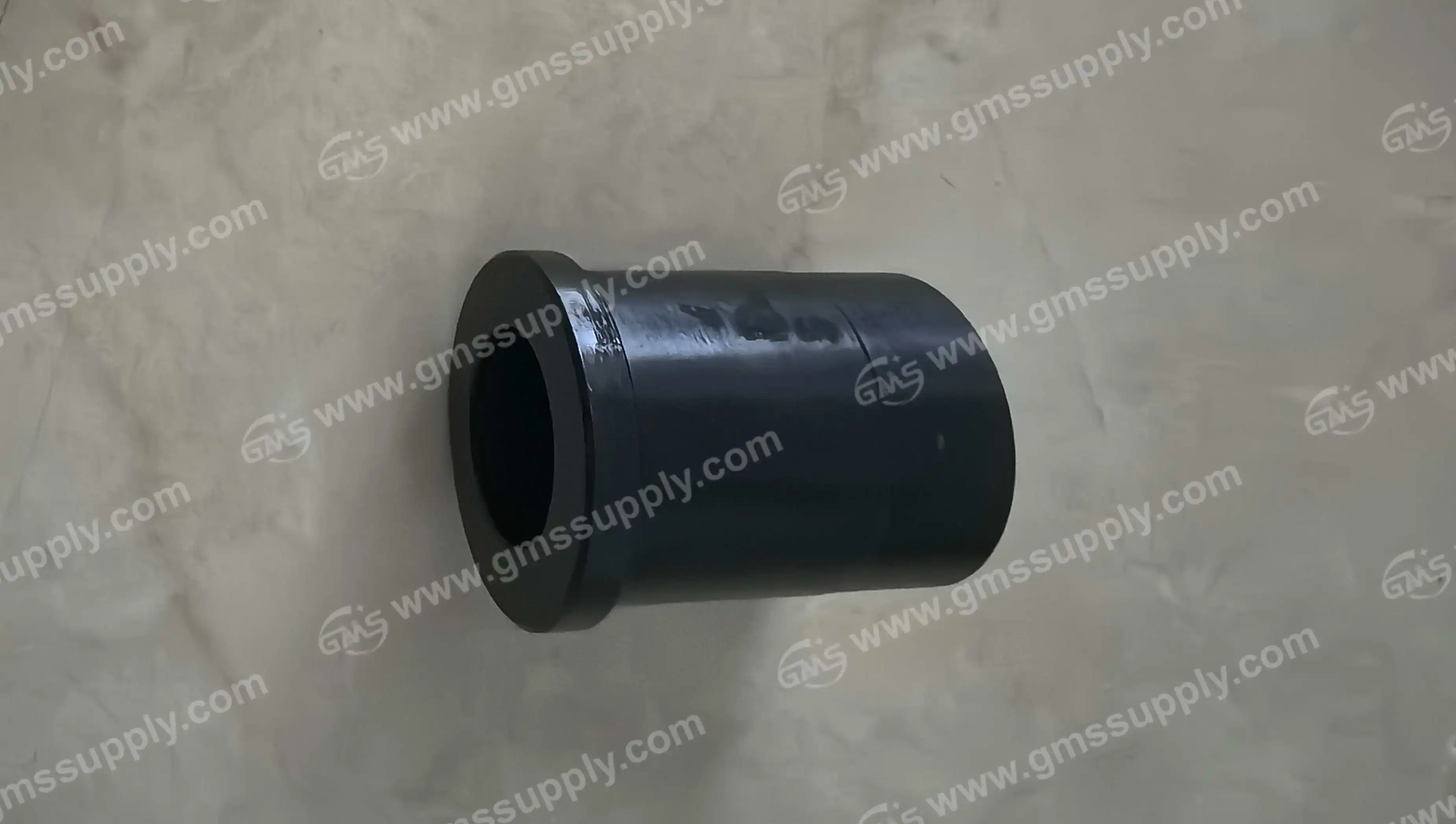
914-12-0 Guide Bushing Rotary Manifold: Fixing Runout and Leakage
914-12-0 guide bushing rotary manifold is a precision-machined hydraulic interface component for TDS top drive systems used in oil and gas drilling applications. This item is particularly designed for Canrig Top Drive models 8050, 8035, and 6027AC and tackles two of the most persistent operating difficulties in rotary assemblies: shaft runout and fluid leakage. If either problem is not addressed, the results include rapid seal wear, pressure loss, and unscheduled downtime. This article covers what causes these difficulties, how this component fixes them, and what procurement teams need to know before buying.
Understanding Runout and Leakage in Guide Bushing Rotary Manifolds
The most typical types of breakage that a rotary manifold assembly may suffer are runout and leakage. By naming them one by one, you are able to recognize them early and take the correct measures.
Runout is the distance between the true axis and a spinning shaft in a circle. A difference of just 0.01 mm may, by itself, create micro-vibrations that stress the seals and bearing surfaces nearby. That vibration eventually wears the guide bushing bore and creates uneven wear patterns. That causes the shaft to wobble slightly as it revolves, wearing the seal out a little more with each revolution.
Leaks, however, tend to start at the contact with the dynamic seal. “Over time, the guide bushing wears and becomes less round, so the shaft can’t keep the same amount of pressure on the seal lip. The fluid then passes from one passage to another without passing through the lid. This cross port loss disrupts the equilibrium of hydraulic pressure in a top drive application. This makes the control sluggish, the fluid overly heated, and the system eventually fails.
Some of the most frequent causes include unclean hydraulic fluid, insufficient filtering (typically ISO 4406 cleanliness levels below 18/16/13 are used as a cutoff), improper fitting force, or operating the system above or below its rated temperature or pressure limitations. The first thing that has to be done to prepare adequately for care is to uncover these causes as soon as feasible.
How the 914-12-0 Guide Bushing Rotary Manifold Fixes These Problems
That is because the 914-12-0 rotating manifold is composed of the proper materials and the right dimensions. It helps to prevent runout and leaks.
The body of the 914-12-0 guide bushing rotary manifold is manufactured from a robust metal. The interior of the hole is finished with Ra 0.2-0.4 m . This surface precision maintains the geometry of the contact closely with dynamic seals even under severe radial stresses. Thus lowering the risk of fluid leakage. These parts are usable at temperatures ranging from -40°C to +125°C . That implies it can be utilized in a number of different tough drilling settings.
Technologically, this portion provides you with the following:
- Tight concentricity tolerances: The guide bushing maintains concentricity to within 0.005 mm, eliminating eccentric shaft movement, which prematurely damages seals and causes pressure loss in multi-passage hydraulic circuits.
- Integrated lubrication geometry: Internal lubrication grooves spread hydraulic fluid throughout the bearing surface during rotation, minimizing dry contact zones and the stick-slip behavior that causes rapid load spikes at low rotational speeds.
- Pressure-specified Construction: Each item is proof pressure tested to 1.5x the specified operating pressure (approx. 525 Bar) before leaving the manufacturing site to ensure zero body porosity.
- The guide bushing maintains concentricity within 0.005 mm. This prevents eccentric shaft movement that breaks seals too soon and reduces the pressure in hydraulic circuits with several passages. “Integrated lubrication geometry” refers to grooves inside the bearing that move hydraulic fluid over the surface as it rotates. This eliminates dry contact areas and the stick-slip effect, which causes rapid load increases at low speeds.- Rugged construction: Each unit is subjected to a proof pressure test of 1.5 times the specified operating pressure, or around 525 Bar, for zero body porosity before leaving the factory.
Maintenance and Troubleshooting Tips for Optimal Operation
The first thing you can do to prolong the life of your 914-12-0 guide bushing rotary manifold assembly is to examine it regularly. Standard hydraulic maintenance calls for a replacement seal kit or nut for this kind of part after every 3,000 to 5,000 hours of usage. “If you keep it above that level while drilling, bad things won’t happen.”
Look for these indications early on:
- Hydraulic fluid leaking from the swivel weep hole – You have a dynamic seal that has lost its seating pressure, most likely due to bushing wear or shaft scoring.
- Sluggish or erratic top drive reaction – Internal bypass leakage will cause sluggish reaction of hydraulic actuators before the issue is obvious externally due to pressure decrease
- High hydraulic oil temperature – Fluid that cycles internally via worn seal lands creates heat. A continuing increase in temperature with no change in environmental circumstances is a good diagnostic sign.
- Visible shaft runout at low speed – If you see any wobbling while the shaft is turning at low speed, the bore of the guide bushing has worn beyond the allowable limits of concentricity.
This indicates a failure of the dynamic seal's seating pressure, typically caused by worn bushings or a scored shaft. Fluid is flowing from the swivel weep hole.
Procurement Guide: Selecting the Right Rotary Manifold for Your Top Drive
When you purchase parts like this one, the options you have are more important than the price per unit. Breaking parts fast saves you money initially, but it costs a lot more to rectify, shut down, and replace. These are some things you should be sure of before you buy:
- OEM reference number compatibility: Make sure the part number corresponds to the assembly picture for your particular top drive model. 914-12-0 is approved for Canrig Top Drive 8050, 8035, and 6027AC.
- Manufacturing certification: ISO 9001:2015 certification means the supplier has documented quality control throughout the manufacturing process, from raw material inspection to final pressure testing.
- Lead time and stock status: Lead time is a realistic restriction for active drilling operations. Items we have in stock may be delivered within two weeks, reducing the chance of long periods of downtime.
- After-sales support: Ensure that your provider can supply you with technical documentation, advise you on the correct seal kits, and respond quickly to difficulties after installation is complete.
- Compatible with OEM part numbers: Make sure that the part number matches the assembly image for the kind of top drive you have. The 914-12-0 is compatible with Canrig Top Drive models 8050, 8035, and 6027AC.
Conclusion
The 914-12-0 guide bushing rotary manifold plays an important role in maintaining hydraulic stability and reducing wear in Canrig Top Drive models 8050, 8035, and 6027AC. By maintaining shaft alignment, supporting consistent seal contact, and minimizing internal leakage, it helps reduce the risk of pressure loss, excessive oil temperature, and unplanned drilling downtime. Regular inspections, proper hydraulic fluid filtration, and timely bushing and seal replacement are essential to extending service life and maintaining reliable operation.
For procurement teams, confirming OEM part number compatibility, seal material requirements, quality documentation, and delivery lead times is just as important as comparing prices.
FAQ
1. What is the expected service life of this manifold?
Under standard hydraulic maintenance (ISO 4406 cleanliness level 18/16/13), the component typically lasts between 3,000 and 5,000 operational hours before bushing or seal kit replacement is needed.
2. Can it handle water-glycol hydraulic fluids?
Yes, but this must be specified at the time of order. Standard NBR seals are not compatible with glycol-based fluids. Viton (FKM) or EPR seal materials are required and must be selected before shipment.
3. What causes internal bypass leakage in this type of manifold?
The most common cause is fluid contamination. Metal particles score the guide bore and rotating shaft, creating channels that allow fluid to bypass the seals. Maintaining proper filtration levels prevents this from occurring.
4. How do I know when the component needs replacement?
Key symptoms include hydraulic fluid weeping from the swivel weep hole, sluggish top drive response, drifting actuators, and elevated oil temperature without a clear external cause.
5. Does the 914-12-0 require external greasing?
Most variants are lubricated directly by the hydraulic fluid passing through the assembly. However, some configurations include an external Zerk fitting for a secondary grease barrier. Always verify against the applicable assembly drawing.
Get the 914-12-0 Guide Bushing Rotary Manifold from GMS — Request a Quote Today
As long as the 914-12-0 guide bushing rotary manifold is maintained to ISO 4406 cleanliness level 18/16/13, the bushing or seal kit should last between 3,000 and 5,000 hours of use before it needs to be replaced. You can email our team at sales@gmssupply.com to get a price quote or talk about your needs.
References
1. Hydraulic Institute. Hydraulic System Fluid Cleanliness Standards and Maintenance Guidelines. 2021.
2. Society of Tribologists and Lubrication Engineers (STLE). Tribology Transactions: Bushing Wear and Seal Degradation in Rotary Assemblies. 2020.
3. National Fluid Power Association (NFPA). Rotary Union and Manifold Design Standards for High-Pressure Applications. 2019.
4. International Organization for Standardization. ISO 4406: Hydraulic Fluid Power — Method for Coding the Level of Contamination by Solid Particles. 2021.
5. American Petroleum Institute (API). API Specification 7K: Drilling Equipment — Top Drive Systems and Rotary Components. 2020.
6. Society of Petroleum Engineers (SPE). Journal of Petroleum Technology: Component Wear Mechanisms in Top Drive Hydraulic Systems. 2022.
_1755762707676.webp)
Learn about our latest products and discounts through SMS or email