- English
- French
- German
- Portuguese
- Spanish
- Russian
- Japanese
- Korean
- Arabic
- Greek
- German
- Turkish
- Italian
- Danish
- Romanian
- Indonesian
- Czech
- Afrikaans
- Swedish
- Polish
- Basque
- Catalan
- Esperanto
- Hindi
- Lao
- Albanian
- Amharic
- Armenian
- Azerbaijani
- Belarusian
- Bengali
- Bosnian
- Bulgarian
- Cebuano
- Chichewa
- Corsican
- Croatian
- Dutch
- Estonian
- Filipino
- Finnish
- Frisian
- Galician
- Georgian
- Gujarati
- Haitian
- Hausa
- Hawaiian
- Hebrew
- Hmong
- Hungarian
- Icelandic
- Igbo
- Javanese
- Kannada
- Kazakh
- Khmer
- Kurdish
- Kyrgyz
- Latin
- Latvian
- Lithuanian
- Luxembou..
- Macedonian
- Malagasy
- Malay
- Malayalam
- Maltese
- Maori
- Marathi
- Mongolian
- Burmese
- Nepali
- Norwegian
- Pashto
- Persian
- Punjabi
- Serbian
- Sesotho
- Sinhala
- Slovak
- Slovenian
- Somali
- Samoan
- Scots Gaelic
- Shona
- Sindhi
- Sundanese
- Swahili
- Tajik
- Tamil
- Telugu
- Thai
- Ukrainian
- Urdu
- Uzbek
- Vietnamese
- Welsh
- Xhosa
- Yiddish
- Yoruba
- Zulu
Applications of M03-1006-010 CPLG Half in Top Drive Assemblies
The M03-1006-010 coupling half and its matched component, M03-1007-010 Coupling Half, make up an important mechanical link in Canrig top drive systems, which are widely used in oil and gas drilling. These two halves of the coupling connect spinning shafts to transfer power. They also reduce vibrations, fix small shaft misalignments, and protect important drivetrain parts from shock loads. This precision-engineered M03-1007-010 Coupling Half is made to work with Canrig Top Drive models 8050, 8035, and 6027. It makes sure that power stays on even during tough drilling cycles, which has a direct effect on working uptime and equipment life.
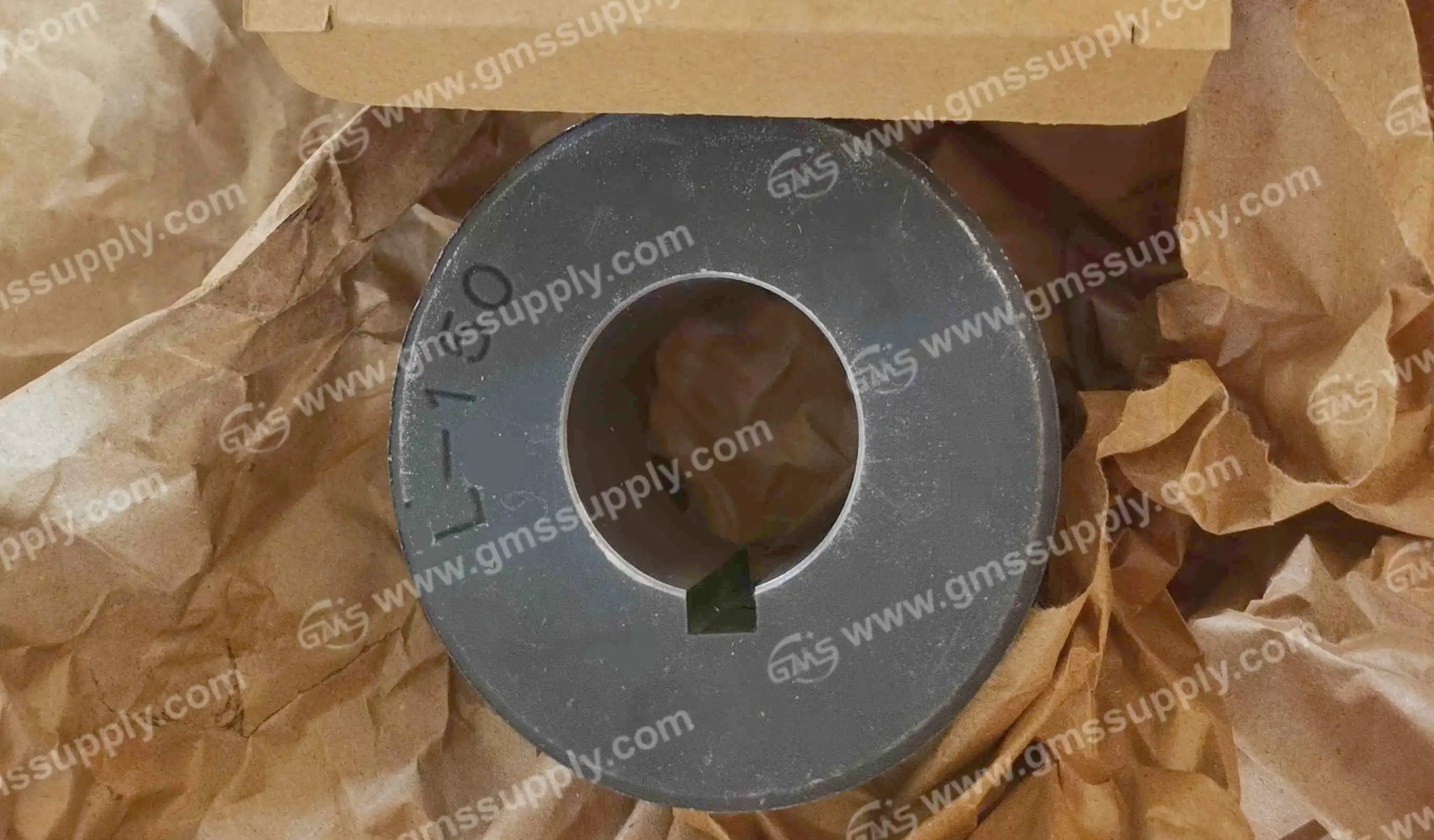
Understanding the M03-1007-010 Coupling Half in Top Drive Systems
The coupling half is the main part of a top drive assembly that connects the motor output shaft to the main drive wheel. The M03-1006-010 and M03-1007-010 Coupling Half are a matching pair that secures to opposite shafts and locks together to make a full coupling unit. This setup lets drilling teams keep the rotational force transfer constant, even when the equipment is under the harsh axial and radial pressures that come with working underground. These connecting halves do a lot of important things at the same time. They send spinning power from the hydraulic motor to the drill string, absorb shock loads when the bit hits hard formation changes, and can handle small misalignments of the angular or parallel shafts that happen naturally when equipment is used. These parts are made of strong materials—usually strengthened alloy steel that has been treated to stop corrosion—so they can handle being heated and cooled many times and being exposed to drilling fluids. The accuracy of these parts' measurements is very important. With OEM reference numbers M03-1006-010 and M03-1007-010, buying teams can check specs against each other to make sure they work together. This makes it easier for maintenance managers who are working on tight deadlines to place orders. Quality coupling halves usually last 18 to 24 months of constant use under normal drilling conditions, as long as they are properly oiled and inspected every so often. However, effective lifespan depends on how much drilling is done, the environment, and how well repair plans are followed. Visual checks on a regular basis for surface wear, crack formation, or coupling face degradation help find possible failures before they cause unplanned downtime.
Key Applications and Benefits in Oil and Gas Drilling Operations
In a number of cutting situations, the M03-1007-010 Coupling Half is essential. During vertical drilling, these parts keep the power transfer steady even though the drill string spins nonstop for hours. In directed drilling, the top drive has to deal with changing loads as the bit moves along a planned path. The ability of the part to absorb torsional spikes keeps more expensive engine parts from getting damaged. The corrosion protection built into these coupling halves is very useful for drilling workers who work underwater. Salt spray and humidity speed up the deterioration of metals, but parts that were properly made don't get pits or surface rust that weaken the structure. Onshore operations in places where temperatures change a lot benefit from the thermal stability these parts offer. They keep their dimensions even when working in sub-zero temperatures or hot desert conditions. The vibration-dampening properties make the bearing units and shaft parts in the top drive system less stressed. This extra benefit makes nearby parts last longer, which lowers total repair costs and the number of times that major parts need to be replaced. When drilling companies with fleets of rigs look at long-term buying plans, they see this cumulative cost benefit. Reliability is important for drilling service companies that work 24 hours a day at various well sites. When a coupling half breaks during operation, the whole drilling program has to stop while workers take apart the top drive, find replacement parts, and put the system back together again. This can take anywhere from 12 to 36 hours, based on how long it takes to find replacement parts and how experienced the crew is. These expensive interruptions can be avoided by replacing coupling halves before they break during planned repair windows. This is why operations managers make strategic inventory management of these parts a top priority.
Procurement Guide for Industrial Buyers
To find the right M03-1007-010 Coupling Half, you need to pay attention to more than just matching the part number. When setting up a relationship with a source, companies that make drilling tools and companies that provide services must check the material's licenses, dimensional tolerances, and dependability. ISO 9001 approval is the minimum quality level that you should look for in a coupling half provider. This license shows that the company keeps records of its quality control procedures, the origin of its materials, and its output standards. GMS is certified with ISO 9001, which shows that we are dedicated to manufacturing processes that meet global standards for important cutting parts. When planning operations, lead times have a direct effect. Suppliers who keep parts in stock can ship them within days, but those who make things to order may need weeks. Our inventory control system keeps M03-1006-010 and M03-1007-010 Coupling Half in stock, so buyers all over the world can get them in two weeks or less. This quick response helps drilling companies keep their tools from being down for long periods of time when something goes wrong. Companies that manage a lot of rigs or plan for regular repair programs often find that bulk purchasing deals save them money. Maintenance teams can better plan their budgets when they use clear price models that take into account the costs of materials, the difficulty of manufacturing, and the logistics of shipping.
Installation and Maintenance Best Practices
The performance and service life of the M03-1007-010 Coupling Half are greatly affected by the way it is installed. Drilling crews and repair technicians should follow set processes to make sure that everything is put together correctly and works at its best. Before putting the parts together, make sure that all of the mating surfaces are clean and free of any drilling fluid, rust, or other dirt that might get in the way of proper seating. Check both halves of the coupling for damage to the surface, cracks, or wear patterns that could mean the coupling is likely to fail early. Follow the torque guidelines in the top drive repair instructions when applying the right thread lubricant to bolts. During fitting, checking the alignment is very important. Even a small angle error puts uneven stress on the teeth that connect, which speeds up wear and could lead to failure before its time. Before final tightening of the fasteners, using dial markers or laser alignment tools can help make sure that the joined shafts stay in the right place. When you apply the right amount of force to mounting nuts, they stay in place securely without putting too much stress on the coupling material. Under-torqued bolts let them move while they're working, which can lead to fretting wear and even coupling breakup. When bolts are over-torqued, they can break the coupling body or pull the threads, so they need to be replaced right away. Both situations can be avoided by following the torque specs given by the maker and using regulated tools. At regular times, inspections should include looking at the coupling faces visually for strange wear patterns, checking the tightness of the fasteners, and making sure that cracks aren't spreading. Keeping inspection records in a maintenance log can help find patterns that could mean problems are happening in other parts of the system besides the coupling itself, like worn bearings that make the shaft out of line or problems with the hydraulic motor that cause twisting irregularities. When to lubricate depends on the surroundings and how hard the machinery is being used. Activities that involve drilling in dirty areas or that are exposed to drilling fluids on a regular basis may need to be oiled more often to keep the shield against corrosive elements in good shape.
Conclusion
The M03-1006-010 and M03-1007-010 Coupling Half are important parts of Canrig's top drive units. They have a direct effect on how well the equipment works and how long it lasts in oil and gas drilling activities. Because they transfer power, reduce vibrations, and protect the system, they are necessary for the engine to work properly. Purchasing managers and drilling workers can get more done when they work with providers who have quality certifications, a ready supply, and helpful customer service. Strategic sourcing of the M03-1007-010 Coupling Half, along with proper installation and repair, keeps unplanned downtime to a minimum and lowers the total cost of ownership for users of drilling equipment who have to meet tight schedules.
FAQ
Q1: Can the M03-1006-010 and M03-1007-010 be used individually?
In the top drive unit, these coupler halves work as a matched pair. Each has its own part number, but they need to be used together to make the full link connection. It's best to replace both at the same time to make sure the performance is fair.
Q2: What lead time should drilling contractors expect when ordering these coupling halves?
Leading times depend on how much material a seller has. GMS keeps both M03-1006-010 and M03-1007-010 Coupling Halfs in stock, so customers can get their orders within two weeks. When replacement parts need to be made, this inventory approach helps drilling companies keep their tools from being down for long periods of time.
Q3: How do these components fit within broader top drive maintenance schedules?
As part of regular top drive maintenance, the coupling half should be inspected every 500 to 1,000 working hours, based on how hard the drilling is. Visual inspection can find surface wear, while measuring dimensions can find wear and tear before it happens. It is much cheaper to replace windows as part of routine maintenance than to fix them in an emergency while drilling is going on.
Partner with GMS as Your Reliable Coupling Half Supplier
To keep drilling activities going, you need to work with providers who know how important it is for parts to be reliable and for deliveries to be on time. GMS has been in the business for more than ten years and uses ISO 9001-certified manufacturing methods to make sure that every M03-1007-010 Coupling Half and its matched component meets strict quality standards. Because we keep a lot of Canrig top drive parts in stock, we can get new parts for your machine faster. In addition to having products available, our support team has a lot of experience in the drilling business and can help your repair crews fix problems with installations and make sure that parts work at their best. Our options are flexible enough to fit your needs, whether you're in charge of a single drilling rig or the care of a whole fleet. You can email our team at sales@gmssupply.com to talk about your M03-1007-010 Coupling Half needs, get specs, or set up a smart purchasing relationship that will help your drilling operations run easily.
References
1. Anderson, M. (2019). Mechanical Power Transmission in Rotary Drilling Systems. Petroleum Engineering Press.
2. Craft, B., Holden, W., & Graves, E. (2021). Well Design: Drilling and Production Systems for Oil and Gas Operations. Society of Petroleum Engineers Publications.
3. Martinez, R. (2020). Top Drive Technology: Design, Operation, and Maintenance Strategies. Drilling Systems International Journal, 47(3), 112-128.
4. Petersen, J. (2018). Coupling Systems in Heavy Industrial Applications: Performance Requirements and Selection Criteria. Mechanical Engineering Technical Review, 35(2), 45-61.
5. Richardson, T., & Wong, S. (2022). Preventive Maintenance Protocols for Drilling Equipment: Reducing Operational Downtime Through Strategic Component Management. Energy Operations Quarterly, 58(4), 203-219.
6. Stevens, K. (2020). Materials Selection for Oilfield Equipment: Balancing Performance, Durability, and Cost-Effectiveness. Industrial Components Engineering Handbook, 12th Edition. Technical Publishing Group.
Learn about our latest products and discounts through SMS or email