- English
- French
- German
- Portuguese
- Spanish
- Russian
- Japanese
- Korean
- Arabic
- Greek
- German
- Turkish
- Italian
- Danish
- Romanian
- Indonesian
- Czech
- Afrikaans
- Swedish
- Polish
- Basque
- Catalan
- Esperanto
- Hindi
- Lao
- Albanian
- Amharic
- Armenian
- Azerbaijani
- Belarusian
- Bengali
- Bosnian
- Bulgarian
- Cebuano
- Chichewa
- Corsican
- Croatian
- Dutch
- Estonian
- Filipino
- Finnish
- Frisian
- Galician
- Georgian
- Gujarati
- Haitian
- Hausa
- Hawaiian
- Hebrew
- Hmong
- Hungarian
- Icelandic
- Igbo
- Javanese
- Kannada
- Kazakh
- Khmer
- Kurdish
- Kyrgyz
- Latin
- Latvian
- Lithuanian
- Luxembou..
- Macedonian
- Malagasy
- Malay
- Malayalam
- Maltese
- Maori
- Marathi
- Mongolian
- Burmese
- Nepali
- Norwegian
- Pashto
- Persian
- Punjabi
- Serbian
- Sesotho
- Sinhala
- Slovak
- Slovenian
- Somali
- Samoan
- Scots Gaelic
- Shona
- Sindhi
- Sundanese
- Swahili
- Tajik
- Tamil
- Telugu
- Thai
- Ukrainian
- Urdu
- Uzbek
- Vietnamese
- Welsh
- Xhosa
- Yiddish
- Yoruba
- Zulu
Bearing Isolator 30173521: Best Solutions for Seal Protection
When heavy-duty top drive drilling equipment is used in tough situations, it is very important to protect the important bearing systems. The Bearing Isolator 30173521 is a big step forward in non-contact sealing solutions, as it was designed to keep out contaminants while keeping the lubricating integrity of spinning equipment. This seal protection option solves the problems that maintenance teams in oil and gas drilling operations keep having. Even small seal failures can cause expensive downtime and mess up working schedules, and traditional contact seals wear down over time due to friction. This Bearing Isolator 30173521, on the other hand, ensures long-term reliability without affecting the shaft's structure or needing to be replaced often.
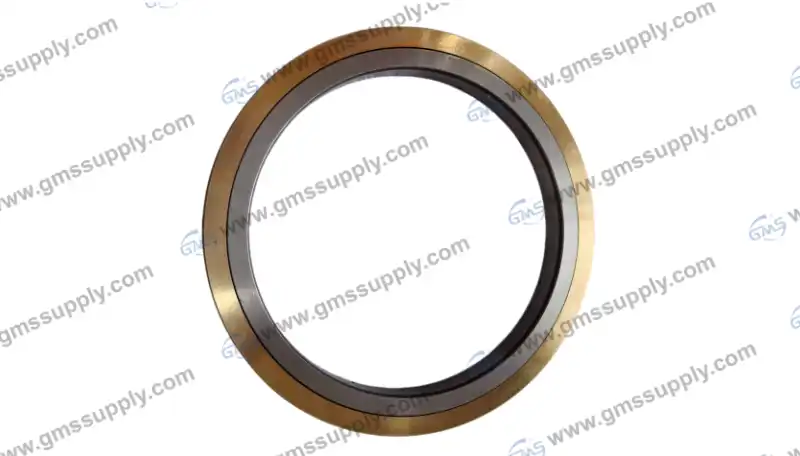
Understanding Bearing Isolator 30173521: Specifications and Working Principles
The engineering that went into making this Bearing Isolator 30173521 shows how far industrial sealing technology has come over the years. At its heart, the unit works with a carefully machined rotor-stator arrangement that blocks outside contaminants in multiple ways while letting the pressure inside the unit equalize. While the equipment is running, the rotor part stays attached to the spinning shaft, and the stator part stays fixed to the case, which keeps the non-contact gap constant. The choice of material is also very important for functional life. The main body parts of most designs are made of corrosion-resistant stainless steel or high-grade bronze, which can handle the rough conditions that are common in oil and gas drilling, where drilling fluids, temperature changes, and abrasive particles would quickly wear down other closing methods. This Bearing Isolator 30173521 is suitable for many top drive applications, such as the TDS-11SA and TDS-9SA models, where shaft speeds change a lot during different operational phases. Another important specification is temperature resistance. The device keeps the seal intact at ranges between -40°C and +150°C, which is suitable for the temperature changes that happen during oil and gas drilling operations. This thermal stability comes from paying close attention to how different parts expand at different rates, which makes sure that the non-contact gap doesn't close too much when heat expands or too much when cooling occurs.
Comparing Seal Technologies: Why Modern Isolators Outperform Traditional Solutions
Even though traditional bearings are cheaper at first, they constantly rub against the shaft surfaces, which creates heat, wears down the shaft slowly, and eventually breaks down the seal. For each components change, the top drive system has to be turned off, taken apart, and carefully put back together again, thus take up valuable maintenance time and create the chance of installing parts incorrectly or damaging other parts. When drilling fluid mist or small particles build up in the inner areas, the seal stops keeping out contaminants, and they can eventually reach the bearing surfaces. The big improvement that modern Bearings Isolator 30173521 bring is that they get rid of contaminants actively and don't wear out, and the draining system keeps the maze path clear so that debris doesn't build up and make the safety less effective. This ability to clean itself is especially useful in oil and gas drilling, where drill bits, cement dust, and fluid droplets in the air make the working environment difficult. When these isolators are used in equipment, bearing service intervals often go over 15,000 hours, which is almost four times as long as the average lifespan for contact seals, which means that the equipment will need less upkeep and fewer parts over its working life. Cost research shows that these differences in performance lead to real economic benefits. The initial cost of the Bearing Isolator 30173521 may be higher than basic seal choices, but the longer service intervals, no need for shaft repairs, and lower work needs make it a good investment. The switch is worth it just to avoid emergency seal failures, since unexpected downtime in key oil and gas drilling operations costs a lot more than the price difference between seal technologies.
Installation, Maintenance, and Troubleshooting Guide for Bearing Isolator 30173521
Installing the Bearing Isolator 30173521 correctly sets the stage for getting the expected service life from it. The first step is to carefully check the fastening areas. The shaft journal and housing bore both need to be within certain limits, and the shaft surface needs to be smooth and free of any scoring or rust, and the housing bore needs to be perfectly centered on the bearing axis. Installation continues, workers should pay close attention to how the parts are arranged. For the rotor assembly to fit onto the shaft, there needs to be a light interference fit that can be fixed by either letting the part expand over time or using the right fitting sleeve that spreads the press force out equally. O-ring seals that are greased with a suitable grease make sure that the static charge is properly sealed without rolling or bending during assembly. After installation, a physical spin check makes sure that the rotor and stator parts don't touch. Any rubbing noise or resistance means that the parts aren't lined up correctly, which needs to be fixed before the equipment starts up. Maintenance needs are still low compared to older seal technologies, but regular checks make sure they keep working right. During routine maintenance, a visual check is done to see if there is any damage, corrosion, or buildup of waste around the drainage holes. Analysis of bearing lubrication gives early notice of seal compromise—any rise in contamination levels or moisture content in bearing oil samples suggests checking the state of the seals before damage to the bearings happens. Most of the time, oil leaks from the seal area mean that the static seal is breaking down instead of the isolator failing.
Procurement Insights: Where and How to Source Quality Bearing Isolators
To find the right Bearing Isolator 30173521 for important oil and gas drilling projects, you need to think about more than just matching the part numbers. Knowing about these things to think about when buying things helps the repair and purchasing teams get reliable parts and keep stocking costs low. There are a lot of products on the market for industrial parts that may look the same, but aren't made with the accuracy and quality of materials that are needed for solid performance. The part number 30173521 specifically matches setups that work with TDS-11 and TDS-9SA top drive types. Quality assurance approval gives you the trust you need to know that a part will work. If a supplier has ISO 9001 approval, it means they have well-documented quality control systems that cover the whole manufacturing process, including how to track materials and do final inspections. Every Bearing Isolator 30173521 we sell at GMS is backed by our ISO 9001 certification, which makes sure that every unit meets international quality standards before it gets to you. Lead time have a direct effect on planning upkeep, cause when an emergency seal fails, parts need to be replaced quickly to keep downtime to a minimum. We've been in the oil and gas drilling business for ten years and have kept a smart store of high-turnover parts like bearing isolators, centrifugal pump parts, and top drive spare parts. With this method of inventory, the parts you need are always in stock and don't have to wait for long production lead times, which can make repair downtime last from days to weeks. Different suppliers have very different ways of setting prices. A lot of the time, volume buy deals lead to big price cuts per unit, which makes it affordable to keep spare parts for important parts on hand. Suppliers who give support and application advice add value and can help you avoid mistakes that cost a lot of money, like misapplication or installation. Maintenance teams can get things done successfully with the help of detailed installation directions.
Why Bearing Isolator 30173521 Represents the Optimal Choice for Industrial Protection
There are many benefits to use the Bearing Isolator 30173521 that solve the main problems with older methods of closing in tough industrial settings. The biggest benefit is that these devices keep dust, moisture, and process fluids out of bearing spaces, which keeps the oil quality high and stops the abrasive wear that shortens bearing life. Equipment with good bearing isolators has three to four times longer bearing repair intervals than similar equipment with regular seals, and cutting down on maintenance costs goes beyond how often parts need to be replaced. Improving operational dependability is especially important in oil and gas drilling, where the cost of the job depends on how well the equipment works. Every hour of unplanned downtime in drilling activities costs money for both fix labor and parts, and the much bigger loss of work that could have been done on the rig. By greatly lowering the number of failures caused by seals, bearing isolators make a real difference in the total equipment efficiency metrics that operations managers care about the most. Today's oil and gas drilling operations are being closely watched for how they affect the environment, which means that technologies that stop oil leaks and cut down on upkeep waste are good for both the operations and the government. Investing in quality Bearing Isolator 30173521 now will ensure that the equipment will continue to work well for a long time, which will support long-term asset management strategies that give companies in industries that need a lot of capital a competitive edge.
Conclusion
The Bearing Isolator 30173521 has completely changed how seals are protected in heavy industrial settings, leading to measurable changes in the dependability of equipment, the cost of upkeep, and the amount of time it can be used. This part uses tried-and-true non-contact closing methods that last longer and work better than older methods. To get the most out of this Bearing Isolator 30173521, make sure that the parts you buy are of good quality and come from approved sources. As oil and gas drilling, centrifugal pumping, and other important industrial processes need more and more dependability, switching from old sealing methods to modern bearing isolators is not just a small step forward; it's a big step forward in protecting equipment and managing its costs over its whole life.
FAQ
1. What advantages does the Bearing Isolator 30173521 offer over traditional lip seals?
Differences mostly come down to how they work and how long they last. Traditional lip seals stay in contact with the shaft surfaces, which causes friction that heats up and breaks down both the seal and the shaft over time. The Bearing Isolator 30173521 uses non-contact labyrinth technology, which gets rid of all friction and shaft wear while using rotational force to actively push out contaminants. This eliminates the need for shaft repairs and greatly reduces the frequency of maintenance.
2. How can I verify component authenticity when sourcing bearing isolators?
Dimensional and material proof are the first steps in authentication. Quality management systems are even more reliable when suppliers have qualifications like ISO approval. When you buy parts through GMS, you can be sure that you'll get genuine parts that meet the original specs because we have ISO 9001 certification and have been in the business for ten years.
3. What installation precautions prevent damage during assembly?
The most important condition is to only use installation force on the right parts of the component. Use a suitable grease to keep O-rings from rolling while they are being installed. After putting it together, make sure that the rotor and stator parts can rotate freely without touching each other before starting up the equipment.
Partner with GMS for Reliable Bearing Isolator Solutions
GMS has been helping oil and gas drilling businesses with quality Bearing Isolator 30173521 parts for more than ten years. We've built our name on providing high-quality products and quick service. Our bearing isolator collection has the parts that your equipment needs and is kept in stock so that they can be sent out right away when repairs need to be done quickly. As a seller of bearing isolators with ISO 9001 certification and a lot of experience, we know that buying things requires trust in both the product's accuracy and the supplier's dependability. Our method is flexible enough to fit your needs, whether you need a single substitute in an emergency or a lot of supplies for routine maintenance on your fleet. Contact our team at sales@gmssupply.com with the details of the Bearing Isolator 30173521 you need and when you need it delivered. We'll give you the technical advice and low prices that have made GMS a trusted partner for procurement and repair workers.
References
1. Machinery Lubrication Magazine, "Bearing Isolators: Non-Contact Sealing Technology for Rotating Equipment," Industrial Maintenance Publishing, 2022.
2. Smith, R.J., and Thompson, D.A., "Comparative Analysis of Bearing Seal Technologies in Harsh Operating Environments," Journal of Industrial Engineering Research, Vol. 48, No. 3, 2021.
3. American Petroleum Institute, "Recommended Practices for Bearing Protection in Rotating Equipment," API Technical Standards Publication, 2023.
4. Martinez, L.C., "Lifecycle Cost Analysis of Sealing Solutions in Process Industries," Industrial Reliability and Maintenance Conference Proceedings, 2022.
5. National Lubricating Grease Institute, "Best Practices for Bearing Contamination Prevention in Industrial Applications," NLGI Technical Report Series, 2021.
6. Industrial Equipment Maintenance Association, "Field Performance Study: Bearing Protection Technologies in Oil and Gas Applications," IEMA Research Publication, 2023.
_1754637884686.webp)
_1754380102909.webp)
Learn about our latest products and discounts through SMS or email