- English
- French
- German
- Portuguese
- Spanish
- Russian
- Japanese
- Korean
- Arabic
- Greek
- German
- Turkish
- Italian
- Danish
- Romanian
- Indonesian
- Czech
- Afrikaans
- Swedish
- Polish
- Basque
- Catalan
- Esperanto
- Hindi
- Lao
- Albanian
- Amharic
- Armenian
- Azerbaijani
- Belarusian
- Bengali
- Bosnian
- Bulgarian
- Cebuano
- Chichewa
- Corsican
- Croatian
- Dutch
- Estonian
- Filipino
- Finnish
- Frisian
- Galician
- Georgian
- Gujarati
- Haitian
- Hausa
- Hawaiian
- Hebrew
- Hmong
- Hungarian
- Icelandic
- Igbo
- Javanese
- Kannada
- Kazakh
- Khmer
- Kurdish
- Kyrgyz
- Latin
- Latvian
- Lithuanian
- Luxembou..
- Macedonian
- Malagasy
- Malay
- Malayalam
- Maltese
- Maori
- Marathi
- Mongolian
- Burmese
- Nepali
- Norwegian
- Pashto
- Persian
- Punjabi
- Serbian
- Sesotho
- Sinhala
- Slovak
- Slovenian
- Somali
- Samoan
- Scots Gaelic
- Shona
- Sindhi
- Sundanese
- Swahili
- Tajik
- Tamil
- Telugu
- Thai
- Ukrainian
- Urdu
- Uzbek
- Vietnamese
- Welsh
- Xhosa
- Yiddish
- Yoruba
- Zulu
Best 250 Centrifugal Pump Wear Pad Materials for Long Service Life
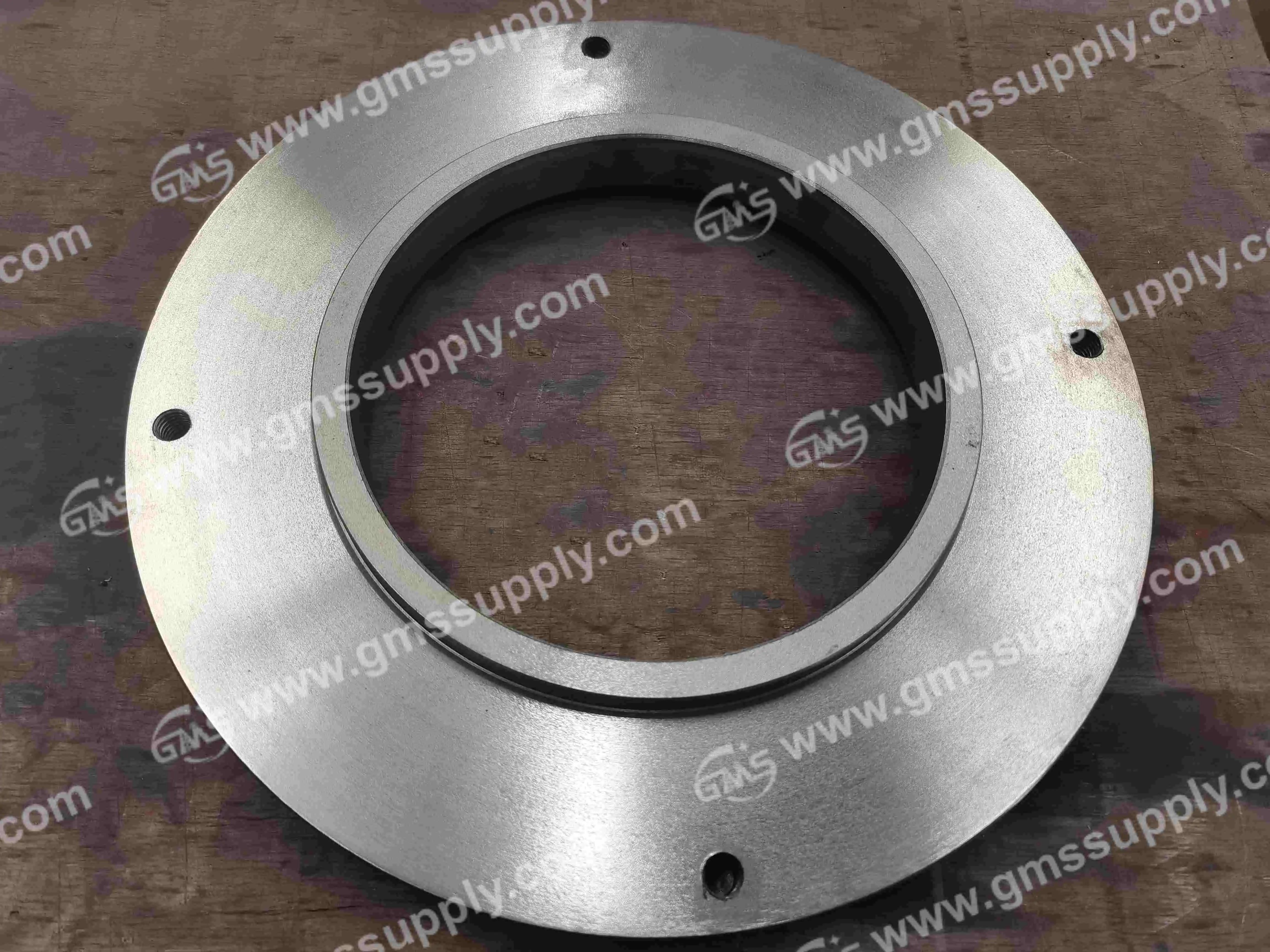
Selecting the right materials for your 250 Centrifugal Pump Wear Pad H2502-01-30A is critical to ensuring optimal pump performance, reducing maintenance costs, and extending equipment service life. In demanding industrial environments such as oil and gas drilling, mining operations, and wastewater treatment facilities, wear pads face extreme operational conditions including high temperatures, abrasive fluids, and continuous mechanical stress. Understanding which materials offer the best combination of durability, chemical resistance, and cost-effectiveness can significantly impact your operational efficiency and bottom line. The best materials for 250 Centrifugal Pump Wear Pad H2502-01-30A applications include high-grade carbon steel, stainless steel alloys, and specialized composite materials that provide superior wear resistance and extended service life. Carbon steel variants offer excellent mechanical strength and cost-effectiveness for standard operating conditions, while stainless steel options deliver enhanced corrosion resistance in chemically aggressive environments. Advanced composite materials combine the benefits of both, offering exceptional durability under high-pressure and high-temperature conditions commonly encountered in centrifugal pump operations.

Understanding Material Properties for Optimal Wear Pad Performance
The longevity and effectiveness of your 250 Centrifugal Pump Wear Pad depend heavily on understanding the fundamental material properties that contribute to wear resistance and operational stability. When evaluating materials for wear pad replacement 250 pump applications, several critical factors must be considered including hardness, tensile strength, thermal conductivity, and chemical compatibility with the pumped media. The material selection process requires careful analysis of your specific operating parameters, including fluid viscosity, particle size in the pumped medium, operating temperature ranges, and expected pressure fluctuations. For MISSION 2500 Supreme Centrifugal Pumps, the wear pads must withstand continuous friction while maintaining dimensional stability to preserve proper clearances between rotating and stationary components. Materials with higher thermal conductivity help dissipate heat generated by friction, preventing thermal degradation and maintaining consistent performance throughout extended operating cycles. Additionally, the microstructure of the selected material plays a vital role in determining its wear characteristics, with finer grain structures generally providing better resistance to surface fatigue and crack propagation. Understanding these material science fundamentals enables operators to make informed decisions when sourcing 250 pump parts inventory, ensuring that replacement components match or exceed OEM specifications while potentially offering cost advantages.
Carbon Steel Alloys: Balancing Strength and Economy
Carbon steel remains one of the most widely specified materials for 250 Centrifugal Pump Wear Pad H2502-01-30A applications due to its excellent strength-to-cost ratio and proven reliability across diverse industrial applications. Medium to high-carbon steel grades, typically containing 0.3% to 0.6% carbon content, provide the mechanical properties necessary for demanding pump applications while maintaining manufacturing efficiency and affordability. These alloys can be heat-treated to achieve specific hardness levels, with through-hardening or case-hardening processes employed depending on the anticipated wear mechanisms and load distributions. For wear pad replacement 250 pump scenarios where budget constraints are significant, carbon steel alternatives offer substantial cost savings compared to exotic alloys while still delivering reliable performance in non-corrosive environments. The material's machinability facilitates precise manufacturing tolerances critical for proper pump operation, ensuring that components like H2502-01-30A and H2506-01-30A maintain the tight clearances required for efficient hydraulic performance. Carbon steel wear pads perform exceptionally well in clean water or oil-based applications where corrosion is not a primary concern, making them ideal for many drilling mud circulation systems where proper fluid treatment programs are in place. However, operators must consider the environmental conditions carefully, as carbon steel's susceptibility to oxidation and chemical attack can limit its applicability in certain aggressive media. Surface treatments such as phosphating, nitriding, or specialized coatings can significantly enhance the corrosion resistance of carbon steel wear pads, extending their service life in moderately corrosive environments without the premium cost associated with stainless steel alternatives. When properly selected and maintained, carbon steel wear pads can deliver service lives comparable to more expensive materials in appropriate applications.
Stainless Steel Solutions for Corrosive Environments
When operating conditions involve corrosive fluids, high salinity, or acidic pH levels, stainless steel becomes the material of choice for 250 Centrifugal Pump Wear Pad H2502-01-30A applications. Austenitic stainless steels, particularly 316 and 316L grades, offer excellent corrosion resistance combined with good mechanical properties suitable for centrifugal pump wear applications. The chromium content in these alloys, typically 16-18%, forms a passive oxide layer that protects the base material from chemical attack, while molybdenum additions (2-3%) enhance resistance to pitting and crevice corrosion in chloride-containing environments. For offshore drilling operations or applications involving seawater injection systems, stainless steel wear pads provide significantly extended service intervals compared to carbon steel alternatives. The material's inherent corrosion resistance eliminates the need for protective coatings, reducing maintenance complexity and ensuring consistent performance throughout the component's lifecycle. Martensitic stainless steel grades such as 410 or 420 can be heat-treated to achieve higher hardness levels when abrasive wear is a primary concern, though they sacrifice some corrosion resistance compared to austenitic grades. When considering 250 pump parts inventory for facilities operating in diverse environments, maintaining a selection of both carbon and stainless steel wear pads enables rapid response to equipment failures while optimizing replacement costs based on specific pump locations and service conditions. The initial premium cost of stainless steel components is often offset by extended service life and reduced frequency of replacement interventions, particularly in remote locations where mobilization costs and production downtime represent significant expenses. Modern manufacturing techniques have improved the cost-effectiveness of stainless steel wear pads, making them increasingly attractive for applications where reliability and longevity are prioritized over initial component cost.
Composite and Advanced Materials for Extreme Conditions
The evolution of material science has introduced advanced composite materials and specialized alloys designed specifically for extreme wear applications in centrifugal pumps. Tungsten carbide composites, ceramic-reinforced materials, and advanced polymer blends offer exceptional wear resistance in applications involving highly abrasive slurries or extreme operating conditions beyond the capabilities of conventional metallic materials. These advanced materials can extend wear pad service life by factors of three to five compared to standard carbon steel in abrasive applications, though their higher initial cost requires careful economic analysis to justify their selection. For operators managing large 250 pump parts inventory across multiple facilities, the reduced replacement frequency can translate to substantial savings in maintenance labor, equipment downtime, and logistics costs. Tungsten carbide overlay technologies, where a wear-resistant carbide layer is metallurgically bonded to a steel substrate, combine the toughness of steel with the extreme hardness of carbides, creating wear pads capable of withstanding the most demanding pumping applications. Advanced polymer composites offer unique advantages including chemical inertness, low friction coefficients, and excellent resistance to both abrasive and erosive wear mechanisms. These materials prove particularly valuable in applications where metallic wear pads experience rapid degradation due to chemical attack or erosion-corrosion synergies. The selection of advanced materials for wear pad replacement 250 pump applications requires thorough understanding of the specific wear mechanisms present in your operation, as materials optimized for abrasive wear may not perform well under erosive or corrosive conditions and vice versa. Working with experienced suppliers who understand the operational challenges in oil and gas drilling applications ensures that material recommendations are based on proven field experience rather than theoretical performance claims.
Material Selection Guidelines and Cost-Benefit Analysis
Implementing a systematic approach to material selection for your 250 Centrifugal Pump Wear Pad inventory optimizes both operational reliability and cost-effectiveness across your pump fleet. The selection process should begin with comprehensive characterization of the pumped fluid, including particle size distribution, chemical composition, pH, temperature, and presence of corrosive species. Operating parameters such as pump speed, suction and discharge pressures, and expected annual operating hours directly influence wear rates and should inform material choices. For non-critical applications or temporary installations, cost-optimized carbon steel wear pads manufactured to OEM specifications provide adequate performance at minimal investment. Critical pumps supporting primary production operations or located in remote, difficult-to-access locations justify premium materials that minimize replacement frequency and associated downtime costs. When evaluating aftermarket alternatives to OEM components like H2502-01-30A or H2506-01-30A, quality certifications such as ISO 9001 provide assurance that manufacturing processes meet international standards for quality management and product consistency. Leading aftermarket suppliers offer replacement wear pads that match OEM dimensions and performance characteristics while providing significant cost advantages, typically 30-50% below OEM pricing for equivalent quality components. The total cost of ownership analysis should consider not only component purchase price but also freight costs, inventory carrying costs, installation labor, and most significantly, the production impact of pump failures and associated downtime. Establishing relationships with reliable suppliers who maintain substantial 250 pump parts inventory and can provide rapid delivery minimizes the need for extensive on-site spare parts storage while ensuring component availability when needed.
GMS Advantage: Quality Replacement Wear Pads at Competitive Prices
As a specialized manufacturer of replacement 250 Centrifugal Pump Wear Pad components, Global Machinery Supply Co., Ltd. (GMS) offers an exceptional combination of quality, reliability, and value for operations seeking to optimize their maintenance expenditures. With over ten years of dedicated focus on drilling machinery components and centrifugal pump spare parts, GMS brings extensive industry expertise to the development and manufacture of wear pad solutions that meet the demanding requirements of oil and gas drilling operations. Our replacement wear pads, including models corresponding to OEM reference numbers H2502-01-30A and H2506-01-30A, are manufactured to precise specifications ensuring proper fit and function in MISSION 2500 Supreme Centrifugal Pumps. The company's ISO 9001 certification demonstrates commitment to quality management systems that control every aspect of the manufacturing process, from raw material procurement through final inspection and delivery. GMS maintains substantial inventory of commonly required wear pad configurations, enabling rapid fulfillment of urgent requirements with typical lead times measured in days rather than weeks. This responsiveness is particularly valuable in drilling operations where pump failures can result in costly rig downtime and schedule delays. The cost advantages of GMS replacement components make them especially appropriate for budget-conscious operations, non-critical pump applications, or situations where multiple wear pad changes are anticipated due to aggressive operating conditions. Our technical support team provides application assistance to help customers select the optimal material grade and configuration for their specific operating conditions, ensuring successful implementation of replacement components. By choosing GMS as your supplier for wear pad replacement 250 pump requirements, you gain access to quality components at competitive prices backed by responsive customer service and technical support.
Conclusion
Selecting the best materials for your 250 Centrifugal Pump Wear Pad H2502-01-30A applications requires careful consideration of operating conditions, performance requirements, and economic constraints. Carbon steel alloys offer excellent cost-effectiveness for standard applications, while stainless steel grades provide superior corrosion resistance in aggressive environments. Advanced composites deliver exceptional wear resistance for extreme conditions. GMS provides high-quality replacement wear pads that match OEM performance specifications while offering significant cost advantages, making them ideal for budget-conscious operations and non-critical applications.
Ready to optimize your centrifugal pump maintenance costs without compromising reliability? As a leading China 250 Centrifugal Pump Wear Pad manufacturer, supplier and factory, Global Machinery Supply Co., Ltd. offers comprehensive wholesale solutions with competitive 250 Centrifugal Pump Wear Pad price points. Our extensive inventory of 250 Centrifugal Pump Wear Pad for sale includes all common configurations for MISSION 2500 series pumps, ready for immediate shipment. Whether you're managing a large drilling operation or maintaining a small pump fleet, we provide flexible solutions tailored to your specific requirements. Contact our technical sales team today at sales@gmssupply.com to discuss your wear pad requirements, request detailed specifications, or obtain pricing for your next order. We typically respond within two hours to ensure your project stays on schedule. Let us demonstrate why discriminating customers worldwide trust GMS as their preferred China 250 Centrifugal Pump Wear Pad supplier for quality, reliability, and value.
References
1. Anderson, M.R. "Metallurgical Considerations for Centrifugal Pump Wear Components in Abrasive Service," Journal of Materials Engineering and Performance, Vol. 28, No. 4, 2019.
2. Thompson, J.L. and Richards, P.K. "Comparative Wear Analysis of Carbon and Stainless Steel Alloys in Centrifugal Pump Applications," Tribology International, Vol. 142, 2020.
3. Chen, W.H. "Advanced Materials for High-Pressure Centrifugal Pump Components: A Performance Review," International Journal of Fluid Machinery and Systems, Vol. 13, No. 2, 2020.
4. Martinez, D.F. "Cost-Benefit Analysis of Premium Materials in Oil Field Pump Equipment," SPE Production and Operations, Vol. 35, No. 3, 2020.
5. Wilson, S.T. and Kumar, A. "Material Selection Strategies for Extending Pump Component Service Life in Corrosive Drilling Environments," Corrosion Engineering, Science and Technology, Vol. 56, No. 1, 2021.
Learn about our latest products and discounts through SMS or email