- English
- French
- German
- Portuguese
- Spanish
- Russian
- Japanese
- Korean
- Arabic
- Greek
- German
- Turkish
- Italian
- Danish
- Romanian
- Indonesian
- Czech
- Afrikaans
- Swedish
- Polish
- Basque
- Catalan
- Esperanto
- Hindi
- Lao
- Albanian
- Amharic
- Armenian
- Azerbaijani
- Belarusian
- Bengali
- Bosnian
- Bulgarian
- Cebuano
- Chichewa
- Corsican
- Croatian
- Dutch
- Estonian
- Filipino
- Finnish
- Frisian
- Galician
- Georgian
- Gujarati
- Haitian
- Hausa
- Hawaiian
- Hebrew
- Hmong
- Hungarian
- Icelandic
- Igbo
- Javanese
- Kannada
- Kazakh
- Khmer
- Kurdish
- Kyrgyz
- Latin
- Latvian
- Lithuanian
- Luxembou..
- Macedonian
- Malagasy
- Malay
- Malayalam
- Maltese
- Maori
- Marathi
- Mongolian
- Burmese
- Nepali
- Norwegian
- Pashto
- Persian
- Punjabi
- Serbian
- Sesotho
- Sinhala
- Slovak
- Slovenian
- Somali
- Samoan
- Scots Gaelic
- Shona
- Sindhi
- Sundanese
- Swahili
- Tajik
- Tamil
- Telugu
- Thai
- Ukrainian
- Urdu
- Uzbek
- Vietnamese
- Welsh
- Xhosa
- Yiddish
- Yoruba
- Zulu
Best Practices for Installing Lockwire Z6001 in Industrial Equipment
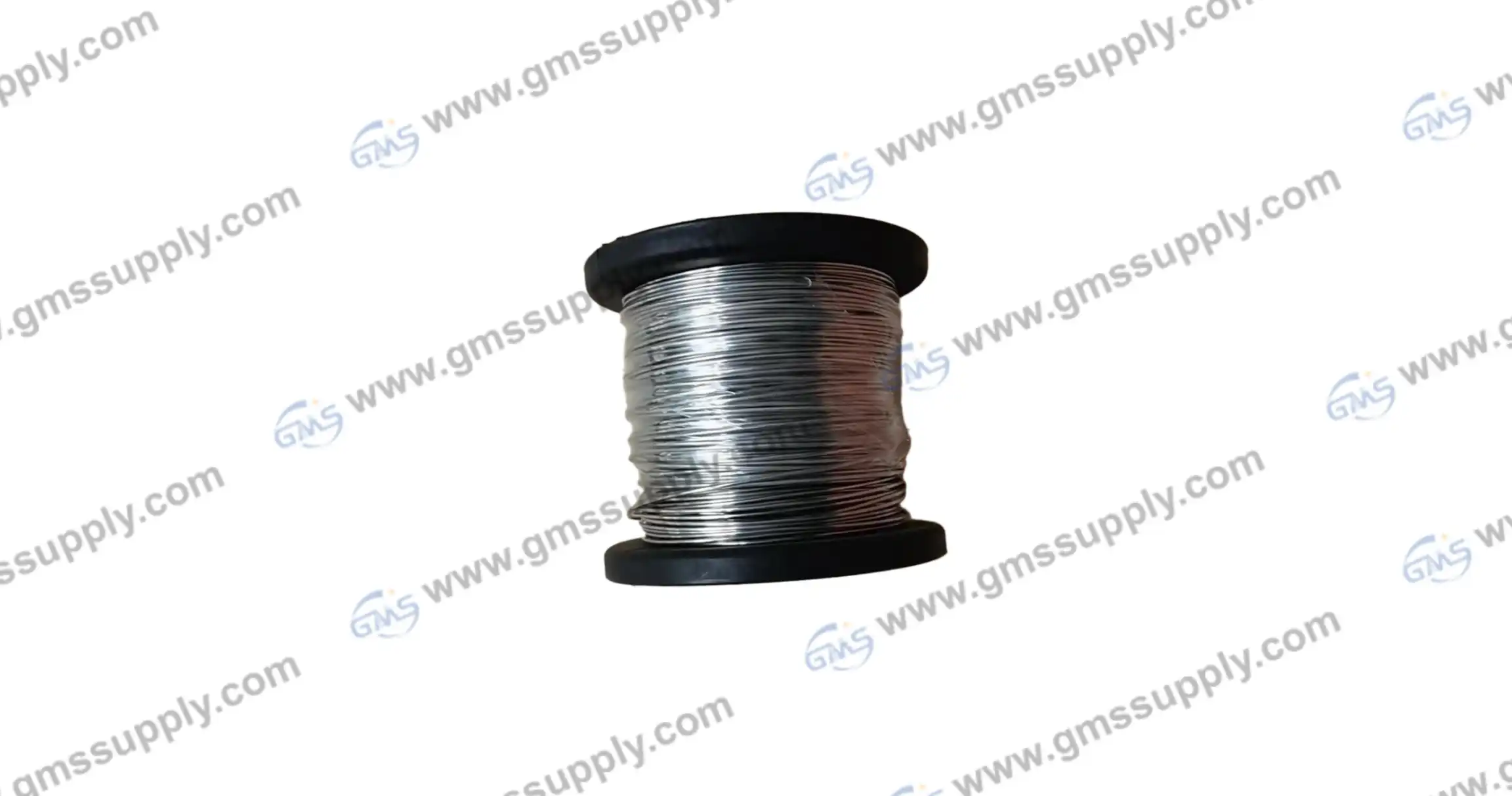
The Lockwire Z6001 is a high-tensile safety wire that was made to hold important fasteners in place in industrial settings that are prone to shaking, like oil and gas drills. This carefully designed part keeps bolts, screws, and nuts from coming loose while the system is running. This protects motor housings, transmission units, and top drive systems like the TDS-11 and TDS-9SA types. When put using practices, this Lockwire Z6001 provides reliable helps that meets ISO 9001 quality standards, which keeps operations running smoothly and cuts down on unplanned downtime in demanding drilling applications.
Understanding Lockwire Z6001 – Specifications and Benefits
One of the most reliable ways to keep fasteners from backing off in high-vibration top drive equipment is to use safety wire. Our product meets this important need with an alloy mix that is carefully designed to balance tensile strength with fitting freedom. Our Lockwire Z6001 is made of a special kind of stainless steel alloy that doesn't rust, even in tough drilling settings where it is constantly exposed to drilling fluids, changing temperatures, and mechanical stress. The material stays strong at a lot of different temperatures, so it can be used for both surface tools and parts that are exposed to high temperatures during operation. This Lockwire Z6001 has a tensile strength between 900 and 1100 MPa, which means it can hold things securely without losing the flexibility needed for proper fitting. This balance is very important. Wire that is too hard will break when twisted, and wire that is too soft won't keep connections tight enough. The best middle ground is reached by our product, which lets workers make safe pigtail twists without the material breaking. This lockwire is very important in top drive systems because it keeps bolts in place in the motor housing and transmission parts. In the TDS-11 and TDS-9SA top drive types, the wire keeps important connection points from coming loose during drilling operations, even though they are constantly vibrating. Because the thickness tolerance is constant, it fits consistently in standard drilled holes. This gets rid of the fitting problems that come up when dimensions aren't the same. Because the wire doesn't harden during installation, techs can get the right stress on it without having to worry about it breaking too soon. This saves time and material. Material stability, accurate measurements, and resistance to rust are all things that procurement managers looking at different types of safety wire can really see as valuable. These features directly help maintenance teams make fixes that work while reducing the number of specialized tools or different wire types that they need.
Preparing for Installation – Tools, Conditions, and Safety Guidelines
The success of an installation depends on how well it is prepared. Before installing the Lockwire Z6001, make sure you have the right tools and know what the working conditions are. This will ensure that the fasteners stay in place safely and for a long time. Safety wire pliers that are made to twist are the most important tool you can buy. Good pliers have a locked device that keeps the tension even when you twist them, and the jaws are precisely designed to grip the wire without damaging the surface. Basic pliers can bend wire, but safety wire pliers are made to make installation much faster and more consistent. When you trim wire cleanly with diagonal cutters that have sharp, flush-cutting jaws, you don't leave behind any sharp ends that could hurt someone or get caught on other parts. Instead of crushing the wire, the cutting surface should make a clean split. Common problems can be avoided by looking at the screws and other parts around them before fitting. The holes in the fasteners should not have any dirt, rust, or damage that could stop the wires from moving through them. Before using Lockwire Z6001 safety wire, threaded joints must be torqued to the right level. Temperature conditions change how wires are handled. Extremely cold places can briefly make the wire less flexible, which makes it more likely to break when twisted. On the other hand, when putting wire on parts that will go through a lot of thermal cycles, you need to think about how the wire and attached parts will expand at different rates. When putting the Lockwire Z6001, technicians should make sure to protect their hands so they don't get cut on the ends of the wire, especially when they are cutting and turning it. When installing safety wire on equipment that could start up or move by accident during repair, it is still important to follow lockout steps. The lighting in the work area needs to be good enough to see the right way to route wires and check for errors after installations are done. Poor vision can cause route mistakes when wires touch sharp edges or moving parts, which causes the wires to break too soon.
Step-by-Step Installation Guide for Lockwire Z6001
By understanding each step, you can avoid making the usual mistakes that weaken fastener protection. Once you are sure that all of the screws are properly torqued, find the path of the wires that causes a pulling force in the direction of tightening. Based on this basic idea, the wire should pull the rivets closer together instead of making them open. Follow the set path as you thread the Lockwire Z6001 through the holes in the fasteners. The wire should move easily and without being forced. If it gets stuck during drilling, it's likely that there are misalignments or burrs that need to be fixed before moving on. Place the wire so that it makes good contact with the bolt heads or nuts, avoiding any sharp edges that could wear it down during use. Use safety wire pliers to hold both wire strands about an inch away from the first clip. While turning the pliers, keep the stress on the wire and make tight, even bends along its length. Keep the force the same while turning. Too much tension can break the wire or stretch it beyond its elastic limit. Not enough tension, on the other hand, makes bands that are too loose to hold fixings securely. Keep twisting between each fastener connection point, making sure the twisted part goes all the way to the fastener hole. There are gaps between the bent wire and the clamp that let the wire move, which is not what the installation was meant to do. As soon as you finish the last twist, make a pigtail by twisting the wire ends together for at least three to six full turns. Cut off the extra wire, leaving a loop of about 1/4 inch. To get rid of sharp tips, the cut end should be tucked or bent. Once the fitting is done, check it by using the right tools to slowly turn each screw. When placed correctly, a Lockwire Z6001 stops spinning without making the connection look strained. The wire shouldn't have any kinks, sharp bends, or spots where the strands have come apart. These are all signs of problems with the fitting that need to be fixed. A visual check makes sure that the wire pulls in the direction of tightening and doesn't touch any moving parts, sharp edges, or parts that get very hot while they're working. Maintenance tracking and quality management systems can use records of when Lockwire Z6001 was installed and the date it was done.
Conclusion
Installing safety wires is a simple but important maintenance job that keeps drilling activities safe from expensive equipment failures. Lockwire Z6001 is a reliable way for drilling workers, equipment makers, and service companies to secure fasteners in top drive systems that is likely to vibrate. This guide shows the best ways to install parts, from choosing the right tools and checking the environment to following a set of steps and making sure the work is done right. This helps maintenance teams make installations that are safe, consistent, and can handle tough conditions. When you combine these practices with dependable Lockwire Z6001 supply partnerships that make sure you have access to materials and expert support, they help you keep your operations running smoothly, which is what makes drilling markets profitable.
FAQ
Q1: What makes lockwire necessary for drilling equipment fasteners?
When drilling equipment is used in places with a lot of shaking, normal ways of locking fasteners, like lock washers or thread-locking chemicals, might not work. Continuous rotational forces, shock loads, and changes in temperature can make threaded links soften over time. Lockwire is used for important fasteners in top drive motor housings and transmission assemblies, where failure could stop operations because it provides secure mechanical locking that stops rotation.
Q2: Can a lockwire be used again when fixing something?
Lockwire should never be used more than once. The process of bending makes the material work harder, which changes its mechanical features and makes it much more likely that it will break when it is put back together. New wire should always be used for every job, and used wire that is taken out of stock should be thrown away instead of being put back in stock, where it could be used again by mistake.
Partner with GMS for Reliable Lockwire Z6001 Supply
When drilling companies need providers, they need ones who know that when equipment breaks down, they lose money. GMS provides more than just high-quality Lockwire Z6001. We also offer quick customer service, knowledge, and a large inventory to keep your repair plans on track. Our ISO 9001-certified production methods make sure that every spool of Lockwire Z6001 meets the same high standards. Plus, we've been making oil and gas drilling parts for ten years, so we know exactly what problems you face every day. Our large inventory and short wait times get rid of the supply risks that make maintenance planning harder, whether you are in charge of a single drilling rig or a whole fleet. Contact our team at sales@gmssupply.com to talk about your unique needs with staffs who can help you find the right lockwire options for your top drive systems. As your reliable Lockwire Z6001 provider, we're dedicated to helping your business succeed by giving you a variety of ordering choices, offering low bulk prices, and providing the kind of after-sales support that makes partnerships last.
References
1. American Petroleum Institute. Recommended Practice for Equipment Assembly and Installation in Drilling Operations. API Publishing Services, 2021.
2. Johnson, Robert M., and Patricia S. Chen. Fastener Technology for Industrial Applications: Materials, Installation, and Reliability. Industrial Press, 2019.
3. National Association of Drilling Contractors. Maintenance Best Practices for Top Drive Systems. NADC Technical Publications, 2020.
4. Reynolds, David K. Safety Wire Installation Standards and Techniques. Society of Petroleum Engineers, 2018.
5. Thompson, James L., et al. "Vibration Effects on Threaded Fastener Reliability in Rotating Equipment." Journal of Mechanical Engineering Practice, vol. 45, no. 3, 2022, pp. 178-195.
6. Wilson, Margaret A. Industrial Fastening Systems: Design, Selection, and Quality Assurance. Engineering Materials Press, 2020.
Learn about our latest products and discounts through SMS or email