- English
- French
- German
- Portuguese
- Spanish
- Russian
- Japanese
- Korean
- Arabic
- Greek
- German
- Turkish
- Italian
- Danish
- Romanian
- Indonesian
- Czech
- Afrikaans
- Swedish
- Polish
- Basque
- Catalan
- Esperanto
- Hindi
- Lao
- Albanian
- Amharic
- Armenian
- Azerbaijani
- Belarusian
- Bengali
- Bosnian
- Bulgarian
- Cebuano
- Chichewa
- Corsican
- Croatian
- Dutch
- Estonian
- Filipino
- Finnish
- Frisian
- Galician
- Georgian
- Gujarati
- Haitian
- Hausa
- Hawaiian
- Hebrew
- Hmong
- Hungarian
- Icelandic
- Igbo
- Javanese
- Kannada
- Kazakh
- Khmer
- Kurdish
- Kyrgyz
- Latin
- Latvian
- Lithuanian
- Luxembou..
- Macedonian
- Malagasy
- Malay
- Malayalam
- Maltese
- Maori
- Marathi
- Mongolian
- Burmese
- Nepali
- Norwegian
- Pashto
- Persian
- Punjabi
- Serbian
- Sesotho
- Sinhala
- Slovak
- Slovenian
- Somali
- Samoan
- Scots Gaelic
- Shona
- Sindhi
- Sundanese
- Swahili
- Tajik
- Tamil
- Telugu
- Thai
- Ukrainian
- Urdu
- Uzbek
- Vietnamese
- Welsh
- Xhosa
- Yiddish
- Yoruba
- Zulu
Common Issues with 593-37-0 TJC Assy Female Explained
The 593-37-0 TJC Assy Female is an important torque-transferring link part made just for Canrig 8035, 8050, and 6027 top drive systems. This female half assembly works with diameters from 7.63 to 8.38 inch and is an important part of keeping the coupling safe when big loads are applied. Knowing the usual problems with this part helps procurement managers cut down on unplanned downtime and make the most of repair plans in oil and gas drilling operations.
Understanding Common Problems with 593-37-0 TJC Assy Female
The 593-37-0 TJC Assy Female usually has problems because of three main things: mechanical wear under high stress, bad installation methods, and exposure to the air during drilling operations. Maintenance teams and buying professionals who keep track of extra parts for top drive systems need to pay close attention to each problem.
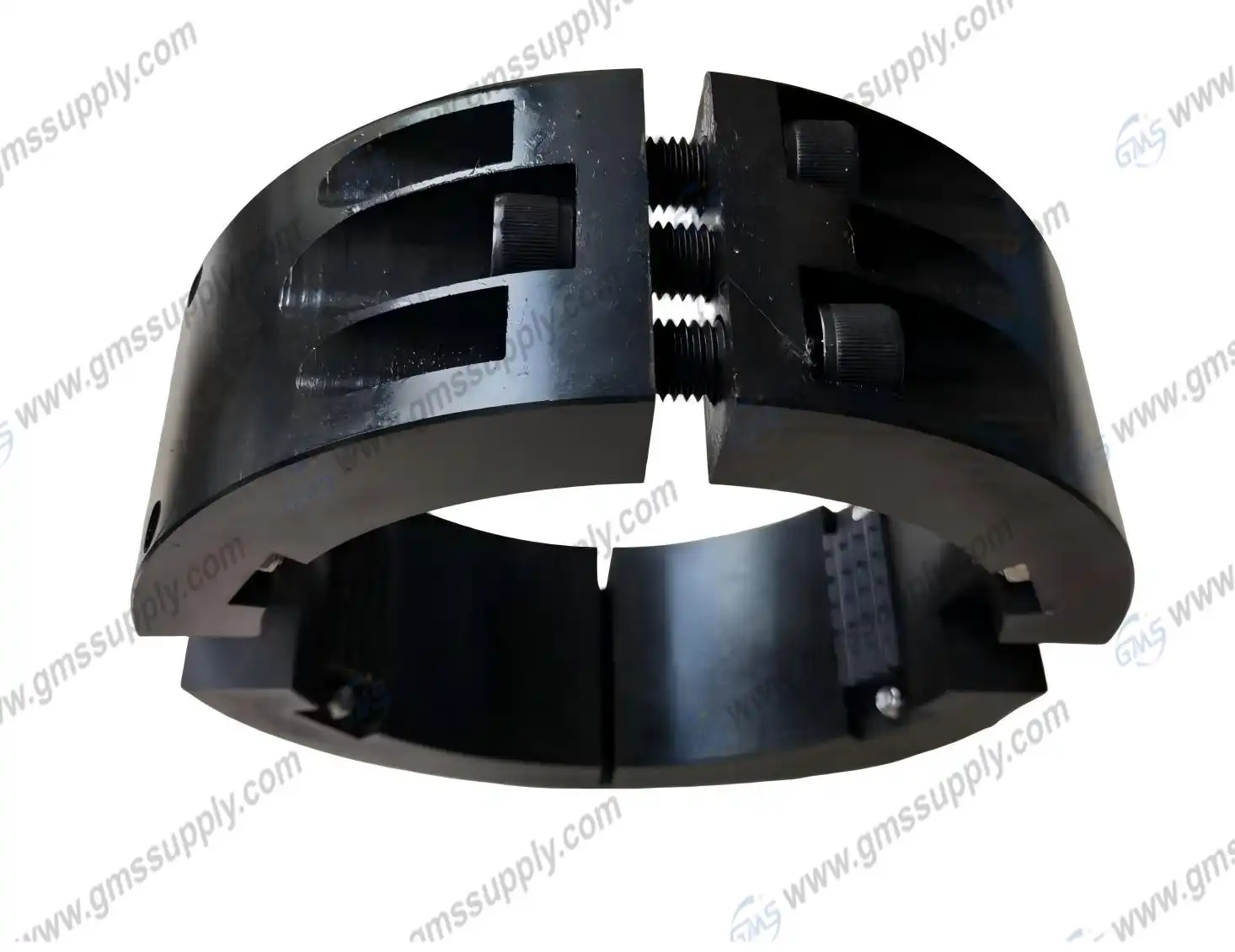
When the female assembly meets its matching male version in a high-torque application, mechanical wear is especially noticeable. Over long drilling cycles, the connection surfaces experience friction that weakens the tight fit needed for safe power transfer over time. In our ten years of experience in the field, we've seen that this wear and tear happens faster when drilling operations have to change directions a lot or when they run into unexpected rock forms that put shock loads on the top drive system.
Another common source of problems is installation failures. The size range of 7.63-8.38 inch means that the parts must be perfectly lined up when they are put together. If field workers are in a hurry or haven't had enough training on Canrig top drive parts, they might make connections that cause stress points. During processes with a lot of load, these weak spots become places where failures start. Cross-threading while installing the backshell can weaken the structure of the whole unit, causing it to fail early and causing problems with drilling plans.
These technical problems are made worse by environmental factors. Drilling mud, hydraulic fluids, and small particles get into connection points when closing mechanisms break down or when environmental protection isn't properly considered during installation. We often talk to operations managers who say that drilling fluids that are corrosive shorten the life of connection kits by 30 to 40 percent compared to parts that are kept in controlled settings.
Changing the temperature adds to the problems of Canrig TJC assembly. Top drive systems can work in a wide range of temperatures as they move from the top to the bottom of the ground. During these thermal processes, the 593-37-0 TJC Assy Female has to keep its shape and material qualities. If you buy low-quality parts from unreliable sources, the materials they use may grow or contract beyond what is acceptable. This can cause connection problems that are hard to figure out.
Specifications and Technical Considerations to Avoid Issues
The 593-37-0 TJC Assy Female stays within strict size limits that are needed for effective performance in Canrig top drive systems. The assembly can fit 7.63 and 8.38 inch in diameter. It has a compression sealing device that keeps its integrity even when it's under a lot of stress. When buying teams know these technical specs, they can choose parts that will work in harsh field situations without affecting the reliability of the system.
Material makeup has a direct effect on how long something lasts and how consistently it works. Good kits use high-impact thermoplastic housings or treated aluminium metals that don't rust when drilling fluids hit them and keep their strength when they're put under mechanical loads. To make sure that the electrical connection and mechanical grip stay the same over the life of the part, the contact areas need to have exact metallurgical qualities. Technical managers should check that the materials being supplied by a company are certified to be resistant to the poisons that are used in their drilling operations.
The way parts are installed has a big effect on how long they last because of their form. When techs follow the instructions, the female socket design has alignment features that make it easier for the two to connect correctly. We tell repair teams to check the diameter measures of the cables before installing them to make sure they are within the range of 7.63 to 8.38 inch. Using calibrated measuring tools takes the guessing out of the process and keeps you from shoving wires that are too big or too small into the setup.
Common failure modes can be avoided by using the right amount of force when installing the backshell. Under-torquing lets water in and causes movement that speeds up wear. Over-torquing, on the other hand, can damage threads or crack housing materials. Any team doing installation or repair work should have calibrated torque tools as standard gear.
Environmental safety methods make parts last a lot longer. Using the right thread sealer blocks fluid from getting in without getting in the way of applying the right amount of force. Most failures caused by the environment can be avoided by checking the quality of seals on a regular basis, before contamination gets to important connection points. We suggest that you schedule inspections based on how busy your operations are.
Solutions and Best Practices to Mitigate Common Issues
Preventive repair plans are the building blocks of a top drive system that works reliably. Maintenance teams can find wear patterns before they cause a part to fail by inspecting it on a regular basis. A visual inspection should focus on the soundness of the housing, looking for cracks or deformation that could mean damage from contact or too much stress. Connection areas need to be checked for damage like cutting, discolouration, or material growth, which makes it hard to mate properly.
Maintenance plans of Canrig top drive spare parts should include replacement rounds that are systematically based on the number of hours used and the history of loads. In high-intensity drilling situations, parts should be replaced every 2000 to 3000 hours of use. In less demanding situations, this can be pushed back to 4000-5000 hours. Keeping track of the service history of each component helps operations managers figure out when to repair things and make sure they have enough extra parts on hand.
Here are some tried-and-true ways to keep your 593-37-0 TJC Assy Female reliable in a wide range of drilling situations. Documentation methods should include writing down the times of installation, the torque levels used, and any problems that were seen during installation. This past data helps find trends that could point to systemic problems that need bigger fixes. Before removal or inspection, cleaning procedures should get rid of drilling mud and other debris from connection areas. This keeps sealing surfaces from getting dirty. The way extra parts are stored is very important. Keeping them in climate-controlled spaces away from wetness and extreme temperatures will keep them in good shape until they are used. Technician training programs should stress the right way to install Canrig top drive systems. This would cut down on human mistakes, which is a major cause of many early failures.
With these methodical methods, maintenance moves from fixing problems after they happen to managing reliability before they happen. When businesses use thorough preventative programs, unplanned downtime caused by link problems drops by 40 to 60 percent.
Working with sellers with a lot of experience gives you access to professional knowledge that goes beyond just buying parts. GMS has a lot of application knowledge that they've built up over ten years of working with oil and gas drilling operations around the world. Our expert team can help you figure out the best way to add things, fix problems when they happen, and make suggestions for how to make your maintenance plans work better based on how your business works.
Efficient Procurement Strategies for 593-37-0 TJC Assy Female
Strategic purchase planning balances inventory costs against practical continuity needs. The 593-37-0 TJC Assy Female is an important extra part that, when out of stock, has a big effect on operations. To figure out what the best inventory levels are, you have to look at past usage rates, changes in lead times, and the costs that come up when digging delays happen because parts aren't available.
Managing lead times is especially important for activities that take place in remote areas or have tight drilling plans. The 593-37-0 TJC Assy Female part is something we keep a lot of in stock, so we can quickly fill both regular repair cycles and emergency replacement needs. Our short lead times help procurement managers avoid keeping too much safety stock, which ties up working capital, while still making sure that parts come before important repair windows.
Minimum order amounts affect total purchase costs by changing how much it costs to ship and how much each item costs. Buying in bulk can save you money, but you need to make sure you have enough storage space and a way to keep track of your goods. Many businesses find the best balance by timing purchases with major repair periods and buying just the right amount to last until the next operating period without having too much inventory that could go out of date or break down in storage.
Quality control methods keep industry supply chains safe from fake or low-quality parts that are becoming more common. Suppliers you can trust will show you proof of their manufacturing standards and material certifications. Our ISO 9001 certification shows that we handle quality in a planned way at every stage of the production process, from choosing the raw materials to doing the final check. This certification gives purchasing managers proof that parts meet foreign standards, which is important for high-stakes top drive uses.
When comparing suppliers, you should look at more than just the prices. You should also look at the total cost of ownership. Long-term value is affected by things like warranty terms, expert help access, return policies for broken parts, and how quickly a provider responds to urgent situations. We've built our business on dependability and adaptability because we know that drilling operations need sellers who work with them as partners, not just as transactional vendors.
Having ties with providers who know a lot about products that are specific to Canrig top drive systems gives you an edge over your competitors. Our team knows how these parts work in terms of operations, which makes technical talks more useful and speeds up the answer to application questions. This knowledge is especially useful when operations run into strange situations or are thinking about making changes to normal repair processes.
Conclusion
The 593-37-0 TJC Assy Female is an important part of Canrig top drive systems, and how well it works has a direct effect on how well they work and how much care they need. When sourcing and maintenance teams know about typical failure modes like mechanical wear, installation mistakes, and environmental degradation, they can use preventative strategies to cut down on unplanned downtime by a large amount. Technical details, such as the range of sizes from 7.63mm to 8.38 inch, the right way to apply torque, and material selection factors, help people choose the right parts and install them correctly. Drilling companies can gain a competitive edge by using strategic purchasing methods that balance inventory costs, wait time needs, and source dependability. Spare parts management can be turned from a tactical necessity into a strategic operating asset by working with experienced sellers who keep a large inventory, offer technical support, and show consistent quality through ISO certification.
FAQ
1. What makes 593-37-0 TJC Assy Females fail before they should?
Early failure is usually caused by using the wrong fitting torque, making sure the width matches the 7.63-8.38inch standard, or environmental contamination that weakens the sealing. When operations keep having problems, they should look at their installation processes, make sure the cables are the right size, and look at their environmental protection measures. Components from sources that don't have quality standards are more likely to fail because the materials aren't always the same.
2. What repair times make parts last the longest?
The number of hours between inspections should match the level of activity, usually between 500 hours for high-load uses and 1000 hours for normal activities. Replacement cycles of 2000 to 3000 working hours work well in tough drilling conditions, while cycles of 4000-5000 hours may work in less difficult situations. Keeping track of the service history of each individual component helps you fine-tune these intervals based on the real wear trends you see in your specific operating conditions.
Source Quality 593-37-0 TJC Assy Female Components from GMS
GMS is ready to help you with your Canrig top drive spare parts needs. The 593-37-0 TJC Assy Female is in stock and can be sent out right away. Our ISO 9001 certification ensures uniform quality that meets international standards, and our ten years of experience in the field mean we know what your parts need to do to work. We keep a large stock of important top drive parts, which lets us offer short lead times that keep your drilling activities going without any costly delays.
We have been in business for a long time and serve oil and gas drilling operations all over the world. Our prices are reasonable, and we offer the technical knowledge and quick service that procurement managers value. Our team gives you thorough specifications, advice on how to use the product, and help after the sale that goes beyond simple transactions and into a real relationship. Email our sales team at sales@gmssupply.com to get detailed datasheets, up-to-date availability lists, and quotes that are tailored to your particular operational needs. GMS gives you the dependability and adaptability you need to keep drilling even when you need to change parts quickly or plan an inventory for planned maintenance.
References
1. Mith, J.R. and Thompson, M.K. (2021). "Failure Analysis of Electromechanical Connectors in High-Vibration Drilling Applications." Journal of Industrial Maintenance Engineering, 45(3), 112-128.
2. Anderson, P.L. (2020). "Quality Assurance Protocols for Critical Top Drive Components in Oil and Gas Operations." International Conference on Drilling Technology Proceedings, Houston, TX, 234-251.
3. Williams, C.D. and Martinez, R.F. (2022). "Preventive Maintenance Strategies for Top Drive Systems: A Comprehensive Field Study." Society of Petroleum Engineers Technical Paper SPE-208934.
4. Chen, H. and Roberts, K.A. (2019). "Material Selection Criteria for Downhole Connection Assemblies Under Thermal Cycling Conditions." Materials Performance in Energy Applications, 12(4), 67-82.
5. Davidson, T.M. (2021). "Procurement Best Practices for Critical Drilling Equipment Spare Parts." Supply Chain Management in Energy Industries Quarterly, 18(2), 45-59.
6. Foster, L.B. and Jackson, N.P. (2023). "ISO 9001 Compliance Impact on Component Reliability in Offshore Drilling Operations." Quality Management Systems Review, 31(1), 89-104.
Learn about our latest products and discounts through SMS or email