- English
- French
- German
- Portuguese
- Spanish
- Russian
- Japanese
- Korean
- Arabic
- Greek
- German
- Turkish
- Italian
- Danish
- Romanian
- Indonesian
- Czech
- Afrikaans
- Swedish
- Polish
- Basque
- Catalan
- Esperanto
- Hindi
- Lao
- Albanian
- Amharic
- Armenian
- Azerbaijani
- Belarusian
- Bengali
- Bosnian
- Bulgarian
- Cebuano
- Chichewa
- Corsican
- Croatian
- Dutch
- Estonian
- Filipino
- Finnish
- Frisian
- Galician
- Georgian
- Gujarati
- Haitian
- Hausa
- Hawaiian
- Hebrew
- Hmong
- Hungarian
- Icelandic
- Igbo
- Javanese
- Kannada
- Kazakh
- Khmer
- Kurdish
- Kyrgyz
- Latin
- Latvian
- Lithuanian
- Luxembou..
- Macedonian
- Malagasy
- Malay
- Malayalam
- Maltese
- Maori
- Marathi
- Mongolian
- Burmese
- Nepali
- Norwegian
- Pashto
- Persian
- Punjabi
- Serbian
- Sesotho
- Sinhala
- Slovak
- Slovenian
- Somali
- Samoan
- Scots Gaelic
- Shona
- Sindhi
- Sundanese
- Swahili
- Tajik
- Tamil
- Telugu
- Thai
- Ukrainian
- Urdu
- Uzbek
- Vietnamese
- Welsh
- Xhosa
- Yiddish
- Yoruba
- Zulu
DT11328 Hydraulic Tube: Material, Rating & Replacement Tips
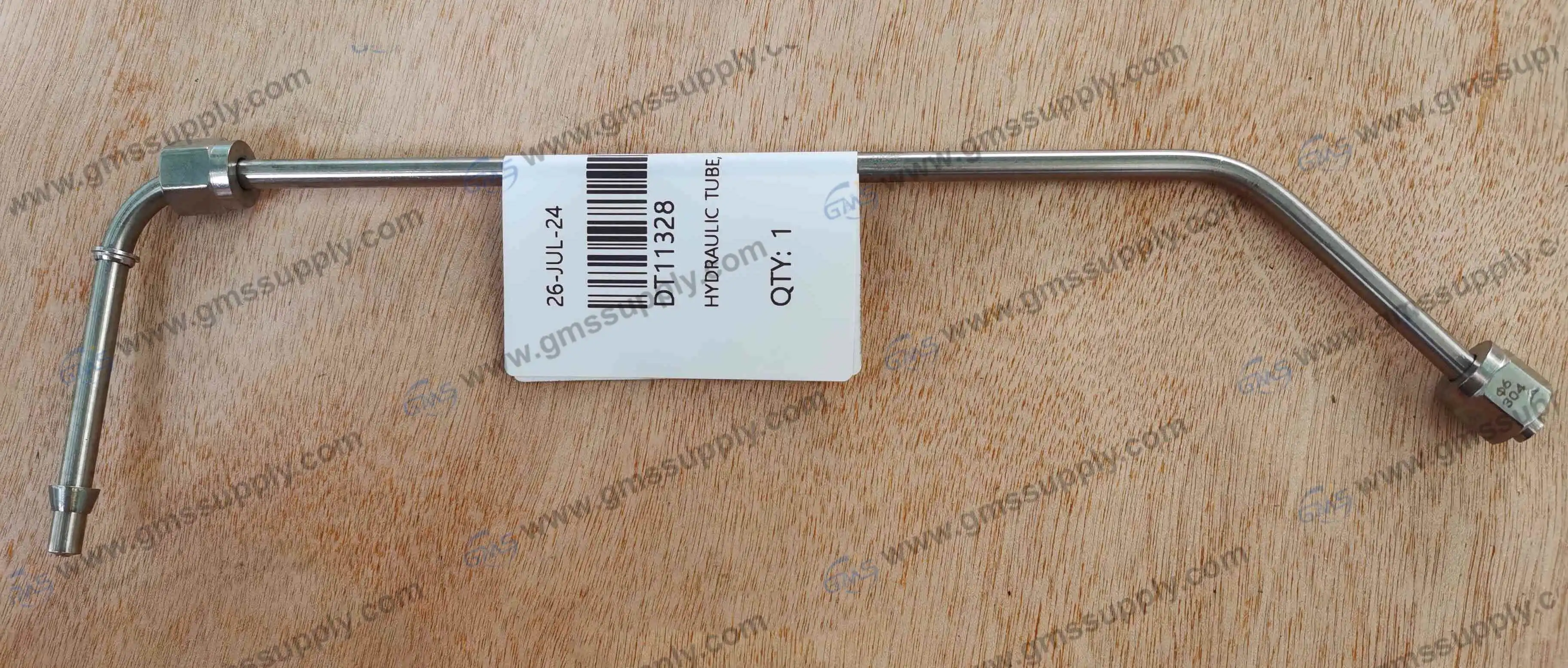
Choosing the right parts for hydraulic systems in difficult drilling jobs can mean the difference between running smoothly and having to pay a lot for downtime. The DT11328 HYDRAULIC TUBE is an important rigid conduit in Canrig top drive systems. It is designed to deliver high-pressure hydraulic fluid for disc brake operations. This 1/4-inch stainless steel tube (part number C80350053) is very durable and fits perfectly on models like the Canrig Top Drive 8050, 8035, and 1250. It makes sure that fluid flows smoothly through your drilling equipment for braking, clamping, cooling, and lubrication purposes.
Understanding DT11328 Hydraulic Tubes: Materials and Specifications
In factories, hydraulic tubes carry pressurised fluids that power important mechanical operations. They work like the arteries of the machinery. One thing that makes the DT11328 HYDRAULIC TUBE stand out is that it was carefully designed to be both rigid and easy to install.
This tube is made of high-quality stainless steel, so it can handle the corrosive effects of hydraulic fluids, contaminated drilling mud, and the weather that is common in oil and gas drilling sites. The choice of material has a direct effect on the service life. For example, stainless steel is better at resisting rust and chemical breakdown than other materials, so it lasts longer and needs less upkeep.
The tube's 1/4-inch width was carefully chosen to be the right size for both fluid flow rate and structural stability. The design is based on rigid construction, but the tube's pre-formed geometry lets it join in a number of different mounting places within small top drive hydraulic systems. Because it is engineered to be flexible, it doesn't need to be bent to fit during installation, which can cause stress points and failure zones.
In GMS's catalogue system, the DT11328 HYDRAULIC TUBE is identified by the number C80350053; this makes it easy for procurement teams to quickly check that it works with Canrig TDS models 8050, 8035, and 1250. These tubes are certified by ISO 9001, which means that the manufacturing method meets high standards that are known around the world. Standardised specifications make sure that replacement tubes keep the same level of accuracy in measurements, the ability to handle pressure, and compatibility with connection interfaces. T
hese are all very important things to look for when buying parts for equipment that has to work in tough conditions.
Pressure Ratings and Performance: Ensuring Optimal Use
When choosing hydraulic parts for disc brake systems in top drives, it's important to know how much pressure they can handle. The DT11328 HYDRAULIC TUBE works within pressure limits that were made just for the hydraulic circuits in Canrig top drive equipment and Canrig TDS hydraulic tubes.
The pressure number is based on three things that are all connected: the width of the tube wall, the tensile strength of the material, and the integrity of the connection. The molecular structure of the stainless steel design is just right to hold high-pressure hydraulic fluid without breaking or deforming. The thickness of the walls has been set to handle the pressure jumps that happen when emergency brakes are used, and hydraulic pressure briefly rises above usual levels.
Flexible hydraulic lines can get bigger when they're under pressure, but rigid tubes keep their internal width the same when they're under pressure. This dimensional stability makes sure that flow rates are stable and that the brakes work quickly. This means that the brakes will respond faster and be easier to control when handling pipes in real-life drilling situations.
When disc brakes are used, they put certain demands on hydraulic parts. When brake systems need air, they need it right away, without having to wait for the hose to expand. This flexibility is taken away by the stiff tube design, which sends hydraulic force directly from the pump to the brake calliper. This instantaneous response is helpful for equipment operators who are in charge of top drives in oil drilling operations, especially when positioning loads quickly is needed to avoid damage or safety incidents.
Changes in temperature are another thing to think about when it comes to performance. When drilling, the equipment goes from being actively drilled to being idle, which changes the temperature of the hydraulic systems. Stainless steel keeps its structural properties over a wide temperature range. This means that it doesn't become brittle in cold weather like some materials do, or soften in hot weather as other materials do, which lowers its pressure capacity.
Replacement and Maintenance Tips for DT11328 Hydraulic Tubes
Proactive repair practices keep parts working longer and stop them from breaking down when they're least expected, which stops drilling activities. Maintenance teams can schedule tube changes during planned downtime instead of having to deal with emergency fails when new signs are found.
Visual analysis is still the best way to figure out what's wrong with a hydraulic tube. Surface rust shows up on the outside of the tube as discolouration, pitting, or cracking. Even though stainless steel is better at resisting corrosion than carbon steel, the process can start when protective surfaces are exposed to strong chemicals or are physically damaged. Any corrosion that can be seen should be looked at more closely, and replacement should be thought about.
When inspections are done, connection points need extra care. Check both ends of the tube to see where the fittings connect to the hydraulic manifolds and brake assemblies. If fluid leaks around connections, it could mean that the sealing surfaces are worn, the fittings were over-torqued, the tube ends are bent, or the installation was done wrong. Small leaks lose hydraulic fluid, let air into the brake systems, and let dirt and other contaminants get into the system.
Impact or abrasion damage weakens the integrity of the tube. Working areas near drilling rigs put hydraulic lines at risk of coming into contact with moving equipment, dropped tools, or other trash. Even small dents lower the pressure that can be applied because they create stress points where cracks can start. Check the whole length of the tube for any warping, some scratches that go deeper than the surface, or contact marks that show it has been moving against other parts.
Best practices for maintenance include setting check times based on how often the equipment is used. Equipment that is used on a regular basis should be checked less often than equipment that is used only sometimes. Write down what the inspection found so you can see how the damage has changed over time. This past data helps figure out how long a service will last and when it should be replaced.
Before installing new tubes, make sure that the part numbers are compatible. The DT11328 HYDRAULIC TUBE number makes sure it fits right, but making sure you know the top drive type (8050, 8035, or 1250) keeps you from making mistakes when you order Canrig top drive maintenance spare parts. Before putting in new tubes, make sure all of the connection surfaces are clean. It's possible for new parts to not seal properly if the mating surfaces are contaminated with particles, old hydraulic fluid, or dried sealant residue.
Choosing the Right DT11328 Hydraulic Tube: Comparison & Procurement Guidance
It's not enough to just match part numbers when making procurement decisions. When buyers know the differences between hydraulic tubes and lines, they can choose the best parts for their needs. Rigid tubes like the DT11328 HYDRAULIC TUBE work great in permanent setups where the routing lines don't change, and small packing is needed because of limited room. Hoses are flexible for links that need to be able to isolate movement or shaking, but they add a level of compliance that changes how brake circuits respond.
The choice of materials has a big effect on how well they work and how much they cost to own. Stainless steel doesn't rust, so it can be used for longer periods of time in harsh drilling environments. The higher initial cost compared to carbon steel versions pays off because they don't need to be replaced as often, and maintenance workers don't have to be paid as much. Carbon steel options might work in places with controlled environments and shorter expected service lives, but the corrosive conditions that are typical in oil and gas drilling make stainless steel the better choice.
When you buy ISO 9001-certified parts, you can be sure that the quality and measurements will always be correct. When something is certified, it means that the manufacturing process follows written steps and has quality checkpoints all along the way. This methodical approach lowers the variation that can happen with non-certified options when it comes to fit, finish, and pressure capacity. To lower the risk of early component failures, procurement managers who are in charge of making sure that equipment works well should give priority to certified sources.
When finding new tubes, think about what the seller can do besides just having the product available. Lead time affects maintenance schedules; suppliers who keep stock on hand make it possible to quickly meet urgent replacement needs. The DT11328 HYDRAULIC TUBE (P/N C80350053) is kept in stock by GMS so it can be sent right away for regular maintenance or unexpected repairs. This stock availability gets rid of the long wait times that can happen when you order from suppliers who only make what you order.
Technical support from suppliers adds value to the whole process of buying things. Staff members who know about top drive hydraulic systems can make sure that the system will work with the application, suggest the right amount for planned repair programs, and help with installation. This knowledge comes in very handy when you're in charge of a fleet of equipment that includes a number of different top-drive models, each of which has different part needs.
Bulk Buying, Custom Manufacturing & Delivery: Streamlining Procurement
Fleet managers and repair groups that are in charge of multiple drilling rigs can save money and make sure that parts are always available by using strategic procurement methods. When you buy a lot of items that are often replaced, like the DT11328 HYDRAULIC TUBE, you save money right away because of volume discounts and lower shipping costs per unit.
Setting minimum stock levels based on past consumption stops emergency fast shipments that drive up costs. Figure out how often your equipment is usually replaced, taking into account differences in how often it is used and how it is operated. Keeping a strategic stockpile of tubes on hand helps regular repair programs and acts as a buffer stock in case something goes wrong without warning.
Logistics of delivery have a direct effect on the continuity of operations. Suppliers who offer a range of shipping choices can handle orders with different levels of urgency. For example, regular packages of replacement parts can use cheap ground shipping, while urgent replacements need fast air freight. Make sure that potential suppliers can work with the places where you need them to, especially if you're doing business in remote drilling areas where logistics get trickier.
Working with sellers who understand the bigger picture of the component environment makes procurement more efficient. GMS focuses on top drive parts and offers a wide range of parts beyond individual hydraulic tubes. Buying more from a skilled seller makes ordering easier, cuts down on administrative costs, and often opens the door to multi-product volume discounts.
These methods for buying things work together to get the best total cost while keeping the parts that are needed to keep tools running as smoothly as possible. Strategic buyers don't see each tube replacement as a one-time deal. Instead, they build long-term relationships with suppliers that support their long-term business goals through reliable supply lines and consistent product quality.
Conclusion
The DT11328 HYDRAULIC TUBE is more than just a way for fluids to flow; it is an important part of Canrig top drive systems that makes sure disc brakes work properly. The construction is made of stainless steel, which is resistant to corrosion and can handle high pressures that are common in oil and gas drilling environments. The rigid tube design provides the responsive brake performance that is necessary for safe equipment operation. Knowing the properties of materials, their pressure ratings, and when they need to be replaced gives maintenance teams the power to get the most out of parts' service lives and avoid costly unplanned downtime. Strategic procurement practices, such as buying in bulk and choosing a seller based on their technical knowledge and supply of goods, make operations even more efficient. When bought from certified suppliers who follow quality standards, these tubes give critical hydraulic systems the dependability and consistency that procurement professionals need.
FAQ
1. What makes stainless steel the preferred material for this hydraulic tube?
Compared to carbon steel, stainless steel lasts longer because it doesn't rust when exposed to hydraulic fluids and the environment, which is common in drilling operations. The material stays structurally sound even when temperatures change, and it has the tensile strength that high-pressure brake circuits need.
2. How do I verify this tube fits my specific top drive model?
The Canrig Top Drive models 8050, 8035, and 1250 are made to work with the DT11328 HYDRAULIC TUBE (GMS P/N C80350053). Before you buy, check the nameplate or care manual for your equipment to make sure the model will work with it. The tube's pre-formed shape makes sure that it goes through the hydraulic system correctly without any changes.
3. What signs indicate immediate tube replacement is necessary?
If you can see corrosion, physical deformation from impact, or fluid leakage at the connection points on the tubes, you should replace them. Any damage that weakens the tube's structure increases the chance that it will fail when the high-pressure brake is activated, which could damage equipment or pose safety risks that need instant attention.
Partner with GMS for Your Hydraulic Tube Requirements
GMS has quality DT11328 HYDRAULIC TUBE components in stock and ready to ship right away to help with your top drive repair needs. Our ISO 9001 certification makes sure that every tube meets strict quality standards, and our ten years of experience in the field gives us the technical knowledge to help you make decisions about what to buy. As a dedicated DT11328 HYDRAULIC TUBE source, we know the practical pressures that drilling operations are under and can meet your equipment's needs with reliability. You can talk to our team at sales@gmssupply.com about your unique needs, ask for technical specs, or place an order. We ship all over the world and offer a range of delivery options that can be used for both planned maintenance and urgent replacements. This helps you keep your drilling fleet running smoothly.
References
1. Parker Hannifin Corporation. "Industrial Hydraulic Tube Fittings and Adapters Catalog 4300." Parker Tube Fittings Division Technical Manual, 2022.
2. American Society of Mechanical Engineers. "ASME B31.3 Process Piping: Materials, Design, and Fabrication Standards." ASME International Standards Publication, 2020.
3. International Organization for Standardization. "ISO 8434 Metallic Tube Connections for Fluid Power and General Applications." ISO Standards Catalogue, 2021.
4. Society of Automotive Engineers. "SAE J517 Hydraulic Hose and Hydraulic Hose Assemblies." SAE Technical Standards Board Publication, 2019.
5. National Fluid Power Association. "NFPA T2.6.1 Hydraulic Fluid Power – Method for Determining Pressure Ratings." NFPA Standards Database, 2020.
6. Machinery's Handbook Editorial Staff. "Hydraulic and Pneumatic Power Transmission Systems: Design and Maintenance." Industrial Press Technical Reference, 31st Edition, 2022.
Learn about our latest products and discounts through SMS or email