- English
- French
- German
- Portuguese
- Spanish
- Russian
- Japanese
- Korean
- Arabic
- Greek
- German
- Turkish
- Italian
- Danish
- Romanian
- Indonesian
- Czech
- Afrikaans
- Swedish
- Polish
- Basque
- Catalan
- Esperanto
- Hindi
- Lao
- Albanian
- Amharic
- Armenian
- Azerbaijani
- Belarusian
- Bengali
- Bosnian
- Bulgarian
- Cebuano
- Chichewa
- Corsican
- Croatian
- Dutch
- Estonian
- Filipino
- Finnish
- Frisian
- Galician
- Georgian
- Gujarati
- Haitian
- Hausa
- Hawaiian
- Hebrew
- Hmong
- Hungarian
- Icelandic
- Igbo
- Javanese
- Kannada
- Kazakh
- Khmer
- Kurdish
- Kyrgyz
- Latin
- Latvian
- Lithuanian
- Luxembou..
- Macedonian
- Malagasy
- Malay
- Malayalam
- Maltese
- Maori
- Marathi
- Mongolian
- Burmese
- Nepali
- Norwegian
- Pashto
- Persian
- Punjabi
- Serbian
- Sesotho
- Sinhala
- Slovak
- Slovenian
- Somali
- Samoan
- Scots Gaelic
- Shona
- Sindhi
- Sundanese
- Swahili
- Tajik
- Tamil
- Telugu
- Thai
- Ukrainian
- Urdu
- Uzbek
- Vietnamese
- Welsh
- Xhosa
- Yiddish
- Yoruba
- Zulu
Oil seal, I.B.Brg.Cover Maintenance Guide for 250 Centrifugal Pump(P/N 20619-01 648408300/ P/N P25IBBOS)Performance
Maintaining the oil seal and Oil seal, I.B.Brg.Cover for 250 Centrifugal Pump is essential for preventing premature bearing failure and ensuring continuous, reliable operation in demanding industrial environments. These critical sealing components prevent lubricant contamination and leakage, directly impacting pump uptime and maintenance costs. At GMS, we manufacture precision-engineered oil seal kits including P/N GMS25010C (Mission 20619-01, 648408300), GMS25010F (Mission 20620-01, 648408409), and GMS25013C (Mission 20619-02, 648408359) designed to match the performance standards of industry-leading equipment while delivering exceptional value and availability to procurement managers across oil and gas drilling operations.

Understanding Oil Seals and I.B.Brg.Cover in 250 Centrifugal Pumps
In 250 series centrifugal pumps, the bearing safety system depends on special sealing parts that keep the inside working parts safe from rough conditions. The Oil seal, I.B.Brg.The cover for a 250 centrifugal pump is the main barrier that keeps the lubricant inside and keeps rough drilling mud, sand particles, and water from getting into the bearing housing.
Our GMS25010C oil seal (P/N P25IBBOS) has a Buna-N rubber lip that is attached to a precision metal case. It only weighs 0.06 kg but can close well. This two-material design lets the flexible lip bend around irregularities in the shaft, while the stiff outer body keeps its shape even when heated and cooled many times, which is usual in drilling. There is also an exclusion seal (GMS25010F, P/N P251BBES) in the inboard bearing cover assembly. This is a secondary defense that keeps big particles from getting to the primary oil seal surface.
Knowing how materials work together is important for planning upkeep. Buna-N (Nitrile Butadiene Rubber) is very resistant to oils made from petroleum and stays flexible at temperatures that are common in centrifugal pump operations. The metal support keeps the seal from deforming when the shaft moves or shakes, which can happen a lot in high-flow pumping systems used in oil and gas facilities.
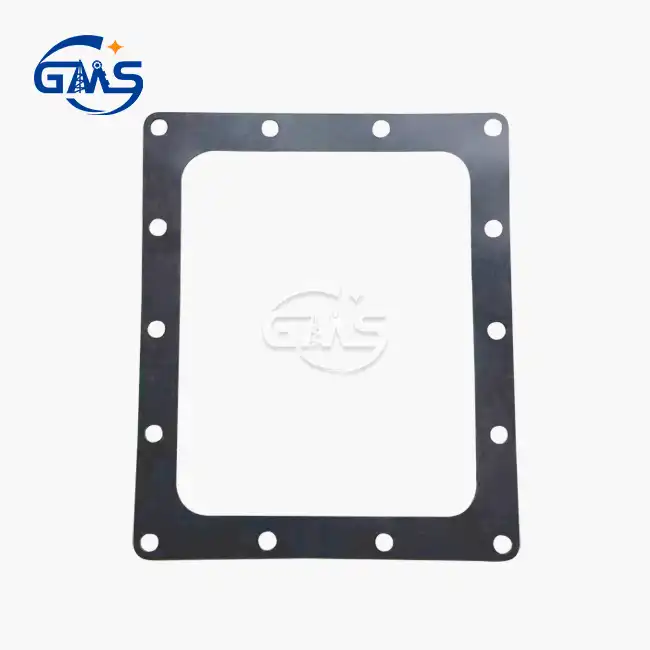
People who work in procurement can benefit from knowing that bearing cover seals work as a whole, not just as separate parts. The I.B.Brg.A cover makes a sealed space for bearings to live in an oil bath or a grease-filled environment. Gaskets, such as the 20625 Gasket, keep the housing flanges static-free. If any part of this unit breaks down, the cleaning system as a whole can get contaminated or lose fluid, which speeds up the wear patterns that cause the pump to fail completely.
Diagnosing and Troubleshooting Common Oil Seal & I.B.Brg.Cover Problems
When maintenance teams see early warning signs of seal degradation, they can schedule repairs for planned downtime instead of having to deal with failures that happen out of the blue. If you can see oil leaking around the inside of the pump case, it's likely that the primary seal lip has worn down or hardened, making it less able to touch the moving shaft. This sign usually shows up slowly, so replacement can be done before damage to the bearings happens.
If the bearing case is making too much heat, it could mean that there are problems with the oil seal, I.B.Brg.Cover for 250 Centrifugal Pump (P/N 20619-01 648408300). If the shaft bends too much, it can push the seal lip against the shaft at odd angles, which causes friction and speeds up wear. On the other hand, gritty particles in the lube cause the seal lip and shaft surface to lap against each other, quickly breaking down both parts. Using thermal imaging for regular checks can find temperature problems before they become obvious, which gives you important time to plan your maintenance.
Noise patterns that don't make sense coming from the pump drive end are often a sign of bearing trouble caused by poor sealing. When drilling mud gets past the main oil seal and the exclusion seal, it contaminates the oil and makes grinding sounds as the pieces move through the bearing surfaces. If there are any changes in the acoustic signature, maintenance professionals should look into them because replacing the bearings costs a lot more than replacing the seals, and the installation process often takes a long time.
Corrosion on the outside of the I.B.Brg.Cover could mean that the internal seal has failed, letting process fluids move along the shaft surfaces. This condition is especially bad when working with acidic or chloride-rich fluids, which can happen in some oil and gas situations. During routine repair, a visual check should look for surface pitting, discoloration, or chemical spots near the contact of the bearing housing.
Impact damage from bad treatment during previous repair tasks can sometimes weaken the structural integrity of the bearing cover. Even small dents or deformations can change the shape of the housing, which stops the gasket from compressing properly and creates leak paths. To protect replacement parts before they are installed, procurement managers should stress the right way to store and handle them.
Step-by-Step Maintenance and Replacement Guide for Oil Seal & I.B.Brg.Cover
Accurate measurements are the key to replacing an Oil seal, I.B.Brg.Cover for 250 Centrifugal Pump correctly. Before buying parts, maintenance teams should use precision tools to check the shaft diameter at the seal contact area for wear grooves that could affect how well the new seal works. To make sure the seal outer diameter interference fit is right, the housing bore diameter must also be measured. Our GMS oil seal kits come with exact measurements that match Mission Magnum I and similar 250-frame pumps with 2.5-inch shafts. This takes the guessing out of buying them.
The first step in replacing something is to clean up the work area and check each part. After draining the bearing oil and taking off the inboard bearing cover, techs should carefully clean all the areas that touch each other, getting rid of old gasket material and buildups. If you look closely at the removed seal, you can see wear patterns that help you figure out what went wrong. For example, uneven wear means that the shaft isn't lined up right, and circular scoring means that there are contamination problems that need more than just replacing the seal.
To avoid damage, you need to be very careful when installing the new GMS25010C oil seal. A seal placement tool that only touches the metal case and not the rubber lip should be used to press the seal firmly into the bearing cover bore. When you drive against the lip, it permanently changes shape, which stops it from closing properly. A thin layer of clean bearing oil on the seal lip lowers the friction during installation and stops the machine from running dry when it first starts up. The GMS25010F exclusion seal can be mounted in the same way, making the two-barrier protection system that is needed for rough work settings.
Before putting the pump back into service, post-installation testing makes sure that the unit is still solid. Checking the torque specs on the bolts stops them from being too tight, which can cause leaks, or too loose, which can damage the housing surfaces. By turning the shaft by hand, you can be sure that it works smoothly and doesn't have any locking or strange resistance that could mean that the seals are interfering. Adding the right grade and amount of bearing lubricant is the last step in the maintenance process. Any problems that happen during the vital break-in time will be found during the initial run-in tracking.
Choosing the Right Oil Seal and I.B.Brg.Cover for Your 250 Centrifugal Pump
To choose the right sealing parts, you have to match the properties of the materials to the actual operating conditions. Because they are made of metal and Buna-N, our Oil seal, I.B.Brg.Covers for 250 Centrifugal Pump kits work well with most 250 pump uses and can handle temperatures up to 250°F for mineral oils and manufactured greases. This mix of materials is strong enough to handle shaking and shaft runout while keeping the sealing contact pressure constant over the normal service life.
When pumping fluids that could come into contact with sealing surfaces through splash or air exposure, chemical compatibility analysis is very important. During normal operation, the bearing space is kept away from process fluids. However, when choosing a seal, it is important to think about how it might be exposed during maintenance or when things go wrong. Buna-N is resistant to aliphatic hydrocarbons well, but it may break down when exposed to some aromatic compounds. This means that the conditions at the site need to be carefully studied.
Cost factors include more than just the original price of the parts; they also include the total costs of ownership. Our GMS oil seal kits work just as well as well-known brands, and they're also very cheap, which means that businesses that take care of multiple pump installations can save a lot of money on maintenance costs. The GMS25010C's 0.06 kg weight makes it easier to manage inventory and saves money on shipping costs compared to heavier seal designs.
Quality approvals let you know that the parts you're buying meet strict manufacturing standards. GMS keeps its ISO 9001 certification, which shows that our production processes include structured quality controls, from checking the raw materials to doing the final inspection. This certification meets the standards for recorded quality systems in buying, making the process of qualifying vendors easier for industrial buyers.
Precision in measurements makes sure that it can be dropped in and work with existing equipment. Our bearing cover seals are made to fit 250 series centrifugal pumps perfectly, so you don't have to worry about fitment issues or extra time spent installing them. This interchangeability is especially helpful for businesses that have to keep track of mixed teams or handle emergency repairs where the length of downtime depends on how quickly parts can be found.
Procurement and Supply Chain Considerations for Oil Seals and I.B.Brg.Cover
Strategic buying for Oil seal, I.B.Brg.Cover for 250 Centrifugal Pump (P/N P25IBBOS) parts strikes a balance between a number of factors that affect the continuation of operations. Many choices about what to buy are based on lead times. This is especially true when it comes to handling the inventory of important spare parts for drilling sites that are far away, where delays in parts directly mean lost production. GMS keeps a lot of stock on hand for all of our centrifugal pump seal products. This lets us fulfill orders quickly and support just-in-time repair plans without having to pay a lot for on-site storage.
Businesses that are in charge of handling multiple pump installations at different places can save a lot of money by signing bulk purchasing agreements. Volume discounts lower the cost per unit, and guaranteed supply allocations keep the market from running out of supplies when demand is high in the industry. Our flexible leasing terms can adapt to different patterns of consumption, so purchasing managers can get the most out of their goods without having to pay extra for fast shipping during unplanned maintenance.
Access to technical support is what sets capable suppliers apart from simple parts distributors. The GMS tech staff helps with applications, fixes problems, and looks into why things went wrong in a way that goes beyond transactional sales ties. When chronic sealing issues point to system problems rather than defective parts, our technical team works with the customer's support staff to find the root causes and put in place effective solutions. This consultative method lowers the overall cost of repair by stopping failures from happening over and over again.
Product certification and traceability documentation meet the needs of audits for businesses that care about quality. Each GMS oil seal kit comes with material certificates that show it meets certain standards. This gives you the proof you need to keep records for maintenance and follow the rules. This paperwork is especially helpful for businesses that have to follow rules set by the industry or for internal quality control systems that need to be able to track down parts.
After-sales support shows how committed a company is to the success of its customers after the product has been delivered. Our helpful customer service team answers questions right away because they know that maintenance questions often come up during repairs, which makes the effects on operations even worse. Because we focus on service and have been in this business for ten years, GMS is a reliable partner for procurement workers who are in charge of handling complicated supply chains across operations in different places.
Conclusion
In conclusion, maintaining the Oil seal, I.B.Brg.Cover for 250 Centrifugal Pump components properly has a direct effect on the dependability and operating costs of 250 centrifugal pumps used in oil and gas drilling. Knowing how oil seals and I.B.Brg.Covers work lets you choose the right parts and put them correctly, which in turn increases the time between repair intervals. Precision bearing cover seals from GMS, such as P/N GMS25010C, GMS25010F, and GMS25013C, are made by the company and are known for their reliable performance, low prices, and quick supply chain support. Our ISO-certified production processes guarantee consistent quality, and our large inventory makes it possible to quickly fill orders for both regular maintenance and fixes that need to be done right away. With quality products, technical know-how, and flexible service options, procurement managers get a reliable supply partner whose goal is to lower the total cost of ownership.
FAQ
1. How often should oil seals and I.B.Brg.Covers be inspected?
The frequency of inspections depends on how hard the work is, but eye checks every three months are good for most oil and gas uses. During checks, look for signs of oil leakage, discoloration in the case, or strange bearing noise. In places with a lot of shaking or abrasive fluid contact, it may be necessary to check on things once a month to find wear and tear before it causes bearing damage.
2. What causes persistent leakage after installing new seals?
Leaks that don't go away are usually caused by damage to the shaft's surface, bad installation techniques, or choosing the wrong parts. Check the shaft for wear lines where the seal contacts it. These can be fixed by sleeving or milling the shaft. Make sure that the installation tools only touch the seal's outer case and not its lip, and make sure that the housing bore is clean before putting the seal back in place.
3. Can different seal materials be substituted for Buna-N construction?
Buna-N is good for most uses, but there are other elastomers that can be used in certain situations. To make the choice, we need to look at high temperatures, chemical exposure, and how well the material works with bearing oils. Before replacing materials, talk to technical help to make sure the new ones will still do the job of closing without causing problems with compatibility.
Partner with GMS for Reliable Oil Seal, I.B.Brg.Cover for 250 Centrifugal Pump Solutions
GMS has been a reliable Oil seal, I.B.Brg.Cover for 250 Centrifugal Pump source for over ten years, working with businesses all over North America. The full bearing protection system we sell includes the GMS25010C oil seal (P/N 20619-01), the GMS25010F exclusion seal (P/N 20620-01), and the GMS25013C offshore bearing seal (P/N 20619-02). All of these products are made under ISO 9001 certification to make sure they are always of high quality. We keep a lot of inventory on hand so that we can ship items that are in stock the same day. This cuts down on the time it takes to get things and helps with unplanned maintenance needs. Our expert team helps you choose the right seals and install them correctly so they last as long as possible. They do this by giving you application advice and repair support. Get in touch with our sales team at sales@gmssupply.com to talk about your specific needs and find out how our quality goods, low prices, and quick service help maintenance and procurement workers who are in charge of important pumping equipment.
The above-mentioned brands are used for part number reference only. GMS is not an authorized agent or representative of any of the brands mentioned.
References
1. Bloch, Heinz P. and Allan R. Budris. Pump User's Handbook: Life Extension. Fourth Edition. Fairmont Press, 2014.
2. Karassik, Igor J., et al. Pump Handbook. Fourth Edition. McGraw-Hill Education, 2008.
3. Neale, Michael J. The Tribology Handbook. Second Edition. Butterworth-Heinemann, 1995.
4. Summers-Smith, Derek. Mechanical Seal Practice for Improved Performance. Institution of Mechanical Engineers, 1992.
5. American Petroleum Institute. API Standard 610: Centrifugal Pumps for Petroleum, Petrochemical and Natural Gas Industries. Eleventh Edition, 2010.
6. Hydraulic Institute. ANSI/HI 9.6.6: Centrifugal and Vertical Pumps for Allowable Operating Region. Hydraulic Institute Standards, 2017.
_1754030508098.webp)
_1751944808444.webp)
Learn about our latest products and discounts through SMS or email