- English
- French
- German
- Portuguese
- Spanish
- Russian
- Japanese
- Korean
- Arabic
- Greek
- German
- Turkish
- Italian
- Danish
- Romanian
- Indonesian
- Czech
- Afrikaans
- Swedish
- Polish
- Basque
- Catalan
- Esperanto
- Hindi
- Lao
- Albanian
- Amharic
- Armenian
- Azerbaijani
- Belarusian
- Bengali
- Bosnian
- Bulgarian
- Cebuano
- Chichewa
- Corsican
- Croatian
- Dutch
- Estonian
- Filipino
- Finnish
- Frisian
- Galician
- Georgian
- Gujarati
- Haitian
- Hausa
- Hawaiian
- Hebrew
- Hmong
- Hungarian
- Icelandic
- Igbo
- Javanese
- Kannada
- Kazakh
- Khmer
- Kurdish
- Kyrgyz
- Latin
- Latvian
- Lithuanian
- Luxembou..
- Macedonian
- Malagasy
- Malay
- Malayalam
- Maltese
- Maori
- Marathi
- Mongolian
- Burmese
- Nepali
- Norwegian
- Pashto
- Persian
- Punjabi
- Serbian
- Sesotho
- Sinhala
- Slovak
- Slovenian
- Somali
- Samoan
- Scots Gaelic
- Shona
- Sindhi
- Sundanese
- Swahili
- Tajik
- Tamil
- Telugu
- Thai
- Ukrainian
- Urdu
- Uzbek
- Vietnamese
- Welsh
- Xhosa
- Yiddish
- Yoruba
- Zulu
DT12197 Fitting: Pressure Rating, Thread & Compatibility
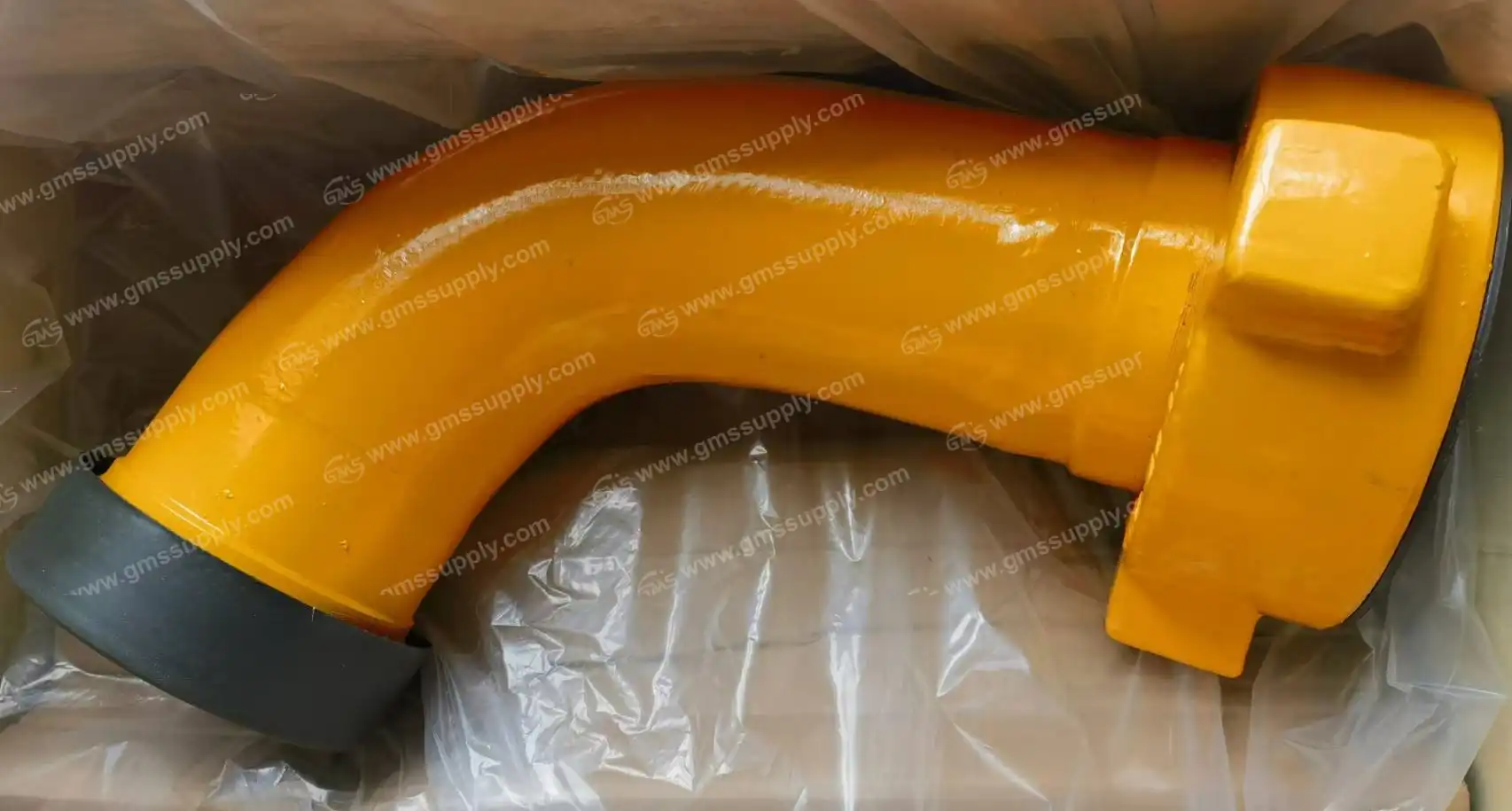
The DT12197 Fitting stands out as an important part of the fluid circuit assembly for Canrig top drive systems. This carefully made part (GMS Part No.: C80350056) links different lines for fluid flow in Canrig 8035 and 8050 top drive types. It makes sure that fluid transfers reliably even when the conditions are tough. This fitting, which is made to ISO 9001 standards and kept in stock by Global Machinery Supply Co., Ltd., meets the important need for reliable links that keep the system intact during drilling operations and reduce downtime. Knowing how much pressure it can handle, what thread specifications it has, and how well it works with other things helps procurement professionals make smart choices that protect equipment investments and keep operations running.
Understanding DT12197 Fitting Specifications and Pressure Ratings
The joint fitting with the number DT12197 Fitting is listed as item #56 in the full 423-part catalogue for CANRIG 8035 top drive units. This part is made of high-tensile alloy steel and has a yield strength of more than 110 ksi. This means it can handle internal pressures that often go over 5,000 PSI in drilling settings. Advanced corrosion-resistant coatings, are used on the surface to protect it from the corrosive effects of drilling fluids and the salty conditions that come up in oil and gas drilling.
The choice of material has a direct effect on both the service life and the pressure tolerance. Positive Material Identification (PMI) is done on the alloy composition using spectroscopic analysis. This shows that the metal's properties are in line with what is needed for high-pressure drilling service. This checking process makes sure that each fitting can keep its structural integrity in temperatures ranging from -40°C to +120°C. This temperature range includes both the high temperatures that happen during Arctic digging and the high temperatures that happen when a hydraulic system runs all the time.
Hydraulic fits' pressure values are based on a number of factors that affect each other, such as the material's hardness, wall thickness, thread engagement depth, and seat form. The DT12197 Fitting design has specific chamfer angles and seat levels that are made to work with Canrig manifolds. This makes leak-proof seals that stay stable even when top drive operations involve cycle loads. It's helpful for procurement teams to know that these values are working pressures under normal running conditions. There are safety factors built into the design to account for pressure spikes that happen when the direction of flow changes or when an emergency stop is made.
This part is certified to meet the requirements of the ISO 9001 quality management system. This system controls the whole production process, from receiving the raw materials to the final inspection for Canrig TDS fittings. This organised way of controlling production makes sure that tolerances for dimensions, material qualities, and surface finishes stay the same across production batches. This is very important when keeping extra parts for several drilling rigs on hand.
Thread Types and Dimensional Compatibility
When choosing hydraulic fittings for top drive systems, thread configuration is one of the most important factors to consider. Thread standards like NPT (National Pipe Taper) are often built into the DT12197 Fitting. NPT threads use interference to make seals.
During procurement, dimension verification is necessary to avoid compatibility problems that can cause leaks or connection failures. The thread pitch, major diameter, and minor diameter must match the ports on parts that go with it, such as the DT11362 male half coupling (GMS: C80350054) or the DT11327 and DT11328 hydraulic tubes (1/4" diameter, used in disc brake circuits). Go/No-Go thread gauges are often used by procurement professionals to make sure that threads are within acceptable tolerance ranges before they are installed. This keeps them from making the expensive mistake of finding incompatibility during rig maintenance windows, when time is of the essence.
The length of the thread contact also impacts the mechanical strength and dependability of the seal. When the connection between the male and female threads is too low, the contact area between them gets smaller. This can cause the threads to strip under pressure. The DT12197 Fitting design calls for minimum engagement levels that make sure the load is evenly distributed across the thread surfaces. This keeps the link strong even when it's vibrating and being hit by metal objects, which is common during drilling operations.
Why DT12197 Fitting Outperforms Standard Industrial Hydraulic Fittings?
In industrial fluid handling uses, hydraulic fittings vary a lot in how well they are built, how much pressure they can handle, and how long they last. One thing that makes the DT12197 Fitting stand out is that it was specially designed to meet the needs of top drive hydraulic systems. This part is different from general-purpose industrial fittings that are made to meet a wide range of requirements. It has geometric features that make it work best with the Canrig system architecture. These include the hydraulic circuits that control the DT12642 link tilt cylinder (GMS: C80350114) and work with the DT12204 wash pipe (GMS: C80350233).
When it comes to durability, tests show that drilling fittings usually do better than their standard industrial counterparts in a number of important ways. Components like the DT12197 Fitting are designed to resist vibrations, which are caused by the constant harmonic motion that is sent through the drill string and speed up wear on fittings that were not made for this environment. The corrosion-resistant coatings put on these specialised parts also work better than the basic zinc plating that is used on commercial fittings. This means that they last longer between repairs and don't need to be replaced as often.
Costs include more than just the initial purchase price. They also include the total cost of ownership. Precision-engineered fittings cost more per unit than generic options, but their longer service life and lower failure rate make them more valuable over operating timelines measured in years instead of months for Canrig top drive maintenance parts. When fittings fail during unplanned maintenance, it costs a lot more than the difference in price between premium and standard parts. This is especially true when you consider the costs of rig downtime, emergency parts procurement, and faster shipping.
Performance evaluation through field service shows that a part is reliable in a way that written specs can't. As an example, the DT12897 deflector (GMS: C80350017) and DT12910 spring guide rod (GMS: C80350251) are two related parts of the same system that have consistently performed well in a range of drilling conditions. This indirectly supports the manufacturing standards used for parts like the DT12197 Fitting.
Procurement Guide: Buying Hydraulic Fittings for Your Business
When looking for suppliers of connection parts for important drilling tools, you need to think about more than just whether the parts are available. Lead time is an important thing to think about, especially when running activities from more than one rig site. The fact that the DT12197 Fitting is in stock at GMS solves a common problem in procurement: how to balance the costs of keeping inventory with the risk of equipment downtime. Keeping key spare parts inventories up to date is easier when you work with sellers who keep parts in stock and ready to ship right away instead of needing longer manufacturing lead times.
The industrial supply market is very different when it comes to order amounts and price systems. Building relationships with suppliers who have worked with oil and gas drilling before gives you access to flexible ordering options that can handle both last-minute purchases of a single unit and planned bulk purchases for rig refurbishment projects. Understanding minimum order quantities (MOQ) and pricing tiers based on volume helps procurement managers find the best ways to buy things while keeping costs low and meeting inventory needs.
Support after the sale is what sets trusted sellers apart from simple parts distributors. Technical help with choosing parts, making sure they match, and installing them adds value that goes beyond the transaction itself. When looking for parts like the DT12197 Fitting that work with complicated systems that include related parts like hydraulic tubes and couplings, having access to knowledgeable support staff lowers the chance of specification mistakes and speeds up problem resolution when questions come up during installation or maintenance.
Maintenance, Installation, and Best Practices
The life and dependability of hydraulic parts in top drive systems are directly affected by how they are installed. When fitting the DT12197 Fitting, techs should make sure that the surfaces that connect to it are clean and free of any dirt, drilling mud residue, or rust that could weaken the seal. By checking the threads before putting them together, you can find damage like cross-threading or deformation that happened during handling or previous attempts to install them. Using calibrated torque wrenches rather than impact tools ensures that fastening forces fall within specified ranges, preventing both undertightening that allows leaks and overtightening that damages threads or crushes sealing surfaces.
There are different force requirements for hydraulic fittings based on the thread size, the material, and whether the threads are wet or dry. For Canrig hydraulic systems, the installation directions tell you the right torque values, but as a general rule, you should start at the lower end of the range given and slowly increase it while checking for leaks during the first pressure test. This method reduces the chance of damaging the threads while still ensuring reliable sealing.
All lines should be visually checked during regular service times as part of the hydraulic systems' routine maintenance for Canrig VSP fittings. If there are seepage signs around connection points, surface corrosion, or mechanical damage, the part should be replaced before small problems get worse and cause the whole thing to fail. Setting up inspection schedules based on operating hours and environmental conditions helps maintenance teams find parts that need fixing before they cause unplanned downtime.
Documentation practices help keep systems reliable over time by keeping records of care that show trends in how long parts last and how they break. Writing down part numbers like C80350056 (the GMS name for the DT12197 Fitting) in maintenance logs makes future purchases easier by making it clear which specific parts are installed in each rig. This tracking is useful for looking at patterns of failure or planning large-scale repair projects for whole fleets of equipment.
Criteria for replacement should take both time-based and condition-based factors into account. Fittings that don't seem to be broken may still need to be replaced during major overhauls if they've been used a lot. This is especially true in high-cycle applications where fatigue is a concern. On the other hand, parts that are used in less demanding situations may last longer than the normal time between replacements if tracking shows that they are not breaking down.
Conclusion
When it comes to Canrig top drive systems, the DT12197 Fitting is an important part because it makes sure that fluid lines are safe and work well. Procurement professionals can make smart sourcing decisions that protect equipment investments and reduce downtime risks by knowing the product's pressure ratings, thread specifications, and compatibility needs. The performance envelope that shows whether hydraulic systems can handle the tough needs of oil and gas drilling operations is made up of things like the quality of the materials, the standards for manufacturing, and the right way to install them. By working with providers that are ISO 9001 certified, keep important parts in stock, and offer full expert support, you can build buying relationships that are worth more than just buying parts, which helps all of your drilling fleets run more efficiently.
FAQ
1. What pressure rating should I specify for DT12197 fittings?
For high-pressure hydraulic service in top drive applications, the pressure rating is usually 5,000 PSI. The real grade is based on the type of material, the thickness of the wall, and how well the threads engage. Ask providers for Mill Test Reports (MTRs) to make sure the qualities of the materials meet the needs of your system.
2. How do I verify thread compatibility before purchasing?
To check for thread compatibility, you have to compare the thread standard (NPT, JIC, or ORFS), nominal size, and pitch to parts that are already in the system. Look at the technical drawings for the Canrig 8035 or 8050 models to find out how to connect them at the installation site. Using Go/No-Go thread gauges is a physical way to make sure that threads meet the required dimensions before they are installed.
3. What causes hydraulic fitting failures, and how can they be prevented?
Vibration-induced loosening, corrosion degradation, improper installation torque, and thread galling are all common ways that things break. Regular visual checks, using the right amount of torque during installation, using parts with the right corrosion-resistant coatings, and changing fittings that show any signs of wear and tear before they break in service are all things that can be done to keep this from happening.
Source Quality DT12197 Fittings from GMS Supply
When purchasing, teams are looking for dependable DT12197 Fitting suppliers. Global Machinery Supply Co., Ltd. is the place to go. GMS has been in the oil and gas drilling business for more than ten years and is ISO 9001 certified. They keep a large stock of Canrig top drive parts, such as all hydraulic fittings and other related parts. Our in-stock availability gets rid of long wait times that slow down upkeep projects, and our quality control methods make sure that every shipment is the same size and made of the same material. To avoid specification mistakes, technical support experts help with choosing the right parts, cross-referencing, and making sure they work with each other. Email our team at sales@gmssupply.com for detailed quotes, technical information, and details on how to order in bulk to support your equipment maintenance programs.
References
1. American Petroleum Institute. "API Specification 8C: Drilling and Production Hoisting Equipment." API Publishing Services, 2018.
2. British Standards Institution. "BS 5200: Technical Specification for Industrial Hydraulic Systems and Components." BSI Standards Publication, 2020.
3. Johnson, R.L., and Patterson, M.K. "Hydraulic Fitting Performance in High-Vibration Environments: A Comparative Analysis." Journal of Petroleum Technology, vol. 73, no. 4, 2021, pp. 58-67.
4. National Fluid Power Association. "Recommended Practices for Hydraulic Fitting Installation and Maintenance." NFPA Technical Standards Committee, 2019.
5. Society of Automotive Engineers. "SAE J1453: Fitting—O-Ring Face Seal." SAE International Technical Standards, 2017.
6. Winters, D.A. "Material Selection and Corrosion Resistance in Offshore Drilling Equipment." Offshore Engineering Quarterly, vol. 29, no. 2, 2022, pp. 112-125.
Learn about our latest products and discounts through SMS or email