- English
- French
- German
- Portuguese
- Spanish
- Russian
- Japanese
- Korean
- Arabic
- Greek
- German
- Turkish
- Italian
- Danish
- Romanian
- Indonesian
- Czech
- Afrikaans
- Swedish
- Polish
- Basque
- Catalan
- Esperanto
- Hindi
- Lao
- Albanian
- Amharic
- Armenian
- Azerbaijani
- Belarusian
- Bengali
- Bosnian
- Bulgarian
- Cebuano
- Chichewa
- Corsican
- Croatian
- Dutch
- Estonian
- Filipino
- Finnish
- Frisian
- Galician
- Georgian
- Gujarati
- Haitian
- Hausa
- Hawaiian
- Hebrew
- Hmong
- Hungarian
- Icelandic
- Igbo
- Javanese
- Kannada
- Kazakh
- Khmer
- Kurdish
- Kyrgyz
- Latin
- Latvian
- Lithuanian
- Luxembou..
- Macedonian
- Malagasy
- Malay
- Malayalam
- Maltese
- Maori
- Marathi
- Mongolian
- Burmese
- Nepali
- Norwegian
- Pashto
- Persian
- Punjabi
- Serbian
- Sesotho
- Sinhala
- Slovak
- Slovenian
- Somali
- Samoan
- Scots Gaelic
- Shona
- Sindhi
- Sundanese
- Swahili
- Tajik
- Tamil
- Telugu
- Thai
- Ukrainian
- Urdu
- Uzbek
- Vietnamese
- Welsh
- Xhosa
- Yiddish
- Yoruba
- Zulu
GMS 250-8X6X14 Centrifugal Pump: Shaft Sleeve & Seal Guide
When working with industrial fluid handling systems in harsh oil and gas drilling settings, two important parts—shaft sleeves and mechanical seals—determine how long your centrifugal pump lasts and how well it works. The GMS 250-8X6X14 Centrifugal Pump has been used successfully in solid control and filling tasks, even when drilling mud is rough and high pressures put a lot of stress on the closing parts. Knowing how shaft sleeves and seals work, when to change them, and how to choose the right specs can cut down on unnecessary downtime and make equipment last longer. This guide gives procurement managers, MRO buyers, and expert decision-makers the information they need to keep pumps running smoothly and make smart buying choices.

Understanding the Role of Shaft Sleeves and Seals in Centrifugal Pumps
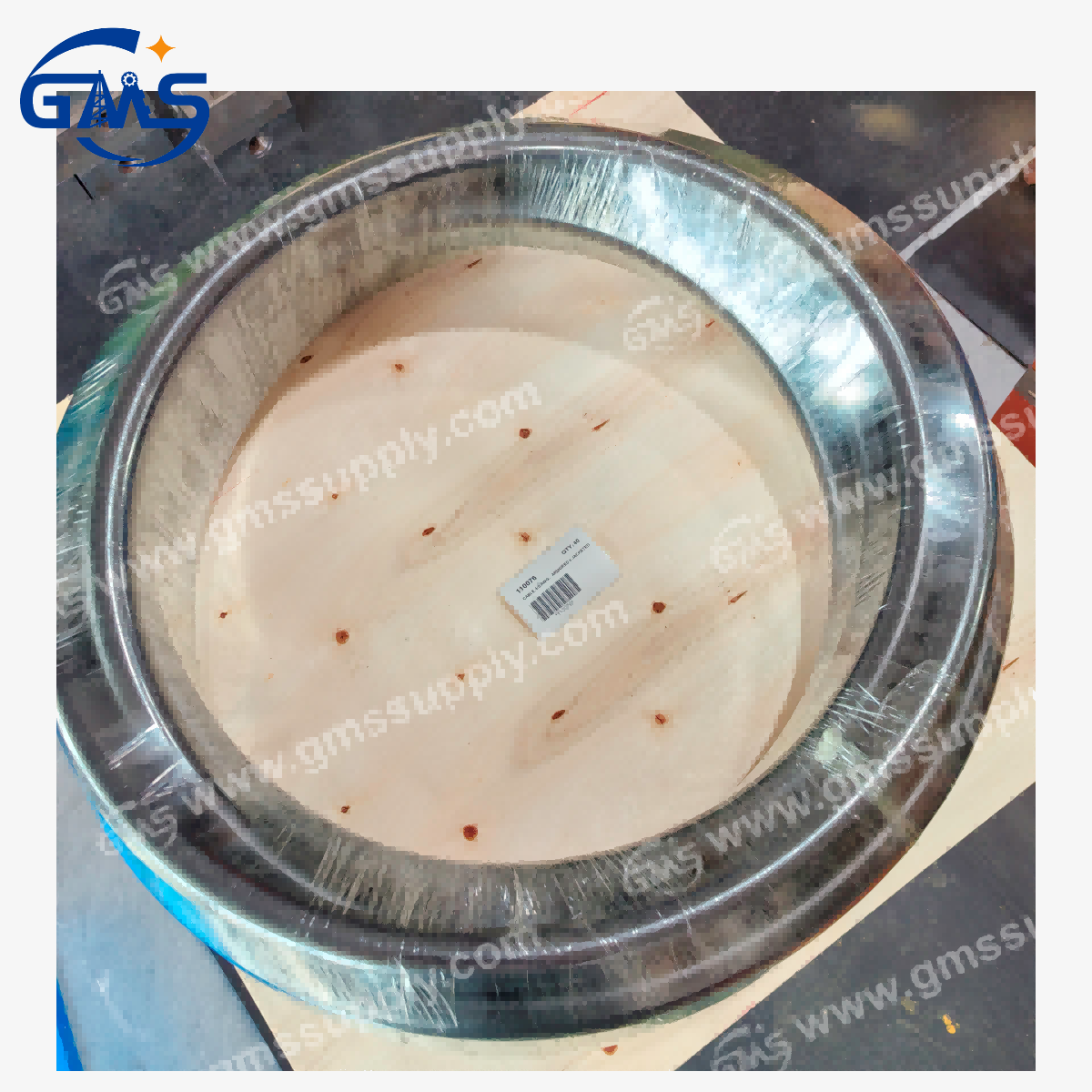
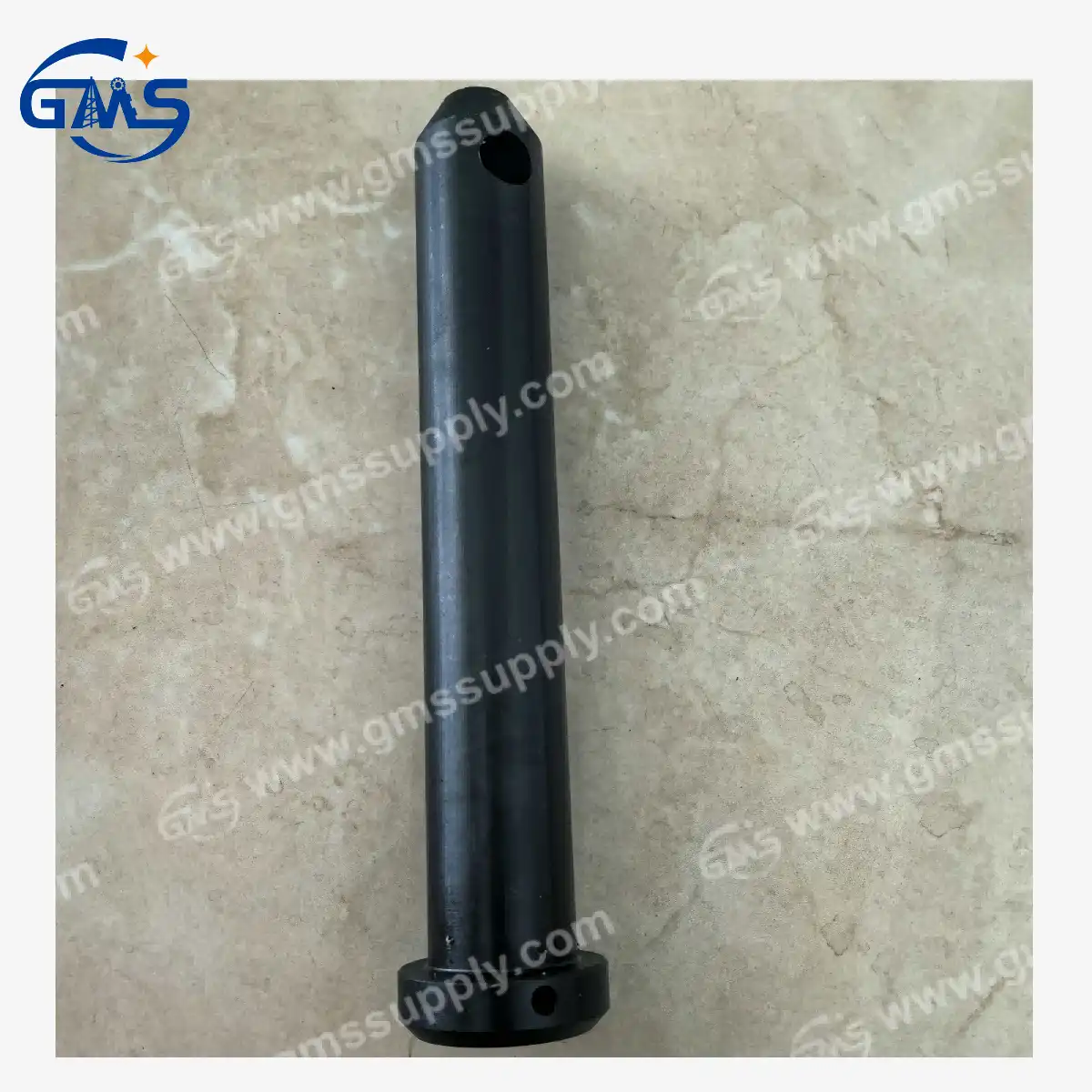
Together, the shaft covers and mechanical seals make up a barrier system that keeps things safe inside the pump unit. There are part numbers for the GMS 250 series that can be used to identify the shaft sleeve. It protects the pump shaft from sealing elements and toxic fluids by having a wearable surface that can be replaced. This way of thinking about design means that when the shaft wears out, operators can change a relatively cheap sleeve instead of the whole thing. This makes upkeep much cheaper.
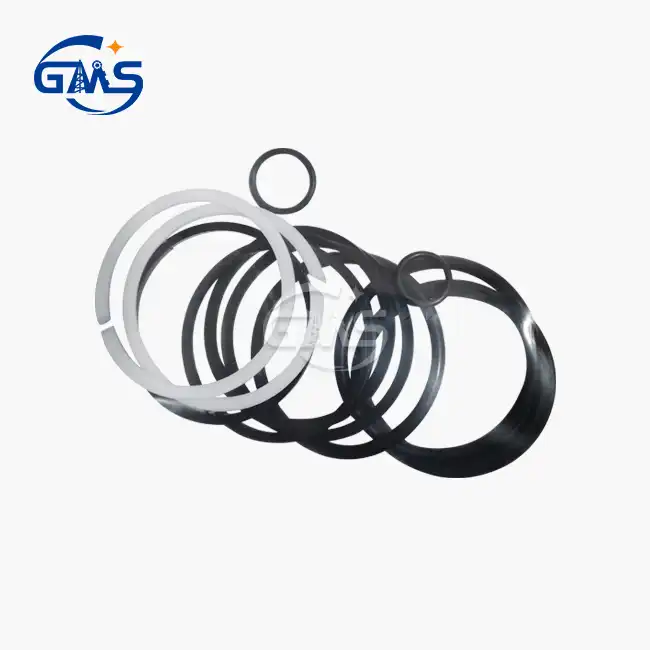
Mechanical seals keep fluid from escaping along the moving shaft. This keeps the pressure in the system steady and keeps the surroundings clean. The GMS 250-8X6X14 Centrifugal Pump has an 8-inch suction, a 6-inch output, and a 14-inch maximum rotor diameter. The seal assembly has to be able to handle the unique problems that come up with drilling mud that is full of rough particles. The seal sides are usually made of tungsten carbide instead of elastomer, which makes them very resistant to wear compared to regular rubber seals.
The choice of material for these parts has a direct effect on how reliable they are in use. Stainless steel alloys are used to make shaft covers that don't rust when drilling fluids hit them and keep their shape when temperatures change. To make sure the seal face is lined up correctly and the seal doesn't fail too soon, the concentricity between the outer diameter of the sleeve and the hole of the seal chamber must be kept within very tight limits. When choosing replacement parts, make sure that the material grade and size requirements fit your unique working conditions, such as the fluid chemistry, temperature range, and pressure parameters. This will ensure that the parts work well together and last as long as possible.
Maintenance Strategies for Shaft Sleeves and Seals
Setting up a preventative maintenance plan for shaft sleeves and seals will keep your GMS 250-8X6X14 Centrifugal Pump GMS 250 series pump running for longer and avoid catastrophic breakdowns. How often you inspect should depend on how you're using the equipment. For example, drilling operations usually need to be looked at every 500 to 750 hours, while less rough filling uses may go up to 1,000 hours or more between inspections.
Key inspection points and maintenance practices include:
- Visual examination of seal leakage: Small amounts of seepage around the seal gland may mean that weeping is normal, but constant dripping or spray patterns mean that the seal is about to fail and needs quick attention
- Shaft sleeve surface assessment: Use a scale indicator to find out how much runout the sleeve has and look for cutting, pitting, or groove formation that could make the seal face less stable
- Bearing temperature monitoring: High bearing temperatures often happen before seals fail because misalignment or instability affects both systems at the same time
- Lubrication system verification: Making sure that the mechanical seal springs and O-rings are properly oiled keeps them from sticking and keeps the seal face pressure steady
These maintenance tasks keep your investment safe and let you know early on when problems are starting to show up. Operators who keep detailed service logs can find trends that can be used to guess how long a part will last. This helps procurement teams keep the right amount of extra parts on hand and lowers the cost of getting them in an emergency.
Setting up baseline performance measures helps find small changes in pump behavior in addition to planned checks. By keeping an eye on the release pressure, flow rate, and power use, you can see how seal or turbine wear leads to efficiency losses. When your GMS 250-8X6X14 Centrifugal Pump needs more power to keep the same flow rate, it's probably worn down enough inside that it's now cost-effective to replace the part. GMS goods are certified by ISO 9001, which ensures that new parts keep the right measurements and materials for effective operation. This gives maintenance teams faith in the ability to swap out parts.
Installation Procedures and Selection Guidelines
If you place shaft covers and mechanical seals correctly, they will last as long as they're supposed to or break before their time in a centrifugal slurry pump. The GMS 250-8X6X14 Centrifugal Pump series can be used instead of Mission Magnum, MCM, Halco, Mattco, Harrisburg, and SPD Mud Hog pumps. It has standard installation steps that make it less likely that something will get broken while it's being put together.
Before you start installing, make sure that all of the mating surfaces are clean and that the seal chambers are checked for rust, burrs, or deposits that could get in the way of proper fitting. To keep the surface from cocking or getting damaged, the shaft sleeve must be installed with the right tools. Never hammer directly on the sleeve surface. Heating the tube slowly to 150–200°F can help with many setups. This lets the heat expand, which makes the installation easier, while avoiding temperatures that could change the metal's properties.
When installing a mechanical seal, it's important to pay extra attention to balance and cleaning. A big part of premature seal failures in the field is caused by contamination that was introduced during installation. Putting a small layer of clean hydraulic oil on the seal faces and elastomers while they are being put together stops them from getting dry during the first startup, which can damage the sealing surfaces right away. A measured tool must be used to torque the seal gland to the manufacturer's specs. Both under-tightening and over-tightening can damage the seal's performance.
The right shaft cover and seal specs will depend on the details of your application. Fluid compatibility is the most important factor in choosing materials. For example, drilling mud that contains chlorides or acidic chemicals may need materials that are better than normal stainless steel. Operating pressure impacts the choice of seal spring and the amount of load on the face, while high temperatures call for rubber compounds that are specially made to be thermally stable. Drawing on more than ten years of experience in oil drilling, building construction, and industrial processing, the GMS technical team gives application-specific advice to make sure that the parts you choose work with your system.
Sourcing Reliable GMS 250-8X6X14 Pump Components
When buying important pump parts like shaft sleeves and seals, you have to think about a lot of things, like price, delivery time, quality guarantee, and expert help. It has become clear that GMS Supply is a reliable source for high-quality centrifugal pump options that work just as well as the original equipment and are more cost-effective and faster to deliver.
Our GMS 250-8X6X14 Centrifugal Pumps are made with quality management systems that are ISO 9001 approved. These systems oversee every step of the production process, from checking the raw materials to making sure the finished product fits perfectly. This methodical approach makes sure that parts with GMS part numbers stay within the tight tolerances needed for them to fit and work properly in your current pump systems. Because GMS parts can be used with Mission Magnum, MCM, Halco, Mattco, Harrisburg, and SPD Mud Hog equipment, maintenance teams can add them to mixed fleets without having to use special tools or make changes.
Reliable delivery is a key competitive edge for businesses in pump for drilling mud where pump breakdowns directly affect production plans. GMS keeps a large stock of shaft covers, seal assemblies, centrifugal pump impellers, and cases for the 250 series. This means that stock items can be delivered in one week. When paired with flexible order numbers, this inventory strategy lets procurement managers keep the right amount of spare parts on hand without wasting too much money on parts that aren't used very often. Operators who are in charge of multiple pump installations or who are planning regular repair programs for their drilling fleets can save even more money by buying in bulk.
When it comes to operating reliability, technical help, and after-sales service, set real partners apart from suppliers of generic parts. The GMS team has a lot of experience with solid control systems and cementing uses. This lets us give you suggestions based on your needs instead of general product information. If you need help choosing the right seal face material for a certain drilling fluid, fixing a problem that keeps happening, or figuring out how to make the most of your preventative maintenance schedules, our technical staff is ready to help you right away. GMS is a desired provider for engineering procurement companies and drilling contractors working in global markets because they offer high-quality goods at low prices, deliver on time, and offer expert technical support.
Conclusion
Shaft plates and mechanical seals are two important wear parts that have a direct effect on how well and how reliably the GMS 250-8X6X14 Centrifugal Pump works in tough oil and gas drilling situations. Learning how they work to protect you, doing regular maintenance, installing them correctly, and getting good new parts from dependable sources are all important parts of running a cost-effective pump business. The GMS 250 series pumps work as well as Mission Magnum and other standard pumps in the industry, but they are delivered faster, come with better expert support, and have a lower total cost of ownership. When purchasing managers put quality assurance, accurate measurements, and response from suppliers at the top of their list of priorities, their operations are set up to be reliable for a long time and cost less to maintain.
FAQ
1. How often should the GMS 250-8X6X14 Centrifugal Pump's shaft covers and seals be changed?
Depending on the conditions of use, replacement times vary, but for drilling mud use, seals should be inspected every 500 to 750 hours and replaced every 1,500 to 2,500 hours. If they are taken care of, shaft covers can usually handle two or three seal changes. Watching for leaks, vibrations, and changes in performance is a better way to decide when to replace something than sticking to a set plan.
2. What kind of material should I ask for when I order shaft covers for gritty drilling mud?
Alloys made of stainless steel (316 or 410 grade) work well for most tasks. High-chrome metals are better at resisting wear when they are mixed with very rough fluids like sand or drill bits. Based on the chemistry of your fluid and the conditions under which it operates, the GMS technical team can suggest specific types of material.
3. Are GMS shaft sleeves and seals compatible with Mission Magnum pump assemblies?
Mission Magnum, MCM, Halco, Mattco, Harrisburg, and SPD Mud Hog tools can use the GMS 250 series parts because they are the same size. This compatibility lets you swap them directly without making any changes, but to make sure they fit your exact pump setup, please check part numbers with our technical team.
Partner with GMS for Reliable Centrifugal Pump Solutions
GMS has high-quality GMS 250-8X6X14 Centrifugal Pump parts, such as shaft covers, mechanical seals, impellers, and full pump systems, ready to help you with your fluid handling needs. We are a manufacturer and supplier with over ten years of experience and ISO 9001 certification. We provide reliable goods and quick service that keep your oil drilling operations going smoothly. Our large inventory means that stock items can be delivered in just one week, and our fluid approach means that we can handle both urgent orders for a single part and planned bulk purchases for major maintenance projects.
Maintenance managers and procurement specialists benefit from our technical support team's deep knowledge of solid control and cementing applications, providing guidance on component selection, installation procedures, and troubleshooting strategies. Contact our team at sales@gmssupply.com to discuss your specific requirements, request detailed specifications, or obtain competitive pricing for your next parts order. Whether you need a single seal assembly or components for an entire pump fleet, GMS combines quality products, expert service, and reliable delivery to support your operational goals.
References
1. Karassik, I.J., Messina, J.P., Cooper, P., and Heald, C.C. (2008). Pump Handbook, Fourth Edition. McGraw-Hill Professional.
2. Brennan, C.E. (1994). Hydrodynamics of Pumps. Oxford University Press.
3. Lobanoff, V.S. and Ross, R.R. (2013). Centrifugal Pumps: Design and Application, Second Edition. Gulf Professional Publishing.
4. API Standard 610 (2010). Centrifugal Pumps for Petroleum, Petrochemical and Natural Gas Industries. American Petroleum Institute.
5. Hydraulic Institute (2019). Mechanical Seal Application Guidelines for Centrifugal and Rotary Pumps. Hydraulic Institute Standards.
6. Wilson, K.C., Addie, G.R., Sellgren, A., and Clift, R. (2006). Slurry Transport Using Centrifugal Pumps, Third Edition. Springer Science & Business Media.
Learn about our latest products and discounts through SMS or email