- English
- French
- German
- Portuguese
- Spanish
- Russian
- Japanese
- Korean
- Arabic
- Greek
- German
- Turkish
- Italian
- Danish
- Romanian
- Indonesian
- Czech
- Afrikaans
- Swedish
- Polish
- Basque
- Catalan
- Esperanto
- Hindi
- Lao
- Albanian
- Amharic
- Armenian
- Azerbaijani
- Belarusian
- Bengali
- Bosnian
- Bulgarian
- Cebuano
- Chichewa
- Corsican
- Croatian
- Dutch
- Estonian
- Filipino
- Finnish
- Frisian
- Galician
- Georgian
- Gujarati
- Haitian
- Hausa
- Hawaiian
- Hebrew
- Hmong
- Hungarian
- Icelandic
- Igbo
- Javanese
- Kannada
- Kazakh
- Khmer
- Kurdish
- Kyrgyz
- Latin
- Latvian
- Lithuanian
- Luxembou..
- Macedonian
- Malagasy
- Malay
- Malayalam
- Maltese
- Maori
- Marathi
- Mongolian
- Burmese
- Nepali
- Norwegian
- Pashto
- Persian
- Punjabi
- Serbian
- Sesotho
- Sinhala
- Slovak
- Slovenian
- Somali
- Samoan
- Scots Gaelic
- Shona
- Sindhi
- Sundanese
- Swahili
- Tajik
- Tamil
- Telugu
- Thai
- Ukrainian
- Urdu
- Uzbek
- Vietnamese
- Welsh
- Xhosa
- Yiddish
- Yoruba
- Zulu
How Does the 30125052 Jaw Assembly Engage the Drill String?
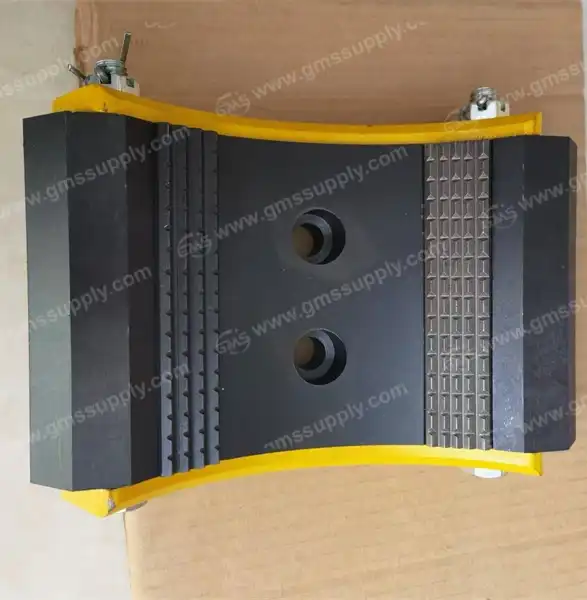
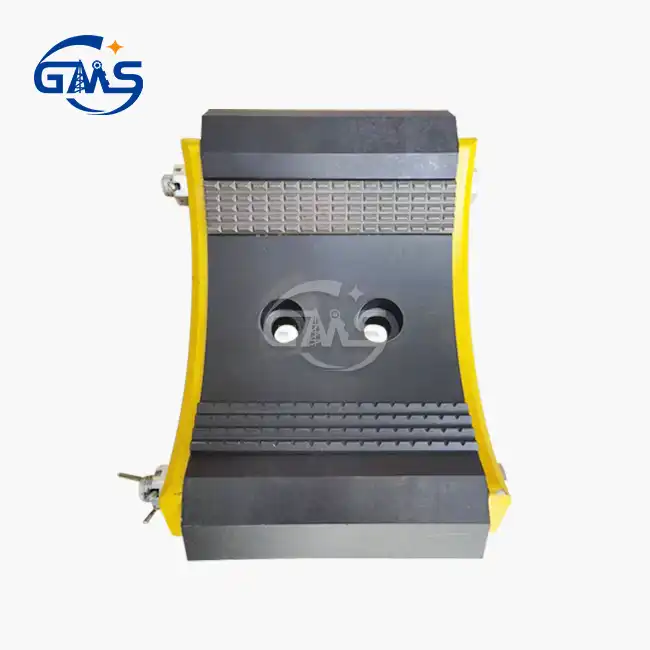
The 30125052 Jaw Assembly is a precision holding device that works inside the clamp cylinder assembly of top drive systems. Its job is to keep drilling tools in place while they are working. The clamp cylinder assembly (PH75 30157287) is activated by hydraulic pressure. The jaw assembly then turns this force into a mechanical grip that holds the drill string's tool joint firmly without slipping. This engagement keeps the torque gearbox efficient and stops rotation loss during the drilling cycle. This ensures operating consistency in tough oil and gas drilling settings where equipment reliability directly affects production.
Introduction
Every part of the oil and gas drilling processes is important for keeping things running smoothly and on time. In top drive systems, the jaw assembly is one of those important parts that purchase managers and repair engineers can't skip on. Understanding how parts like the 30125052 Jaw Assembly work is important for drilling crews that need to keep the tool joint in place even when the loads are changing, and the environment is tough.
I've been selling drilling parts to users across North America for ten years, and I've seen how the right choice of parts and repair plans can cut down on costly downtime. The purpose of this article is to talk about how this important top drive part works, how to fix problems, and how to buy it. The information in this article will help you make choices that are good for your operations and your budget, whether you are in charge of MRO supplies for a drilling contractor or equipment standards for upstream operations.
The next section talks about the technical function of this gripping mechanism, lists common operational problems, and gives useful advice on how to find reliable parts that meet the strict requirements of modern drilling environments.
Understanding the 30125052 Jaw Assembly and Its Role in Drill String Engagement
In top drive systems, the 30125052 Jaw Assembly is the mechanical link between hydraulic movement and the retention of the drill string. This part works as part of the Clamp Cylinder Assy PH75 (P/N 30157287) and is compatible with the TDS-11 and TDS-9SA types. It changes hydraulic pressure into a controlled gripping force around tool joints during drilling operations.

When hydraulic pressure is applied to the clamp cylinder, the jaw assembly closes around the drill string's tool joint with a controlled amount of force. The shape of the contact surface is designed to fit standard tool joint designs while keeping the surface from getting damaged, which could weaken the connection. During pipe handling activities, this mechanical action must happen quickly and keep a firm grip on loads that can be more than a few thousand foot-pounds of force.
The design of the part includes precisely polished contact areas that spread the clamping force evenly around the tool joint. This spreads out the stress so that it doesn't build up in one place and damage the pipe link or wear out the jaws too quickly. The choice of materials and heat treatment methods ensures that the gripping surfaces stay stable in size even after thousands of engagement cycles in environments with rough drilling fluid.
To make sure that parts like the 30125052 always work, the manufacturing specifications for them are very strict about the materials they use. The assembly usually uses alloy steels that are a good mix of hardness and impact resistance for the Varco TDS11 jaw assembly. This way, the steel doesn't break easily under shock loads and doesn't wear down quickly from repeated engagement cycles. Surface treatments make things less likely to rust, which is especially important when drilling fluids have corrosive additives or when work is done in places with a lot of salt.
ISO 9001 approval sets the standards for quality that ensure that measurements are correct and materials are the same from batch to batch. This standardisation is very important for maintenance work because it lets purchasing teams find parts knowing that the measurement tolerances will keep them fitting properly into existing clamp cylinder units without having to be machined or changed.
The jaw is part of the complete top drive assembly. It works with hydraulic cylinders, position sensors, and control electronics to make the system work together. When control signals are sent, the jaw assembly has to precisely engage the drill string during pipe handling sequences and cleanly release it when the drilling crew needs to move the string forward. For this coordinated operation to work, the machinery needs to be able to handle both the normal wear and tear and the shock loads that can happen when drilling goes wrong.
Precision-machined mounting areas and retention tools let the unit connect to a number of other parts. Using the right fitting torque and alignment steps will make sure that the jaw assembly works within its intended load lines. This will keep it from wearing out too quickly and keep the engagement reliable for as long as it's used.
Common Issues and Troubleshooting for the 30125052 Jaw Assembly
From working on different drilling sites, we know that there are a few problems that keep happening and make the 30125052 Jaw Assembly less effective. When repair teams notice these signs early, they can plan replacements before a broken part stops operations.
As the gripping surfaces contact the tool joints under load over and over, they wear down over time. Normal wear shows up as smooth touch areas on the engagement faces that get worse over hundreds of actions. During regular checks, maintenance staff should keep an eye on these surfaces and compare the sizes of the contact surfaces to the manufacturer's specs. If any contact point wears down more than 3 mm, it's time to replace it to keep engagement reliability problems from happening.
If you see unusual wear patterns like scoring, material transfer, or areas of heavy wear, you need to fix the problem right away. These patterns usually happen because the clamp cylinder assembly isn't lined up right, critical surfaces aren't properly oiled, or there is contamination in the hydraulic system that makes the actuation pressure go up and down. Getting to the root cause of the problem, along with replacing the parts, stops it from happening again and makes the replacement assembly last longer.
Consistent hydraulic pressure transfer is very important for the performance of the jaw system. Changing pressure can lead to either incomplete engagement or too much impact force during closure, both of which speed up wear and raise the risk of failure. As part of routine maintenance, the hydraulic pressure at the clamp cylinder should be checked to make sure the system works as intended by the manufacturer. If the pressure is too low, it won't provide enough gripping force, but if it's too high, it can damage both the jaw assembly and the tool joint surface.
When hydraulic fluid gets dirty, it brings in rough bits that hurt cylinder seals and cause pressure fluctuations. By regularly sampling and analysing fluids, contamination can be found before it does damage to the whole system. Making sure the fluid has the right viscosity for the temperature ranges it will be used in guarantees fast actuation and smooth mouth movement throughout the contact cycle.
Maintenance programs that work well set checkpoints based on operating hours instead of calendar time, since the amount of drilling done varies a lot from project to project. Visual inspections are done every 200 hours of operation to find problems early on. During these checks, the condition of the surface, the integrity of the retention hardware, and any signs of hydraulic fluid leakage around the mounting interfaces should be written down.
When it's time for maintenance or when looking at the part visually shows wear patterns that worry you, a detailed dimensional inspection using precision measuring tools should be done. By comparing measurements to baseline specifications, replacement decisions can be made based on factual information, which takes the guesswork out of planning maintenance. By writing down these measures, you can create past records that help you estimate how long a component will last under certain working conditions. This lets you plan your inventory more accurately for future operations.
Procurement Guide for the 30125052 Jaw Assembly
Finding important drilling parts means weighing a lot of things, like how real the parts are, how much they cost, how long they take to deliver, and how well the supplier can help you. When looking to buy the 30125052 Jaw Assembly, there are different types of suppliers, and each has its own benefits that depend on the needs of the operation for NOV TDS11SA maintenance overhaul spares.
There are several cross-reference numbers for this part, including 30125051, 125053, 30173233, 80492, and 122109. The main part number is 30125052. These different numbers might show up in old records or parts catalogues from different times. Cross-reference compatibility should be checked by procurement staff with seller technical support, as revisions can have small changes in specifications, even if they are used for the same thing.
When asking for quotes, making sure to include full equipment identification, such as the top drive type (TDS-11 or TDS-9SA) and serial number, helps providers confirm that the parts will fit perfectly. This step of verification stops ordering mistakes that cost a lot of money and lowers the chance of getting parts that need to be changed or sent back.
Standard wait times for this part range from being available right away for things that are in stock to four weeks for production runs that are made to order. Drilling contractors who run more than one rig can benefit from keeping a strategic inventory of important parts like jaw assemblies. This is especially true when working in remote areas where fast shipping options are limited or too expensive.
When you order in bulk, you can save a lot of money on each unit, especially when you're buying for more than one drilling job or combining your needs with those of other companies. Volume prices are usually offered when you buy five or more units, and the savings get better as you buy more. To find the right balance between inventory holding costs, volume price, and wait time risk, you need to carefully look at how things have been used in the past and how projects will be scheduled in the future.
ISO 9001 certification is a good starting point for ensuring the quality of manufacturing systems, but people who work in procurement should ask for more information about important parts. Material certifications that check the makeup of alloys and the heat treatment methods are a good way to make sure that parts meet the requirements of the design. Dimensional inspection reports that show compliance with important tolerance standards give you even more faith in the quality of the component.
Suppliers who give a lot of paperwork show that they care about quality control and being open and honest. This paperwork is very helpful during internal audits or when answering questions from regulators about how maintenance is done and where decisions about where to get parts are made. Having relationships with suppliers that put quality documentation first lowers the amount of work that needs to be done and helps meet compliance goals.
The aftermarket for drilling equipment has access to qualified makers in several countries through global supply chains. Production facilities in China, Europe, and North America serve this market. When making a purchase choice, you should think about not only the starting price of each part but also the total landed cost, which includes shipping, customs duties, and currency exchange rates.
When you need to replace something quickly, domestic suppliers often offer advantages in how quickly they can respond to your messages and ship your order. For planned purchases where longer lead times are okay, international suppliers may offer lower prices. Diversifying your relationships with suppliers across different areas makes your supply chain more resilient. It protects your operations against regional problems that could affect the availability of parts.
Enhancing Drill String Engagement: Best Practices and Future Outlook
To get the most out of 30125052 Jaw Assembly performance and service life, you need to pay attention to operational practices that go beyond choosing the component and installing it. When drilling crews and maintenance teams work together, they can set up processes that protect investments in tools while keeping operations running smoothly.
Proper engagement technique has a big effect on how long a component lasts. Before engaging the jaws, operators should make sure the drill string is still so that there is no dynamic loading, which speeds up wear. When working in cold weather, the hydraulic system needs to warm up to make sure that the fluid viscosity allows for smooth, controlled movement instead of sudden engagement that shocks mechanical parts.
Watching the force loads while drilling lets you know right away if there are problems with the contact. Unexpected changes in torque or slow increases in baseline torque could be signs of grip problems that need maintenance. Modern top drive control systems often have data logging features that record these factors. This lets you look at trends, which helps with methods to plan repair.
The jaw assembly works in a hydraulic environment, but some contact surfaces need extra lubrication while they are being put together and when they are being maintained. When applied to threaded retention hardware, anti-seize chemicals stop galling and make sure that the right torque values are used during installation. These chemicals need to be able to work with the hydraulic fluids and high temperatures that are common in drilling sites.
Every so often, the clamp cylinder unit should be checked to make sure that hydraulic fluid is getting to all the places it's supposed to be. Even if there is enough fluid in the main hydraulic system, dry contact zones can form because of blocked passages or damaged seals. As part of routine maintenance, you should check that fluid flow and pressure are correct at important greasing spots.
Manufacturers of components keep improving the designs of jaw assemblies based on feedback from operators and experience in the field. New inventions include better surface treatments that make things last longer against wear and changed engagement shapes that make it easier for contact pressures to be spread out. Over time, these small changes add up to longer service lives and higher reliability for drilling activities.
If procurement managers know how designs change over time, they can use that knowledge to make smart decisions about replacements that include these improvements. While still working with older technology, upgraded parts often provide noticeable speed gains without the need to make changes to the system. By working with suppliers who are technically savvy, you can get information about these changes and advice on how to take advantage of upgrade opportunities.
The global market for drilling equipment parts is always changing as users look for dependable suppliers of key parts while keeping costs down. Parts that meet strict quality standards can now be bought at competitive prices from qualified makers outside of traditional supply routes. This larger pool of suppliers gives procurement professionals more negotiating power and supply chain flexibility.
Conclusion
In oil and gas drilling, the 30125052 Jaw Assembly's job of keeping the drill string securely engaged has a direct effect on how well the operations run and how reliable the equipment is. Procurement and engineering professionals can protect their equipment investments and reduce the risk of downtime by understanding the mechanical principles that govern how parts work, recognising common failure modes, and putting in place good maintenance practices.
To successfully source components, you need to find a balance between quality control and cost management. This means carefully evaluating suppliers and paying close attention to paperwork that confirms manufacturing standards. The growing network of global suppliers makes it possible to cut costs without lowering the standards of dependability that drilling operations need.
As drilling technology keeps getting better, part designs change to keep up with higher performance standards. By keeping up with these changes and keeping in touch with skilled providers, businesses can take advantage of new ideas that make operations more efficient and lower the total cost of ownership.
FAQ
1. What inspection frequency is recommended for jaw assemblies in active drilling operations?
Every 200 hours, the surface should be inspected visually to record its state and look for damage or wear patterns that don't seem right. When it's time for maintenance or whenever a visual inspection shows problems, a detailed dimensional inspection using precision measurement tools should be done. When operations take place in harsh or demanding conditions, they may need to be inspected more often to catch problems as they start to happen before they affect the effectiveness of operations.
2. How can operators distinguish between normal wear and conditions requiring immediate replacement?
Normal wear shows up as even, slow polishing across the contact surfaces that happens over hundreds of engagement cycles. When the contact surface wears down more than 3 mm, when cracks show up near the mounting points, or when the engagement force drops noticeably, it's time to replace it. If there are sudden changes in how the engagement works, strange noises when the mechanism is actuated, or obvious deformation, these are all signs that something needs quick attention and probably a new part before it can be used again.
3. Are there ways to make changes to different tool joint specifications?
The designs of 30125052 Jaw Assemblies are made to fit certain tool joint size ranges that match standard drill string requirements. The general design of the part stays the same, but the shape of the contact area can be changed to make it work better with certain drill bit sizes. By talking about operational needs with suppliers during the procurement process, you can find any customisation options that might make things run better for certain applications.
Partner with GMS for Reliable Top Drive Component Solutions
For more than ten years, GMS has been providing important drilling parts to operators in the oil and gas industry in North America. Our quality systems, which are ISO 9001-certified, make sure that every 30125052 Jaw Assembly provider consistently meets the high standards that your business needs. We keep a large inventory on hand so that we can quickly meet your urgent replacement needs and offer competitive prices for planned purchases across your entire fleet of equipment.
Our technical support team knows the problems that drilling companies face on the job and is available to help them all the way through the buying process. Our team has the knowledge and dependability that your operations need, whether you need parts right away, detailed technical documentation, or help choosing parts for specific uses. Get in touch with our team at sales@gmssupply.com to talk about your needs and find out how our flexible solutions can make your purchasing easier while protecting your equipment investments.
References
1. Drilling Equipment Maintenance Standards Committee. "Top Drive System Component Inspection and Replacement Guidelines." International Association of Drilling Contractors, 2021.
2. Mitchell, R.F. and Miska, S.Z. "Fundamentals of Drilling Engineering." Society of Petroleum Engineers Textbook Series, 2020.
3. American Petroleum Institute. "Specification for Top Drives: API Specification 8C." API Publishing Services, 2019.
4. Bourgoyne, A.T. et al. "Applied Drilling Engineering." Society of Petroleum Engineers, 2nd Edition, 2021.
5. National Association of Corrosion Engineers. "Corrosion Control in Drilling Equipment: Materials Selection and Protection Strategies." NACE International Publication, 2020.
6. Petroleum Equipment Suppliers Association. "Aftermarket Component Quality Standards: Best Practices for Procurement Professionals." PESA Industry Guidelines, 2022.
Learn about our latest products and discounts through SMS or email