- English
- French
- German
- Portuguese
- Spanish
- Russian
- Japanese
- Korean
- Arabic
- Greek
- German
- Turkish
- Italian
- Danish
- Romanian
- Indonesian
- Czech
- Afrikaans
- Swedish
- Polish
- Basque
- Catalan
- Esperanto
- Hindi
- Lao
- Albanian
- Amharic
- Armenian
- Azerbaijani
- Belarusian
- Bengali
- Bosnian
- Bulgarian
- Cebuano
- Chichewa
- Corsican
- Croatian
- Dutch
- Estonian
- Filipino
- Finnish
- Frisian
- Galician
- Georgian
- Gujarati
- Haitian
- Hausa
- Hawaiian
- Hebrew
- Hmong
- Hungarian
- Icelandic
- Igbo
- Javanese
- Kannada
- Kazakh
- Khmer
- Kurdish
- Kyrgyz
- Latin
- Latvian
- Lithuanian
- Luxembou..
- Macedonian
- Malagasy
- Malay
- Malayalam
- Maltese
- Maori
- Marathi
- Mongolian
- Burmese
- Nepali
- Norwegian
- Pashto
- Persian
- Punjabi
- Serbian
- Sesotho
- Sinhala
- Slovak
- Slovenian
- Somali
- Samoan
- Scots Gaelic
- Shona
- Sindhi
- Sundanese
- Swahili
- Tajik
- Tamil
- Telugu
- Thai
- Ukrainian
- Urdu
- Uzbek
- Vietnamese
- Welsh
- Xhosa
- Yiddish
- Yoruba
- Zulu
How to Detect Wear in S05-1008-010 Seal Early
Early detection of wear in the S05-1008-010 Seal protects your top drive operations from problems that come up out of the blue and costly downtime. This oil seal is very important for Canrig TDS systems because it keeps the hydraulic integrity and stops pollution that could hurt oil and gas drilling performance. Maintenance teams can spot damage before a catastrophic seal failure happens by doing regular visual checks, keeping an eye on the patterns of fluid leaks, and keeping track of changes in system pressure. When procurement managers know about these methods of spotting, they can plan replacements on time, keep equipment running, and make the best use of their spare parts inventory for oil and gas drilling activities.
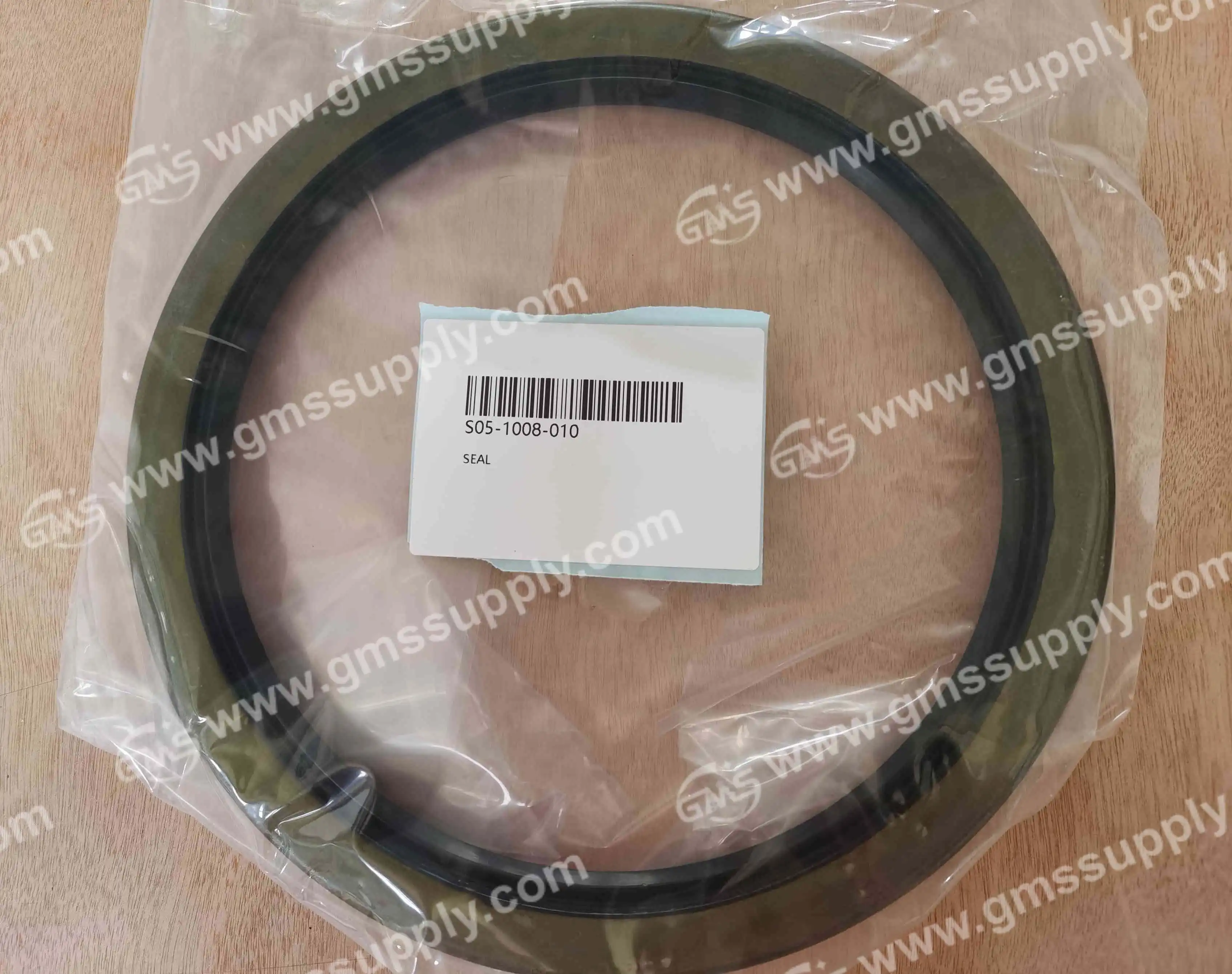
Understanding the S05-1008-010 Seal and Its Critical Role in Top Drive Systems
The S05-1008-010 Seal (GMS P/N: C80350095) is an important safety barrier in Canrig Top Drive types, such as the 8050, 8035, and 6027 systems. The elastomeric materials in this oil seal are specially made to withstand the harsh conditions found in oil and gas drilling sites. Its design takes into account three basic operating needs that have a direct effect on how well you drill and how long your equipment lasts. This seal stops hydraulic fluid from moving around in the top drive transmission system. This keeps the exact pressure balance needed for the best power transfer. It keeps all moving parts properly covered and protected by making sure that fluid flows freely through the greasing network when it's working right. In addition to protecting sensitive transmission parts from oil and gas drilling mud, abrasive particles, and outdoor contaminants, the seal also keeps them out. This two-way safety keeps clean oil inside while keeping out harmful substances, which directly leads to longer component life and fewer repair needs. In oil and gas drilling uses, seals are put through harsh conditions like high and low temperatures, chemicals, and mechanical stress that would quickly break down less durable parts. Precision bearings, gears, and shaft groups are protected by the S05-1008-010 Seal, which doesn't let any dirt or oil get in. The seal greatly increases the useful life of these important parts by keeping them away from acidic oil and gas drilling fluids and rough particles. This isolation cuts down on the number of big repairs that need to be done and lowers the total cost of ownership over the duration of the equipment. This seal not only keeps the hydraulic fluid inside, but it also lets it do all of its lubricating jobs without losing any of their quality. By keeping the fluid from escaping, it keeps the right amount and pressure for reducing friction between objects that are moving. This full lubrication lowers the amount of heat that is generated, lowers the rate of component wear, and raises the total efficiency of the machine. Over time, the energy savings and efficiency gains add up, making the integrity S of the seal a key factor in the success of oil and gas drilling operations.
Early Signs and Causes of Wear in Top Drive Oil Seals
Recognizing the signs of deterioration, S05-1008-010 Seal before the seal fails completely, can keep oil and gas drilling activities from having to shut down without warning, which can be expensive. When a seal breaks down, it usually happens in expected ways that can be seen in the way it looks and how well it works. When repair teams know these signs, they can step in at the best time—after the product has had enough use but before it fails completely. Upon closer examination, several clear signs of wear are visible. Surface breaking shows up as thin lines across the seal face. This is a sign that the material is wearing out from being compressed over and over or being exposed to chemicals. When the S05-1008-010 Seal loses its original shape and forms flat spots or uneven shapes that make sealing less effective, this is a clear sign of deformation. If the seal material hardens or softens, it means that it has been damaged by chemicals or heat. Hardened seals become rigid and easily break, while softened seals lose their ability to keep touch pressure. If you can see fluid leaking around the seal's edges, it means that either the sealing lip has worn past its useful range or the fitting gaps have grown because of shaft wear. System behavior changes often happen before seal loss can be seen. Gradual pressure loss in the hydraulic circuit, even when pumps keep running normally, points to a seal passage that lets fluid get out of the pressure zone that was meant to hold it. Strange noise patterns, like screaming, grinding, or clicking sounds close to the seal, mean that there isn't enough oil or that the seal has failed, causing metal-to-metal contact. High temperatures inside the gearbox case mean that there is more friction because the lubrication film isn't thick enough because of fluid loss. Higher rates of fluid consumption, which means that top-offs need to be done more often, are directly linked to seal leaks, even if drips can't be seen on the outside. Installation mistakes are one of the most common reasons why seals fail too soon. If you don't follow the right installation steps, you could damage the seal lips, make the setup wrong, or introduce contamination during the assembly process. Operating situations that aren't within the seal's design limits, like high temperatures, sudden changes in pressure, or fluids that don't mix, speed up the breakdown of the material. The hydraulic fluid has abrasive particles that eat away at sealing surfaces over time, much like grinding compound. Corrosion or mechanical damage to the shaft's surface finish can make leak paths that new seals can't fully close. When installation methods didn't follow the specs, an oil and gas drilling operation in the Permian Basin saw a 40% drop in seal service life. This caused yearly cost increases of more than $180,000 across their fleet before corrective training was put in place.
Step-by-Step Guide to Detecting Wear Early
Setting up systematic inspection procedures changes seal management from being a reactive response to problems to being a proactive planning of maintenance. The structured method below strikes a good mix between thoroughness and the limited time that busy repair teams have. Visual checks should be done at regular times that match the level of activity—usually every 500 hours for constant oil and gas drilling or once a month for intermittent use. During checks, clean the outside area around the seal to get rid of oil and gas drilling mud and other things that make it hard to see. Check the edge of the S05-1008-010 Seal for signs of tears, S05-1008-010 Seal such as fluid trails, discoloration, or surface layers. Use a clean tool to gently bend the seal in places that you can see to look for cracks, cuts, or warping. Keep track of changes over time by taking pictures and writing down notes about what you find. This will create a wear history that can be used to guess how long something will last. For a basic check, all you need is good lighting, clean rags, and close attention to detail. Use a mechanic's mirror to see through seal surfaces that aren't visible, and a flashlight with a focused beam for shadow analysis that shows surface flaws. Feeler gauges and other measuring tools help figure out how much the clearance has changed, and gear markers find shaft runout, which speeds up seal wear. Using infrared thermometers to measure temperature can find hot spots that mean there isn't enough grease or too much friction. For more in-depth analysis, borescopes let you look at things without taking them apart, and vibration analysis tools can find damage to bearings that often happens when seals fail. By taking a sample of the oil and analyzing it, bits of seal material and amounts of contamination show that the damage is getting worse. Keep an eye on the pressure in the hydraulic system during normal oil and gas drilling operations and write down any slow drops that could mean there is an internal leak. Watch the amount of fluid in the tank and write down how fast it is being used to find rises that mean the seal is being bypassed. Take readings of the working temperatures at different locations in the transmission case and compare them over time to see if problems are starting to appear. Keep track of any changes in noise or shaking, as these often happen before an efficiency loss that can be measured. Connect system data to inspection results to get a full picture of the health of the seals and figure out when they need to be replaced before they fail in an emergency.
Maintenance Tips and Procurement Best Practices to Extend Seal Lifespan
To get the most out of a seal's service life, installation, operation, and strategic parts sources must all be carefully planned and organized. These unified methods lower the total cost of ownership while keeping the dependability of the tools. Before installing the seal, make sure that all of the contact surfaces are clean. Get rid of any old gasket material, rust, or contamination that could lead to leaks. During installation, use the right lubricant on the seal lips by following the instructions for suitable items that won't damage the seal materials. Make sure the finish on the shaft's surface meets the requirements by cleaning off any rust or mechanical damage that could cause the S05-1008-010 Seal to wear out faster. When putting the seal together, make sure you follow the pressure specs exactly. Both under-tightening and over-tightening can hurt the seal's performance. Keep hydraulic fluid clean by filtering it properly and analyzing it regularly. This will get rid of any sharp particles before they damage the sealing surfaces. Keep extra covers in cool, dry places away from sunshine, ozone sources, and chemical vapors that break down elastomers even before they are used. Buying a lot of seals that are often changed, like the S05-1008-010 Seal, lowers the cost per unit and makes sure that they are available when they are needed. This avoids rush shipping fees and oil and gas drilling production delays. Set minimum inventory levels based on past usage and wait times. This will make sure that reorders happen before stock runs out. Build ties with providers who are responsive, keep stock, and can meet pressing needs when things go wrong out of the blue. To make sure they work together, make sure the part numbers are exactly the same. For example, the S05-1008-010 Seal is designed to work with Canrig Top Drive 8050, 8035, and 6027 types and should not be replaced with something that doesn't work. Ask for proof that the parts you receive meet the quality standards needed for tough oil and gas drilling jobs by asking for certification documents that prove ISO 9001 compliance and material specs. Instead of just buying things, build relationships with sellers who take the time to learn about your unique needs and problems. Share the results of failure analyses and operational comments to help suppliers make their goods and support services better. Talk about framework deals that lock in prices but give you options for when and how much to order. Set up clear ways for people to talk about technical questions, the state of orders, and immediate needs. When you work with reliable providers, they become like an extension of your support team, giving you advice that makes your oil and gas drilling operations run more smoothly.
Comparing Seal Quality and Choosing Where to Get Them
Buying choices have a big effect on how well seals work, how reliable the equipment is, and how much it costs to maintain everything. Knowing the differences between seal sources lets you make smart decisions that combine short-term cost concerns with long-term practical value. High-quality replacement seals made to the original specs work just as well as parts that were put in by the factory. The materials used in these seals were specially made to withstand the high temperatures, high pressures, and chemicals that are common in top drive oil and gas drilling uses. The choice of material has a direct effect on wear resistance. For example, expensive elastomers stay flexible at high and low temperatures and don't react chemically with oil and gas drilling fluids. How well the S05-1008-010 Seal keeps the contact pressure over its lifetime depends on its design, such as the shape of the closing lip, the way the spring works, and how accurate the measurements are. Seals that are made according to ISO 9001 standards are checked for quality several times during the production process. This lowers the variation that causes seals to fail early. ISO 9001 approval means that quality is managed in a planned way throughout the whole manufacturing process, from checking the materials that come in to testing the finished product. With this approval, you can be sure that S05-1008-010 Seal the seals you buy are the right size, made of the right material, and work well. When you buy a seal, you should get verification paperwork that confirms the material makeup, the accuracy of the measurements, and the results of the quality check. This paperwork helps with failure analysis if something goes wrong and shows that the right parts were chosen. When practical safety and production consistency rely on the integrity of the seal, certification is no longer just extra paperwork; it's necessary for risk management in oil and gas drilling. Check to see how quick, technically knowledgeable, and dedicated to quality your providers are. Respondent suppliers keep enough stock on hand, handle orders quickly, and talk to customers ahead of time about wait times and possible problems. Suppliers can answer questions about oil and gas drilling applications, suggest the right goods, and fix problems with installation or performance if they know how to do so. Consistent product performance, low defect rates, and a desire to stand behind goods when problems happen are all signs of quality dedication. References from other businesses in the same line of work can tell you a lot about how reliable a supplier is and how well a product works in similar oil and gas drilling situations.
Conclusion
Early wear recognition in the S05-1008-010 Seal keeps your oil and gas drilling operations from failing at expensive times and also increases the life of the part. Systematic inspection, which includes both eye study and performance tracking, finds wear and tear before it leads to a catastrophic failure. A complete approach to seal management includes following the right fitting steps, keeping the fluid clean, and getting quality-certified seals from dependable sources. These methods cut down on unplanned downtime, lower the cost of upkeep, and make tools more reliable overall. When you invest in strategic seal management, your top drive fleet's working continuity improves, and the total cost of ownership goes down.
FAQ
1. How often should the S05-1008-010 Seal be checked for wear during drilling?
How often you inspect relies on how busy your operations are and what the surroundings are like. Every 500 hours of operation or once a month, whichever comes first, operations with constant shifts should do visual checks. Inspections can be done every three months for less-intensive tasks while still keeping an eye out for changes in performance. If there are extreme conditions like high temperatures, rough drilling fluids, or a lot of pressure cycles, the system needs to be inspected more often. Record each check so you can see how the wear is progressing and figure out when to replace things.
2. What are the most effective ways to find early signs of wear?
Most early signs of wear can be seen with the naked eye in good lighting. These include surface cracks, warping, and fluid weeping. Infrared thermometers can tell when the temperature is rising because the lubricant isn't good enough. On pressure monitors, a drop in system pressure means that an interior seal has been bypassed. Fluid measurement shows the amount of contamination and bits of seal material. Using more than one checking method together gives a more accurate picture of wear than using just one method.
3. Does proactive seal monitoring actually reduce overall maintenance costs?
Studies from a number of different businesses show that proactive seal management lowers overall upkeep costs by 30 to 50 percent compared to replacing seals after they fail. Planned replacements during regular maintenance windows cost a lot less than fixes that need to be done right away and require extra work and faster shipping of parts. By stopping seal failures before they happen, you can avoid the extra damage to bearings, gears, and shafts that often happens after a severe seal failure. The cost of tracking is small compared to the money saved on downtime.
Partner with GMS for Reliable S05-1008-010 Seal Supply
GMS has been in the sealing business for over ten years and has quality systems that are ISO 9001 approved. They can help you with your Canrig top drive activities. We are a well-known supplier of the S05-1008-010 Seal, so we keep a lot of them in stock so that we can keep your activities going easily. Our goods are made to the same exacting standards as the originals, and we offer reasonable prices that help you get more out of your maintenance budget. We know how important drilling operations are and can quickly handle both regular orders and urgent needs.
Contact our team at sales@gmssupply.com to talk about your seal needs, get detailed specs, or look into ways to buy in bulk that will lower your unit costs. Our application experts can answer questions about compatibility, suggest check times based on your unique needs, and give you advice on how to place the seal so that it lasts as long as possible. We help drilling operations all over the United States by giving you a choice of shipping options and personalized service that fits your needs. When you work with GMS, you get a source that wants your business to succeed by giving you reliable goods and quick help.
References
1. American Petroleum Institute. (2019). "Recommended Practices for Maintenance of Top Drive Systems in Drilling Operations." API Standards Publication 7K-5.
2. Society of Tribologists and Lubrication Engineers. (2020). "Elastomeric Seal Performance in High-Pressure Hydraulic Systems." STLE Technical Paper Series, Vol. 45.
3. International Organization for Standardization. (2021). "Quality Management Systems for Industrial Sealing Components." ISO 9001:2015 Implementation Guidelines.
4. Machinery Lubrication Magazine. (2022). "Predictive Maintenance Strategies for Hydraulic Seals in Oil Field Equipment." Vol. 18, Issue 3, pp. 34-41.
5. National Petroleum Council. (2020). "Equipment Reliability and Maintenance Best Practices for U.S. Drilling Operations." NPC Technical Study Report.
6. Hydraulic Systems Maintenance Council. (2021). "Seal Failure Analysis and Prevention in Mobile Industrial Equipment." HSMC Research Publication No. 127.

Learn about our latest products and discounts through SMS or email