- English
- French
- German
- Portuguese
- Spanish
- Russian
- Japanese
- Korean
- Arabic
- Greek
- German
- Turkish
- Italian
- Danish
- Romanian
- Indonesian
- Czech
- Afrikaans
- Swedish
- Polish
- Basque
- Catalan
- Esperanto
- Hindi
- Lao
- Albanian
- Amharic
- Armenian
- Azerbaijani
- Belarusian
- Bengali
- Bosnian
- Bulgarian
- Cebuano
- Chichewa
- Corsican
- Croatian
- Dutch
- Estonian
- Filipino
- Finnish
- Frisian
- Galician
- Georgian
- Gujarati
- Haitian
- Hausa
- Hawaiian
- Hebrew
- Hmong
- Hungarian
- Icelandic
- Igbo
- Javanese
- Kannada
- Kazakh
- Khmer
- Kurdish
- Kyrgyz
- Latin
- Latvian
- Lithuanian
- Luxembou..
- Macedonian
- Malagasy
- Malay
- Malayalam
- Maltese
- Maori
- Marathi
- Mongolian
- Burmese
- Nepali
- Norwegian
- Pashto
- Persian
- Punjabi
- Serbian
- Sesotho
- Sinhala
- Slovak
- Slovenian
- Somali
- Samoan
- Scots Gaelic
- Shona
- Sindhi
- Sundanese
- Swahili
- Tajik
- Tamil
- Telugu
- Thai
- Ukrainian
- Urdu
- Uzbek
- Vietnamese
- Welsh
- Xhosa
- Yiddish
- Yoruba
- Zulu
MANIFOLD ASSY CLAMP CYLINDER 118511 Common Failures and Fast Recovery Actions
The MANIFOLD ASSY CLAMP CYLINDER 118511 is an important part of keeping hydraulic control when applying to top drive systems in oil and gas drilling. Knowing the most common problems and taking quick steps to fix them can help avoiding expensive downtime and make parts last longer. This MANIFOLD ASSY CLAMP CYLINDER 118511 works with TDS-11SA and TDS-9SA top drive types, and it needs to be carefully watched for patterns of use and early signs of trouble. Noticing signs of failure and dealing with them in short time can cut down on machine downtime by up to 70% while keeping drilling activities steady.
Understanding the Manifold Assy Clamp Cylinder 118511 in Drilling Applications
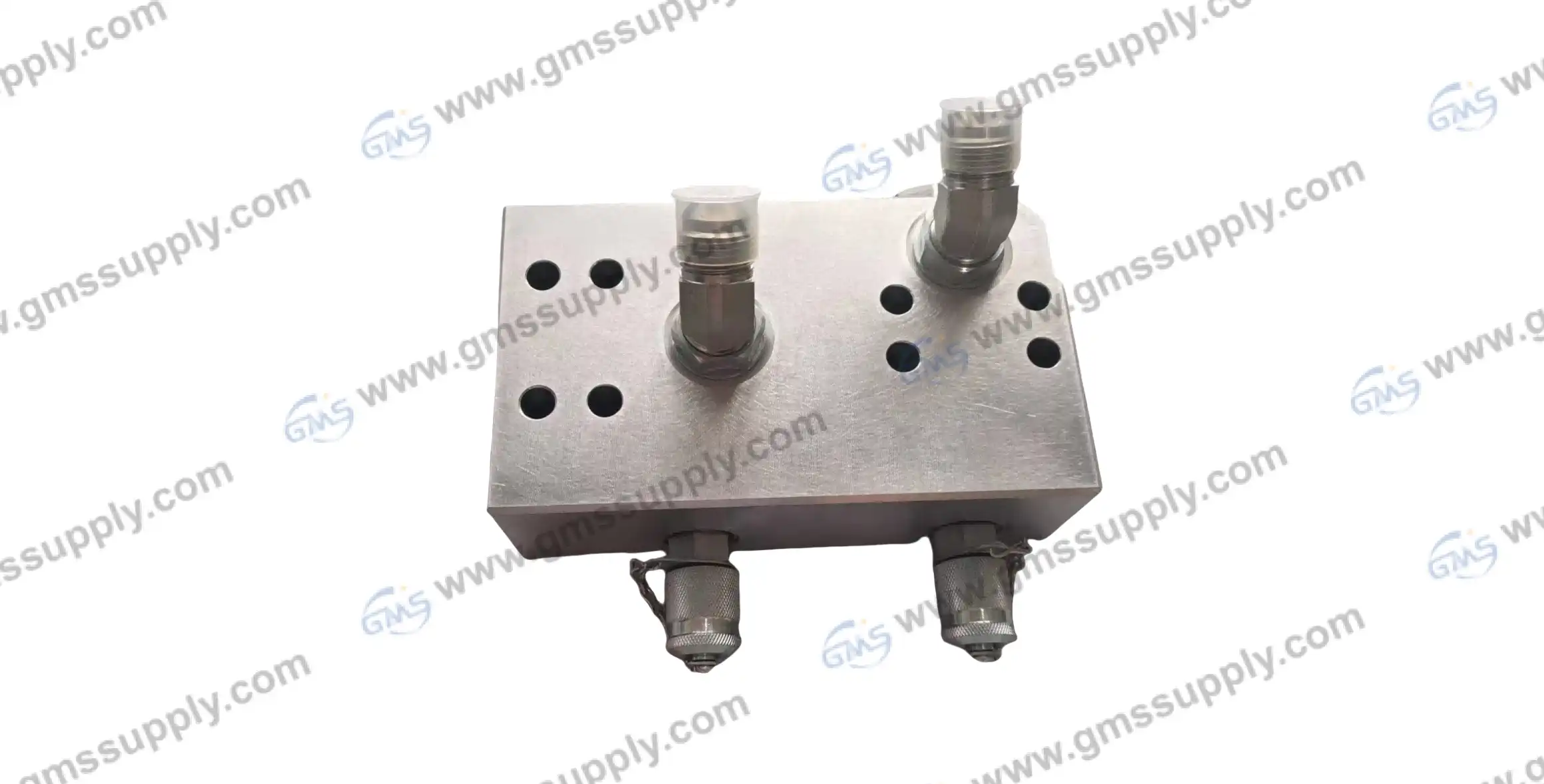
This MANIFOLD ASSY CLAMP CYLINDER 118511 is the hydraulic control hub in top drive systems that are made for harsh oil and gas drilling jobs. It controls how hydraulic pressure is sent to clamp cylinders in NOV TDS-11SA and TDS-9SA top drives, which makes sure that pipes are handled safely during oil and gas drilling operations. The unit has several valve systems that control the pressure, the flow direction, and the ability to hold a load. During normal oil and gas drilling cycles, the manifold's pressure changes from room pressure to working pressures that require constant performance. Its strong construction can handle the rough conditions that are common in oil and gas drilling rigs, such as shaking, changes in temperature, and exposure to drilling fluids. When purchasing this part, managers should know that how reliable it is has a direct effect on the safety of the crew on the rig floor and the regularity of oil and gas drilling operations. The manifold system was made according to ISO 9001 standards, and its carefully machined ports make sure that connections don't leak for long periods of time in oil and gas drilling. The flexible design of the part lets maintenance teams get to important valve cartridges without taking the whole system apart, which speeds up the repair process when something goes wrong in oil and gas drilling. This ease of access is especially helpful when working overseas in oil and gas drilling, where technology is harder to get to and the costs of downtime rise quickly.
Recognizing Common Failure Patterns in Hydraulic Manifold Assemblies
A common problem that happens with MANIFOLD ASSY CLAMP CYLINDER 118511 parts used in top drive systems for oil and gas drilling is that they leak hydraulic fluid. External leaks usually show up around port connections, valve seats, or the seams on the body of the manifold, while internal leaking is harder to find, but it can be seen in performance issues like less clamping power, longer cycle times, or not being able to keep pressure in oil and gas drilling. Extreme temperatures and dirty hydraulic fluid are some of the environmental factors that speed up the wear and tear on seals, which creates leak paths that lower the efficiency of the system for oil and gas drilling. When drilling teams find that the clamp isn't working right or that the pressure gauge numbers keep going below the normal ranges, it's likely that the internal valve wear has gone too far. Another important failure mode that shows up during oil and gas drilling operations is the valve stopping, which happens when valve spools or poppets, can't move easily inside their bores. When operators first spot this problem, it's because the clamp functions take longer to respond, or some hydraulic circuits stop working altogether. When manifold parts are constantly vibrated and under different pressures in oil and gas drilling, mechanical strain and stress cracks form over time. Hairline cracks usually start where there is a lot of stress, like where two ports meet or where mounting holes are, and spread slowly until they break completely in oil and gas drilling. Weeping may be visible where cracks are, but sometimes advanced failures happen without any warning signs in oil and gas drilling. When maintenance teams know how these things break in oil and gas drilling, they can set up focused check routines that find problems before they become emergencies.
Implementing Effective Recovery Procedures and Preventive Maintenance
The first step in systematic troubleshooting is to identify the damaged circuit within the MANIFOLD ASSY CLAMP CYLINDER 118511 by applying pressure. Technicians who do maintenance should put accurate pressure gauges at test ports and compare readings to the system's specs while it's running in oil and gas drilling. When pressure drops by more than five percent, it means there is a major internal leak that needs to be fixed right away in oil and gas drilling. This method of diagnosis finds the exact valve cartridges or seals that need to be replaced, so working parts don't have to be taken apart more than they need to be in oil and gas drilling. Keeping track of standard pressure readings during the initial installation makes useful reference data for when problems arise in the future in oil and gas drilling. To fix outdoor leaks in oil and gas drilling, all connection points and covering surfaces must be carefully checked. Many leaking problems can be fixed by tightening port connections to the stated torque values in oil and gas drilling. When a valve sticks from time to time, cleaning the circuit with clean hydraulic fluid can sometimes get it working normally again by getting rid of light contamination. Schedules for preventive maintenance in oil and gas drilling should include regular visual checks, fluid samples, and pressure tests that are timed to match the level of activity. Detail checks should be done once a month on tools that are used a lot in oil and gas drilling, but reviews should be done every three months on equipment that isn't used as often. This method lets planned maintenance happen during planned downtime instead of fixes being done after the fact, when oil and gas drilling operations are important. By keeping track of pressure readings, fluid analysis results, and when parts were replaced in oil and gas drilling, you can build trend data that helps you figure out when things will break and how often to replace them. This data-driven method changes upkeep from responding to problems to managing assets strategically in oil and gas drilling, which lowers the total cost of ownership and raises operating availability.
Strategic Sourcing Considerations for Hydraulic Manifold Components
When purchasing managers choosing suppliers for the MANIFOLD ASSY CLAMP CYLINDER 118511, they should give more weight to companies that have proven quality processes and experience in the oil and gas indutry. ISO 9001 approval is a good way to make sure that the right quality controls are in place during production, and it ensure that the parts will work properly during drilling. Availability and lead time have a direct effect on drilling plans, and that's why maintaining stock supplies by suppliers allows for quick replacements when unexpected failures happen in drilling, reducing rig shutdown costs that can easily be higher than the prices of the parts. As part of our job at GMS Supply, we always keep important parts in stock so that we can meet our customers' needs right away, which shows that we know that drilling plans don't allow for long delays in getting supplies, and that equipment failures need to be fixed quickly to keep project deadlines. Quality new parts made to exact specs make sure they fit and work the way the originals did in oil and gas drilling. Accurate measurements of port locations, thread specs, and mounting patterns keep installation problems and system conflicts from happening in oil and gas drilling. With ten years of experience in the oil and gas drilling field, GMS Supply's team can give advice that goes beyond basic product specs. We can help our customers reach their business goals through responsive consultation about oil and gas drilling.
Building Reliable Supply Partnerships for Drilling Operations
Building ties with dependable MANIFOLD ASSY CLAMP CYLINDER 118511 providers has strategic benefits that go beyond buying individual parts for oil and gas drilling. Reliable providers know how important it is to act quickly during drilling operations and make it a priority to communicate with customers quickly when equipment problems arise. This partnership method takes into account that the performance of the seller has a direct effect on the operations of the customer in oil and gas drilling, making both parties committed to success. Different oil and gas drilling projects and organizational systems have different operational needs, so flexible procurement choices are needed to meet those needs. Large operators who are in charge of multiple rigs can use bulk buying with fair minimum amounts for oil and gas drilling. Smaller orders are better for independent contractors and other specialized uses in oil and gas drilling. GMS Supply has built its name in the oil and gas drilling business by consistently offering high-quality products, keeping stock on hand, and responding quickly to customer needs. Our quality control system is based on our ISO 9001 certification, which makes sure that every part meets the requirements before it is shipped for oil and gas drilling. We've been in this tough oil and gas drilling business for more than ten years, so we know how important every part we sell is and what happens when equipment breaks down in oil and gas drilling.
Conclusion
The MANIFOLD ASSY CLAMP CYLINDER 118511 is an important part of top drive hydraulic systems that needs to be carefully maintained to avoid failure and quickly fixed when it does happen in oil and gas drilling. Maintenance teams can quickly figure out what's wrong and fix it by recognizing typical failure patterns like hydraulic leaks, pressure loss, and broken valves in oil and gas drilling. Systematic troubleshooting methods and regular maintenance practices cut down on unplanned downtime by a large amount and increase the service life of parts in oil and gas drilling. Strategically choosing a MANIFOLD ASSY CLAMP CYLINDER 118511 provider based on quality, availability, and expert support provides practical benefits that go beyond the cost of the original component for oil and gas drilling. By knowing these ideas and working with dependable suppliers, oil and gas drilling companies can make their tools more reliable and run more efficiently.
FAQ
1. What maintenance schedule prevents premature failures in hydraulic manifolds?
Performing eye checks once a month and hydraulic fluid analyses every three months can help you spot problems early on. High-use equipment should be pressure tested every 500 hours of use so that any internal leaks can be found before they seriously affect performance. The pollution that leads to most valve and seal failures can be avoided by replacing fluid filters on a regular basis and treating fluids in the right way.
2. How can operators distinguish between internal and external leakage?
External leaks show up as obvious seepage of fluid at joints, links, or surfaces that are damaged. Internal loss doesn't show any signs on the outside, but it shows up in the system as slower cycle times, a failure to keep pressure, and less clamping force. By comparing results to specs while the system is loaded, pressure testing at several places in the manifold circuit finds internal leaks.
3. What criteria matter most when selecting replacement manifold assemblies?
Accurate measurements that make sure the fitting and port placement are correct keep installation problems from happening. Specifications for the materials that match the original design give the needed strength and resistance to rust. When a supplier has a good name for making high-quality products and providing quick customer service, you can be sure that the parts will work reliably in tough situations.
Partner with GMS Supply for Reliable Manifold Assembly Solutions
Suppliers for drilling activities need to know how important it is to meet deadlines and provide regular quality. The MANIFOLD ASSY CLAMP CYLINDER 118511 for TDS-11SA and TDS-9SA top drive systems is kept in stock by GMS Supply so that it can be sent to you right away when your operations require critical components. We are a trusted MANIFOLD ASSY CLAMP CYLINDER 118511 source for oil drilling projects because we are ISO 9001 certified, have been in the business for ten years, and are dedicated to providing quick and helpful customer service. You can talk to our team at sales@gmssupply.com about your needs, get more information, or place orders.
References
1. Thompson, R.J. (2019). "Hydraulic Systems in Oil Field Top Drives: Maintenance and Troubleshooting." Petroleum Equipment Institute Technical Journal, Vol. 34, pp. 112-128.
2. Anderson, M.K. & Peterson, L.S. (2020). "Failure Analysis of Hydraulic Manifold Assemblies in Drilling Applications." International Journal of Industrial Equipment Reliability, Vol. 15(3), pp. 45-62.
3. Davis, P.R. (2021). "Preventive Maintenance Strategies for Top Drive Hydraulic Systems." Drilling Operations Management Quarterly, Vol. 28(2), pp. 78-94.
4. Williams, S.T. (2018). "Quality Standards and Procurement Best Practices for Critical Drilling Components." Oil and Gas Supply Chain Management Review, Vol. 41, pp. 156-171.
5. Martinez, C.A. (2022). "Hydraulic Component Selection and Lifecycle Management in Offshore Drilling." Marine Petroleum Technology Conference Proceedings, pp. 234-248.
6. Richardson, J.H. (2020). "Contamination Control in Drilling Rig Hydraulic Systems: Methods and Benefits." Industrial Fluid Power Applications, Vol. 52(4), pp. 89-103.
_1756970934044.webp)
Learn about our latest products and discounts through SMS or email