- English
- French
- German
- Portuguese
- Spanish
- Russian
- Japanese
- Korean
- Arabic
- Greek
- German
- Turkish
- Italian
- Danish
- Romanian
- Indonesian
- Czech
- Afrikaans
- Swedish
- Polish
- Basque
- Catalan
- Esperanto
- Hindi
- Lao
- Albanian
- Amharic
- Armenian
- Azerbaijani
- Belarusian
- Bengali
- Bosnian
- Bulgarian
- Cebuano
- Chichewa
- Corsican
- Croatian
- Dutch
- Estonian
- Filipino
- Finnish
- Frisian
- Galician
- Georgian
- Gujarati
- Haitian
- Hausa
- Hawaiian
- Hebrew
- Hmong
- Hungarian
- Icelandic
- Igbo
- Javanese
- Kannada
- Kazakh
- Khmer
- Kurdish
- Kyrgyz
- Latin
- Latvian
- Lithuanian
- Luxembou..
- Macedonian
- Malagasy
- Malay
- Malayalam
- Maltese
- Maori
- Marathi
- Mongolian
- Burmese
- Nepali
- Norwegian
- Pashto
- Persian
- Punjabi
- Serbian
- Sesotho
- Sinhala
- Slovak
- Slovenian
- Somali
- Samoan
- Scots Gaelic
- Shona
- Sindhi
- Sundanese
- Swahili
- Tajik
- Tamil
- Telugu
- Thai
- Ukrainian
- Urdu
- Uzbek
- Vietnamese
- Welsh
- Xhosa
- Yiddish
- Yoruba
- Zulu
How to Maintain Piston 588-04-3 for Reliable Drilling
To keep Piston 588-04-3 in function for drilling operations to go smoothly, you should first understand its role in top drive systems and then set up regular check schedules. This important part was made to fit the Canrig 8035, 8050, and 6027 types. It needs to be oiled regularly, kept clean, and replaced at the right time to make sure it works well in harsh oil and gas conditions. By following strict maintenance procedures, workers can keep the Piston 588-04-3 from wearing out too quickly and cut down on downtime.


Understanding the Role of Piston 588-04-3 in Top Drive Systems
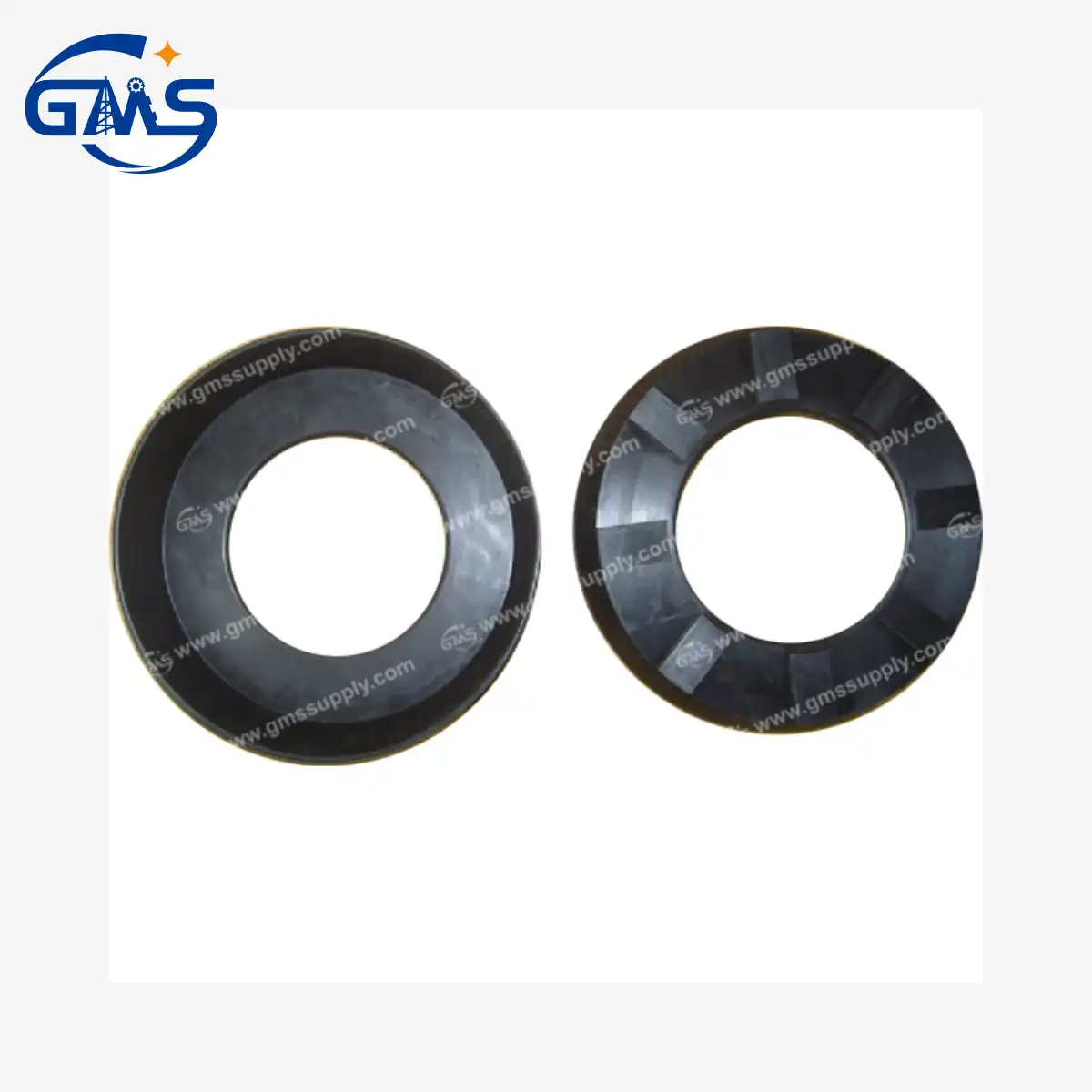
Piston 588-04-3 is an important part of top drives that are used in the oil and gas drilling. This precisely designed part makes it possible for energy and force to be delivered efficiently during drilling activities, both on and offshore. At GMS, we make pistons that work consistently to the original specs, which makes sure that equipment stays operationally efficient even in the tough situations. The Piston 588-04-3 works in the hydraulic cycle of top drive systems, which means it is constantly exposed to drilling fluids, changing temperatures, and changes in pressure. The accuracy of its geometry and the metals it is made of directly affect how reliable the system is. To keep fluid from leaking and power from being lost, the part must be able to handle repeated mechanical stress while keeping its shape. To make sure they fit correctly in cylinder systems, top drive pistons made for types like the Canrig 8035, 8050, and 6027 must meet strict physical standards. When procurement managers look for new parts, it's important to make sure that the specs match the needs of the tools in order to keep the process running smoothly.
Identifying Common Maintenance Challenges That Affect Performance
When drilling, the Pistons 588-04-3 are put through rough conditions that speed up wear patterns and shorten the life of the part. When repair teams know about these common problems, they can take steps to stop them before they happen. Particulate matter in hydraulic fluids is the main reason why pistons fail before they should. Cuttings from drills, metal bits from system wear, and outdoor trash get into hydraulic circuits when filters aren't working right or when seals are broken. Each working cycle makes the surface rougher, which makes the cover less effective and lets fluid pass through. Besides, there are often acidic chemicals and other impurities in drilling solutions that damage metal surfaces. Corrosion ruins sealing surfaces and makes surface pits that make it hard for pistons to move smoothly, which causes fluid to leak and lowers hydraulic efficiency. Without upkeep, these problems get worse, and unplanned outages cost operators a lot more in direct repair costs and missed output than planned Piston 588-04-3 maintenance times.
Implementing Best Practices to Extend Component Lifespan
Structured inspection programs help businesses avoid unexpected shutdowns and lower their overall repair costs, which shows that it makes sense for businesses to use preventative maintenance plans for important parts like the Piston 588-04-3. Visual checks should happen at set times based on how busy the process is. Technicians should look at the sides of the pistons for cutting, pitting, or darkening that could mean heat stress during planned repair times. Writing down the results during a check makes historical records that help with deciding when to replace something, and show problems that keep happening and need to be fixed. When parts are stored correctly, they don't break down too quickly. To keep the Piston 588-04-3 from rusting and humidity, it should stay in dry places with steady temperatures. Workers must use clean gloves and tools when working during installation so that they don't get oils or other dirt on the precision surfaces. These seemingly small steps protect the quality of the parts and make sure they last as long as possible after fitting.
Sourcing Quality Replacement Components for Sustained Reliability
Decisions about Piston 588-04-3 purchases have a big effect on how much it costs to run your drilling business in the long term. Replacement parts will work as intended as long as you choose the right seller and check the quality of the parts. When purchasing managers look at piston providers, they should give more weight to companies that are ISO 9001-certified, as this standard is known all over the world and shows dedication to quality management systems that include the planning, making, and sending of goods. Reliability of lead times affects plans for repair and managing supplies. Suppliers who keep enough stock on hand help operations with reliable delivery plans, which makes just-in-time purchasing strategies possible and lowers the costs of keeping inventory. GMS keeps a ready supply of popular top drive parts, such as this Piston 588-04-3 that works with Canrig 8035, 8050, and 6027 systems. Our delivery network allows for fast processing around the world, which helps keep operations running as smoothly as possible when replacement parts need to be sent out.
Streamlining Procurement Processes for Operational Efficiency
Efficient Piston 588-04-3 procurement workflows reduce administrative burden and ensure timely component availability. Bulk purchasing arrangements deliver cost advantages through volume pricing while ensuring component availability during extended campaigns. This approach particularly benefits operations managing multiple drilling rigs with common component requirements, consolidating purchasing power and reducing per-unit costs. Clear communication regarding technical specifications prevents ordering errors that delay projects. Providing complete model information—including equipment manufacturer, model designation, and components like Piston 588-04-3—ensures accurate fulfillment. Understanding realistic delivery timeframes supports effective maintenance planning. Rush orders may incur expediting fees that erode cost savings, while excessively conservative ordering extends inventory holding periods and ties up working capital. Establishing standard lead time expectations aligned with supplier capabilities enables optimal order timing that balances urgency against cost efficiency.
Conclusion
Maintaining Piston 588-04-3 reliability requires integrating systematic inspection practices, proper storage protocols, contamination control measures, and strategic procurement decisions. The performance of this critical top drive component directly influences drilling efficiency, equipment availability, and operational safety throughout oil and gas operations. Recognizing common failure mechanisms—including contamination, corrosion, and temperature stress—enables maintenance teams to implement preventive measures that extend component lifespan and reduce total lifecycle costs. Selecting quality-focused Piston 588-04-3 suppliers with ISO certification, adequate inventory, and responsive technical support ensures replacement components deliver consistent performance. Operations adopting these comprehensive maintenance and procurement strategies experience fewer unplanned shutdowns, improved cost predictability, and enhanced drilling productivity across both onshore and offshore environments.
Partner with GMS Supply for Dependable Piston 588-04-3 Solutions
GMS combines over ten years of industry experience with ISO 9001 certification to deliver reliable top drive components that keep your drilling operations running efficiently. As a trusted Piston 588-04-3 manufacturer, we maintain substantial inventory supporting rapid fulfillment throughout the United States, minimizing your equipment downtime when replacement needs arise. Our components meet international quality standards while offering cost-effective alternatives to higher-priced options without compromising performance or durability. Whether you need immediate replacement pistons for Canrig 8035, 8050, or 6027 systems or wish to establish ongoing supply arrangements, we deliver flexible solutions tailored to your operational requirements. Contact our team at sales@gmssupply.com to discuss your specific Piston 588-04-3 needs, request samples for evaluation, or explore bulk purchasing options that reduce your total procurement costs.
References
1. American Petroleum Institute. (2019). "Recommended Practices for Maintenance of Drilling Equipment." API Standard 54, Third Edition.
2. Society of Petroleum Engineers. (2021). "Hydraulic Systems Reliability in Top Drive Applications." SPE Drilling & Completion Journal, Vol. 36, No. 2.
3. International Organization for Standardization. (2018). "Quality Management Systems for Oil and Gas Component Manufacturing." ISO 9001:2015 Guidelines.
4. National Institute for Occupational Safety and Health. (2020). "Preventive Maintenance Protocols for Drilling Equipment." NIOSH Publication No. 2020-118.
5. Drilling Contractors Association. (2022). "Component Lifecycle Management in Modern Drilling Operations." Technical Bulletin Series, Issue 47.
6. Industrial Maintenance & Plant Operation. (2023). "Contamination Control Strategies for Hydraulic Systems in Drilling Applications." IMPO Technical Review, March Edition.
Learn about our latest products and discounts through SMS or email