- English
- French
- German
- Portuguese
- Spanish
- Russian
- Japanese
- Korean
- Arabic
- Greek
- German
- Turkish
- Italian
- Danish
- Romanian
- Indonesian
- Czech
- Afrikaans
- Swedish
- Polish
- Basque
- Catalan
- Esperanto
- Hindi
- Lao
- Albanian
- Amharic
- Armenian
- Azerbaijani
- Belarusian
- Bengali
- Bosnian
- Bulgarian
- Cebuano
- Chichewa
- Corsican
- Croatian
- Dutch
- Estonian
- Filipino
- Finnish
- Frisian
- Galician
- Georgian
- Gujarati
- Haitian
- Hausa
- Hawaiian
- Hebrew
- Hmong
- Hungarian
- Icelandic
- Igbo
- Javanese
- Kannada
- Kazakh
- Khmer
- Kurdish
- Kyrgyz
- Latin
- Latvian
- Lithuanian
- Luxembou..
- Macedonian
- Malagasy
- Malay
- Malayalam
- Maltese
- Maori
- Marathi
- Mongolian
- Burmese
- Nepali
- Norwegian
- Pashto
- Persian
- Punjabi
- Serbian
- Sesotho
- Sinhala
- Slovak
- Slovenian
- Somali
- Samoan
- Scots Gaelic
- Shona
- Sindhi
- Sundanese
- Swahili
- Tajik
- Tamil
- Telugu
- Thai
- Ukrainian
- Urdu
- Uzbek
- Vietnamese
- Welsh
- Xhosa
- Yiddish
- Yoruba
- Zulu
How to Prevent Wear in 91829-1 Sleeve Stem Components
To keep 91829-1 sleeve stem components from wearing out, they need to be made with good materials, installed correctly, and maintained regularly. When used with the 91829-1 sleeve stem and 109591 sleeve wear component, the 91829-1 sleeve stem provides longer durability thanks to its corrosion-resistant metals and precise engineering. Abrasion and fatigue damage can be greatly reduced by workers choosing ISO-certified parts, following best practices for installation, and setting up regular check plans. This method cuts down on machine downtime and increases the life of parts, ensuring steady performance in high-pressure oil and gas drilling situations where protecting the main shaft is essential for success.
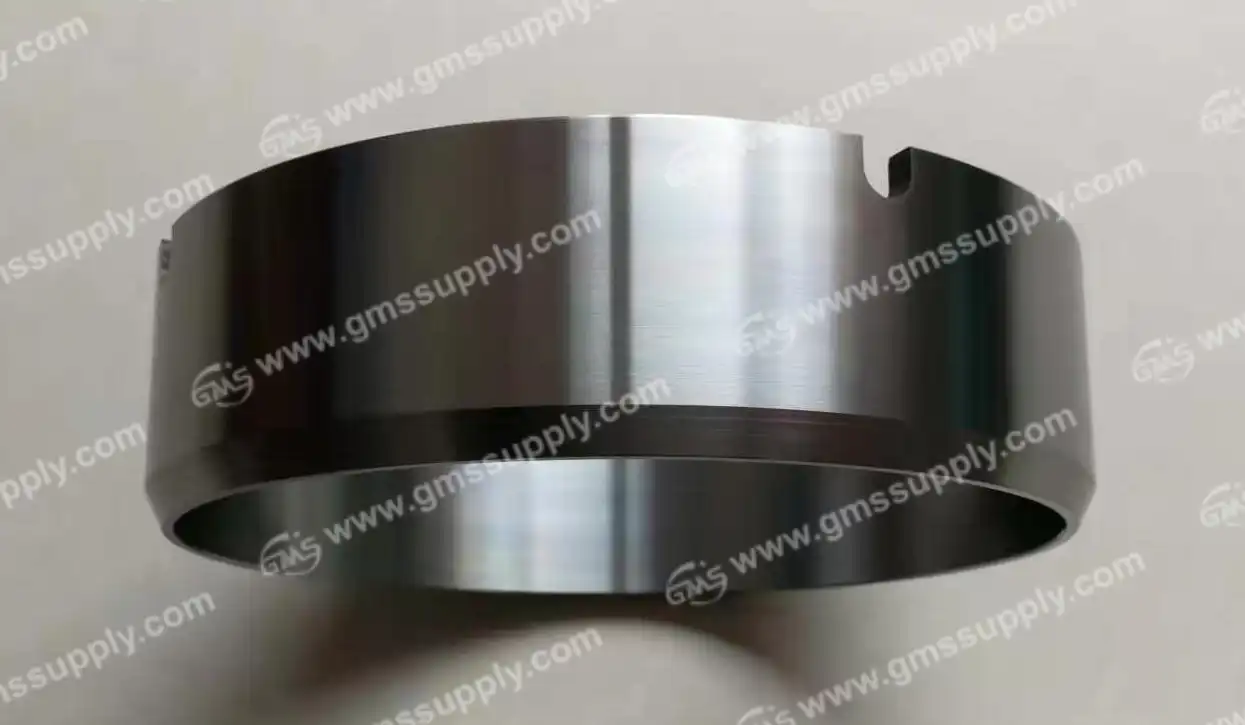
Understanding Wear Mechanisms in 91829-1 Sleeve Stem Components
During drilling activities, sleeve stem components like the 91829-1 sleeve stem and the 109591 sleeve wear component are constantly under mechanical stress. These parts work inside the motor housing and gearbox unit (P/N 120900) of top drive systems. They keep the main shaft from touching anything rough and lower friction while the system is turning.
Abrasion from drilling mud particles, corrosion from being in tough chemical conditions, and mechanical fatigue from repeated stress cycles are the main ways that these parts wear down. When drilling fluids contain solid contaminants, they grind against the sides of the sleeves, wearing away protective layers and base materials over time. In drilling settings, corrosive substances like hydrogen sulfide, carbon dioxide, and chloride ions attack metal surfaces, making holes and rough spots that speed up the next layer of wear.
Incompatibility of materials is another important factor. When the metal needs of the working environment don't match up with the sleeve components, they will fail early. During drilling rounds, changes in temperature cause parts to expand and contract, which can make it harder for parts to fit together and cause tiny movements that wear down connecting surfaces. If you don't position the parts correctly during fitting, the load will be spread out unevenly, putting more stress on certain areas than on others.
Knowing these trends of wear helps purchasing managers and repair teams choose the right parts and come up with ways to keep problems from happening. Unchecked wear has effects that go beyond the cost of replacing parts. These effects include output delays, emergency fixes, and possible safety risks. Preventing wear through material choice and maintenance schedules leads to measurable gains in the dependability and efficiency of machine use.
Material Properties and Design Features That Reduce Wear
The NOV TDS-11SA sleeve shows how modern material engineering can be used to solve common wear problems in top drive situations. This component works with both the TDS-11 and TDS-9SA models. It's made of alloys that are specially made to fight the effects of wear and tear, corrosion, and mechanical stress. When choosing a material, strength, stiffness, and chemical resistance are all taken into account to make sure that the sleeve maintains dimensional stability over long periods of time.
The shape of the design is also very important for preventing wear. The inside width and wall thickness of the tube are carefully machined to keep tight tolerances while allowing for heat expansion. Specifications for the surface finish lower the coefficients of friction, which means that less heat is produced during operation. These surfaces are treated in ways that make them harder without weakening the toughness of the core material. This makes the outside less likely to wear down and crack.
The 91829-1 sleeve stem and 109591 sleeve wear component fit inside the cover to make a secure system around the main shaft. This part of the system properly spreads rotational pressure and keeps its alignment when the force changes. When two parts that fit together experience small-amplitude rhythmic motion, fretting wear can happen. This wear can be stopped by design features in the contact between the parts. The design controls these small movements, which makes both the sleeve and the shaft it covers last longer.
Controlled wear simulations that mimic field circumstances are used in testing methods to make sure that these design choices are correct. To measure performance traits, samples are subjected to changing temperatures, pressures, and abrasives. As a result of these confirmation steps, parts are sure to meet API standards and work the same way in all drilling settings, from platforms at sea to rigs on land.
Installation Best Practices for Extended Component Life
How well sleeve stem components resist wear during service is directly related to how well they were installed. Before the installation starts, all the surfaces that will be touching are cleaned carefully to get rid of any dirt, old oils, or rust products that might cause uneven contact or let contaminants into the assembly. It is important to look at the main shaft surface and make sure there are no cutting, pitting, or changes in size that could affect how well the cover fits.
Verifying the alignment is a very important part of the fitting process. Specialized tools make sure that the sleeve sits squarely on the axis of the shaft. This stops the eccentric loading that speeds up the wear patterns. For attachment hardware, the torque specifications must exactly match the manufacturer's instructions. Not enough torque lets the component move, while too much tightening can damage the component and cause stress concentrations.
Here are essential installation considerations that prevent premature wear:
Surface Preparation and Cleanliness: Use approved chemicals and lint-free cloths to remove any unwanted material from the shaft and housing surfaces. Any bits that are still there get stuck on the surfaces of parts while they are being used, serving as abrasives that speed up wear. After cleaning the surfaces, look at them in good lighting to see if there is any damage that needs to be fixed on the shaft before installing the component. During this planning phase, the groundwork is laid for the proper seating of components and the best spread of load throughout the assembly.
Put certain oils on the surfaces of the sleeve for TDS-11 main shaft 121131 parts before putting them together to lower the friction during installation and give the equipment its first safety while it's starting up. To avoid problems, the chemistry of the lube should match the chemistry of the drilling fluid. The thickness of the coating is important. Too much lubricant attracts dirt, and not enough covering leaves metal surfaces open to damage during the first few spinning cycles. Keeping records of the type of lube used and how it was applied helps with planning future repairs.
Measurement and Documentation: Write down all the sizes of each part before installing it so that you have a starting point for future evaluations of wear. By measuring the length, internal width, and thickness of the inner walls, maintenance teams can find out how fast they wear out and how often they need to be replaced. Photographic evidence records the state of the part and how it was installed, making records that can help with troubleshooting if operating problems arise later.
Maintenance Protocols That Minimize Wear Progression
Regular upkeep checks for early signs of wear before they cause a part to break. Inspection plans should match up with working hours, drilling conditions, and performance data from similar jobs that have been done in the past. During regular maintenance windows, visual checks can show changes in the surface, darkening from heat exposure, or covering wear and tear, which are signs of problems that are about to happen.
Through systematic measures, dimensional tracking keeps track of the rate of wear. By comparing current measures to installation baselines and inspection data from the past, you can see if wear is happening at the normal rate or faster because of changes in how the system is being used. If the rate of wear goes up quickly, it's likely that the drilling settings, fluid chemistry, or alignment of the tools have changed and need to be looked into and fixed.
Contamination control within the drilling fluid system lowers the exposure to sharp particles. Filtration systems get rid of forming materials and cuttings that would otherwise touch the sleeve surfaces. Maintaining fluid chemistry stops acidic conditions from happening, which protects metal surfaces from chemical attack. These repair tasks at the system level work with component-level care to prevent wear all around.
When deciding what to replace, you should weigh the operating risk against the remaining component life. Parts that are getting close to the limits of wear and tear need to be replaced during planned repair so that they don't break down unexpectedly during important activities. Keeping enough extra parts on hand makes sure that new parts are ready when inspection data shows that they are needed. This keeps production from stopping while waiting for parts to arrive.
Selecting Quality Components From Reliable Suppliers
Wear resistance and service life are greatly affected by the quality of the component. Parts that are made to exact specs from the right materials always work, but parts that aren't up to par break down early, even after being installed and maintained correctly. When making purchases, companies should give more weight to suppliers who can show they can make things, have quality control systems in place, and offer expert help.
For TDS-11 and TDS-9SA top drive systems, GMS makes sleeve stem and sleeve wear components (P/N 91829-1 and 109591) that are of the highest quality and meet the original specs. Our ISO 9001 certification shows that we are committed to quality control at every stage of the production process, from choosing the raw materials to doing the final inspection. We do full testing of all dimensions and materials to make sure that every part meets the strict needs of oil and gas drilling uses.
Our sleeve for TDS-11 main shaft 121131 assemblies delivers stable performance through durable construction and precise manufacturing. The components resist premature wear by maintaining tight tolerances and proper metallurgical properties. This manufacturing consistency minimizes unexpected failures and reduces equipment downtime, helping operations maintain productivity targets. Following international standards, such as API and ISO rules, makes sure that the product works with current equipment and follows best practices in the business.
When these important parts are available, changes are made when repair is scheduled and how operations are planned. We keep sleeve stem and wear components in stock so that we can support both planned replacements and emergency fixes with short wait times. This stocking method takes into account the fact that drilling operations can't wait a long time for important extra parts.
Our technical help goes well with the products we sell. Our team helps customers choose the right parts, install them correctly, and fix problems so that parts work as well as possible for as long as possible. This way of working together takes into account the unique problems that each operation faces, since drilling settings are very different in what they ask of equipment parts.
Conclusion
To keep 91829-1 sleeve stem components from wearing out, you need to know how wear happens, choose high-quality materials, install them correctly, and make sure you always follow the same check rules. Putting these parts together makes a complete plan that increases the life of parts and lowers the number of operating interruptions. Wear protection starts with getting high-quality parts from reputable sources. These parts are made with materials and with precision that make them resistant to wear, corrosion, and stress. By following these steps, operators can protect the money they've spent on tools while still meeting the strict operational reliability requirements of drilling plans.
FAQ
Q1: What causes premature wear in sleeve stem components?
Usually, premature wear is caused by installation that isn't lined up correctly, drilling fluids that are filled with abrasive particles, choosing the wrong material for the job, or not doing maintenance at regular intervals. When drilling fluids and component materials don't react chemically well with each other, rusting can happen faster. Also, temperature cycling without enough space between the parts can cause stress concentrations.
Q2: How often should sleeve components be inspected?
How often you inspect relies on how the equipment is used and how it is being used. Visual inspections should be done during regular maintenance times, and thorough measurements of the dimensions should be taken every 500 to 1000 working hours. When operations happen in tough settings or with contaminated fluids, they may need to be checked more often to find increased wear patterns before they hurt performance.
Q3: Can worn sleeve components be refurbished?
Small amounts of surface wear can sometimes be fixed by cutting and coating repair. However, parts that show big changes in size, cracks appearing, or loss of material properties need to be replaced. When comparing the costs of repair and replacement, you should think about the time and work needed, as well as the chance of failure before its time, when compared to installing new parts.
Get Quality NOV TDS-11SA Sleeve Components From a Trusted Supplier
GMS has worked in the oil and gas drilling business for over ten years and helps procurement managers and repair teams. As P/N 91829-1 and 109591, we make sleeve stems and sleeve wear components that work reliably in tough situations. Our ISO 9001-certified production methods make sure that all of our 91829-1 sleeve stems are the same size and made of the same material. We support both planned repair and urgent replacement needs by keeping a large inventory on hand for quick access and short wait times. Get in touch with our team at sales@gmssupply.com to talk about your unique needs and find out how our NOV TDS-11SA sleeve supplier services can help you reach your business goals while cutting down on procurement cycle times.
References
1. American Petroleum Institute. "Specification for Drilling and Well Servicing Equipment." API Specification 8C, Seventh Edition, 2018.
2. Johnson, M.R. and Williams, K.T. "Materials Selection for Downhole Equipment in Corrosive Environments." Journal of Petroleum Technology, Vol. 71, No. 3, 2019, pp. 45-52.
3. National Association of Corrosion Engineers. "Corrosion Control in Oil and Gas Production." NACE International Publication 34109, 2017.
4. Peterson, R.L. "Wear Mechanisms in Rotary Drilling Equipment: Analysis and Prevention Strategies." Society of Petroleum Engineers Technical Paper SPE-195847-MS, 2020.
5. Thompson, D.A. and Richards, P.J. "Maintenance Best Practices for Top Drive Systems in Offshore Drilling." Offshore Technology Conference Proceedings, OTC-29654-MS, 2019.
6. Zhang, H. and Anderson, C.W. "Metallurgical Considerations for Heavy-Duty Drilling Components." International Journal of Materials Engineering, Vol. 9, No. 2, 2018, pp. 78-89.
Learn about our latest products and discounts through SMS or email